HGF Dry Mix Mortar Production Line 20 to 60 t/h
Enclosed dry mortar plant from 20 to 60 t/h with PLC weighing and controlled dust.
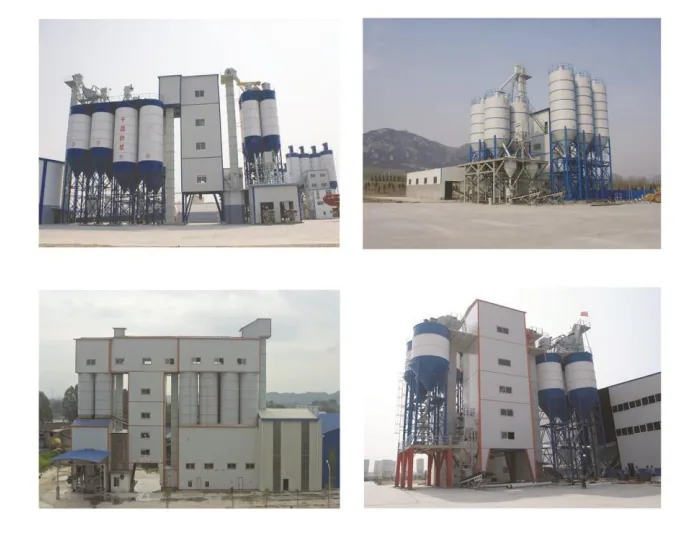
The HGF series is an enclosed dry-mix mortar plant for producers who need consistent batches and controlled dust. Capacities range from 20 to 60 tonnes per hour, and each line is configured around the customer's output target, site layout and investment scale. Dried sand is screened on a multi-layer system whose vibration direction and screen inclination are matched to the material and the required throughput, giving a large screening area and steady grading. Weighing uses pressure-type sensor modules with analog signals processed by a PLC, and a fully breathable flexible connection at the weighing centre keeps measurements accurate through the shift. Mixing is handled by an efficient main machine that disperses material with no dead zones, a wide-opening discharge device for fast unloading, and a high-speed cutting blade on one side of a single-axis drum that breaks up sticky material. The whole line is fully enclosed and every dust generating point has its own collector.
Configured around output, blocks and operating conditions.
Fully enclosed structure keeps material conveying and mixing inside sealed spaces., Capacities from 20 to 60 tonnes per hour, configured to output target, site layout and investment scale., Multi-layer dry sand screening matched to material type and production volume., Pressure-type sensor weighing with PLC processing and a breathable flexible connection for accuracy., Efficient main mixer disperses material with no dead zones and a wide-opening discharge for fast unloading., High-speed cutting blade breaks up sticky material inside the single-axis mixing drum.
Typical decision factors
What changes the machine price?
Daily capacity
Output target determines machine size, mould cycles and line configuration.
Automation
Pallet handling, cubing, batching and packaging change total project scope.
Block types
Hollow block, paver, interlock and curbstone may require different moulds and handling.
Service scope
Shipping, installation, training and spare parts are quoted by destination.
An Enclosed Dry-Mix Mortar Plant
Dry-mix mortar production has two constant demands: the batch that leaves the plant must match the specification, and the plant itself must not spread dust across the site. The HGF series addresses both by combining accurate weighing and effective mixing inside a fully enclosed structure, with a dust collector fitted at each point in the process where dust is generated.
Capacity and Configuration
The series covers capacities from 20 to 60 tonnes per hour, with several specifications and structural designs across that range. Each line is customised to the customer's production requirements, site layout and investment scale, so the plant is sized for the market it actually serves rather than pushed into a single standard format. Support extends beyond the equipment to market analysis for dry-mix mortars, laboratory technical guidance and production application support after commissioning.
Screening and Weighing
Dried sand is handled by a multi-layer screening system built for the material products on that line. Screen vibration direction and inclination angle are combined according to the screening type and production volume, and the ample screen surface area keeps efficiency high. The weighing system uses pressure-type sensors with modular units and analog signal input processed by a PLC. A precisely designed weighing centre and a fully breathable flexible connection interface keep measurement accuracy steady through a long production shift.
Mixing Performance
The main machine disperses material thoroughly with no dead zones. A large-opening discharge device allows rapid unloading between batches, and a high-speed cutting blade mounted on one side of the single-axis mixing drum breaks up sticky material that would otherwise build up. Where the process calls for it, plow-blade and zero-gravity mixing main machines are used: in the zero-gravity design two stirring shafts inside a horizontal cylinder rotate at equal speeds in opposite directions, bringing material into uniform contact in a short time.
Dust Control and Site Fit
Material conveying and mixing take place inside sealed spaces. Every dust generating point is fitted with a dust collector matched to that point, filtering emissions individually rather than relying on one central system. For a plant inside or near a built-up area, that arrangement is usually the difference between a smooth operation and one that spends its time on complaints and compliance work. Filters are chosen for the dust type at each point, so fine sand dust and cement dust are handled by collectors suited to them rather than by one general unit. Service access is arranged around the collectors, so filters can be checked without stopping the mixing cycle.