Block Making Machines for the Middle East
A regional guide to buying a block making machine in the Middle East: how to match the machine to your product mix and daily output, what drives the price, how power and raw materials are configured, and how shipping, installation and training are handled.
To buy a block making machine in the Middle East, start from the block types you will sell and the daily output you need, then size the host machine and the support equipment. A first plant fits the QST8-15 or QST6-15, a mid-size plant the QST1200 or QST1000, and a high-output plant the QST1800 or QST1500. Send your block sizes, daily target and site power and we return a written configuration and price.
Block Making Machine Middle East: A Regional Buying Guide
Buyers across the region approach the block making machine Middle East decision with the same core questions, even though their sites and markets differ: what will the machine produce, how much per day, what power is available, and how quickly can a line be running. This page is a regional hub. It covers the decisions that repeat from one market to the next and links to the machines that handle them, from a single automatic press to a complete production line.
Because electricity, climate, site size and product demand vary widely across the region, a machine that fits one plant can be the wrong size or the wrong configuration for another. We treat every enquiry as a configuration task. You give us the product and the target, we return an equipment list and a quote you can compare.
Regional Procurement Considerations Across the Middle East
Four issues come up in almost every Middle East enquiry. Getting them right early saves a redesign later.
- Product mix: hollow block, solid brick, pavers, kerb stones and interlocking block are often produced on one machine by changing moulds, so the mould list matters as much as the machine.
- Power: some sites run a stable grid, others run a generator or a mixed supply. Send your voltage and frequency and we configure the drives and controls to match, rather than assuming a standard.
- Yard conditions: dust, heat and raw material moisture affect mix consistency and cycle time. A covered or drained aggregate stockpile and steady batching protect the rated output.
- Site and logistics: the available area decides whether you take a standalone machine or a full line with a curing system and automated cubing and packing.
None of these are unusual problems, but they interact. A larger machine needs more power and a bigger yard, and a fully automatic line needs the space for curing. We map the site area, the power and the product mix together before recommending a model.
Recommended Block Making Machines for Middle East Plants
Four machine sizes cover most regional enquiries, plus the production lines for buyers who want a whole plant. Each heading links to the full specification page.
QST8-15 / QST6-15, compact automatic machine
The starting point for a first plant. The QST8-15 measures 9,800 × 3,600 × 2,800 mm, weighs 14 t, has a vibration force of 95 kN and an installed capacity of 44.9 kW, with output up to 90,000 standard bricks per 8-hour shift. The QST6-15 is smaller at 9,450 × 3,300 × 2,700 mm and 12 t with 34.4 kW installed. Both run on vibration plus press moulding with a PLC touch screen, so a small team can change products by changing the mould.
QST1200 / QST1000, mid-size automatic machine
The QST1200 covers hollow block, pavers, kerb stones and interlocking block from one platform. It measures 11,500 × 4,550 × 2,800 mm, weighs 17 t, carries a vibration force of 150 kN and an installed capacity of 57.6 kW, reaching up to 120,960 standard bricks per 8-hour shift. The QST1000 uses a 1,100 × 880 × 25 mm pallet at 48.9 kW. This size suits a plant that switches products through the season.
QST1800 / QST1500, large high-output machine
The QST1800 is the largest vibration-press machine in the range: 15,500 × 5,500 × 3,200 mm, 34 t, a vibration force of 280 kN and 104 kW installed, with output up to 220,000 standard bricks per 8-hour shift. The QST1500 runs a 1,350 × 1,150 × 30 mm pallet at 220 kN and 69.1 kW. These are for buyers who need volume without adding a second press.
QSGW, QSDJ and QSRGY automatic production lines
For a turnkey plant, the QSGW high-level line, the QSDJ belt-rack curing line and the QSRGY finger-car curing line combine batching, mixing, forming, curing, cubing and packing into one flow. The QSGW line is configured from 30,000 to 250,000 pieces per 8-hour shift. A QSRGY line runs with 3 to 4 persons for the whole production task and shows a fault position automatically, so operation does not depend on a specialist.
Standalone machines and full lines suit different stages of a business. A single automatic press with manual curing and a forklift clamp is the leanest way to enter the market, and it can be extended later with a cuber and a curing system as orders grow. A full line costs more up front but reduces labour per shift and keeps curing consistent, which matters when you supply a contractor who needs the same block every week. Neither route is wrong, and the right one depends on your order book and how fast you expect it to grow.
What Drives Block Machine Price Across the Middle East
Price is a configuration, not a sticker. Two buyers asking for a block machine can receive very different figures and both can be correct, because the machine is only one line of the equipment list. The table below shows where the cost goes. For a fuller breakdown, read the block making machine price guide.
| Cost factor | Why it moves the price |
|---|---|
| Host machine model | Larger frame, higher vibration force and higher installed power cost more. The QST8-15 at 14 t and 44.9 kW sits below the QST1800 at 34 t and 104 kW. |
| Mould set | One mould produces one product type. Hollow block, paver and kerb moulds differ, and every extra mould adds to the quotation. |
| Automation level | Manual stacking compared with an automatic cuber, automatic pallet feeding, strapping and wrapping changes both the equipment list and the labour count. |
| Support equipment | The mixer, batching machine, curing system, forklift clamp and packing machines are priced separately, not included in the machine headline. |
| Capacity and line scope | A standalone press and a turnkey line are different projects with different engineering. |
| Shipping and destination | Total volume, total weight and the agreed delivery terms affect the landed cost. |
The reliable way to price a project is to fix the product mix and the daily target first, then quote the machine, the moulds and the support equipment together. That is the approach we take for every Middle East enquiry, and it is why we ask for the same inputs each time. A supplier who quotes a single number without asking about your blocks, your power and your yard is guessing, and the extra cost usually surfaces later as a missing mould, an undersized mixer or a machine that cannot hold the cycle on your local material.
Capacity Planning for Middle East Production Targets
Capacity only means something with conditions attached. Output moves with the mould, the cycle time, the shift length and the stability of the raw material feed. Use the figures below as planning references and confirm the final number against your own mould and material.
| Machine | Installed capacity | Reference output |
|---|---|---|
| QST8-15 | 44.9 kW | Up to 90,000 standard bricks / 8-hour shift |
| QST1200 | 57.6 kW | Up to 120,960 standard bricks / 8-hour shift |
| QST1800 | 104 kW | Up to 220,000 standard bricks / 8-hour shift |
| QSMT1000 | 57.5 kW | Up to 135,000 bricks (240 × 115 × 50 mm) / 8-hour shift |
A single mould normally produces one product at a fixed count per cycle, so a plant that sells both hollow block and pavers carries at least two moulds and plans changeover time into the schedule. If your daily target sits near the top of a machine range, move up a size rather than running one machine flat out on every shift.
Power Supply and Voltage
We do not assume a grid standard anywhere in the region. Send your site voltage, frequency (50 or 60 Hz) and number of phases, and we configure the electrical package to match. If you run a generator, a mixed supply or a shared feed, tell us, because it changes the drive and control package. The figures below are the installed capacity of the machine itself, not the site supply, and they are the load to size your supply and cabling against.
- QST8-15: 44.9 kW installed. QST6-15: 34.4 kW.
- QST1200: 57.6 kW. QST1000: 48.9 kW.
- QST1800: 104 kW. QST1500: 69.1 kW.
- Hydraulic brick presses, QS600 to QS1500 series: 46.9 kW to 88.4 kW.
- Double-direction hydraulic presses, QS800 to QS1500: 70 kW to 108.2 kW.
- Pallet-free QSMT1000: 57.5 kW. QSMT500: 39.5 kW.
Curing-line transfer cars can run from track power or from a 36 V lithium battery with a charging pile, which helps where you want to avoid long cable runs across the yard. Packing equipment such as the QSSX-16A strapping baler and the QSPY-16A baler typically runs on a three-phase supply. Tell us your supply first and the electrical package is designed around it.
Shipping and Installation Across the Region
Heavy machines change how a project ships. A QST1800 weighs 34 t and measures 15,500 × 5,500 × 3,200 mm, so it does not travel like a pallet of small parts. Smaller machines such as the QST8-15 at 14 t are easier to move but still need proper lifting and loading. Support equipment, conveyors and curing racks are separate loads. We group the shipment around the site layout so assembly follows the delivery sequence.
We ask for your destination and preferred delivery terms, then confirm the shipping scope in the written quotation. We do not quote clearance times or local charges from a distance, because those depend on the port, the forwarder and the paperwork, and we will not invent them. Installation, commissioning and operator training are part of the project scope, delivered with layout drawings and electrical schematics, and remote support covers the first production runs. A QSRGY curing line runs with 3 to 4 persons and the QSGW line needs 3 to 6 per shift depending on configuration.
How to Request a Middle East Quotation
To get a usable quotation rather than a catalogue number, send us the following inputs. With them we return a recommended configuration and a written quotation, and we will tell you honestly if a different size fits better.
- The block types and exact sizes you want to produce, with the product you expect to sell most.
- Your daily output target, and whether you plan one shift or two.
- Your available site power, voltage and frequency.
- The usable site area, so we can size the yard and the curing space.
- Your automation preference: manual stacking, automatic cuber, or a full line.
- Your destination and preferred delivery terms.
For a whole plant rather than a single machine, the complete concrete block factory solution sets out the full equipment list, factory requirements and manpower. Ready to start? Open the RFQ form and send your project details. For pricing background first, the price guide explains how a quote is built. If you want to see the core machine range before you choose, start with the concrete block making machine page.
Middle East Quote: send your block size, daily output and site power, and we return a configuration you can compare.
Frequently Asked Questions
How much does a block making machine cost in the Middle East?
What affects the price of a concrete block machine in the Middle East?
Where can I find a block machine for sale for a Middle East plant?
How is a block machine shipped to Middle East destinations?
Do you provide installation and training across the Middle East?
What daily capacity should I plan for a Middle East block plant?
What raw materials do the machines run on?
What do you need to give a Middle East quotation?
Related machines
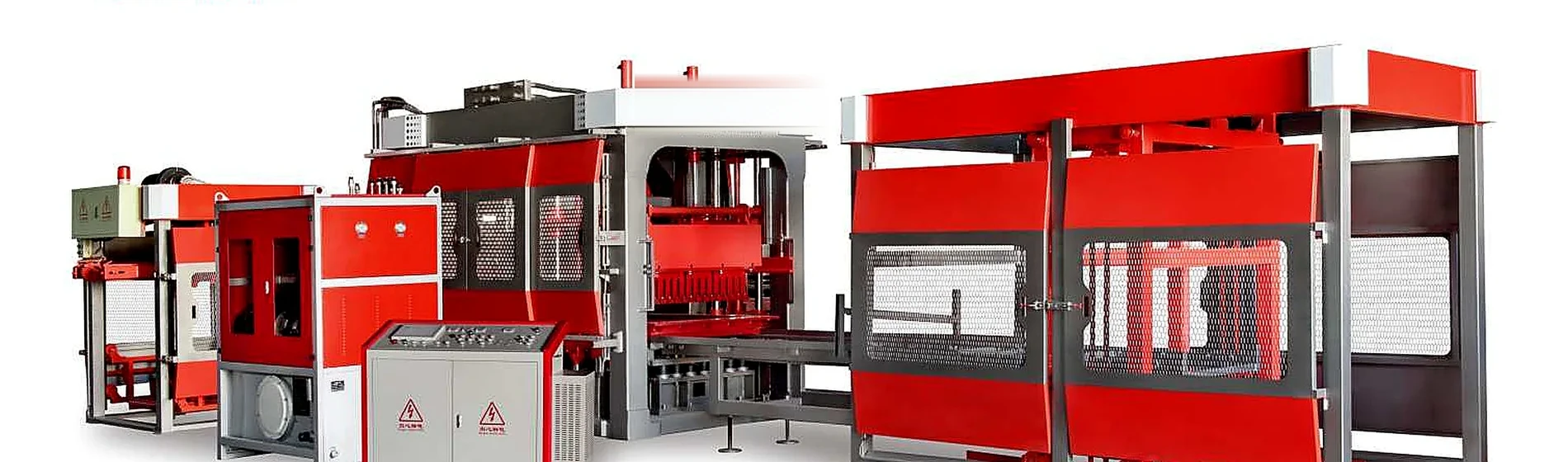
Concrete Block Making Machine
Core machine for hollow blocks, solid blocks, pavers and curbstones.
Automatic Block Making Machine
High-output automatic block machine for industrial production lines.
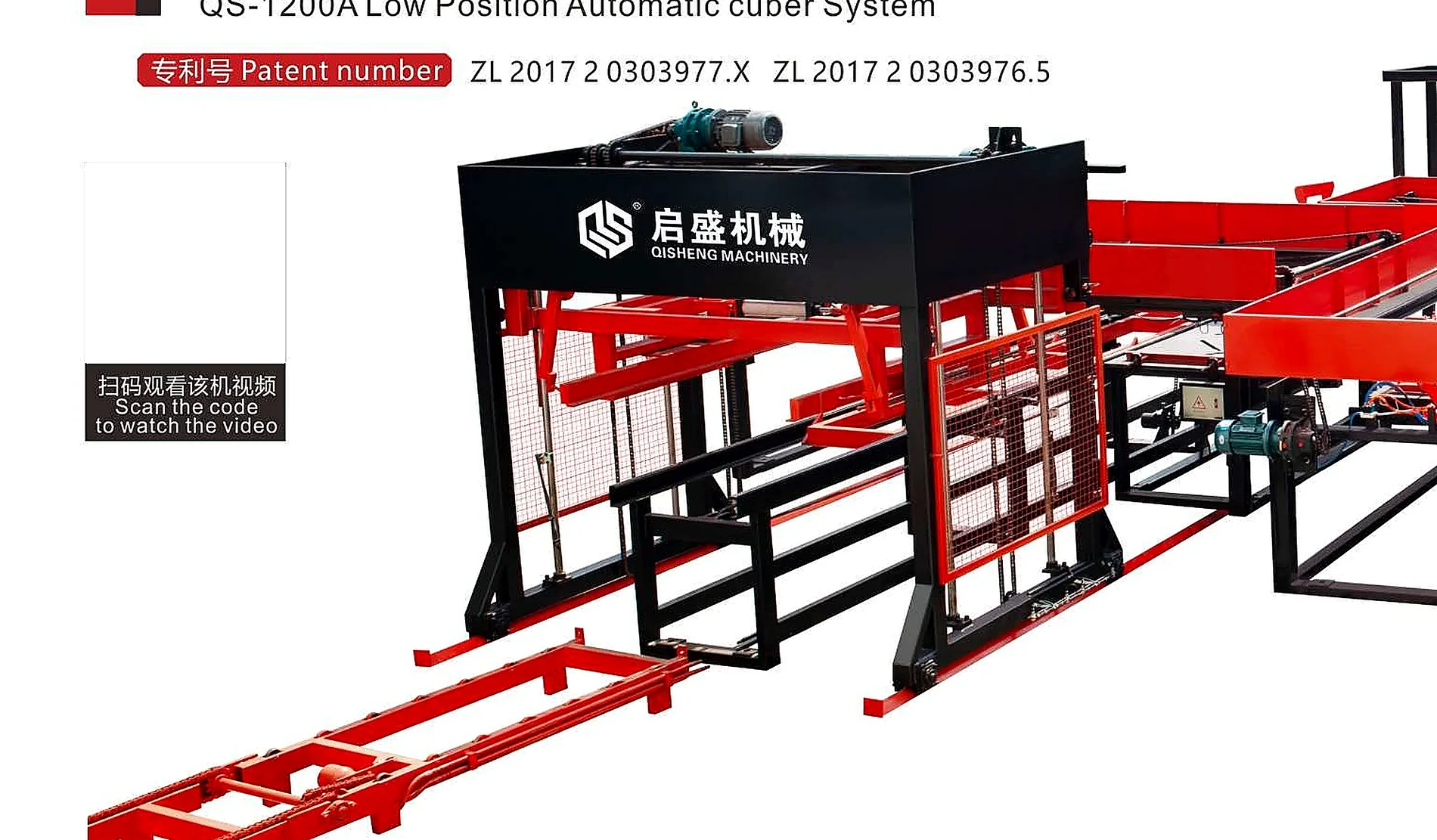
Hydraulic Block Making Machine
Hydraulic forming system for stable density and consistent blocks.
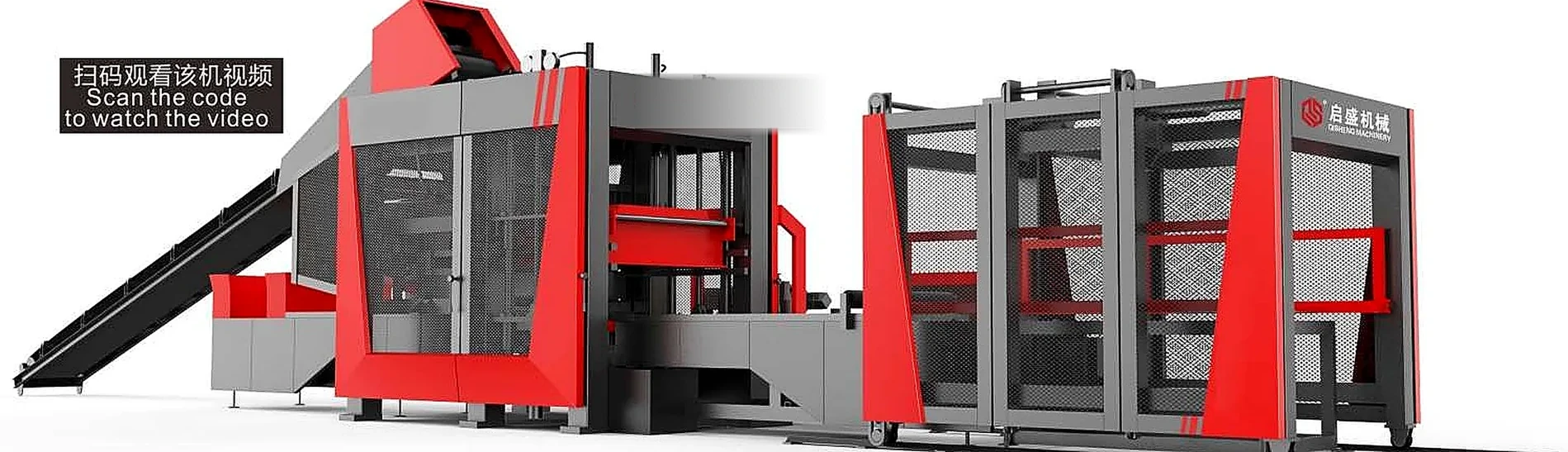
Hollow Block Making Machine
Machine configurations for common hollow concrete block sizes.