Block Making Machines for Qatar
A guide to choosing a block making machine for Qatar, where large single projects and road and landscape packages dominate. It covers the models, moulds for paver and kerb products, capacity, power, materials, delivery and how to request a Qatar quotation.
A block making machine Qatar buyers order is often chosen around one large project and the mix of products it needs. Interlocking pavers and kerb stones sit beside hollow block and solid brick, so both the press and the paver moulds matter. The QST1500 or QST1200 covers most mid-size lines, while the QST1800 and the QSGW production line serve a high-output plant. Send the product list and output target to fix the configuration.
Block Making Machine Qatar: Products First, Then Output
Qatar projects frequently arrive as one large package, and the product list shapes the machine as much as the volume does. Road, drainage and landscape work pulls in interlocking pavers and kerb stones, while building work needs hollow block and solid brick. The machine has to cover that range, so the mould list and the cycle setting are settled early in the enquiry.
Four inputs decide the rest.
- Every product type and its size.
- The output the project needs per shift and per day.
- Surface and edge quality, which matters for paving and kerb products.
- The yard, curing area and power on site.
Paving products are surface-led, so a machine with steady vibration and even pressing, combined with a proper mixer, gives a consistent face. For shaped concrete products, a double-direction hydraulic press is worth considering alongside the automatic block machine.
Recommended Machines for a Qatar Plant
These are the configurations most Qatar buyers review, from an automatic block machine to a hydraulic press for paving. Each links to the full product page.
- QST1500 / QST1200 fully automatic block making machine: the core mid-size and upper-mid choice. The QST1200 carries 150 kN vibration force and reaches up to 120,960 standard bricks per 8-hour shift; the QST1500 steps up in mass and output with a 15 to 23 second cycle.
- QST paver configuration: the same automatic platform fitted with interlocking and landscape paver moulds. One machine, many products, so paving and walling run from a single host.
- QS800 / QS1000 / QS1500 double-direction hydraulic press: a 31.5 MPa hydraulic build with an 18 to 22 second cycle, working pallet-free for high-density pavers, kerb stones and shaped products with a strong face.
- QSGW high-level production line: configured from 30,000 to 250,000 pieces per 8-hour shift, with automatic curing, cubing and packing for a plant feeding a continuous project stream.
Where a project mixes block and paving at scale, the complete block factory solution shows how the press, paver moulds, curing and packing stages fit together.
What Affects the Price of a Block Making Machine in Qatar
Cost tracks the configuration, so scope decides the number more than anything else. The main factors:
| Factor | Why it changes the cost |
|---|---|
| Machine model | Mass, installed power and hydraulic build differ across the range, from roughly 14 t up to 34 t of machine. |
| Moulds | Each product shape needs its own mould, and paver and kerb moulds add to the set. |
| Press vs block machine | A double-direction hydraulic press is a different build from a vibration-press automatic machine. |
| Surface finish equipment | Mixing and mould quality affect face quality on paving products. |
| Curing, cubing and packing | Automatic curing, cuber and strapping systems add scope for a continuous line. |
| Spare parts package | Wear parts, hydraulic spares and spare moulds sized to your shift pattern. |
The block making machine price guide explains how to compare quotations that cover different scope, and why a configuration sheet matters more than a single figure.
Blocks and Capacity for a Qatar Project
Capacity is quoted per product and per shift. At reference, the QST1200 reaches up to 120,960 standard bricks (240 x 115 x 51 mm) in an 8-hour shift at a 15 to 25 second cycle, and the QST1800 up to 220,000. Paving and kerb products run at lower piece counts per cycle, because each piece covers more mould area. For shaped paving at high density, a hydraulic press such as the QS1500 presses 40 Holland bricks (200 x 100 x 60 mm) or 15 square blocks (250 x 250 x 60 mm) per mould, at an 18 to 22 second cycle.
Qatar demand typically pairs walling block with road and landscape paving, so the plant's product range, not one product, sets the mould list.
- Hollow block 390 x 190 x 190 mm for walling.
- Standard brick 240 x 115 x 51 mm for solid work.
- Interlocking pavers plus Holland brick 200 x 100 x 60 mm and square block 250 x 250 x 60 mm.
Power Supply and Installed Capacity
Confirm your site supply, phase, voltage and frequency, at quotation. A standard build ships for 380 V three-phase, then the electrical configuration is matched to the supply you confirm. Installed capacity depends on the machine and the press: about 57.6 kW on the QST1200, 69.1 kW on the QST1500 and 104 kW on the QST1800, while the hydraulic presses run higher, roughly 70 kW on the QS800 and about 108.2 kW on the QS1500. Add batching, mixing, curing and packing to the total before sizing the transformer.
Raw Materials and Mix Design
The machines form blocks and pavers from cement, sand, gravel and crushed stone powder, and accept construction waste, slag, fly ash or gangue where available. Qatar plants work with local sand and crushed aggregate, with cement content and gradation set by trial mixes. Paving products show the mix quality in the face, so a planetary mixer that gives uniform mixing is worth planning for paver and imitation-stone work. A batching machine that doses aggregate by preset ratio with three-point induction sensors keeps the mix stable from batch to batch.
Shipping and Delivery to Qatar
Machines load at the Chinese port and ship to your destination port. The main units run from about 12 t to 34 t, and the hydraulic presses heavier still, with dimensions on each product page, so the loading plan, container or break-bulk arrangement and lifting points are set per order. Port of discharge, documentation and delivery terms are confirmed against your order before shipping, and the packing list matches the configuration sheet so nothing is separated in transit. Share your nearest port at quotation stage so the loading plan fits the route.
Installation, Training and Spare Parts
Installation follows the foundation drawing supplied with the machine, and commissioning includes a run with your own mix. Operators are trained on the PLC touch screen, mould change, cycle adjustment and daily checks, with a shift checklist. Fault handling on the automatic lines shows an alarm and the fault position, so routine stops do not need a specialist. Keep a planned spare parts set on site, wear parts, hydraulic spares and the consumables that stop a line when they run out, sized to the products you run most.
How to Request a Qatar Quotation
Send these details and the quotation will be specific to your project.
- The full product list with sizes, including any paver and kerb types.
- Target output per shift and per day.
- Surface and edge requirements for paving products.
- Site yard, curing space and power supply.
Use the request for quotation form to send them. You will receive a configuration sheet with the machine or press, the moulds, curing and batching equipment and the spare parts package for your plant.
Request your Qatar quote and the configuration and cost factors for your project come back in the same document.
Frequently Asked Questions
How much does a block making machine cost in Qatar?
Should I choose an automatic block machine or a hydraulic press?
What products can one machine cover?
How much output can I expect per shift?
How is the paving face quality controlled?
What power supply do the machines need?
What raw materials work in a Qatar mix?
What is delivered, and how is it shipped?
Related machines
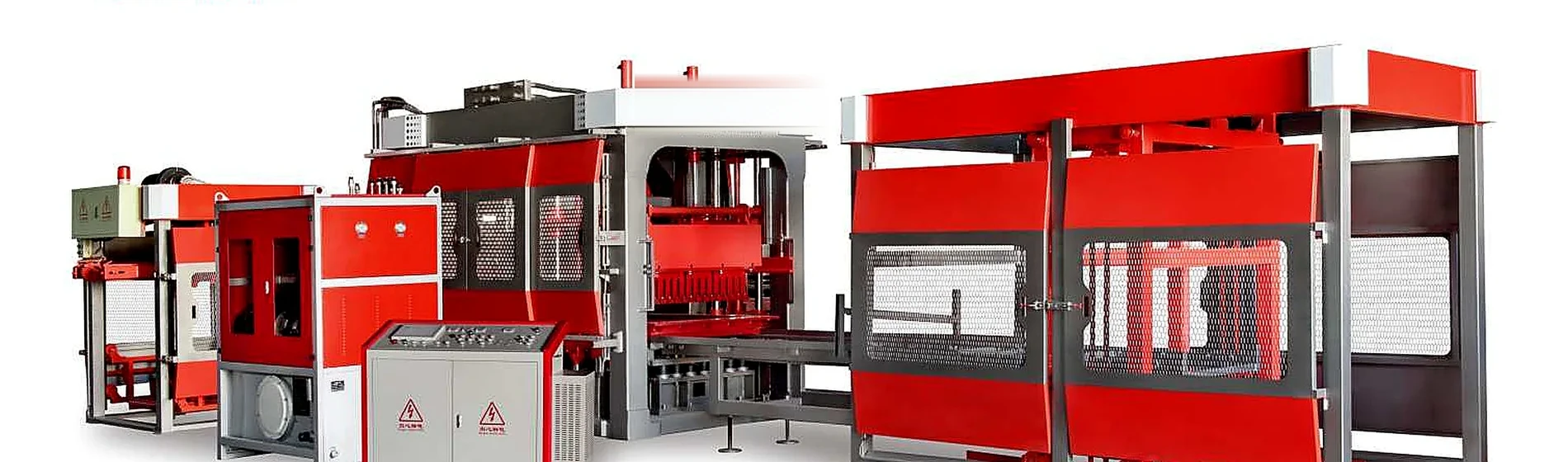
Concrete Block Making Machine
Core machine for hollow blocks, solid blocks, pavers and curbstones.
Automatic Block Making Machine
High-output automatic block machine for industrial production lines.
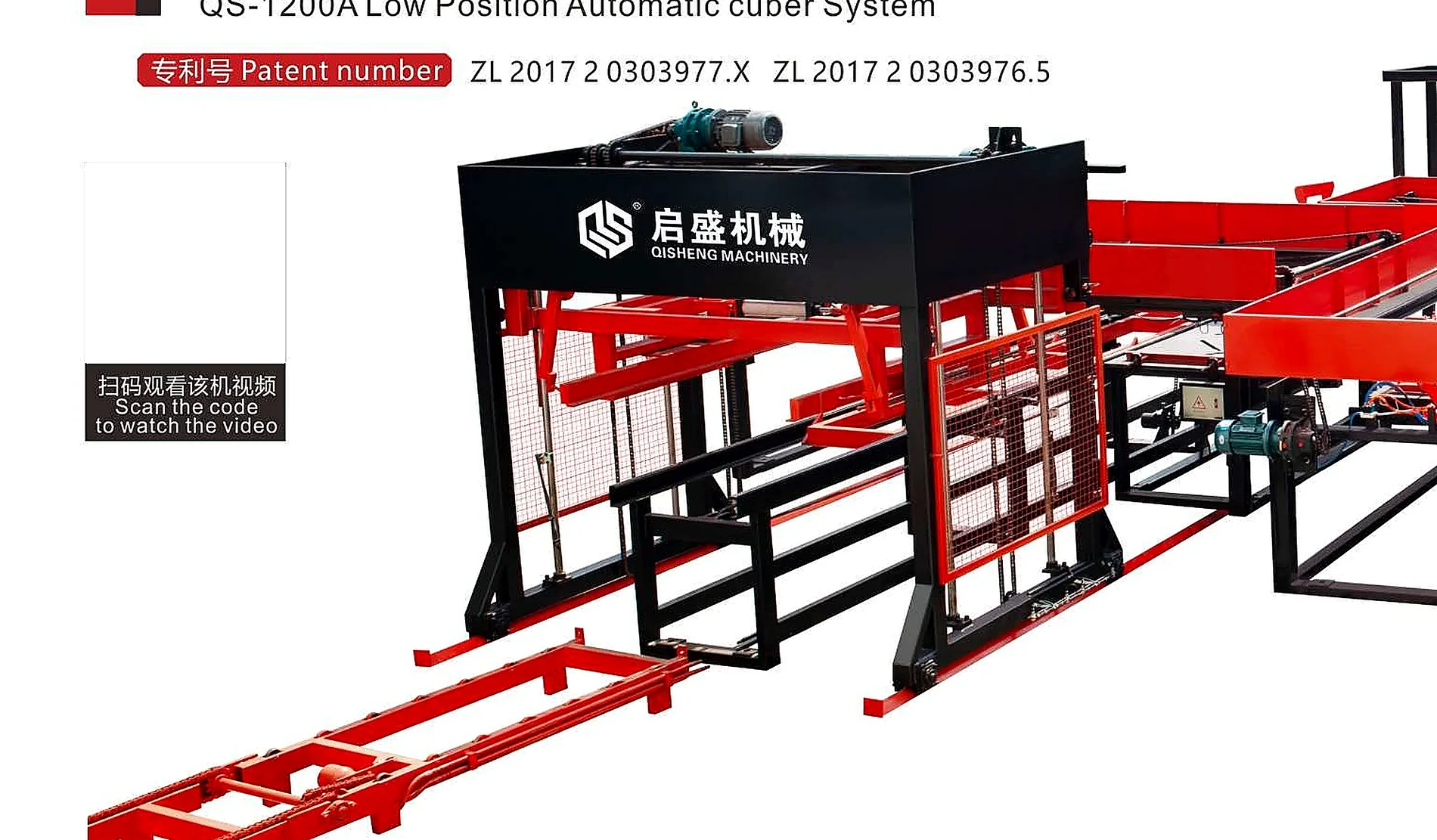
Hydraulic Block Making Machine
Hydraulic forming system for stable density and consistent blocks.
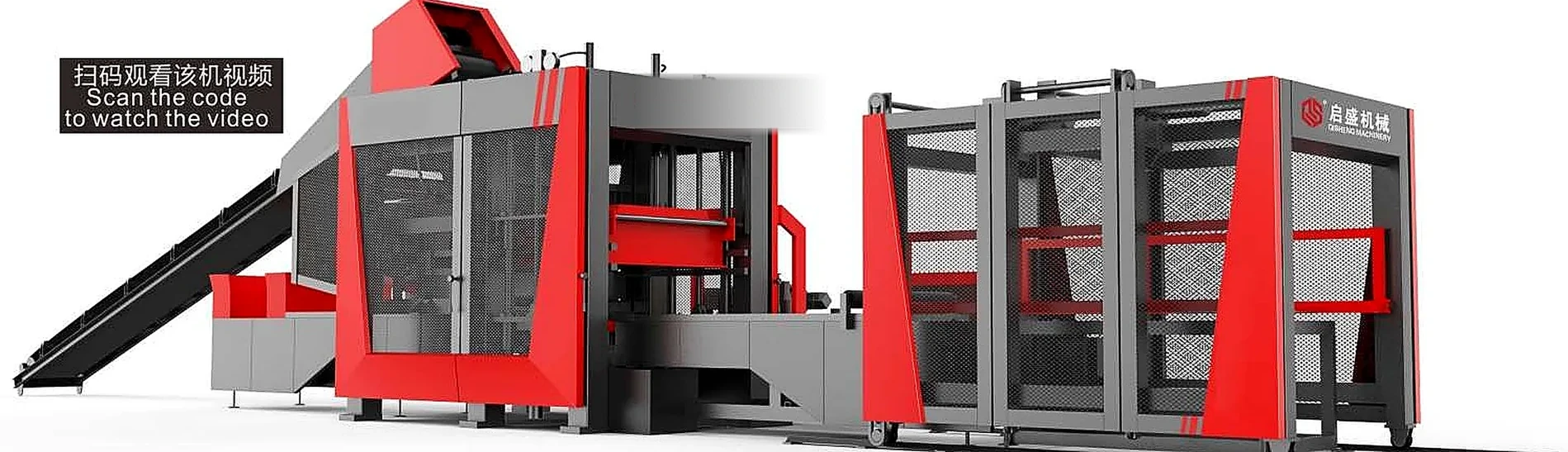
Hollow Block Making Machine
Machine configurations for common hollow concrete block sizes.