SELECTION
How to Choose a Block Making Machine
Most buying mistakes happen in the first hour. Buyers fix the machine first and the product mix second, then discover that the moulds they need do not match the market they sell into. Work the decision in the opposite order and the specification falls out on its own.
Start with the product mix, because it sets the mould platform and the cycle. Hollow blocks, solid bricks, pavers, interlocks and curbstones each need their own mould and their own cycle setting, and a machine that carries one well may waste capacity on another.
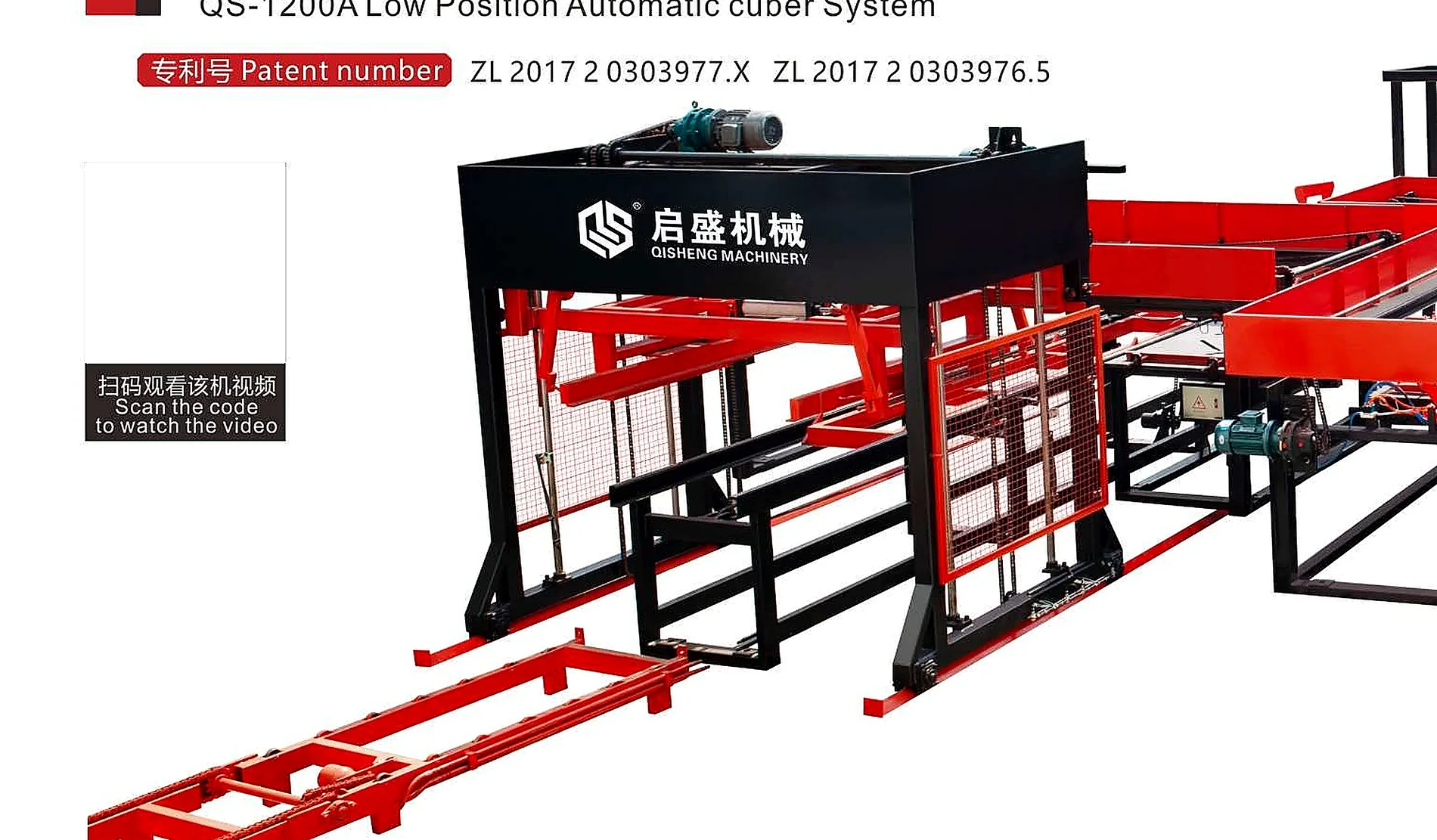
Next, set the daily output target per shift. Capacity is not a single number: it moves with the block size, the mould, the cycle time and how steadily raw material reaches the machine. Then look at the site. Available power, the size of the curing yard and the way you will move pallets often decide more than the press itself.
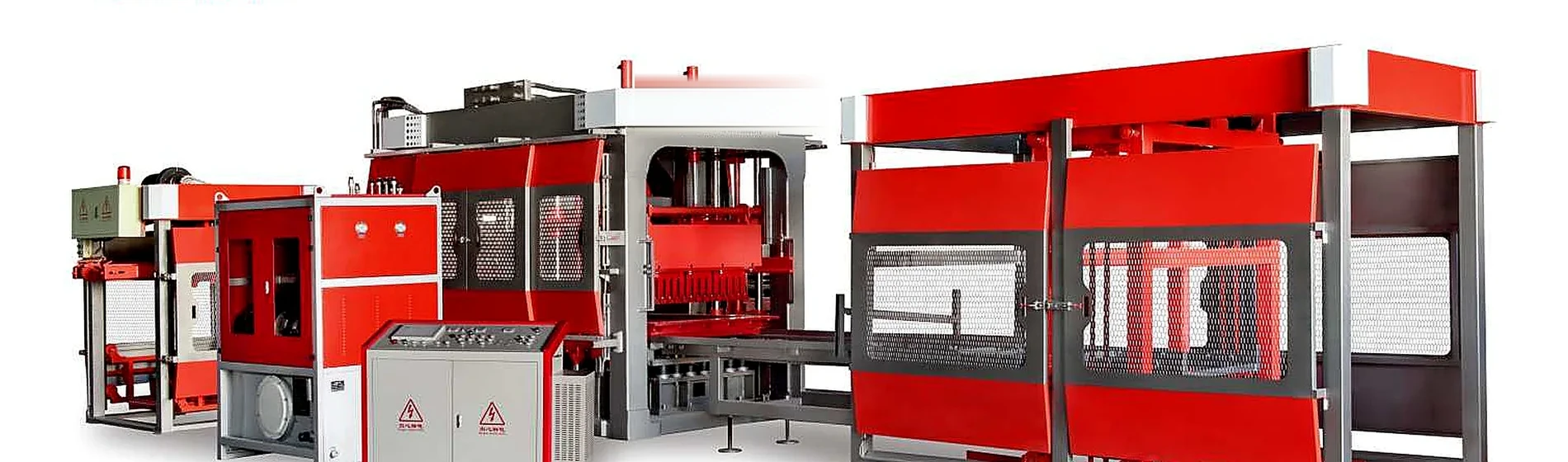
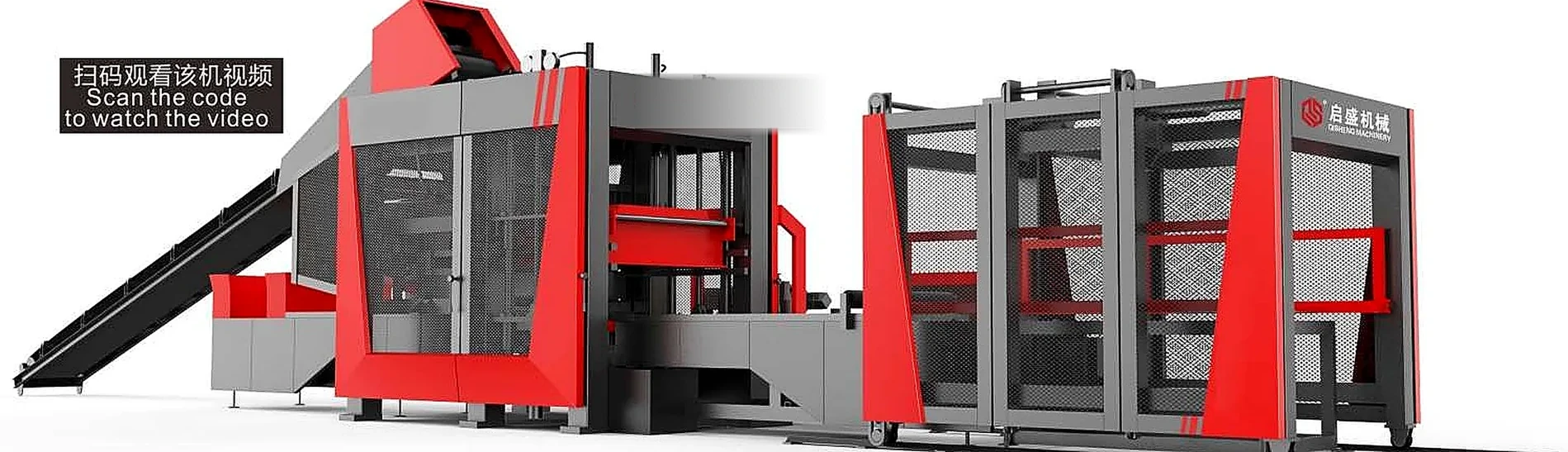
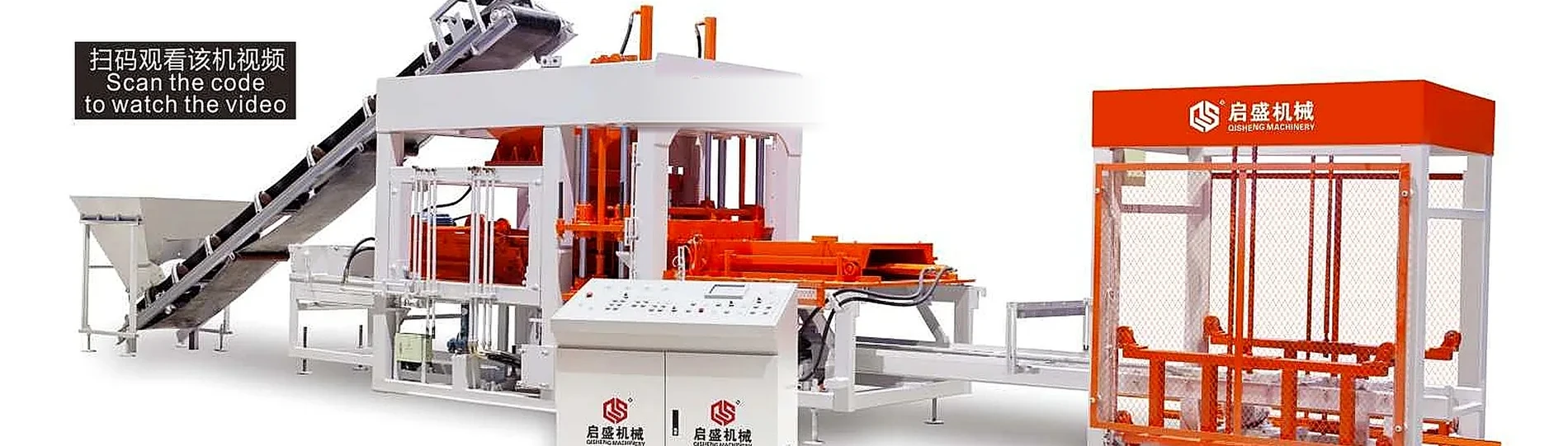
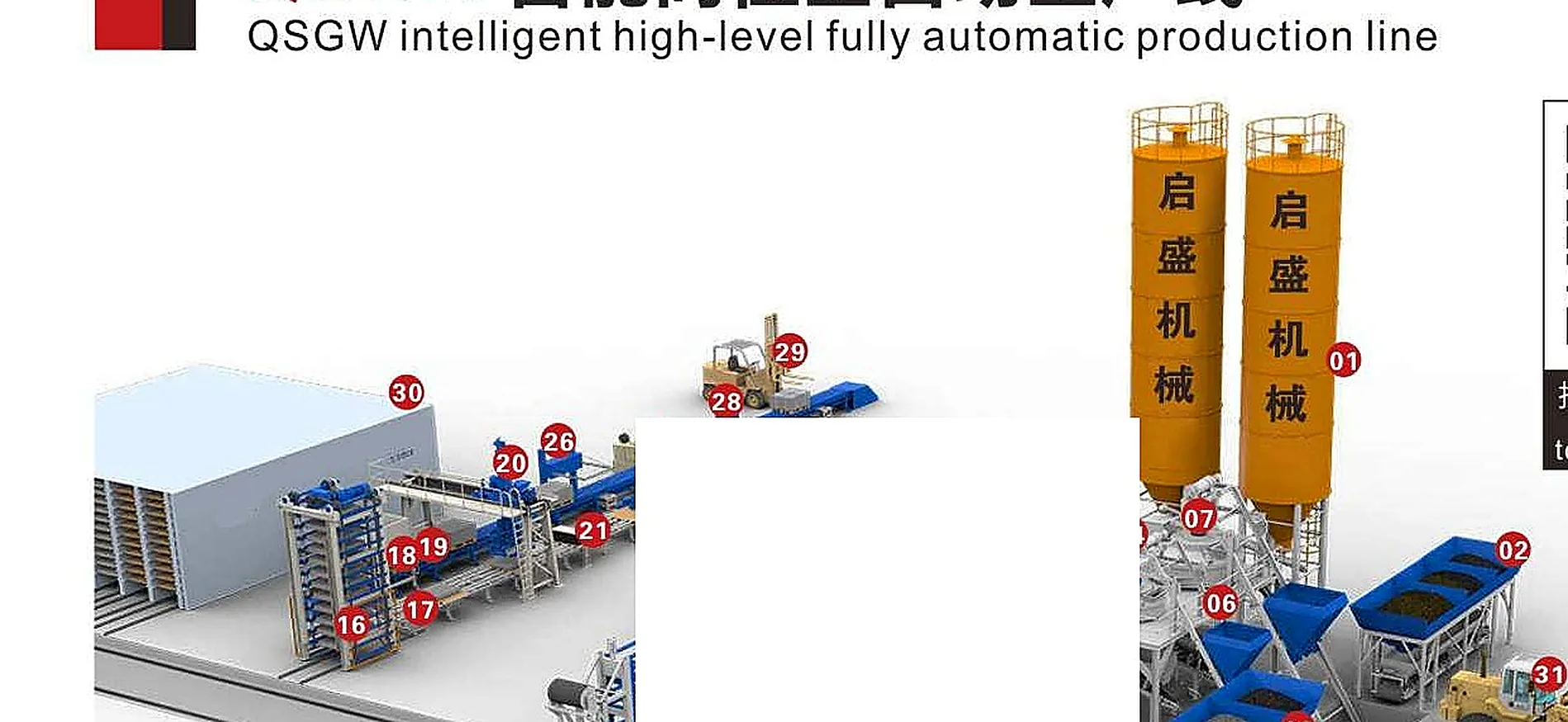
Automation comes last, and it should be matched to the people who will operate the plant. A semi-automatic machine gives the operator more control and needs more hands. A fully automatic machine with PLC control holds a steadier cycle and cuts the number of people on the line, but it asks for a stable power supply and a team that can maintain it.