Block Making Machines for Syria
A practical guide to choosing a block making machine for a Syria project: how to match the machine to your block types and daily output, what drives the price, how power and raw materials are configured, and how installation, training and spare parts are handled.
To choose a block making machine for a Syria project, start from the block types you will sell and the daily output you need, then size the host machine, then the support equipment. A first workshop usually fits the QST8-15 or QST6-15, a mid-size plant the QST1200 or QST1000, and a high-output plant the QST1800 or QST1500. Send your block sizes, daily target and site power and we return a written configuration and price.
Block Making Machine Syria: Matching the Machine to Your Project
Choosing a block making machine Syria project owners can keep running for years comes down to four inputs: the block types you will sell, the daily output you need, the space and power your site can supply, and the automation level your operators can actually run. A workshop casting hollow blocks for local construction needs a different configuration from a plant serving road, kerb and paver demand. Start from the product mix. Size the host machine next. Only then size the support equipment such as the mixer, the batching machine, the curing system and the cubing system. Buyers who fix the machine first and the product second often end up with moulds that do not match the local market, and that is an expensive mistake to undo.
This page explains the decisions that matter for a Syria-based buyer and links to the machines that cover the common cases. It does not replace a quotation. Final capacity, electrical configuration and price depend on the exact mould set, the site and the delivery scope, which is why we confirm every detail before committing to a number.
- Standard solid brick reference: 240 × 115 × 51 mm.
- Typical hollow block reference: 390 × 190 × 190 mm.
- Host machine output across the QST series runs from 90,000 to 220,000 standard bricks per 8-hour shift, depending on model, mould, cycle and material.
- A full production line can be configured from 30,000 to 250,000 pieces per 8-hour shift, depending on the host machine.
- Moulding cycle on the vibration-press machines is about 15 to 25 seconds per mould.
Recommended Block Making Machines for Syria Projects
Three machine sizes cover most Syria enquiries, from a first workshop to a mid-size plant, plus two systems for buyers who want a whole line. Each heading links to the full specification page.
QST8-15 / QST6-15, compact automatic machine
The QST8-15 is the usual starting point for a first plant. Machine size is 9,800 × 3,600 × 2,800 mm, machine weight 14 t, vibration force 95 kN, rated pressure 31.5 MPa and installed capacity 44.9 kW. Output reaches up to 90,000 standard bricks per 8-hour shift. The QST6-15 is smaller again at 9,450 × 3,300 × 2,700 mm and 12 t, with installed capacity 34.4 kW. Both use vibration plus press moulding and a PLC touch screen, so a small team can change products by changing the mould rather than by buying a second machine.
QST1200 / QST1000, mid-size automatic machine
The QST1200 handles hollow block, pavers, kerb stones and interlocking block from one platform. Machine size is 11,500 × 4,550 × 2,800 mm, machine weight 17 t, vibration force 150 kN, rated pressure 31.5 MPa and installed capacity 57.6 kW. Output reaches up to 120,960 standard bricks per 8-hour shift. The QST1000 uses a smaller pallet at 1,100 × 880 × 25 mm and 48.9 kW installed. This size suits a plant that needs to switch products through the season without stopping the yard.
QST1800 / QST1500, large high-output machine
The QST1800 is the largest vibration-press machine in the range. Machine size is 15,500 × 5,500 × 3,200 mm, machine weight 34 t, vibration force 280 kN, rated pressure 31.5 MPa and installed capacity 104 kW, with output up to 220,000 standard bricks per 8-hour shift. The QST1500 runs a 1,350 × 1,150 × 30 mm pallet at 220 kN and 69.1 kW. Both are built for buyers who need volume without adding a second press.
QSMT pallet-free wet cuber system
The QSMT series stacks the wet block online as it leaves the machine and removes the pallet from the process for standard solid bricks and small hollow blocks. The QSMT1000 reaches up to 135,000 bricks (240 × 115 × 50 mm) per 8-hour shift at 57.5 kW, while the QSMT500 runs at 39.5 kW. For a plant where pallet cost and pallet handling dominate the yard, this changes the working economics.
QSGW, QSDJ and QSRGY automatic production lines
When the target is a whole plant rather than one machine, the QSGW high-level line, the QSDJ belt-rack curing line and the QSRGY finger-car curing line wrap batching, mixing, forming, curing, cubing and packing into a single flow. The QSGW line is configured from 30,000 to 250,000 pieces per 8-hour shift. The QSRGY line can run 3 to 4 persons for the whole production task, with automatic fault display so an operator does not need to be a specialist.
The choice between a standalone machine and a line usually comes down to how much of the yard you want to automate. A standalone QST machine with manual curing and a forklift clamp is the leanest way to start, and it can be extended later with an automatic cuber and a curing system as demand grows. A full line front-loads the investment but cuts labour per shift and stabilises curing, which matters when you supply a builder who needs the same block quality every week. Neither route is wrong. The right answer depends on your order book and how quickly you expect it to grow.
What Drives the Price of a Block Making Machine in Syria
A serious quotation never opens with a single figure, because the cost of a block making machine depends on the configuration behind it. Two buyers asking for a block machine can receive very different numbers and both can be right. The table below lists the factors that move the price, so you can see where your budget goes before you compare suppliers. For a fuller breakdown, read the block making machine price guide.
| Cost factor | Why it moves the price |
|---|---|
| Host machine model | A larger frame, higher vibration force and higher installed power cost more. The QST8-15 at 14 t and 44.9 kW sits well below the QST1800 at 34 t and 104 kW. |
| Mould set | One mould produces one product type. Hollow block, solid brick, paver and kerb moulds differ, and every extra mould adds to the quotation. |
| Automation level | Manual stacking compared with an automatic cuber, automatic pallet feeding, strapping and wrapping changes the equipment list and the labour count. |
| Support equipment | The mixer, batching machine, curing system, forklift clamp and packing machines are priced as separate items, not included in the machine headline. |
| Capacity and line scope | A standalone press and a turnkey line are different projects with different engineering. |
| Shipping and destination | Total volume, total weight and the agreed delivery scope affect the landed cost. |
Because these factors compound, the honest way to price a project is to fix the product mix and the daily target first, then quote the machine, the moulds and the support equipment together. That is the approach we take for every Syria enquiry, and it is why we ask for the same set of inputs each time. A supplier who quotes a single number without asking about your blocks, your power and your yard is guessing, and the extra cost usually appears later as a missing mould, an undersized feeder or a machine that cannot hold the cycle on your material.
Block Types and Daily Capacity to Plan For
Capacity claims only make sense with conditions attached. Real output changes with the mould, the cycle time, the shift length and the stability of the raw material feed. The references below are the product sizes and the machine outputs that the specifications support. Treat them as planning figures and confirm the final number against your own mould and material.
| Product | Reference size | Note |
|---|---|---|
| Standard solid brick | 240 × 115 × 51 mm | Common planning baseline. |
| Hollow block | 390 × 190 × 190 mm | Wall block for general construction. |
| Holland brick | 200 × 100 × 60 mm | Paver profile. |
| Square block | 250 × 250 × 60 mm | Paver and paving profile. |
| Small block | 170 × 80 × 80 mm | Light block work. |
| Machine | Installed capacity | Reference output |
|---|---|---|
| QST8-15 | 44.9 kW | Up to 90,000 standard bricks / 8-hour shift |
| QST1200 | 57.6 kW | Up to 120,960 standard bricks / 8-hour shift |
| QST1800 | 104 kW | Up to 220,000 standard bricks / 8-hour shift |
| QSMT1000 | 57.5 kW | Up to 135,000 bricks (240 × 115 × 50 mm) / 8-hour shift |
A single mould normally produces one product at a fixed count per cycle, so a plant that wants both hollow block and pavers carries at least two moulds and plans changeover time into the schedule. If your daily target is close to the top of a machine range, move up a size rather than running the machine flat out for every shift.
Power Supply and Voltage: What We Need From You
We never assume a grid standard for a Syria site. Send your site voltage, frequency (50 or 60 Hz) and number of phases, and we configure the electrical package to match. If you plan to run a generator, a mixed supply or a shared feed with other equipment, tell us that too, because it changes the drive and control package. The figures below are the installed capacity of the machine itself, not the site supply, and they are the load you should size your supply and cabling against.
- QST8-15: 44.9 kW installed. QST6-15: 34.4 kW.
- QST1200: 57.6 kW. QST1000: 48.9 kW.
- QST1800: 104 kW. QST1500: 69.1 kW.
- Hydraulic brick presses, QS600 to QS1500 series: 46.9 kW to 88.4 kW.
- Double-direction hydraulic presses, QS800 to QS1500: 70 kW to 108.2 kW.
- Pallet-free QSMT1000: 57.5 kW. QSMT500: 39.5 kW.
Curing-line transfer cars can run from track power or from a 36 V lithium battery with a charging pile, which matters where you want to avoid long cable runs across the yard. Packing equipment such as the QSSX-16A strapping baler and the QSPY-16A baler typically runs on a three-phase supply. Tell us your supply first and the electrical package is designed around it, not around an assumption.
Raw Materials for Concrete Blocks in Syria
The machines in this range are built to run on cement, sand, gravel and crushed stone powder as the base mix, with construction waste, slag, fly ash and gangue usable as replacement or filler where your local supply supports it. Two material issues decide whether you hit the rated cycle. The first is grading: an aggregate that is too coarse or too fine changes the fill and the compaction, so the mix needs testing before you commit to a block design. The second is moisture: wet sand and gravel slow the discharge and can change the block surface, so a covered or drained stockpile pays for itself in consistency.
Block strength and surface finish depend on the mix design and the compaction, not on the machine alone. If you send us the aggregates you can actually buy and the block you want to sell, we propose a starting mix ratio and a mould shape that works with both. This is the point where a supplier who asks questions beats a supplier who only sells a model number.
Shipping and Delivery Considerations for Syria Orders
Heavy machines change how a project ships. A QST1800 weighs 34 t and measures 15,500 × 5,500 × 3,200 mm, so it does not travel like a pallet of small parts. Smaller machines such as the QST8-15 at 14 t are easier to move but still need proper lifting and loading. The support equipment, conveyors and curing racks are separate loads again. The right way to plan is to group the shipment around the site layout so that assembly follows the delivery sequence.
We ask for your destination and your preferred delivery terms, then confirm the shipping scope in the written quotation. We do not quote clearance times or local charges from a distance, because those depend on the port, the forwarder and the paperwork, and we will not invent them. What we do commit to is a packing list, a loading plan and shipping documentation that match the equipment we actually supply, so the goods arrive with the right papers and the right parts list.
Installation, Training and Spare Parts
Installation, commissioning, operator training and spare parts are part of the project scope, not an afterthought. The machines are delivered with layout drawings and electrical schematics, and remote support covers the first production runs. A QSRGY curing line can be operated by 3 to 4 persons, and its control system handles automatic stop, alarm and fault-position display. The QSGW line needs 3 to 6 persons per shift depending on configuration. Neither figure requires a specialist engineer on the payroll, which matters for a first-time operator.
Spare parts and moulds are consumables over the life of the plant. We recommend a small critical-parts kit with the first order so a stoppage does not wait on a long shipment, and we keep records of the exact mould and part set you received so reorders match the machine. If you expand later, the same parts platform carries across the QST series, which keeps your inventory simple.
How to Request a Block Making Machine Quotation for Syria
To get a usable quotation rather than a catalogue number, send us the following inputs. With them we return a recommended configuration and a written quotation, and we will tell you honestly if a smaller or larger machine fits better.
- The block types and exact sizes you want to produce, with the product you expect to sell most.
- Your daily output target, and whether you plan one shift or two.
- Your available site power, voltage and frequency.
- The usable site area, so we can size the yard and the curing space.
- Your automation preference: manual stacking, automatic cuber, or a full line.
- Your destination and preferred delivery terms.
If you are planning a full plant rather than a single machine, the complete concrete block factory solution sets out the full equipment list, factory requirements and manpower in one place. Ready to start? Open the RFQ form and send your project details. For pricing background first, the price guide explains how a quote is built. If you want to see the core machine range before you choose, start with the concrete block making machine page.
Syria RFQ: send your block size, daily output and site power, and we return a configuration you can compare.
Frequently Asked Questions
How much does a block making machine cost in Syria?
What factors affect the price of a block machine for a Syria plant?
Where can I find a block making machine for sale for a Syria project?
How long does shipping to Syria take?
How is a heavy block machine packed and shipped?
Do you provide installation and training in Syria?
Who supplies spare parts and moulds after delivery?
How much capacity do I need for a Syria block plant?
What block types and sizes can the machines produce?
What raw materials do the machines run on?
What voltage and power does the machine need?
What information do you need for a Syria quotation?
Related machines
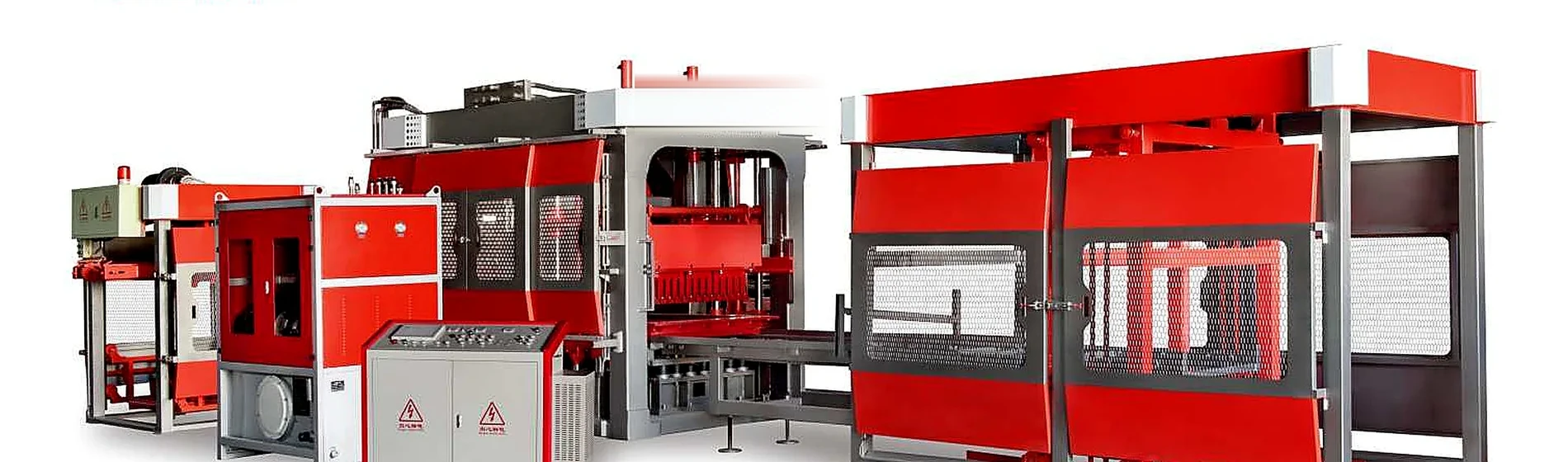
Concrete Block Making Machine
Core machine for hollow blocks, solid blocks, pavers and curbstones.
Automatic Block Making Machine
High-output automatic block machine for industrial production lines.
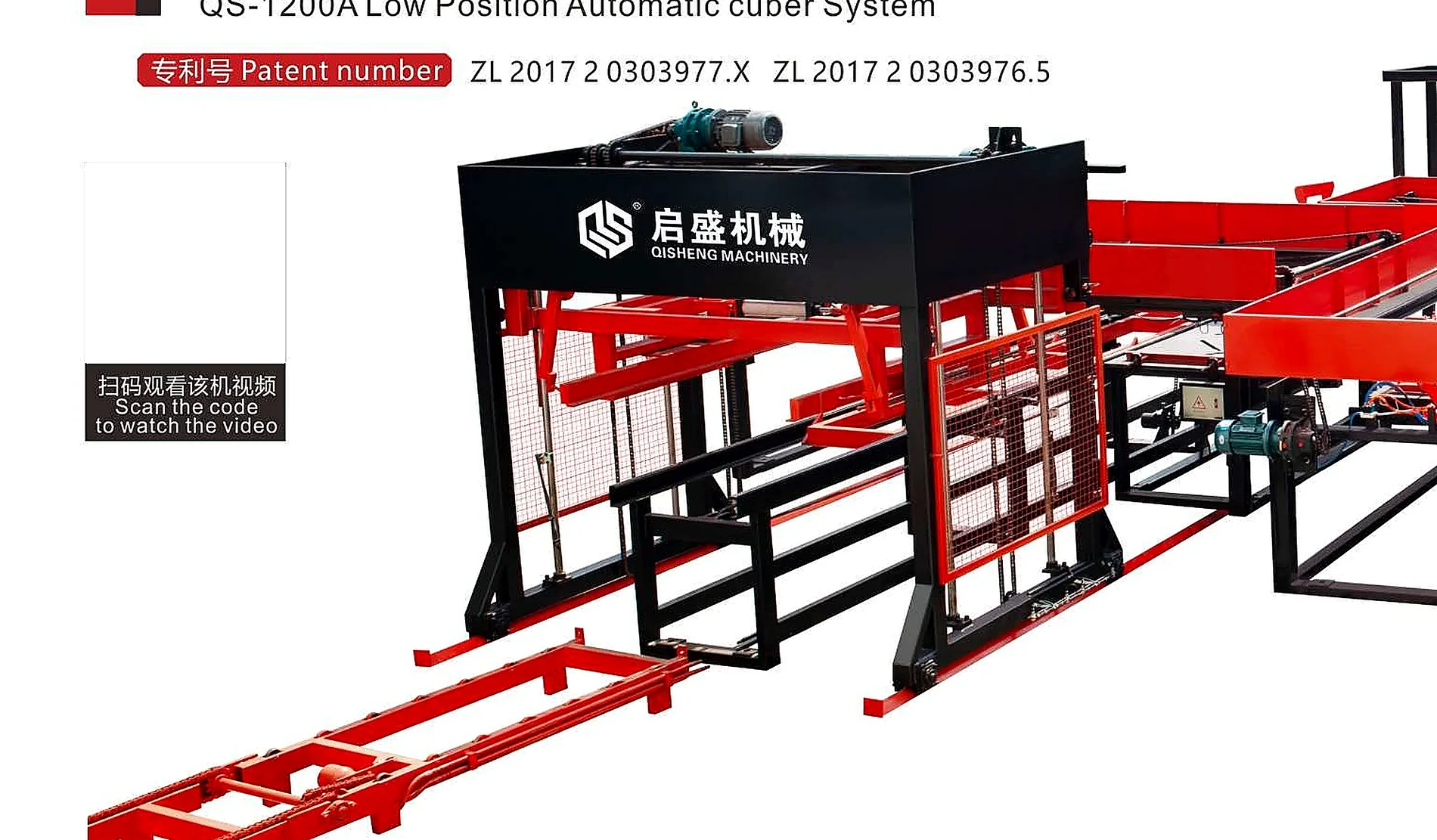
Hydraulic Block Making Machine
Hydraulic forming system for stable density and consistent blocks.
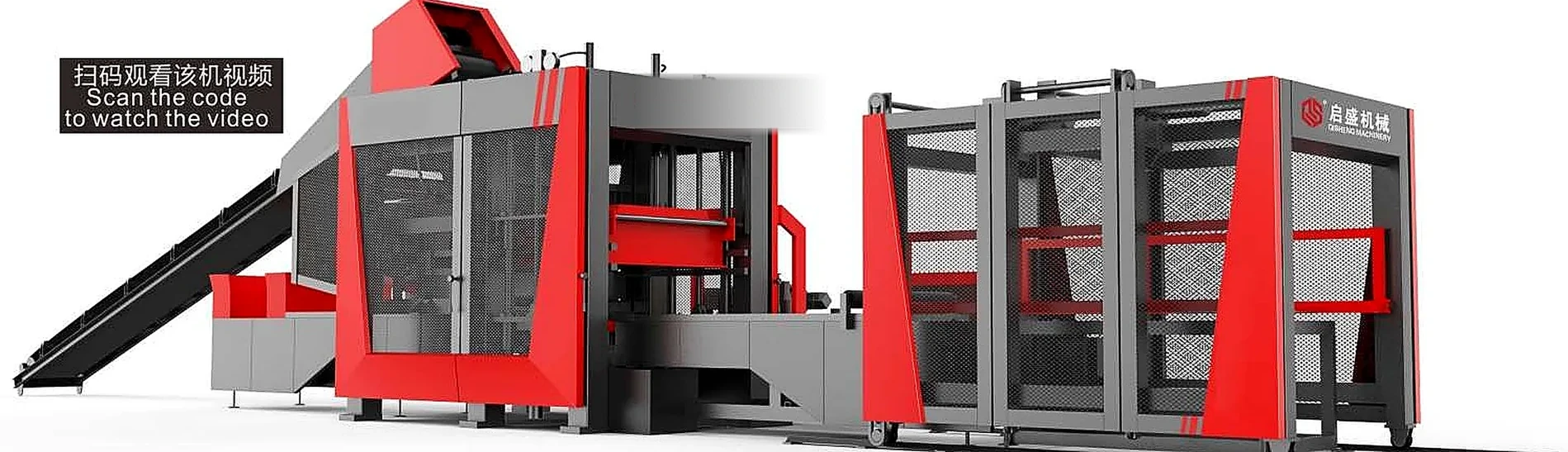
Hollow Block Making Machine
Machine configurations for common hollow concrete block sizes.