Block Making Machines for Saudi Arabia
Block making machines for Saudi Arabia: how to size a project-scale plant to your output, match moulds to pavers, kerb stones and hollow blocks, control curing in extreme heat, and plan power, shipping, spare parts and a full export quotation.
For Saudi Arabia, choose a block making machine by output band and curing method first. A commercial factory that sells to contractors fits the QST1200 or QST1000, which covers pavers, kerb stones and hollow blocks on one machine. A project-scale plant feeding housing or infrastructure fits the QST1500 or QST1800, often with the QSGW high-level curing line configured from 30,000 to 250,000 pieces per 8-hour shift. Density-critical pavers and kerb stones are better made on a QS1000 or QS1500 hydraulic press. The curing plan decides quality here more than in most markets.
Block Making Machine Saudi Arabia: How to Choose the Right Configuration
A block making machine Saudi Arabia plants order is usually built for one of two jobs: a large plant feeding housing and infrastructure projects, or a commercial factory that supplies pavers, kerb stones and blocks to more than one site. Both need high output per shift, and both work in some of the hottest, driest conditions the equipment will ever meet. Choose the output band first, then the product mix, then the curing method. In Saudi Arabia the curing decision carries more weight than in most markets, because the climate will dry a fresh block faster than the mixer can wet it.
Saudi buyers generally fall into two groups.
- A project-scale plant feeding a housing programme, an industrial city or an infrastructure package. It needs high output across a long shift, automatic curing and cubing, and steady truck loading.
- A commercial block and paver factory selling to contractors. It needs two or three products on one host machine plus a paver line, and it needs quality to stay constant batch to batch.
Key facts for Saudi Arabia buyers
- The QST1800 reaches up to 220,000 standard bricks per 8-hour shift, with 104 kW installed and 34 t machine weight.
- The QSGW high-level automatic line is configured from 30,000 to 250,000 pieces per 8-hour shift and runs with 3 to 6 persons.
- The QSMT1000 pallet-free wet-block cuber reaches up to 135,000 bricks (240 x 115 x 50 mm) per 8-hour shift and removes pallets from the process.
- Cycle time on the QST series runs 15 to 25 seconds per pallet, depending on machine and product.
- Output figures assume the stated mould, a stable cycle and a full shift. Your own numbers depend on your mix and product.
Recommended block making machines for Saudi Arabia
- QST1800 / QST1500 for project-scale output. Up to 220,000 standard bricks per shift, a 280 kN vibration force and 31.5 MPa rated pressure on the QST1800, 104 kW installed. See the concrete block making machine range.
- QST1200 / QST1000 for a commercial factory. Up to 120,960 standard bricks per shift, 150 kN vibration force, 57.6 kW, and one machine covers pavers, kerb stones and hollow blocks. See the paver block making machine page.
- QSGW high-level line for a plant that wants a closed loop from batching to packing. Configured from 30,000 to 250,000 pieces per shift, with layered curing, an automatic cuber and automatic packing. Start at the concrete block production line page.
- QS1000 / QS1500 hydraulic presses for high-density pavers and kerb stones where the market wants sharply edged units. They press without pallets, at 31.5 MPa and an 18 to 22 second cycle.
For a plant built from the ground up, the complete concrete block factory plan covers batching, moulding, curing, cubing and packing in one sequence.
What affects block machine price in Saudi Arabia
Price follows the configuration you order, not the country you order from. The items that move the number are the host machine model, the number and size of moulds, the level of automation, the pallet count and the auxiliary machines such as the mixer, batching machine, cuber, baler and forklift clamp. A project-scale line with automatic curing and packing is a different order from a single QST1200 with one mould. Read the block making machine price guide for the item-by-item breakdown, then send your output target so the offer is built on your numbers rather than a generic figure.
Block types and capacity for Saudi Arabia
| Product | Typical use | What it needs from the machine |
|---|---|---|
| Interlocking and Holland pavers 200 x 100 x 60 mm | Roads, driveways, industrial yards and landscaping | A paver mould, dense mix and a hydraulic press for the densest units |
| Kerb stone and shaped units | Roads and infrastructure packages | 31.5 MPa pressing and a curing area that protects the edges |
| Hollow block | Walls for housing, commercial and industrial buildings | High vibration force and the block height the project specifies |
| Solid brick 240 x 115 x 51 mm | Masonry and general construction | Steady cycle and constant mix moisture |
Where a project orders pavers by the truckload, the limit is often curing and cubing, not the moulding cycle. Size the line for the packed, cured output you can ship, and let the host machine match it.
Curing in Saudi Arabia's climate
Summer conditions in much of the country are extremely hot and dry. Fresh blocks can shed surface water within minutes, and a stack left in direct sun will crack long before it gains strength. Plan the curing stage before you choose the machine.
- Cure under cover or in a high-level curing kiln. The QSGW line includes a layered 3D curing kiln, which is the most controlled option at high output.
- Spray or mist fresh stacks in the first days, whatever curing method you use.
- Consider running production in the cooler hours so the mix does not stiffen before it reaches the mould.
- Keep dust off the aggregate and off fresh block faces, because dust weakens the surface.
Power supply and installed capacity
The QST machines run on three-phase electric motors and hydraulic power packs. Installed capacity is 57.6 kW on the QST1200 and 104 kW on the QST1800, before the mixer, batching machine and conveyors are added. A QSGW line adds curing, cubing and packing loads on top. Send your site voltage, phase and frequency before the order is confirmed so the motors and control panel match your supply. Large plants usually plan the supply around the full line rather than the host machine alone, and we provide the connected load list for that purpose.
Raw materials and mix design
The machines handle cement, sand, gravel and crushed stone, and also construction waste, slag, fly ash and gangue as part of the aggregate. In Saudi Arabia the aggregate is often crushed stone with a hard, angular grain. That grain gives strong blocks, but it also means the mix needs the right moisture and enough fines to fill the voids, or the faces will be rough and the edges fragile. Keep the water-to-cement ratio steady and check grading before you set the production cycle.
Shipping and delivery to Saudi Arabia
Machines ship from China in sea containers, and the larger units travel break-bulk or on flat racks. A QST1800 weighs 34 t, and a full line ships as many loads, so the delivery plan is part of the order. We prepare the packing list, machine documentation and shipping marks and work with your forwarder or ours. Customs rules and import duties are set on your side, so confirm them with your importer before you fix dates. Tell us the port you import through and your site access conditions, and we pack to suit them.
Installation, training and spare parts
Our engineers attend installation and commissioning of the host machine and the line, with your team. Training covers mould change, cycle and pressure setting, curing control, hydraulic and electrical maintenance and daily safety checks. The wear parts are the mould, the pallet and the hydraulic seals. On a full line, plan a spare parts package at the same time as the line, so a stopped curing or cubing system does not stop the plant. Ask for the recommended spare parts list for your configuration with the quotation.
How to request a Saudi Arabia quotation
Send five things for a useful price: the products you will sell, your target output per 8-hour shift, your site voltage and phase, the ground area you can use, and the port you import through. We return a configuration, a machine list, a layout and a quotation under the Saudi Quote reference. If you already own a host machine and only need curing, cubing or packing, the QSDJ and QSRGY lines connect to machines from any maker. Start at the request a quotation page. Ask for Saudi Quote in your message so your file goes straight to the export desk.
Frequently Asked Questions
How much does a block making machine cost in Saudi Arabia?
Which machine suits a large plant in Saudi Arabia?
How do I cure blocks in Saudi Arabia's summer?
What output can I expect per shift?
What does a block making machine Saudi Arabia quotation include?
Do the machines run on diesel or electric power?
How many workers does a high-level line need?
How do I compare block machine suppliers from China?
Related machines
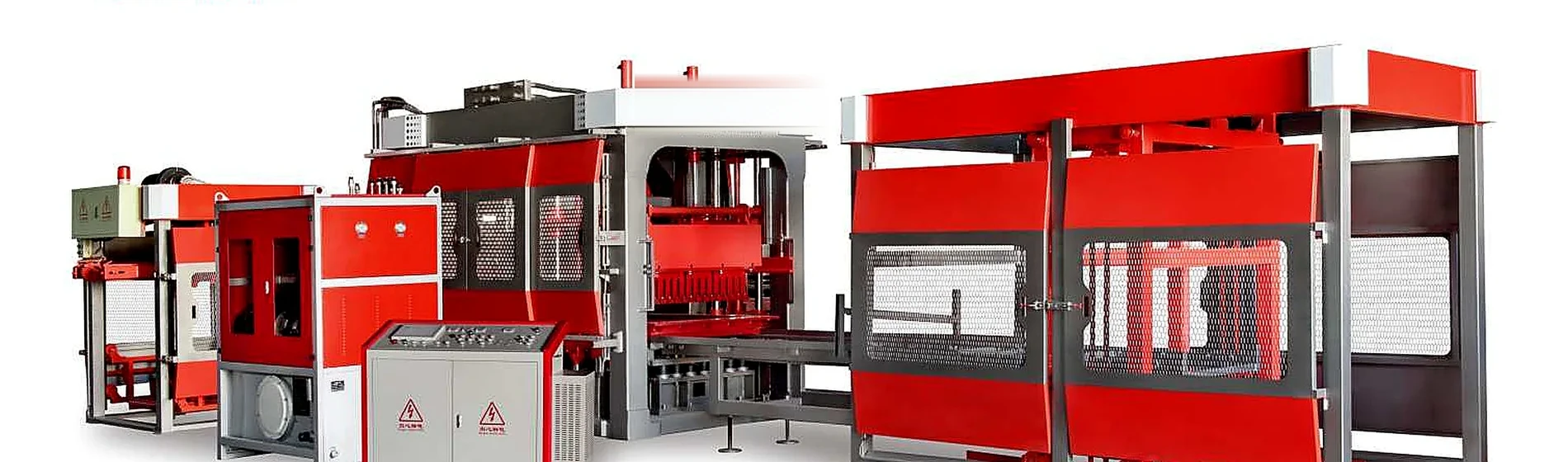
Concrete Block Making Machine
Core machine for hollow blocks, solid blocks, pavers and curbstones.
Automatic Block Making Machine
High-output automatic block machine for industrial production lines.
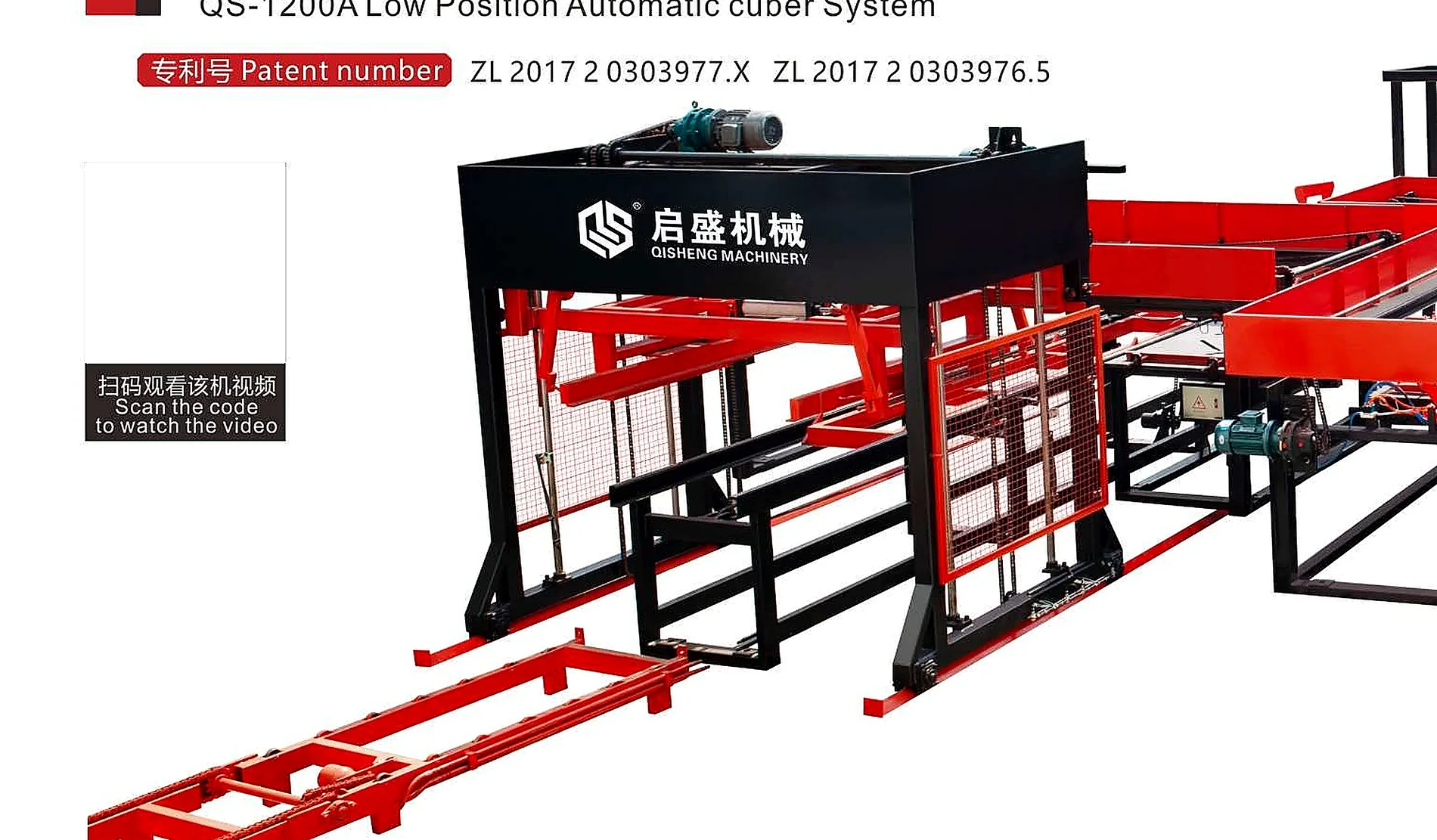
Hydraulic Block Making Machine
Hydraulic forming system for stable density and consistent blocks.
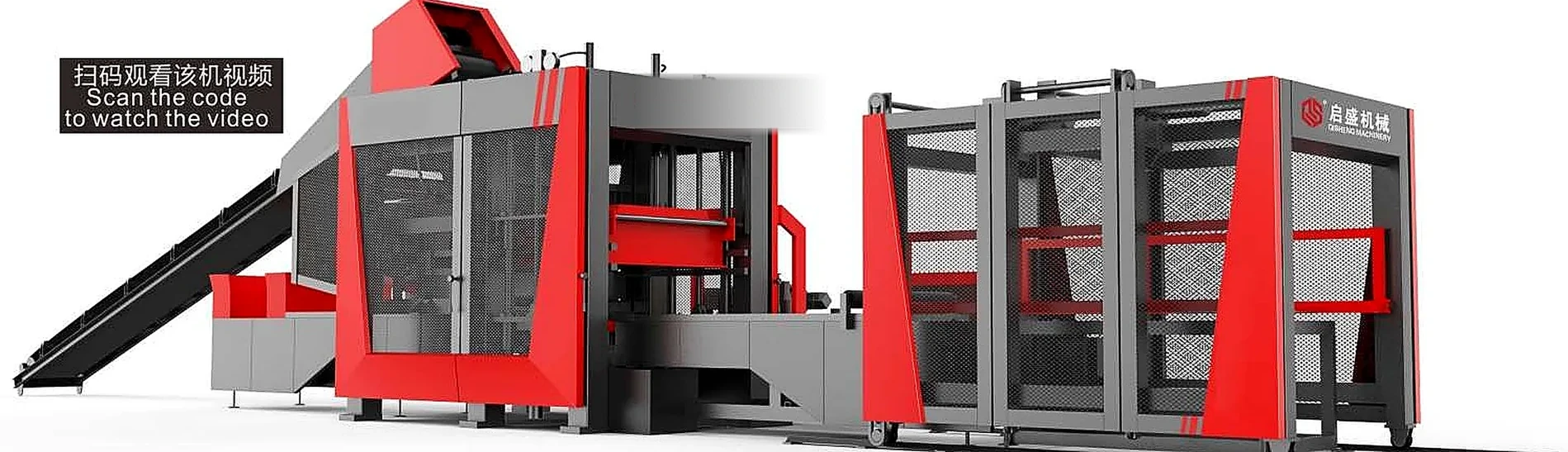
Hollow Block Making Machine
Machine configurations for common hollow concrete block sizes.