Block Making Machine Price
A block making machine price is calculated from the moulding host, the moulds, the auxiliary equipment, the automation level and the freight, not taken from a fixed list. This guide shows the factors that move the figure, the machine families behind it, and the checklist to send before you ask for an exact factory price.
A block making machine price is not a fixed list figure. It is the total of the moulding host, the moulds for your block types, the batching and mixing equipment, the pallet handling or cuber system, and the packing and freight of the set. Two buyers asking for the same model can sit in different price bands, because automation level and daily output change what is built. Send your block sizes, mould count and output target, and the price is calculated against that configuration rather than a headline number.
Block Making Machine Price: Quick Answer
A block making machine price is quoted against a configuration, not sold from a fixed list. The figure you receive is built from six parts: the moulding host, the moulds for your block types, batching and mixing equipment, pallet handling or a cuber and packing system, and the packing and freight of the complete set. Two buyers who ask for the same model can sit in different price bands, because automation level and daily output change what is actually built. Give your block sizes, mould quantity and target output per shift, and the quotation is calculated on that build, not on a headline figure taken from a catalogue.
Key facts about a block making machine price
- The moulding host is the largest single line in most quotations.
- Every extra block type normally means an extra mould, quoted as a separate item.
- Automation level moves the price more than machine size alone.
- Installed power of the host sets the transformer, generator and cable cost.
- Freight is charged by volume and weight, so pallet size affects shipping.
- Installation and operator training are separate service lines, not part of the machine.
What Affects a Block Making Machine Price
Price factors split into machine factors and project factors. Machine factors travel with the equipment and are stated in the quotation. Project factors sit on your site and are normally handled locally. Keep the two apart when you compare offers, otherwise a low equipment figure can hide a high site bill.
| Factor | What it changes | Where it is charged |
|---|---|---|
| Machine type | Vibration-press host, hydraulic press, or pallet-free wet cuber | Equipment quotation |
| Automation level | Manual, semi-automatic or fully automatic control and stacking | Equipment quotation |
| Moulding area and pallet size | Blocks per cycle and the size of the machine frame | Equipment quotation |
| Moulds | One mould per block type, size and face pattern | Equipment quotation |
| Auxiliary equipment | Batching, mixer, pallet feeder, cuber, wrapper, baler | Equipment quotation |
| Packing and freight | Volume, weight, loading plan, destination port | Shipping quotation |
| Foundation and power | Concrete work, transformer, incoming cable | Local contractor |
| Installation and training | Engineers on site, number of days, visas and travel | Service line |
| Raw material supply | Cement, sand and aggregate sourcing | Local purchase |
How Machine Type Changes the Price Band
The machine family you choose sets the floor of the band before any options are added. A compact automatic machine and a large automatic machine hold the same control concept and sit far apart in price, because steel weight, motor power and moulding area all increase. The table below lists the real machine families and their working data.
| Machine family | Type | Cycle time | Output reference | Installed power |
|---|---|---|---|---|
| QST8-15 / QST6-15 | Vibration-press, compact fully automatic | 15–23 s | Up to 90,000 standard bricks per 8-hour shift (QST8-15) | 44.9 kW / 34.4 kW |
| QST1200 / QST1000 | Vibration-press, mid-size fully automatic | 15–25 s | Up to 120,960 standard bricks per 8-hour shift (QST1200) | 57.6 kW / 48.9 kW |
| QST1800 / QST1500 | Vibration-press, large fully automatic | 15–25 s | Up to 220,000 standard bricks per 8-hour shift (QST1800) | 104 kW / 69.1 kW |
| QS800 / QS1000 / QS1500 | Double-direction hydraulic press | 18–22 s | 5 / 10 / 12 hollow blocks (390 × 190 × 190 mm) per mould | 70 / 105.4 / 108.2 kW |
| QSMT500 / QSMT1000 | Pallet-free wet cuber machine | 13–18 s | Up to 135,000 bricks per 8-hour shift (QSMT1000) | 39.5 kW / 57.5 kW |
Read the output column with care. Those figures assume a stable mix, one block type, a matched mould and a clean cycle. Change the block height or run a face-mix paver and the same machine returns fewer pieces. On a concrete block making machine the practical daily output is a range, not a fixed number.
Automation Level and the Price Step It Adds
Automation is the single largest lever after machine size. It is also the factor buyers misread most often, because two machines with the same output can be quoted with very different levels of automatic control.
| Level | What the operator does | Typical line content |
|---|---|---|
| Manual / single machine | Feeds materials, removes pallets and stacks by hand or by forklift | Moulding host plus mould |
| Semi-automatic | Supervises the host; pallet feeding and stacking still manual | Host, automatic pallet feeding |
| Fully automatic machine | Monitors the cycle; the host runs and stacks on its own cycle | Host, PLC control, automatic stacker, pallet feeder |
| Fully automatic plant | Watches the control room; batching, curing, cubing and packing run as a chain | Batching, mixing, host, transfer, curing, cuber, packing |
When you price a plant, the automation step should be measured in one question: how many people stand on the line per shift. The QSGW intelligent high-level line runs the full chain with 3 to 6 persons per shift, and the QSRGY finger-car curing line completes the whole task with 3 to 4 persons. Fewer people per shift is what the automation budget buys. If your labour is cheap and your volume is small, a semi-automatic machine can be the better commercial choice even though the automatic plant looks better on paper.
Capacity and Output: What Drives the Machine Size You Pay For
Capacity is not a free choice. It is fixed by the block height, the mould layout, the cycle time and the number of shifts you intend to run. The same host gives very different numbers for a 240 × 115 × 51 mm solid brick and a 390 × 190 × 190 mm hollow block.
| Target market | Suggested host band | Cycle reference | Installed power |
|---|---|---|---|
| Small yard, one or two block types | QST6-15 | 15–23 s | 34.4 kW |
| Growing factory, mixed production | QST8-15 | 15–23 s | 44.9 kW |
| Commercial supply, pavers and blocks | QST1200 / QST1000 | 15–25 s | 57.6 kW / 48.9 kW |
| High volume plant | QST1800 / QST1500 | 15–25 s | 104 kW / 69.1 kW |
Numbers alone do not set the price. A buyer who wants 200,000 bricks per shift from one small machine needs more shifts or more machines, and both change the total. State your required output per day and per block type, and the recommended host follows from the calculation.
Moulds and Block Types Add to the Quotation
One machine serves many products. That is the point of the vibration-press design, and it is also why the mould list matters as much as the machine model. Every product shape needs its own mould, and each mould is quoted on its own.
- Standard solid brick and hollow block shapes are the usual first moulds.
- Interlocking and lawn pavers, kerb stones and slope-protection bricks each need a dedicated mould.
- Face-mix and imitation-stone products need a second material layer and a matched mould set.
- Changing a block height inside the same family often needs a new mould, not just a setting.
Buyers who name three future products in the first enquiry get an honest price for the full mould package. Buyers who name one product and add moulds later pay a second freight and a second customs process. List every shape you plan to sell within two years before the quotation is issued.
Auxiliary Equipment and Where It Sits in the Budget
A moulding host alone is not a factory. It needs material in front of it and product behind it. These items are commonly quoted together with the machine, and each can also be sourced later.
| Auxiliary item | Real model | Working data |
|---|---|---|
| Automatic pallet feeding | QS-1200 | 3 kW, feeding cycle about 13 s |
| Concrete batching | PL series | Fast and slow dosing, three-point induction weighing |
| Planetary mixing | CMP | Vertical shaft planetary action, for high-end cement products |
| Cubing / stacking | QS-1200A / QS-1200B / QS-1000G series | 15–18 s per layer, about 3,800 pallets per shift (QS-1200A) |
| Mobile stacking | QS-1000Y | 15 kW, up to 20 layers of solid brick, about 1,300 pallets per day |
| Stretch wrapping | QS cantilever wrapper | Pack heights 680–1,150 mm, load up to 2,000 kg |
| Strapping | QSSX-16A / QSPY-16A | QSSX-16A: 15–18 s per strap; QSPY-16A: about 15 s per 1.2 m³ pack |
| Pallet-free handling | QS forklift clamp | 500–800 standard bricks or 40 hollow blocks per bite |
The cuber decision is the one that most changes the labour count. A machine that stacks wet blocks on the pallet and cures them on a rack is cheaper to buy and heavier on labour. A cuber system that rebuilds the stack after curing cuts handling but adds capital. There is no single right answer, only the one that matches your labour cost and your volume.
Packing and Shipping
Packing and freight are quoted after the equipment list is fixed, because both depend on the loading plan. A machine quotation should always state whether these items are included or excluded.
What the shipping line usually covers
- Export packing of the machine and each auxiliary item, listed by crate and by weight.
- Loading at the factory, inland transport to the port, and ocean freight to the destination port.
- A loading plan and a packing list, so you can check the delivery against the order.
What stays on the buyer side
- Port charges, customs clearance and inland transport to the site, settled locally.
- Import duty, tax and any local levies, which depend on your country and are quoted locally.
- Crane, forklift and labour for unloading at the site on the arrival day.
Weight and volume decide the freight, so a heavy hydraulic press and a large QST1800 move on different lines even if the power rating looks similar. Always ask for the packed weight and the crate count, then compare the shipping figure on the same port, not on the factory gate.
Installation, Commissioning and Training
Installation is a service, and a service has scope. A quotation that says installation included tells you nothing until you know how many engineers, for how many days, and who pays for travel and accommodation.
- Foundation drawings are normally supplied before shipment, so the concrete work can be poured during transit.
- Commissioning runs the first production after assembly and confirms the cycle against the mould.
- Operator training covers daily operation, mould change, and the first level of fault reading on the panel.
- Travel, accommodation and local transport for the engineers are usually settled by the buyer on site.
Foundation concrete, the transformer and the incoming cable are not part of any machine price. They are site works and belong to your local contractor, so budget them separately and confirm the installed power before the foundation is poured. For a plant in the region, the Syria market page shows how power, climate and logistics are handled in practice.
How to Compare Quotations
Two quotations rarely describe the same scope. Normalise them line by line before you read the totals, or the cheapest total will be the one that left the most out.
| Check | Question to ask |
|---|---|
| Host model and moulding area | Which exact model, and what is the moulding area in mm? |
| Automation level | What runs automatically, and how many people stand on the line per shift? |
| Moulds | How many moulds are in the price, and for which block types? |
| Auxiliary equipment | Which of batching, mixer, feeder, cuber, wrapper and baler are included? |
| Power | What is the total installed power, and is the voltage correct for my site? |
| Packing and freight | Included or excluded, and to which port? |
| Installation | How many engineers, how many days, and who pays travel? |
| Spare parts | Which wear parts ship with the machine, and what is the reorder route? |
| Warranty | Which components are covered, and for how long? |
| Local costs | Which items are mine: foundation, transformer, unloading, duty and tax? |
A quotation that answers this table is comparable. A quotation that only shows a total is not. A second reference point for the buying process is on the block machine for sale page, which covers configuration choices from the buyer side.
RFQ Checklist Before You Ask for a Price
Send these points and the reply is a calculation, not a guess. Incomplete enquiries get rounded answers, and rounded answers cannot be compared.
- Block types and exact sizes in mm, with full-face or face-mix noted.
- Target output per day and per 8-hour shift, per block type.
- Mould list: how many shapes now, and which are planned later.
- Site power available, voltage and phase, and whether a generator is planned.
- Site area and whether a curing yard or a rack line is intended.
- Preferred level of automation and the number of workers you plan to employ.
- Destination port and port of discharge.
- Whether installation and training are wanted as part of the order.
With those eight points in hand, the quotation is built against your project and holds on the day it is issued. Send them through the request for quotation page and the team returns a configuration and a price for that configuration.
Get Your Exact Factory Price
Do not price a machine from a headline figure. A block making machine price is a configuration result, and it only means something when it is tied to your block sizes, your output target and your site. Send the eight points above and the reply states the model, the moulds, the auxiliary list, the power, and the scope of packing, shipping and installation as separate lines, so you can compare it against any other offer on equal terms. Get exact factory price on your own build.
Frequently Asked Questions
How much does a block making machine cost in China?
What is the biggest factor in a block making machine price?
Does a bigger machine always cost more than a smaller one?
Are moulds included in the machine price?
How much does the packing and shipping add?
Is installation and training included in the price?
What is not included in a block making machine quotation?
How do I compare two quotations for the same block machine?
Does automation really change the price that much?
How does block type affect the price I am quoted?
Which machine size fits a small yard with limited power?
How do I get an exact factory price for my project?
Related machines
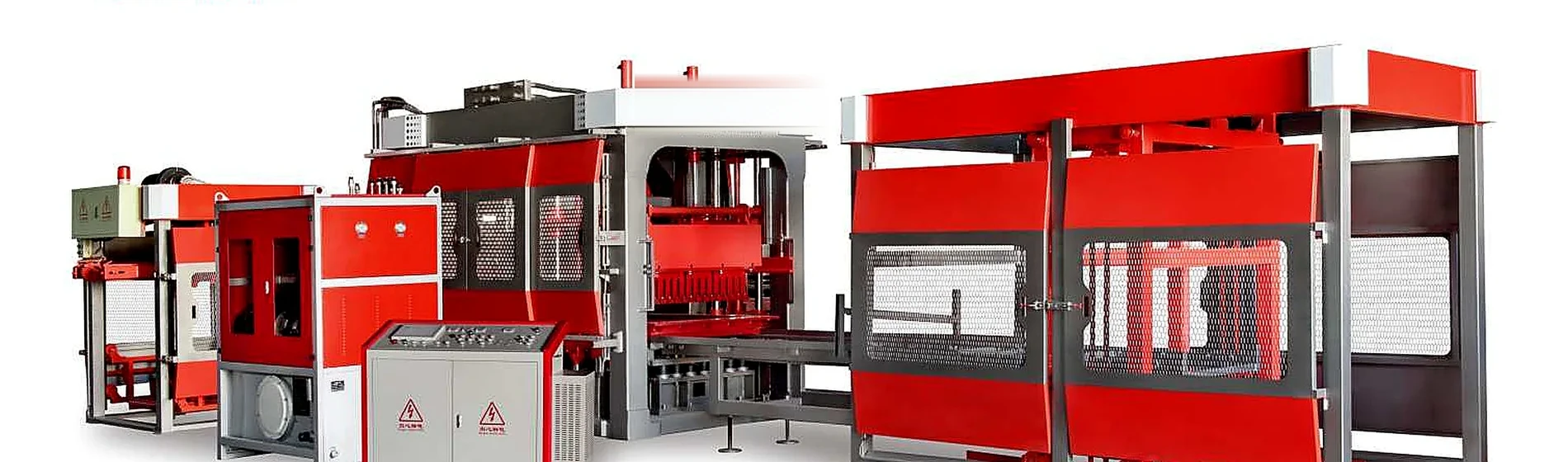
Concrete Block Making Machine
Core machine for hollow blocks, solid blocks, pavers and curbstones.
Automatic Block Making Machine
High-output automatic block machine for industrial production lines.
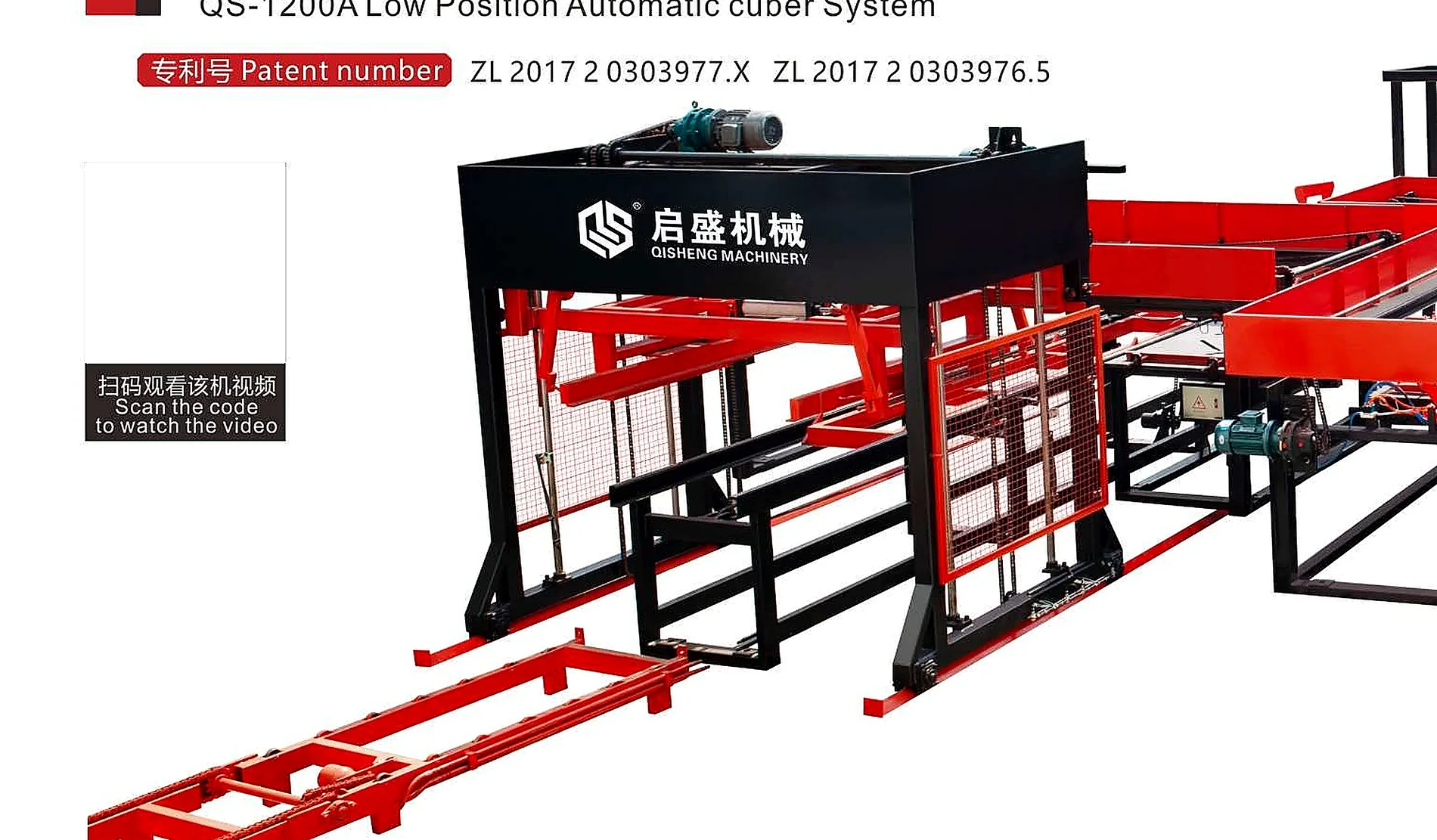
Hydraulic Block Making Machine
Hydraulic forming system for stable density and consistent blocks.
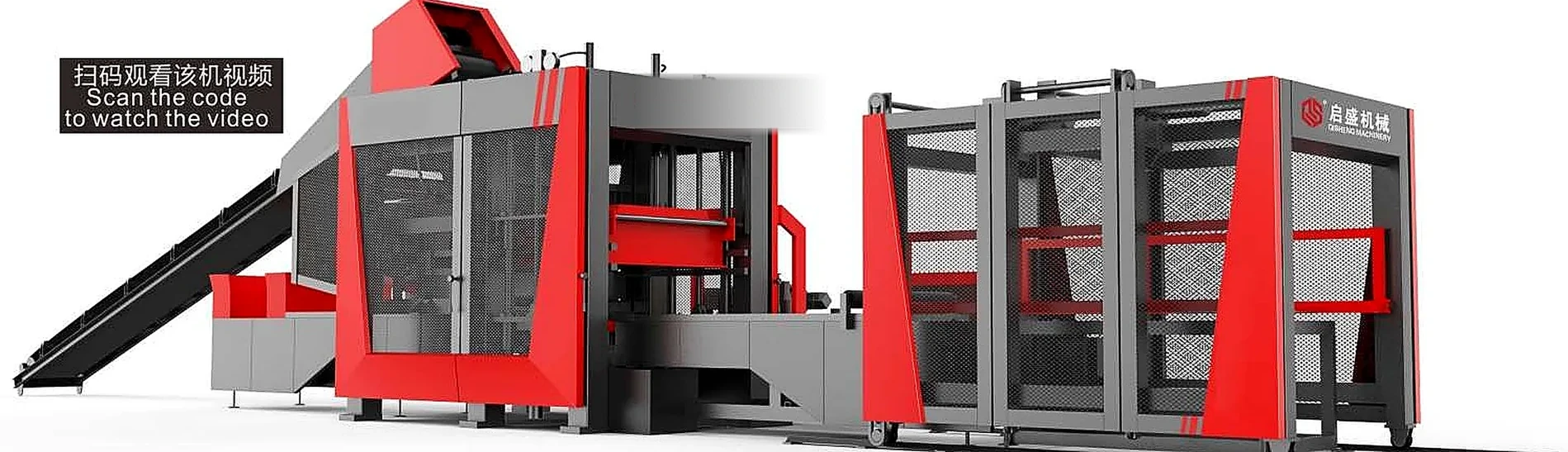
Hollow Block Making Machine
Machine configurations for common hollow concrete block sizes.