Concrete Block Factory Setup Cost
A concrete block factory setup cost is built from eight investment groups: land, building and yard, machine, moulds, auxiliary equipment, power connection, labour and working capital. This guide shows the structure, the real equipment list, the hidden costs, and the formula for the payback period.
A concrete block factory setup cost is the sum of eight investment groups: land, building and yard, the block machine, the moulds, the auxiliary equipment, the power connection, the labour to run it, and the working capital. Only the machine and the auxiliaries come from the equipment supplier. The rest depend on your site, country and scale, so the total is built from local figures. The payback period follows a formula, with the selling price and utilisation rate driving the result more than the equipment.
Concrete Block Factory Setup Cost: Quick Answer
A concrete block factory setup cost is the sum of eight investment groups: land, building and yard, the block machine, the moulds, the auxiliary equipment, the power connection, the labour to run it, and the working capital to keep materials and stock moving. Only two of those, the machine and the auxiliaries, sit on the equipment quotation. The rest are project costs that depend on your site, your country and your scale. For that reason no honest setup cost can be quoted without your block types, daily output target and site conditions. The sections below show the structure, the equipment behind it, and the formula for the payback period, so you can build the number with your own local figures.
Key facts about a block factory setup
- Equipment is usually a minority of the total, not the whole build.
- Power connection and site works are commonly the largest surprise.
- Moulds scale with the number of products you intend to sell.
- Working capital covers materials and unsold stock while curing and selling run.
- Labour cost per shift depends on the automation level you choose.
The Investment Structure of a Block Factory
The eight groups below make up a full factory budget. Equipment is one line. The other seven belong to the site, the country or the operating plan, and each must be estimated locally before a total is meaningful.
| Investment group | What it covers | How it is estimated |
|---|---|---|
| Land | Plot size, access road, loading area | Local title and rental or purchase terms |
| Building and yard | Production hall, curing area, store, office | Local construction rates, area from the line layout |
| Block machine | Moulding host, control, first mould | Equipment quotation on your configuration |
| Moulds | One per block type, size and face pattern | Mould package, priced per shape |
| Auxiliary equipment | Batching, mixing, pallet feeding, cuber, packing | Equipment quotation, item by item |
| Power connection | Transformer, cable, panel, generator if needed | Local utility quotation on the installed load |
| Labour | Operators, loaders, maintenance, supervision | Local wage levels, multiplied by crew per shift |
| Working capital | Cement, aggregate, spare parts, unsold stock, cash buffer | Mix cost and selling cycle times the stock you hold |
Read the structure as a chain. Land and building gate the layout. The machine and auxiliaries set the installed power, and the power connection follows. The automation level sets the crew, and the crew sets the wage line. The mix cost and the stock you hold set the working capital. Changing any one of the eight moves the others, which is why a setup cost is a plan, not a figure.
Equipment List and Real Machine Models
The equipment side is the part CEMBRIQ can price against a configuration, because the machines are real models with published working data. A complete block factory for solid bricks, hollow blocks and pavers typically draws on these families.
| Role in the plant | Real model | Working data |
|---|---|---|
| Compact automatic host | QST6-15 | 34.4 kW, cycle 15–23 s, up to 12 t |
| Compact automatic host | QST8-15 | 44.9 kW, cycle 15–23 s, up to 90,000 bricks per 8-hour shift |
| Mid-size automatic host | QST1200 / QST1000 | 57.6 kW / 48.9 kW, cycle 15–25 s |
| Large automatic host | QST1800 / QST1500 | 104 kW / 69.1 kW, up to 220,000 bricks per 8-hour shift (QST1800) |
| Hydraulic press for pavers | QS800 / QS1000 / QS1500 | 70 / 105.4 / 108.2 kW, double-direction, 18–22 s cycle |
| Pallet-free machine | QSMT500 / QSMT1000 | 39.5 kW / 57.5 kW, wet block cubing, 13–18 s cycle |
| Batching and mixing | PL batching, CMP planetary mixer | Sized to the host cycle |
| Pallet feeding | QS-1200 | 3 kW, feeding cycle about 13 s |
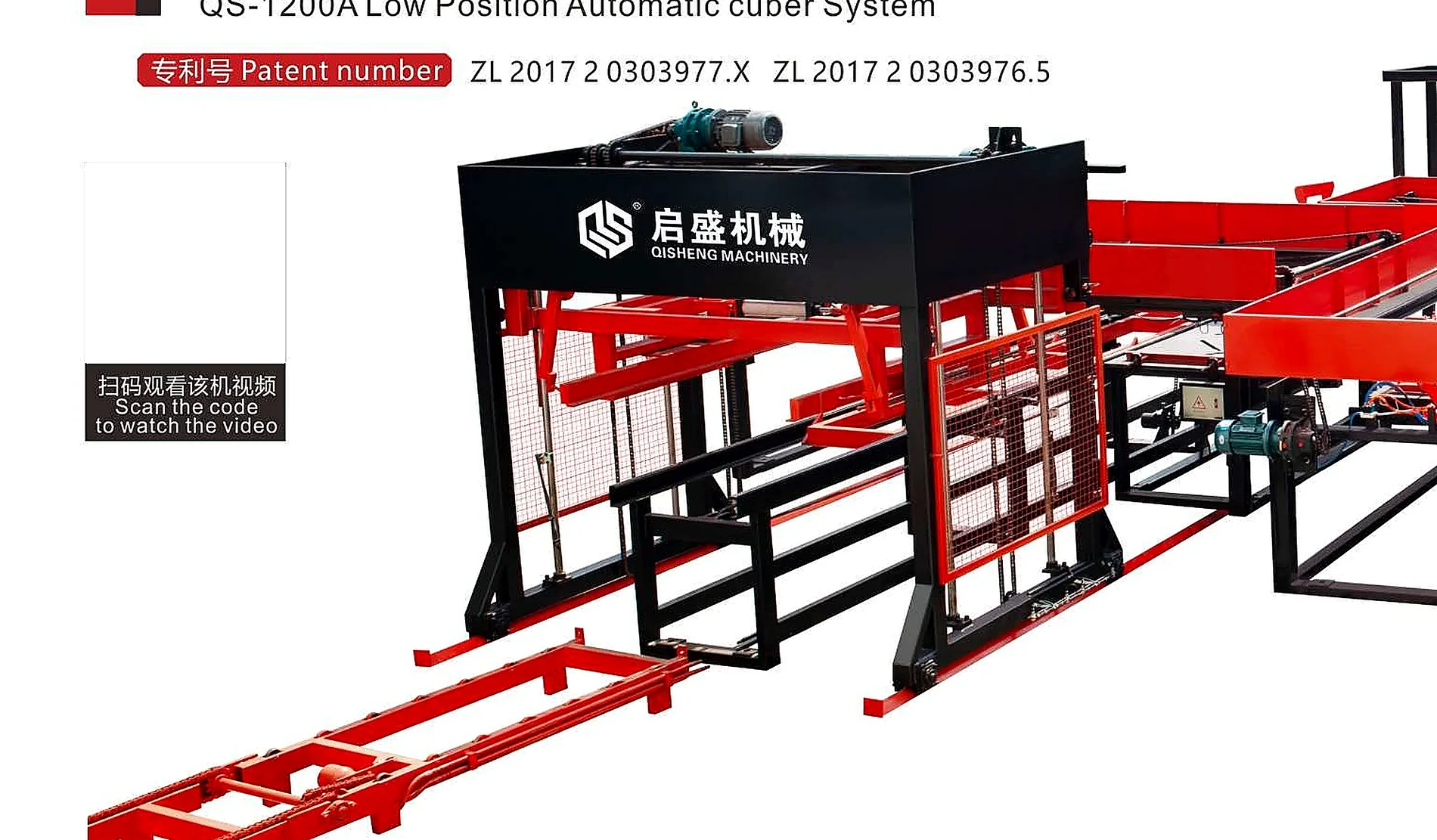
| Cubing and packing | QS-1200A cuber, QS cantilever wrapper, QSSX-16A baler | Cuber about 3,800 pallets per shift; wrapper 680–1,150 mm pack heights |
| Full automatic plant | QSGW high-level line | 30,000 to 250,000 pcs per 8-hour shift, 3 to 6 persons per shift |
The equipment list should also state the installed power of each item, because the total load sets the size of the transformer and the incoming cable, and those are ordered long before the machines arrive.
Not every factory needs every line. A small yard can start with a compact host, a batching unit and open-air curing, and add a cuber and a wrapper as volume grows. A large plant builds the full chain from the first day. The equipment list, not the total, is the part you can compare between suppliers, so ask for the model and the working data behind each line of the quotation. Detailed machine data sits on the concrete block making machine page.
How Capacity and Investment Scale Move Together
Investment does not rise in step with output. It steps up at capacity bands, because each band needs a heavier host, more installed power and a longer line. The table below pairs a target band with the host and the crew it implies.
| Scale band | Host | Installed power | Typical crew per shift |
|---|---|---|---|
| Small yard | QST6-15 | 34.4 kW | Small, partly manual handling |
| Growing factory | QST8-15 | 44.9 kW | Small, automatic stacking |
| Commercial plant | QST1200 / QST1800 | 57.6 kW / 104 kW | Line dependent |
| Full automatic plant | QSGW high-level line | Host dependent | 3 to 6 persons |
Two effects work against each other. A larger band raises the fixed investment, the power connection and the building footprint. It also lowers the cost per produced block, because the fixed cost spreads over more output and the crew per shift grows more slowly than capacity. The right band is the one your market can absorb, not the largest one your budget can reach.
Hidden Costs Buyers Overlook
These items are commonly left out of a first budget, and each one can move the total. None of them are equipment, and none of them can be estimated from a supplier quotation.
- Power connection: the transformer, cable and protection gear are sized to the installed load, and the utility lead time is part of the schedule.
- Site works: levelling, hard standing for the curing yard and the loading area, drainage, and an access road that carries a loaded truck.
- Curing capacity: open-air curing needs flat yard and time, while a rack line trades yard for equipment, so the two plans carry the cost in different places.
- Mould changeover: every product you add needs a mould and time on the line, so a wide product range carries a repeated cost, not a one-off.
- Storage and handling: pallets, a wheel loader or forklift, and a place to keep finished stock before it ships.
- Wear parts and maintenance: the running budget for wear plates, mould edges and spares, which starts on day one.
- Working capital gap: materials are bought before blocks are sold, so cash is tied up in cement, aggregate and unsold stock.
- Training and ramp-up: production reaches the rated cycle only after the crew is trained and the mix is settled.
Budget these lines explicitly. A factory that plans only the machine and the building usually finds the power connection and the working capital as unplanned spending later.
The working capital line is the one that survives planning. Cement, aggregate and spare parts are paid before the finished blocks are sold, and the curing time adds a delay between spending and receiving. Size the working capital to cover the material for the stock you hold plus the cash needed during the ramp-up, and treat it as a real investment group rather than a reserve. Buyers who underplan it usually meet the gap in the first months of production, exactly when output is still climbing toward the rated cycle.
How to Calculate the Payback Period
The payback period is the time the factory takes to return the setup investment out of operating profit. It is a formula with your own numbers in it, not a fixed figure, and the variables decide the result far more than the equipment does.
Contribution per block = selling price per block − variable cost per block
Variable cost per block = material cost per block + direct labour per block + power per block + wear parts per block
Net contribution per period = (contribution per block × blocks sold in the period) − fixed operating cost per period
Payback period = total setup investment ÷ net contribution per period
The variables that move the answer most are the selling price per block, the material cost per block, the utilisation rate of the machine, the waste rate, the curing time before sale, the crew per shift, and the local power cost. Two factories with the same machine can have very different payback periods, because the selling price and the utilisation rate belong to the market, not the equipment. Model the formula in a spreadsheet with your own local costs, and re-run it for each scale band before you commit. A price guide for the equipment line sits on the block making machine price page.
How to Reduce Setup Cost Without Cutting the Wrong Corner
Start at the entry band and grow. The host, the batching unit and a first mould carry the production; a cuber, a wrapper and a rack line can follow when the sales volume justifies them. What should not be cut is the power connection sized for the full plant load, the site works that the layout needs, and the working capital that keeps material flowing. Those three are the cheapest to plan early and the most expensive to add late.
For buyers in the region, delivery, voltage and raw material planning are covered on the Syria market page. Confirm the local figures for land, construction, power, wages and duty with local contractors and the utility before you set the total, because those lines are country specific and cannot be quoted from a machine supplier.
Get an Investment Plan
A setup cost is a plan built from eight groups, and only two of them come from the equipment supplier. Send your block types, daily output target and site conditions, and the reply states the equipment list with real models, the installed power to plan for, the crew per shift, and the auxiliary items that fit your scale. Build the land, construction, power and working capital lines with your local numbers, then run the payback formula on your own market. Get investment plan through the request for quotation page and start the factory budget from the equipment side, done properly.
Frequently Asked Questions
How much does it cost to set up a concrete block factory?
What is the largest part of a block factory setup cost?
How much equipment does a block factory need?
How does factory capacity change the investment?
What costs do buyers usually forget in a factory budget?
How do I calculate the payback period for a block factory?
What variables affect the payback period the most?
Can I start small and expand later?
Which parts of a concrete block factory setup cost are local?
How do I get an investment plan for my block factory project?
Related machines
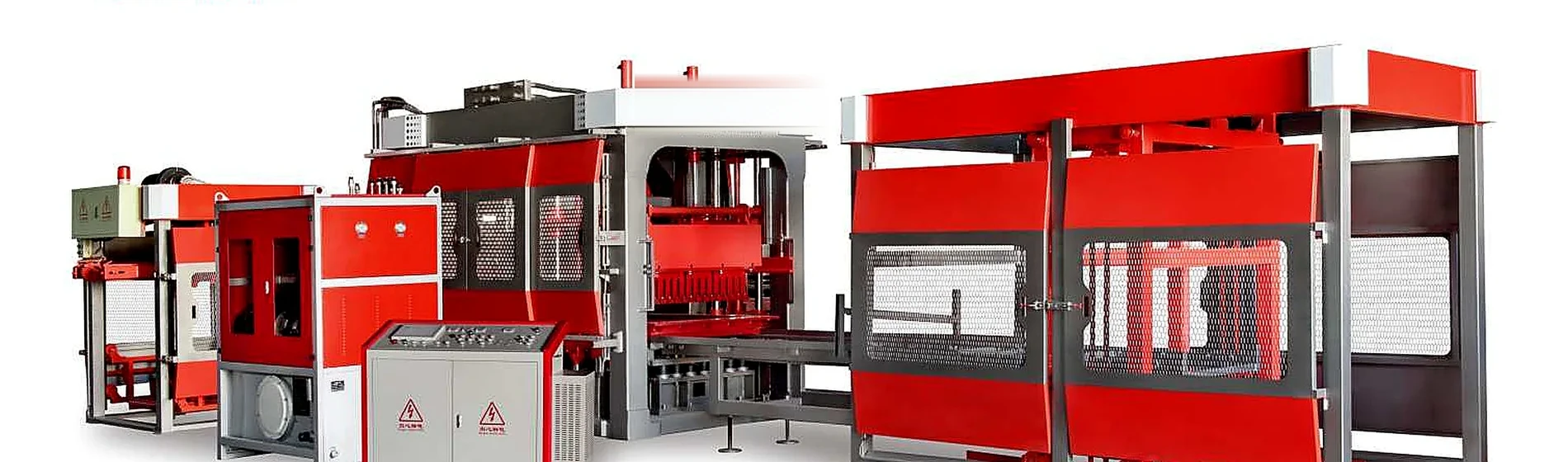
Concrete Block Making Machine
Core machine for hollow blocks, solid blocks, pavers and curbstones.
Automatic Block Making Machine
High-output automatic block machine for industrial production lines.
Hydraulic Block Making Machine
Hydraulic forming system for stable density and consistent blocks.
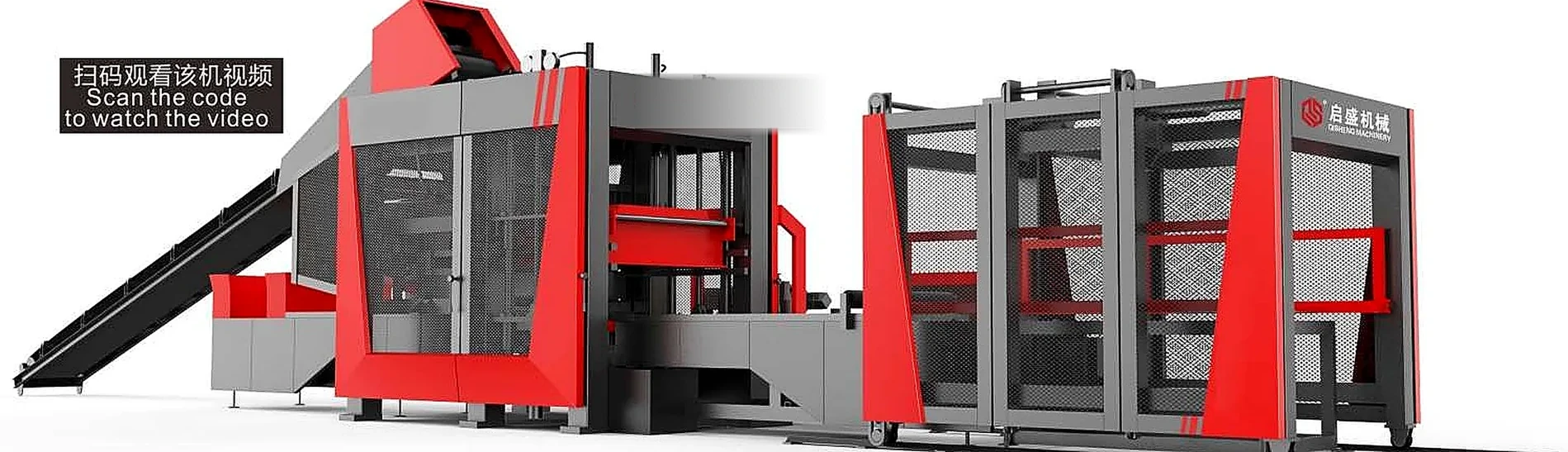
Hollow Block Making Machine
Machine configurations for common hollow concrete block sizes.