Automatic Block Making Machine
- Best for
- Higher output with automatic cycle
- Block types
- Hollow, solid and paver blocks
- Automation
- Fully automatic
From a single machine to a complete plant, configured to the block sizes and power supply at your site.
We build automatic and hydraulic concrete block machines, hollow block machines, paver and kerbstone machines, and complete production lines covering batching, mixing, forming, conveying and curing. Moulds are made for the block sizes that sell in your local market, and a custom mould can be produced from a drawing. Automation ranges from semi-automatic single machines to a fully automatic line, chosen by project size and the operators you have. Voltage and frequency are configured for the destination country. To specify the right machine we need five inputs: block size, required daily output, raw material, voltage and frequency, and the automation level you want. Send those five and you get a written recommendation rather than a generic price list.
| Requirement | Suggested machine | Why | Page |
|---|---|---|---|
| Starting a small block yard | Hollow block machine | Lower entry cost, small crew | View |
| Load-bearing blocks at volume | Automatic machine | Automatic cycle, consistent sizes | View |
| Pavers and kerbstones | Paver machine | Paver mould and flat forming | View |
| A complete plant from scratch | Complete line | Batching, mixing, forming, handling in one flow | View |
| Expanding an existing plant | Hydraulic machine | Fits an existing pallet system | View |
Actual output depends on block size, cycle time and mould. Capacity is confirmed per mould during quoting instead of a single blanket figure.
CEMBRIQ's product pages each cover one machine family or one piece of line equipment, from compact host machines for a first plant up to hydraulic presses, curing and cubing systems and complete lines. Every page explains what the equipment is built to produce, the moulds and pallets involved, the working cycle, and the footprint, power and labour it needs on site.
Read this section once you roughly know what you want to sell and how much you need to make per shift, and you are now choosing between configurations. It suits buyers weighing a smaller host against a bigger one, or comparing a forming machine on its own with a fuller line.
By the end you should be able to name the family that fits your product mix and output target, list the points to confirm before you ask for a quotation, and see clearly which items sit outside the equipment itself.

Core machine for hollow blocks, solid blocks, pavers and curbstones.
View machine →High-output automatic block machine for industrial production lines.
View machine →
Hydraulic forming system for stable density and consistent blocks.
View machine →
Machine configurations for common hollow concrete block sizes.
View machine →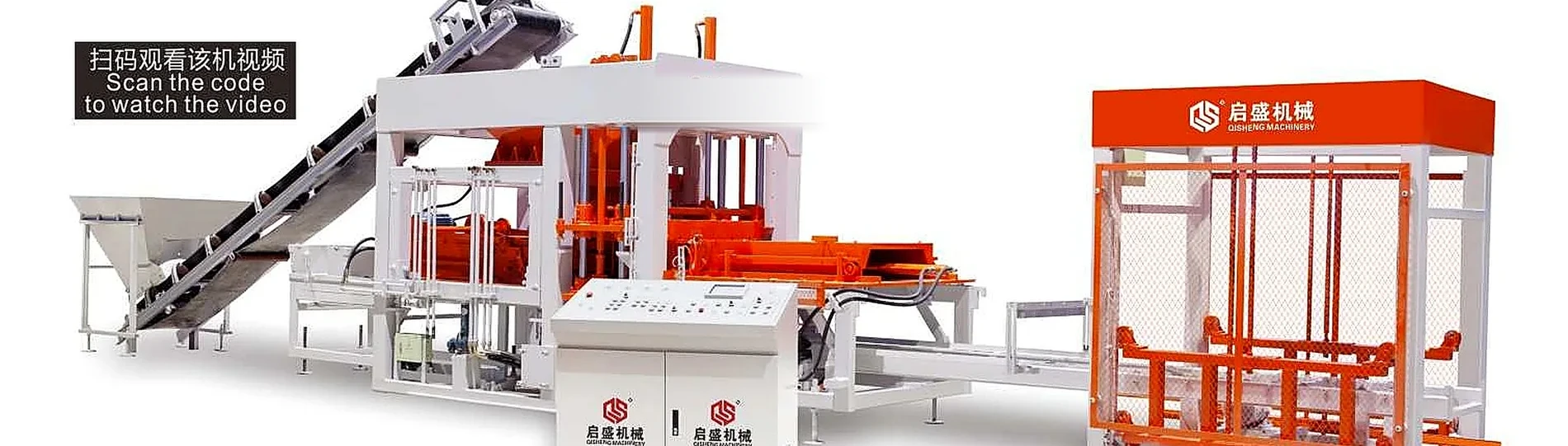
Cement-sand-aggregate block production with configurable automation.
View machine →Paver and interlocking block production with interchangeable moulds.
View machine →Flexible moulding platform for multiple concrete block products.
View machine →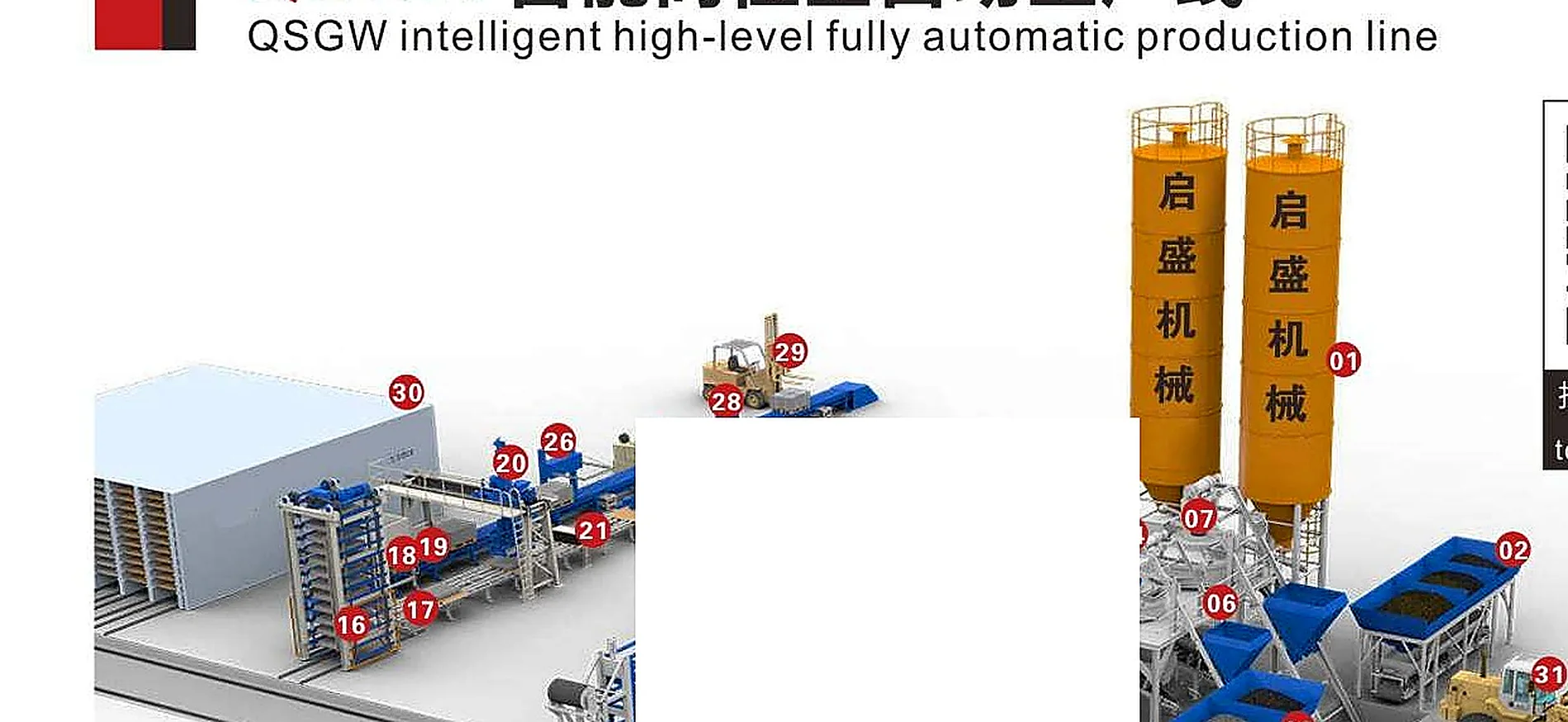
Complete production line covering batching, forming, handling and cubing.
View machine →
A stationary PLC palletizer that stacks about 1,700 pallets a day with one single operator
View machine →
A cantilever wrapper that rotates around the load, so pallets stay still and never shift
View machine →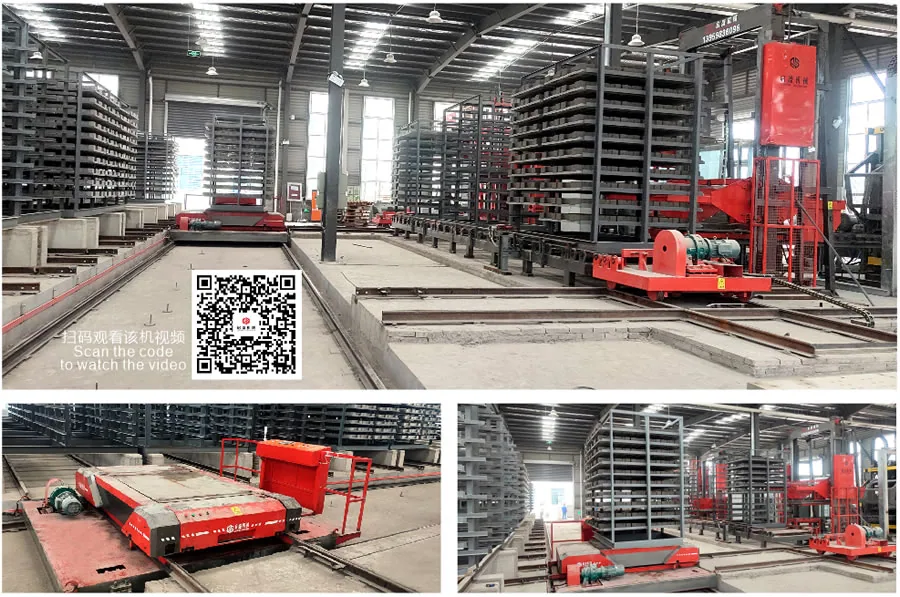
Wet bricks sit on metal frames to cure in place, while lithium transfer vehicles move them
View machine →
Bricks leave the mold soft and are stacked wet on the spot, so no pallets are needed
View machine →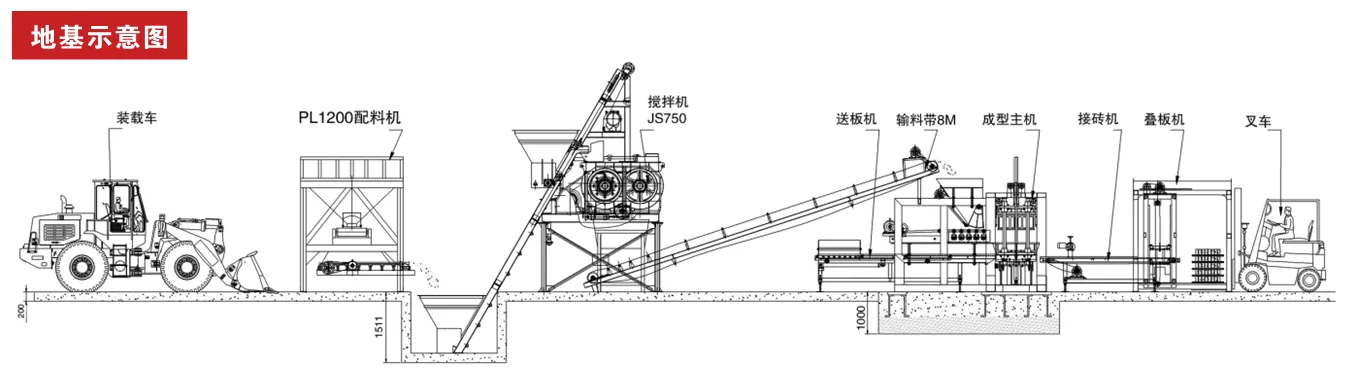
One mold set, four product types, from 8,640 hollow blocks to 61,440 bricks per shift
View machine →
Closed-loop servo drive holds position, speed and torque steady on every forming cycle
View machine →
Servo-driven block molding machine for stable, dense concrete block output.
View machine →
A closed-loop automatic line from batching to packaging for blocks and pavers.
View machine →
Unmanned curing line with rail and battery drive and millimeter accuracy.
View machine →
Floor-mounted automatic palletizer with 18-second layers and about 3,800 pallets a shift.
View machine →
Patented high-position palletizer builds fork holes and stacks up to 1400 mm high.
View machine →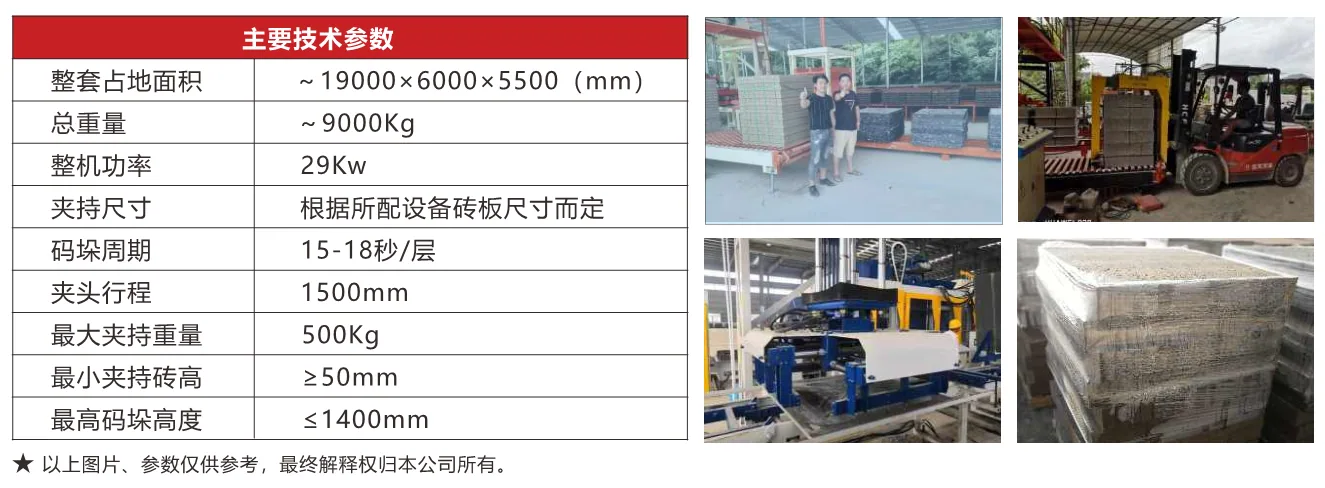
Simple palletizing system for near-square pallet groups in about 16 seconds a layer.
View machine →
Two palletizing stations, bidirectional stacking, one continuous dry-brick flow
View machine →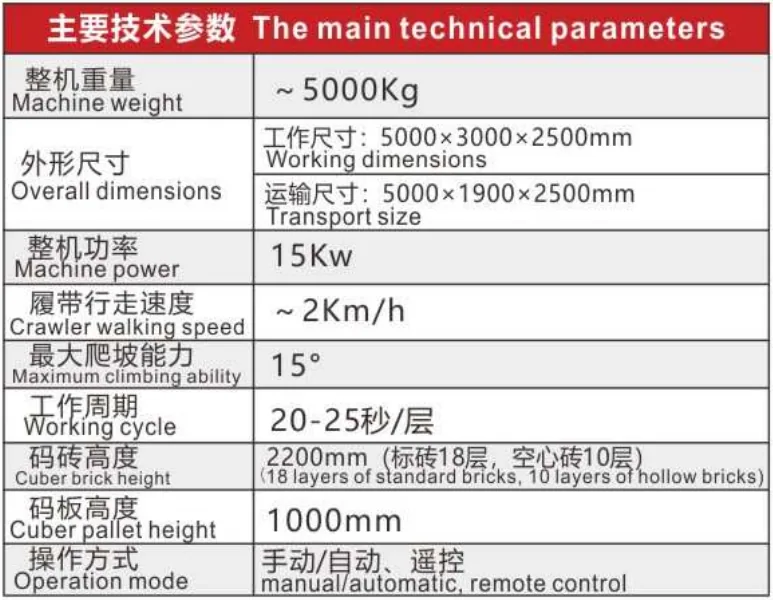
Travels across the yard to stack cured bricks where the piles actually stand
View machine →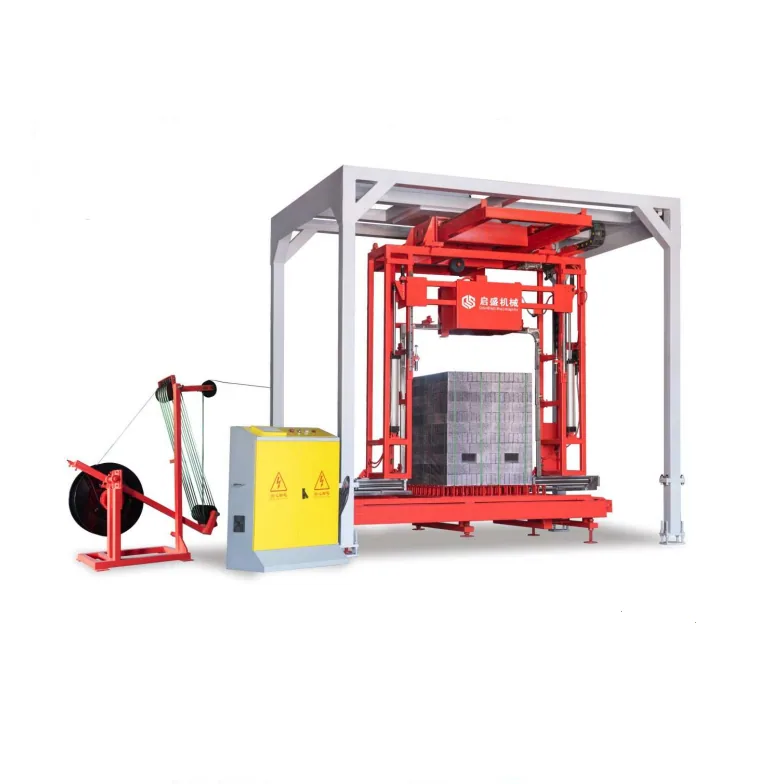
Overhead rotary head straps a full brick stack in about eleven seconds
View machine →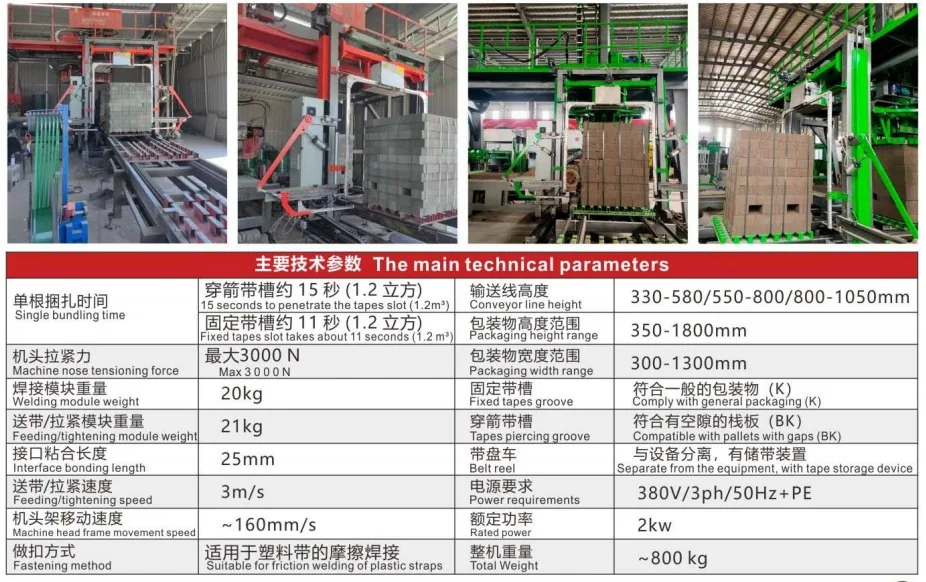
Traversing strap feed that keeps straps moving without jamming bricks
View machine →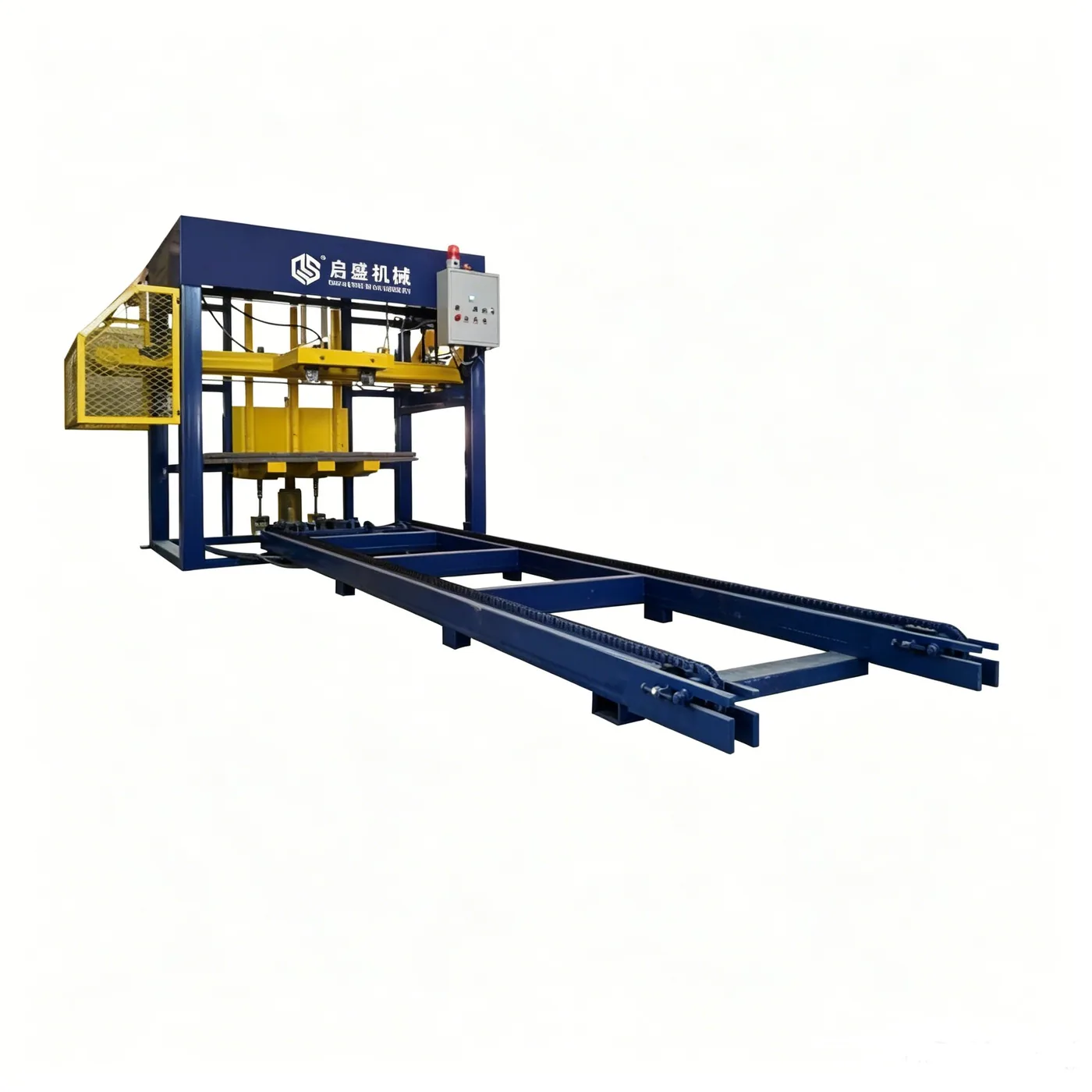
Keeps empty pallets flowing into the bin at the main machine's pace
View machine →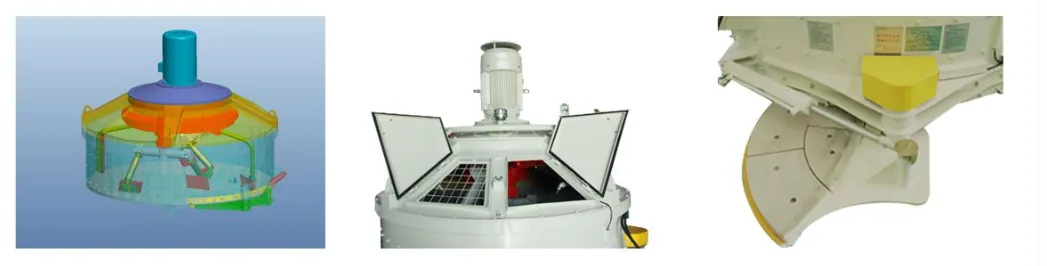
Planetary blades that sweep the whole drum and leave no dead mixing zone
View machine →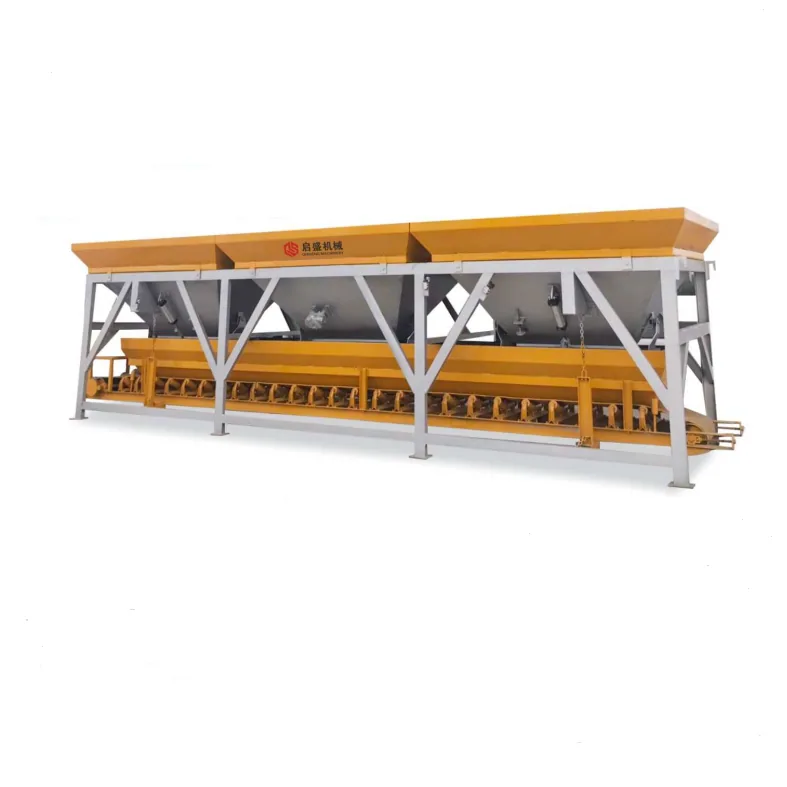
Automatic sand, gravel and cement batching with dual-speed weighing and 2 to 4 hoppers.
View machine →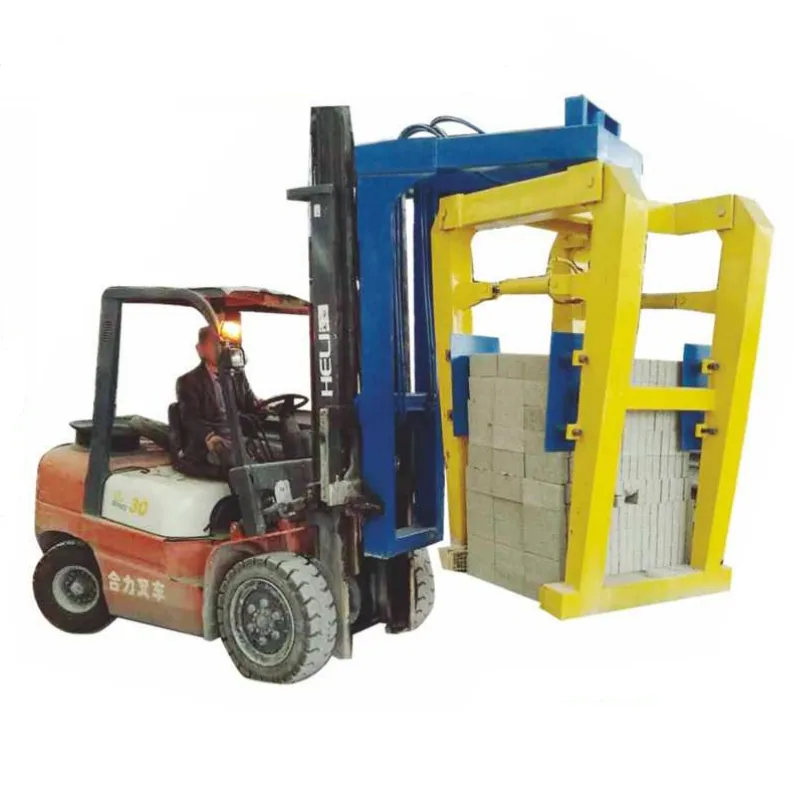
Move 500 to 800 standard bricks per lift with a 2000 kg hydraulic clamp and no pallets.
View machine →
Alloy steel molds, CNC machined to micron accuracy for standard, hollow and paving blocks.
View machine →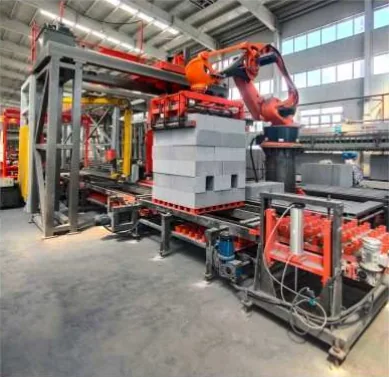
Automated line that sorts and re-palletizes aerated blocks while leaving forklift holes.
View machine →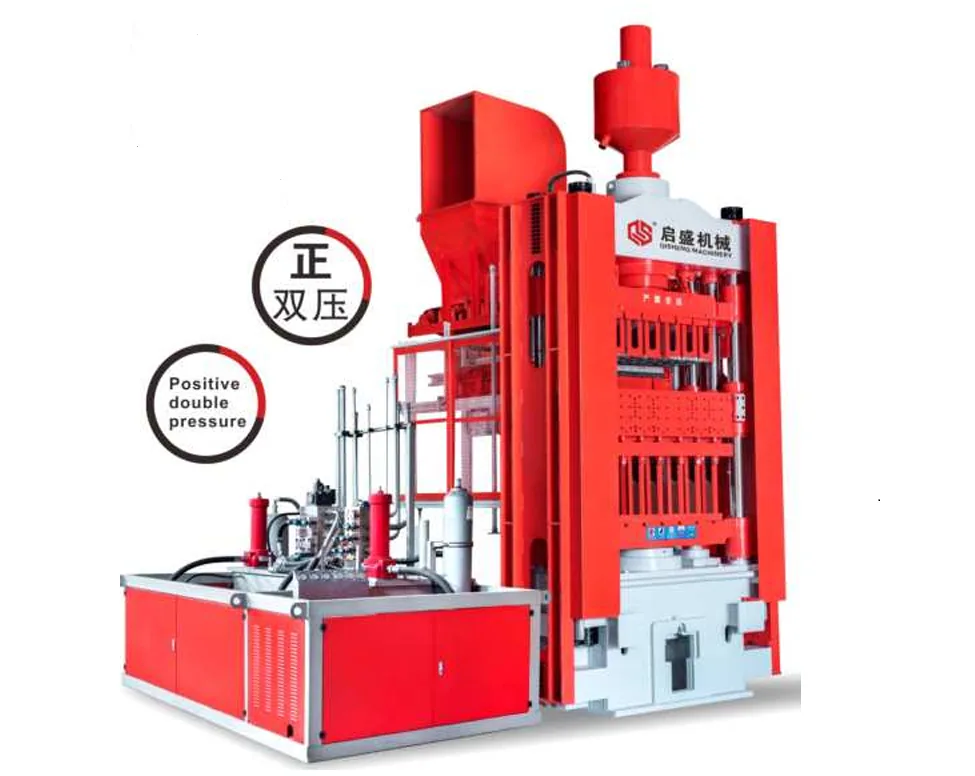
Semi-dry gypsum block line with atomized water addition and no drying stage.
View machine →
Hydraulic static pressing forms dense non-fired bricks, pavers and curbstones at low noise.
View machine →
Twin-direction hydraulic static pressing for dense, uniform, high-strength bricks.
View machine →
One wet line, many pipe profiles: suspended roller forming for water and drainage work.
View machine →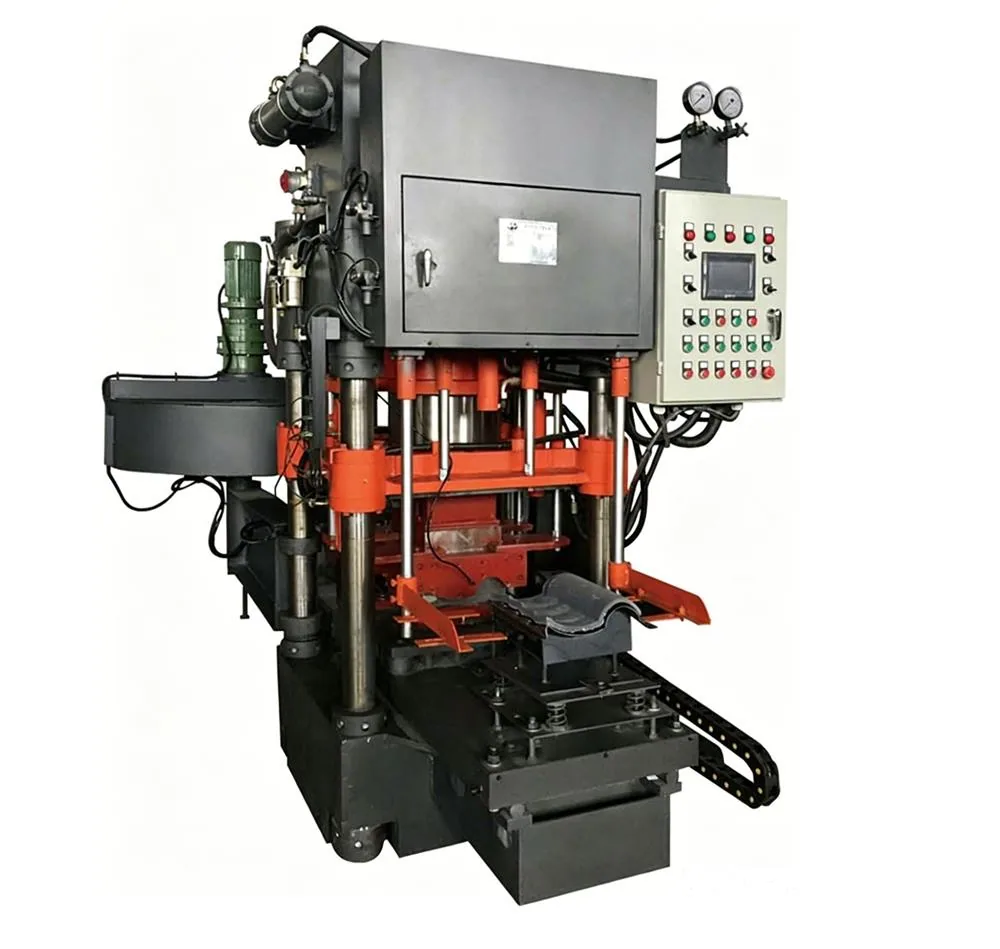
High-pressure filter pressing turns cement and sand into dense, weatherproof roof tiles.
View machine →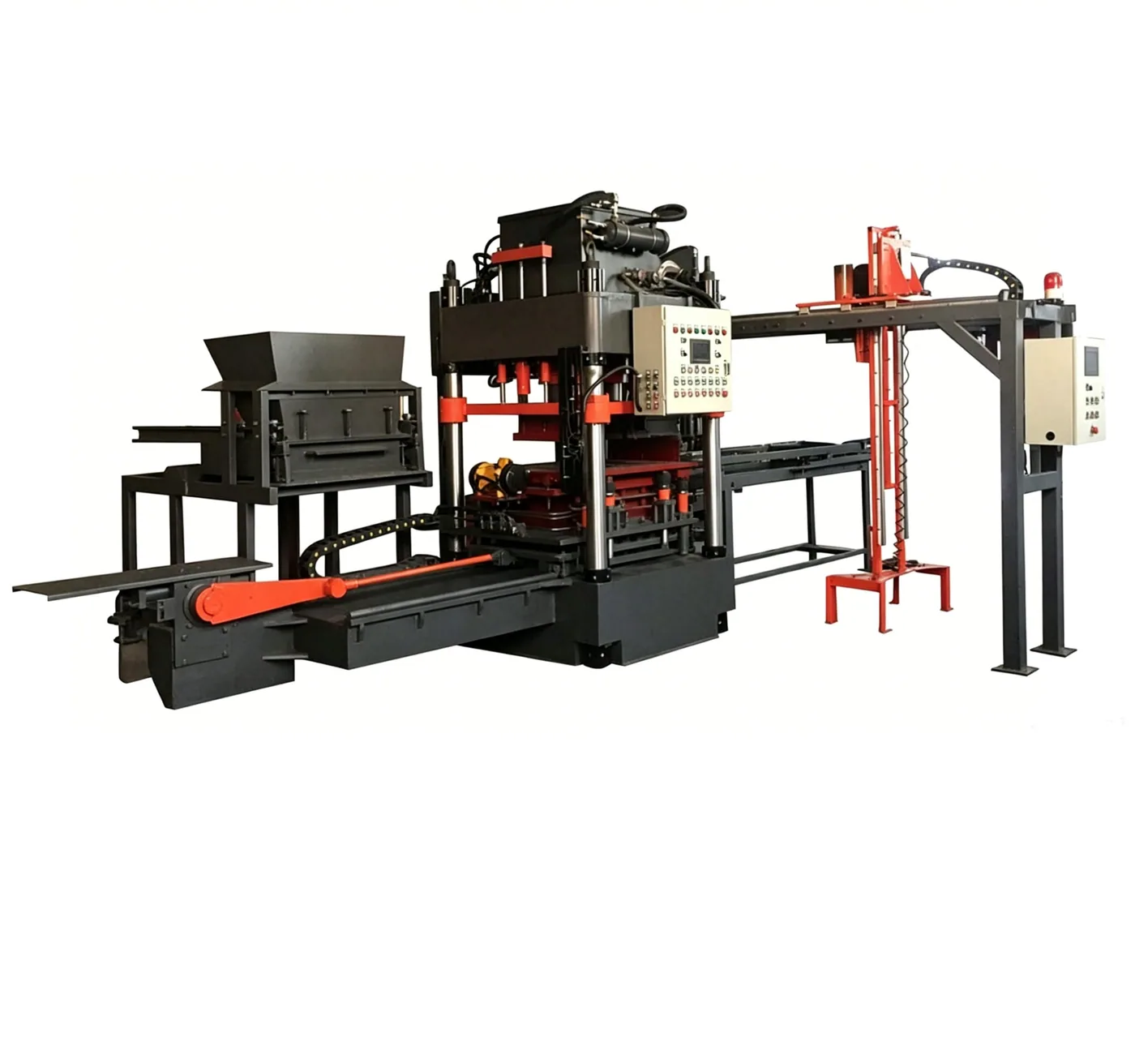
Wet mix filtration plus vacuum molding for curbs and pavers that replace quarry stone.
View machine →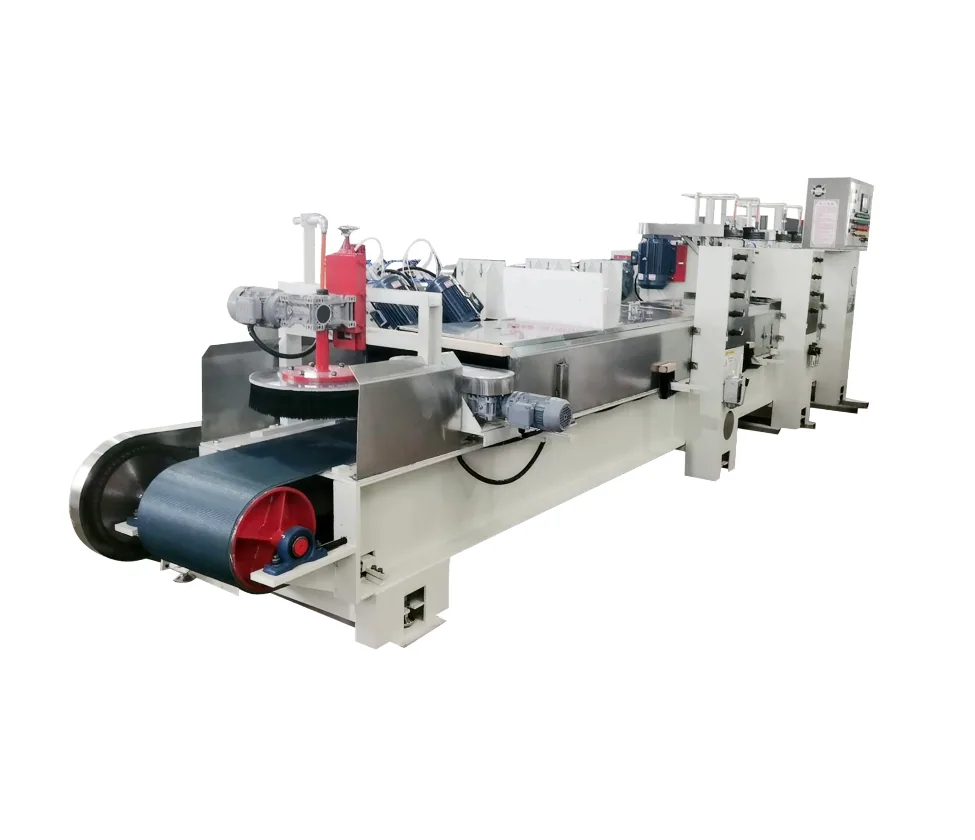
Nine flexible heads polish the face, the side and the chamfer in one pass.
View machine →
Matte, frosted or antique textures on PC brick faces, recovered abrasive, low dust.
View machine →
Closed-loop two-stage crushing and screening for granite, basalt and iron ore.
View machine →
Turn demolition concrete, brick and stone into graded recycled aggregate and sand.
View machine →
Manufactured sand from 50 to 500 t/h with MR and DM sand makers, screening and washing.
View machine →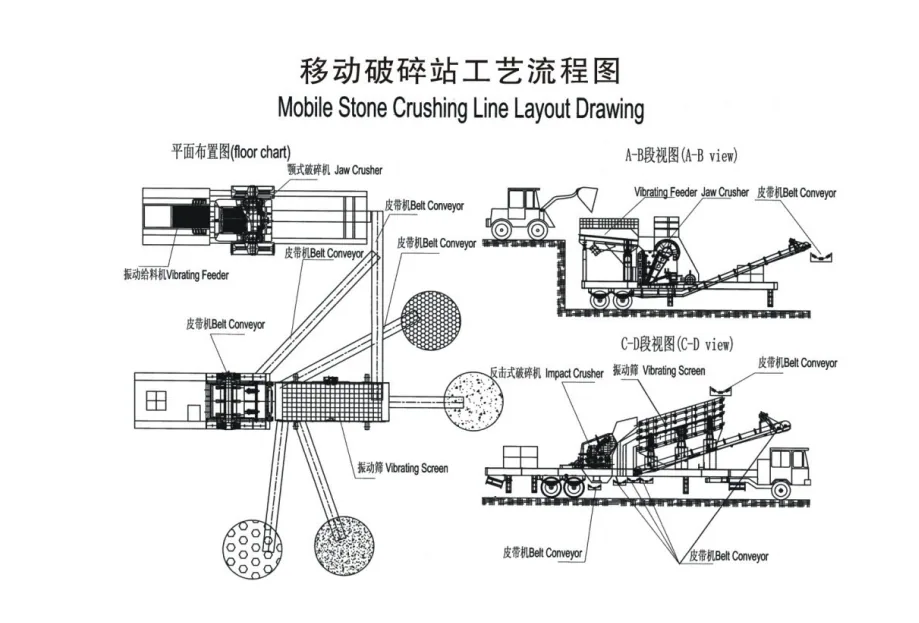
Jaw and impact mobile crushers in a two-stage closed loop that moves with the job.
View machine →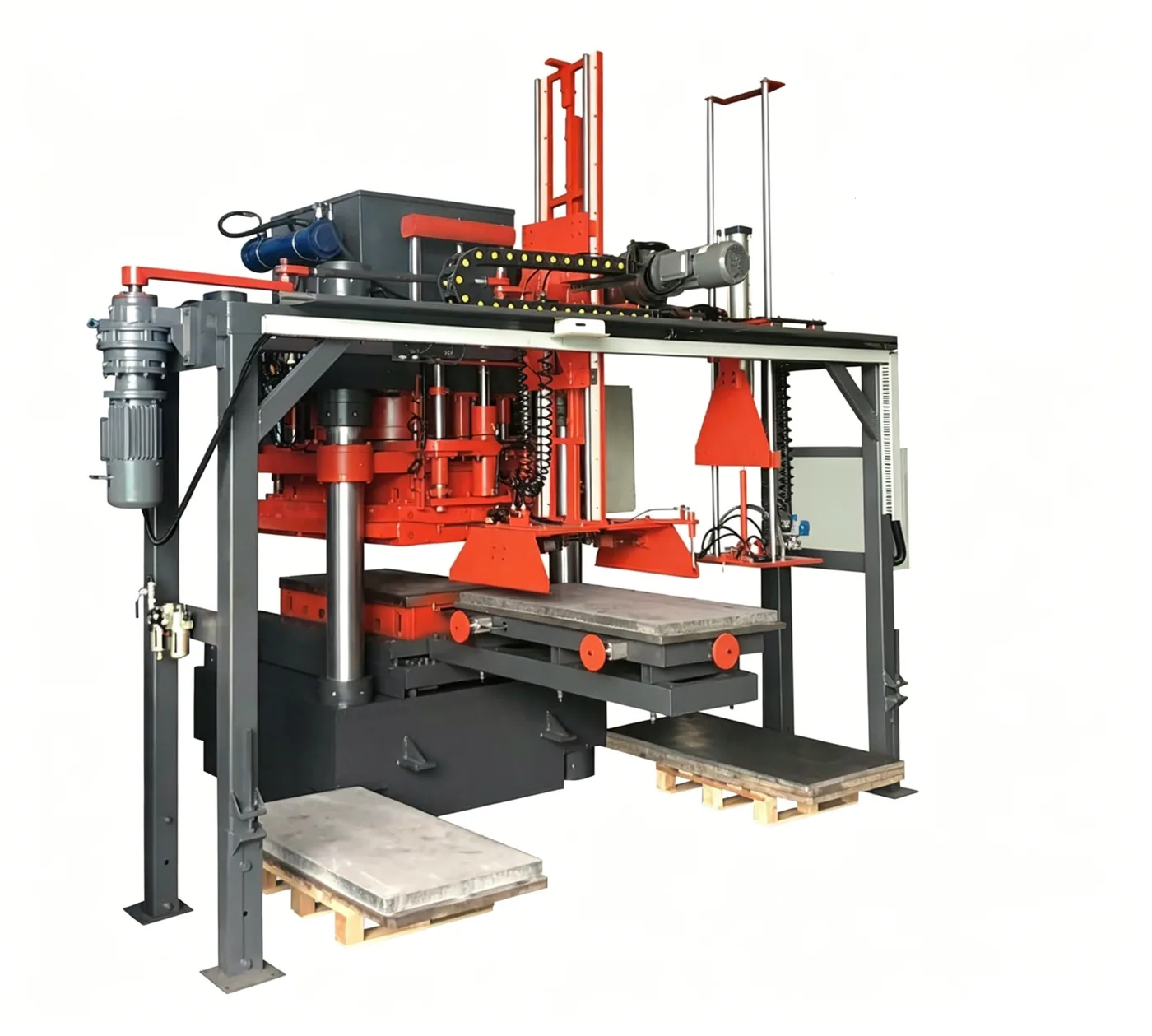
High-pressure filtration molding shapes mortar concrete into dense artificial stone slabs.
View machine →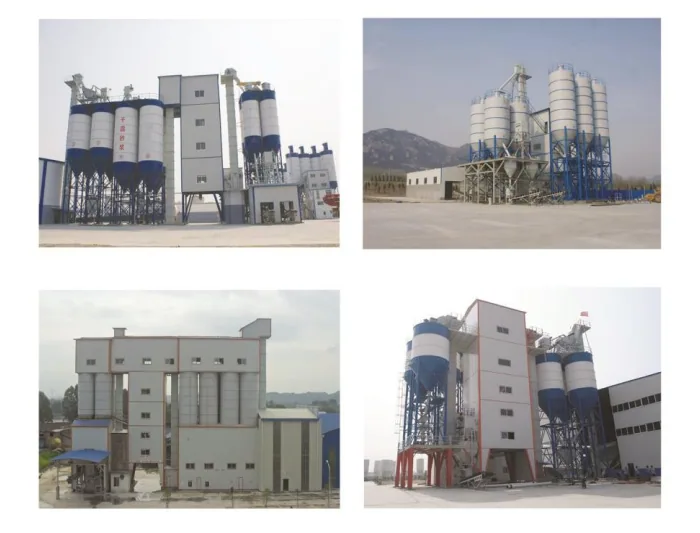
Enclosed dry mortar plant from 20 to 60 t/h with PLC weighing and controlled dust.
View machine →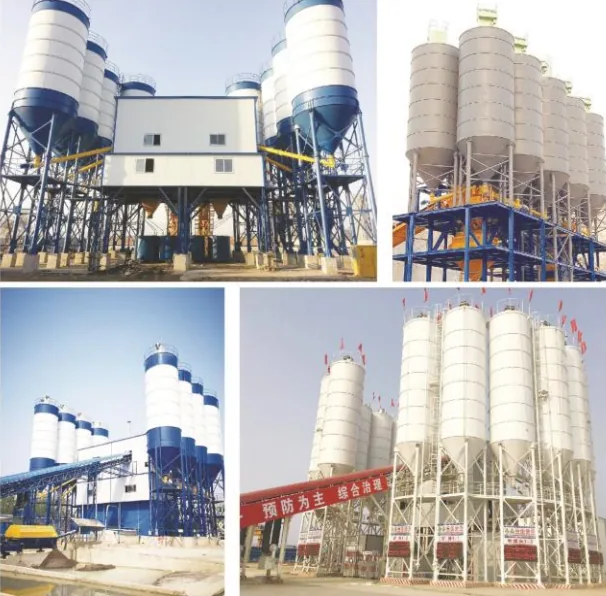
Twin-shaft forced mixing and PLC control for steady, high-volume concrete output.
View machine →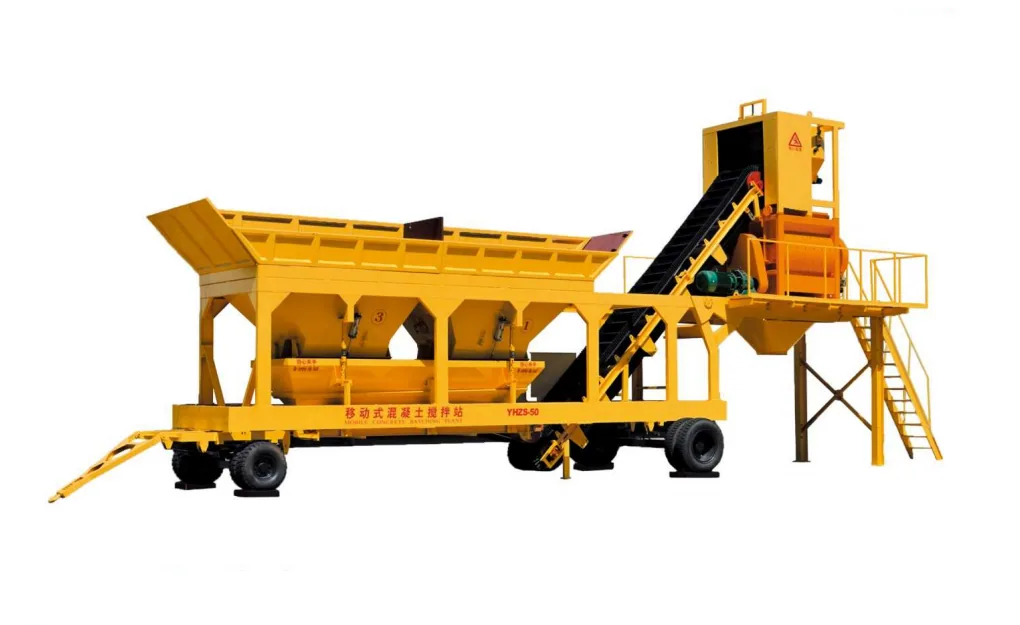
Trailer mounted batching and mixing for road and bridge sites that relocate often.
View machine →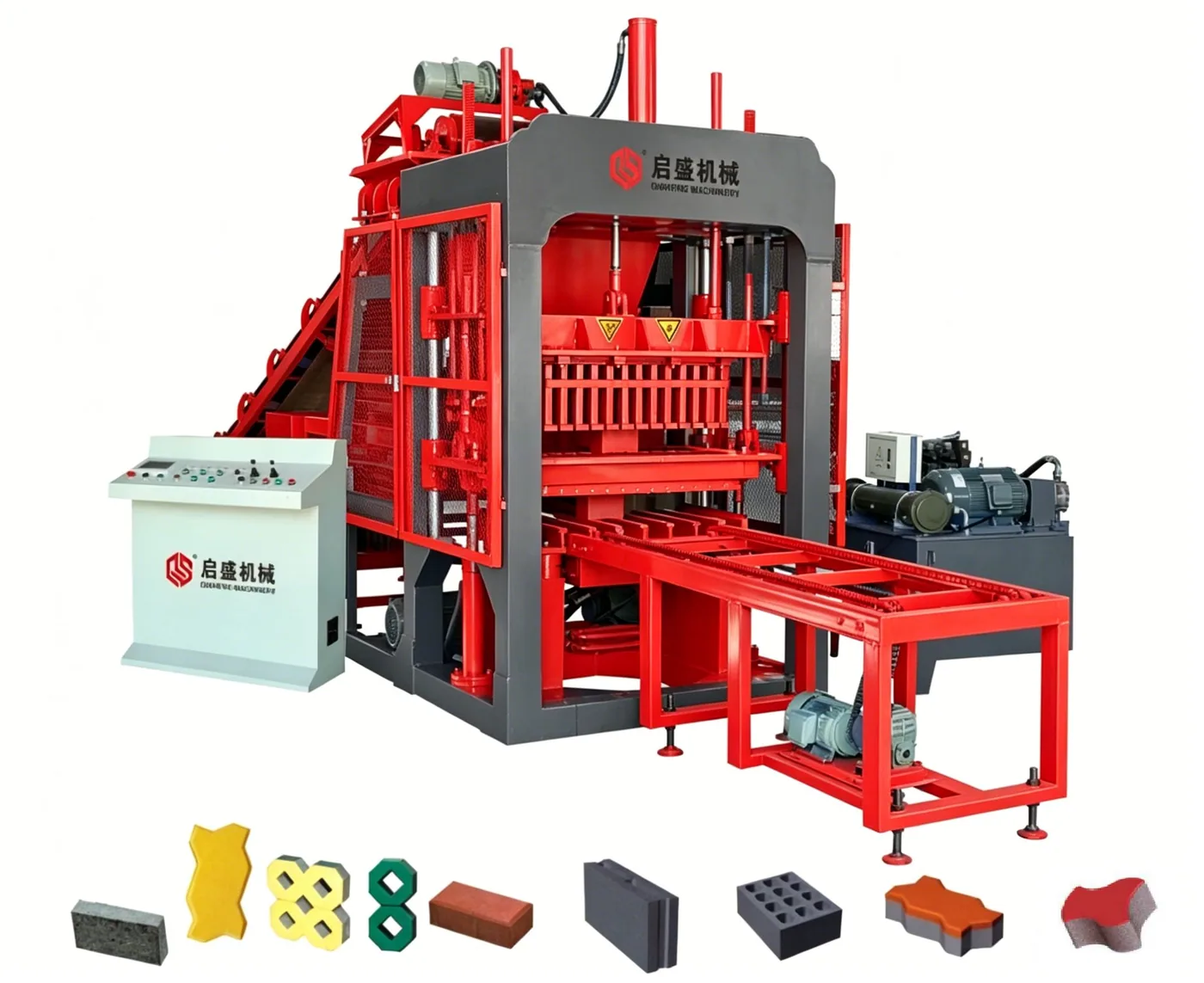
Hydraulic pressure plus high frequency vibration forming blocks in 15 to 20 seconds.
View machine →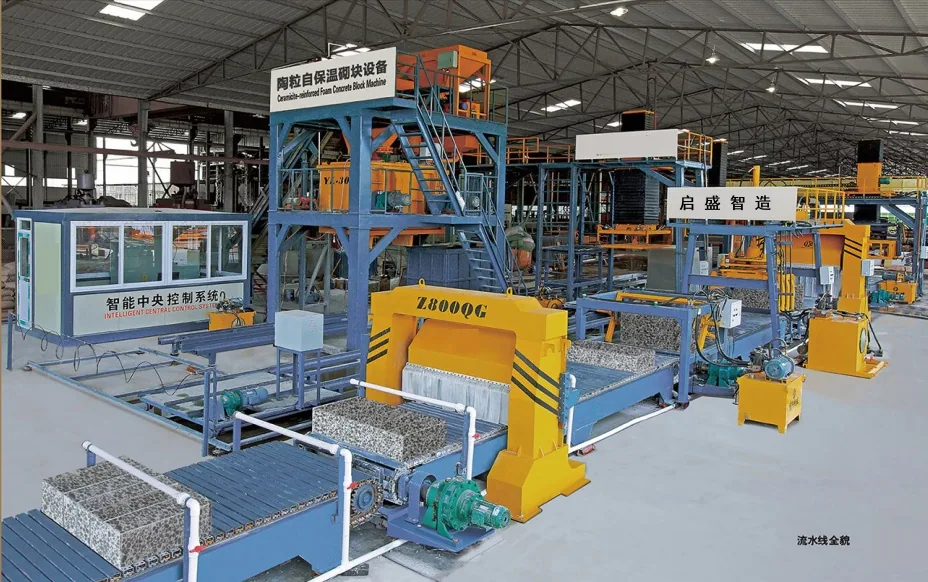
Non-autoclaved foamed blocks from fly ash, tailings and slag at lower investment.
View machine →
Automated mould circulation line for lightweight foamed cement wall panels.
View machine →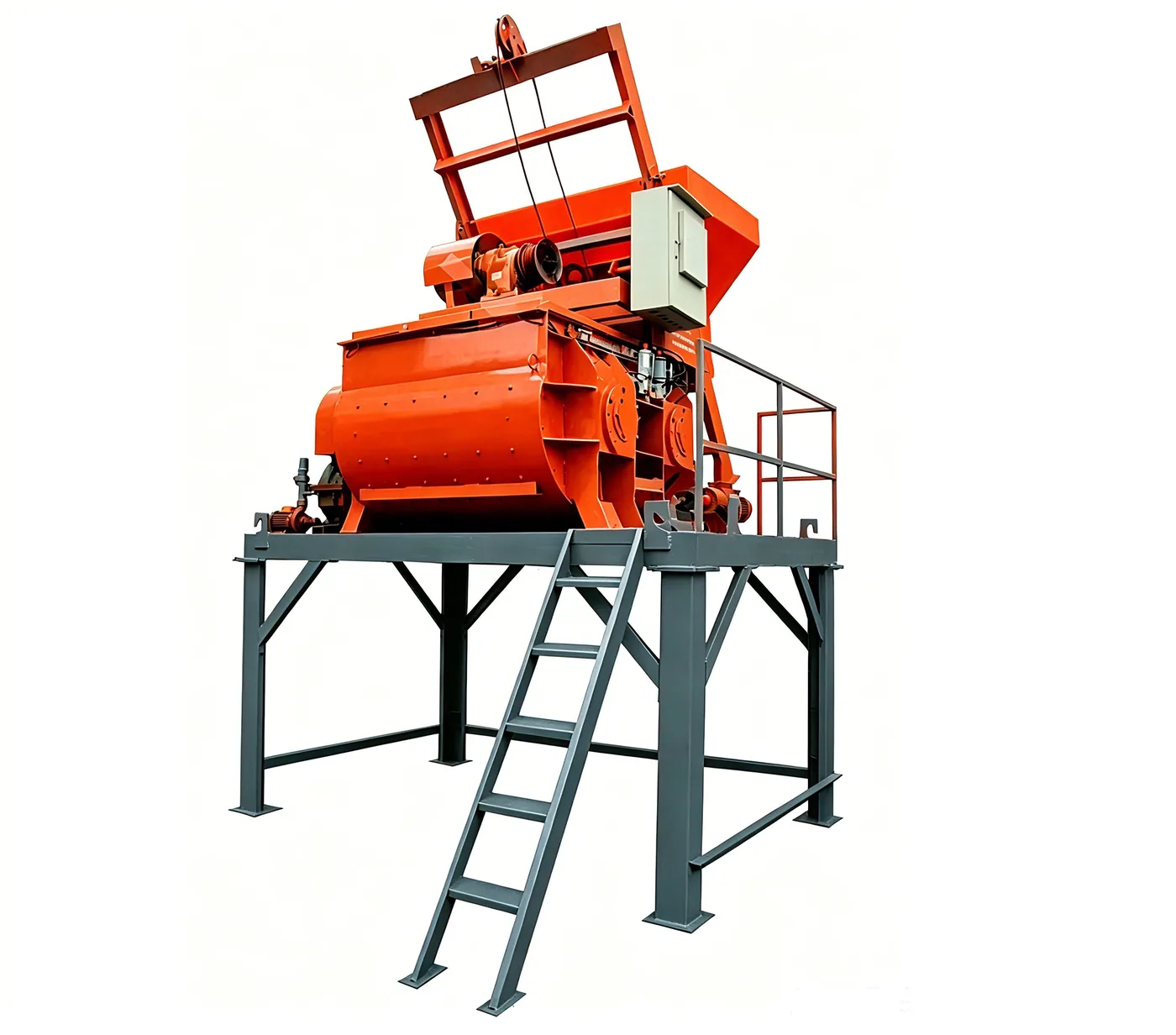
Forced twin-shaft mixing for batching plants, precast yards and block factories.
View machine →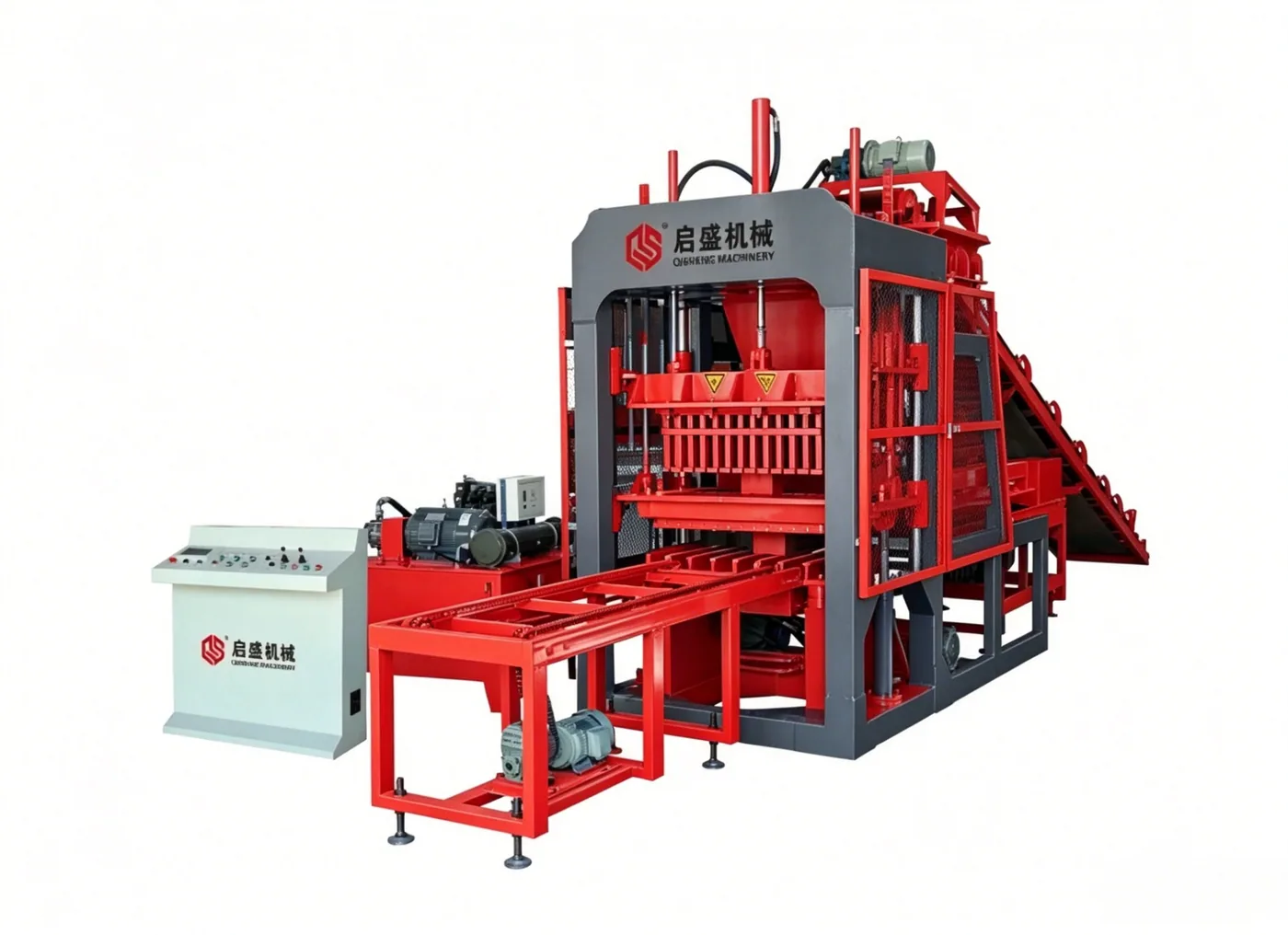
Vibration plus hydraulic pressing, 15 to 20 seconds per cycle for steady block output.
View machine →
Hydraulic static pressing for dense bricks, clean edges, low noise, and steady strength.
View machine →
Larger molding area and a 600 mm cylinder for high density brick output at low noise.
View machine →
Large tonnage static pressing with a 720 mm cylinder for high volume paving brick lines.
View machine →
Upper and lower pressing together for even brick density, no pallet handling, low noise.
View machine →
Large two way static pressing, no pallets and no vibration, built for heavy block output.
View machine →
Servo driven block molding built for continuous, high density output on large lines
View machine →
Electro hydraulic servo molding that raises output while cutting energy and noise
View machine →
Compact and economical block machine with full automation and quick mould changes
View machine →Block size is set by the mould. We build moulds for the sizes common in your market, and can make a custom mould once we have a drawing or exact dimensions.
Block size, required daily output, raw material, voltage and frequency, automation level and site area. With those five points we can specify the right machine or line.
Both. We start from a single machine and go up to a complete line covering batching, mixing, forming, conveying and curing.
Yes. The scope of installation and operator training is defined in the quotation, because it depends on site conditions and automation level.
Yes. Machines are configured for the destination supply, for example 380V 50Hz, 415V 50Hz or 440V 60Hz.
It depends on configuration and quantity, and is fixed in the quotation once specifications are confirmed. We do not quote a flat number of days before that.