Block Making Machines for Iraq
Block making machines for Iraq: how to size the host machine to your daily output, match moulds to hollow blocks, solid bricks and kerb stones, control curing in a hot dry climate, and plan power, raw materials and spare parts. Includes recommended QST models and a full quotation checklist.
For Iraq, choose a block making machine by daily output first, then by product mix. A start-up plant making hollow blocks for local housing usually fits the compact QST8-15 or QST6-15. A mid-size commercial plant serving a governorate fits the QST1200 or QST1000. A large plant feeding city housing or industrial projects fits the QST1500 or QST1800, often with a high-level curing line. Before ordering, confirm your site voltage, your pallet budget and your curing area, because hot, dry air dries green blocks quickly and curing control decides block strength.
Block Making Machine Iraq: How to Choose the Right Configuration
A block making machine Iraq buyers keep running profitably starts with three local facts: a hot, dry climate that pulls water out of fresh blocks within minutes, a product mix that runs from structural hollow blocks to road kerb stones, and a site that may be a small compound in a governorate town or a full industrial plot near Baghdad, Basra or Erbil. Settle three numbers first: your daily output target, the block types you will sell in your first year, and the ground area you can build on. Host machine size, curing method, pallet count and every auxiliary machine follow from those three answers. Buyers who pick a model from a brochure before they settle those numbers usually end up with an oversized line that sits idle or a machine that cannot hold the cycle time they need.
Iraqi buyers generally fall into one of three groups, and each group points to a different band of equipment.
- A new private plant making hollow blocks and solid bricks for local housing. Output target is modest, the plot is small, and one compact fully automatic machine can carry the whole operation.
- A commercial factory selling to contractors across a governorate. It runs two or three products on one machine, needs steadier output per shift, and needs a proper curing yard.
- A large plant feeding city housing programmes or industrial projects. It needs high output per shift, an automated curing and cubing system, and trucks loading through the day.
Key facts for Iraq buyers
- Block machine output is always quoted with conditions. A standard solid brick figure assumes the brick mould, a stable cycle and a full 8-hour shift.
- The QST1800 reaches up to 220,000 standard bricks per 8-hour shift, the QST1200 reaches up to 120,960, and the QST8-15 reaches up to 90,000. Your own numbers depend on mould, cycle and raw material.
- Cycle time across the QST series runs 15 to 25 seconds per pallet, depending on machine and product.
- Installed capacity runs from 44.9 kW on the QST8-15 to 57.6 kW on the QST1200 and 104 kW on the QST1800, before mixer and conveyor loads are added.
- Pallet size is fixed by the machine: 1,400 x 1,400 x 30 mm on the QST1800, 1,350 x 880 x 25 mm on the QST1200 and 980 x 860 x 22 mm on the QST8-15.
Recommended block making machines for Iraq
Match the machine to the output band you actually need. Four model families cover almost every Iraqi project.
- QST1800 / QST1500 for large plants. The QST1800 is the largest vibration-press machine in the range: up to 220,000 standard bricks per 8-hour shift, 104 kW installed, 34 t machine weight. It suits a plant feeding a housing programme and running more than one product. Start at the concrete block making machine range.
- QST1200 / QST1000 for mid-size commercial factories. Up to 120,960 standard bricks per shift on the QST1200, 150 kN vibration force, 57.6 kW installed, 17 t. This size covers hollow blocks, solid bricks and kerb stones on one machine. See the hollow block making machine page.
- QST8-15 / QST6-15 for new and small plants. Up to 90,000 standard bricks per shift, 95 kN vibration force, 44.9 kW, small footprint. This is the entry machine for a private yard. See the automatic block making machine range.
- QSGW / QSDJ / QSRGY curing lines for plants that need automatic curing and cubing. The QSGW high-level line is configured from 30,000 to 250,000 pieces per 8-hour shift. The QSDJ and QSRGY lines can be matched to a host machine from any maker, new or existing. Start at the concrete block production line page.
If you are building the whole factory, from batching to packing, the complete concrete block factory plan shows how the machines fit together and what the site has to provide.
What affects block machine price in Iraq
No serious supplier prices a block machine from a country name alone, and a quote that does should be treated with suspicion. Price moves with the host machine model, the number of moulds, the level of automation, the pallet count, the auxiliary machines you add (mixer, batching machine, cuber, baler, forklift clamp) and the shipping route to your site. A QST8-15 with one mould and manual handling is a very different project from the same machine with three moulds, a curing line and automatic cubing. For a breakdown of what each item adds and how to compare two offers line by line, read the block making machine price guide. Then send your own output target so the quotation is built around your numbers.
Block types and capacity for Iraq
Iraqi demand centres on structural hollow blocks, solid bricks and road kerb stones, with pavers and interlocking blocks for paving and landscaping work.
| Product | Typical use | What it needs from the machine |
|---|---|---|
| Hollow block | Load-bearing and partition walls in housing | High vibration force and a mould built for the block height you sell |
| Solid brick 240 x 115 x 51 mm | Walls, foundations, general masonry | Steady cycle time and constant mix moisture |
| Kerb stone and shaped units | Roads, pavements, industrial yards | Dense mix, and a hydraulic press for the densest units |
| Interlocking and Holland pavers 200 x 100 x 60 mm | Driveways, yards, landscaping | Paver mould plus a curing area that holds straight edges |
Paper capacity and ground capacity differ. A standard brick figure assumes that mould. Hollow blocks take a bigger share of the pallet, so pieces per shift fall even when tonnage rises. Cycle time moves with how fast the mix fills the mould. Tell us which product pays your bills and we size the machine for that product, not for the biggest number in a leaflet.
Curing in Iraq's climate
This is where an Iraqi plant is won or lost. Summer air in most of the country is hot and dry, and green blocks can lose surface water fast enough to crack before they gain strength. Keep the following in mind when you plan the yard.
- Cure under shade or under cover. Direct sun on a pallet of fresh blocks is the fastest route to a cracked face.
- Spray or mist the stack in the first days. Water loss, not low cement content, is the usual cause of weak early blocks.
- Control the water-to-cement ratio at the mixer. Dry aggregate on a hot day pulls water out of the batch before it reaches the mould.
- Allow enough curing area for the output you target. A machine that makes 90,000 bricks a shift needs the pallets and the space to hold them while they cure.
Power supply and installed capacity
The QST series runs on three-phase electric motors and hydraulic power packs. Installed capacity is 44.9 kW on the QST8-15, 57.6 kW on the QST1200 and 104 kW on the QST1800, and you must add the mixer, batching machine and conveyors on top of that. Some auxiliary machines in the range run on AC 380 V / 50 Hz, for example the QSSX-16A strapping baler. Send us your site voltage, phase and frequency before the order is confirmed, so the motors and control panel are built to match what your supply delivers. If your site runs on generator power, say so at quotation stage, because starting current on the larger machines decides the generator size.
Raw materials and mix design
The machines handle cement, sand, gravel and crushed stone, and they also take construction waste, slag, fly ash and gangue as part of the aggregate. In Iraq the two variables that decide block quality are aggregate grading and water. A mix that is too wet sags out of the mould and slows the cycle. A mix that is too dry gives a weak, crumbly face and higher breakage in handling. Screen your sand for oversized stones, keep the water-to-cement ratio steady from batch to batch, and test a sample block before you commit a full production day to a new mix.
Shipping and delivery to Iraq
Machines ship from the factory in China in sea containers and, for the larger units, in break-bulk or flat-rack loads. We prepare the packing list, machine documentation and shipping marks, and we work with your freight forwarder or with ours. Loading is planned around machine weight, which runs from 12 t on the QST6-15 to 34 t on the QST1800, so the correct crane and trailer are arranged before the shipment leaves. Customs clearance rules and import duties are set on your side of the border, so confirm those with your importer before you fix a delivery date. Tell us your nearest port and your site access conditions and we plan the packing to suit them.
Installation, training and spare parts
Installation and commissioning are done with our engineers on site and your team. Training covers mould change, cycle and pressure setting, hydraulic and electrical maintenance, and daily safety checks, so your operators can run the machine and handle routine faults. The wear parts in these machines are the mould, the pallet and the hydraulic seals. We supply moulds for each block type you sell, and we recommend that a new plant orders a spare mould set and a spare pallet set with the first shipment, because a stopped machine costs far more than the parts it waits for. Ask for the recommended spare parts list for your model with the quotation.
How to request an Iraq quotation
To get a useful price, send five things: the block types you want to make, your target output per 8-hour shift, your site voltage and phase, the ground area you can use, and your nearest port. With those, we return a configuration, a machine list, an equipment layout and a quotation with the Iraq Quote reference on it. If you already own a host machine and only need curing, cubing or packing equipment, say so, because the QSDJ and QSRGY lines are built to connect to existing machines. Start the request on the request a quotation page. Ask for Iraq Quote in your message so your file goes straight to the export desk.
Frequently Asked Questions
How much does a block making machine cost in Iraq?
Which block making machine does an Iraq plant usually need?
How many blocks can a machine produce per shift in Iraq?
What does a block making machine Iraq quotation include?
How do I compare block machine suppliers from China?
Does hot weather affect block production in Iraq?
How many workers run a block making machine?
What voltage do the machines need in Iraq?
Related machines
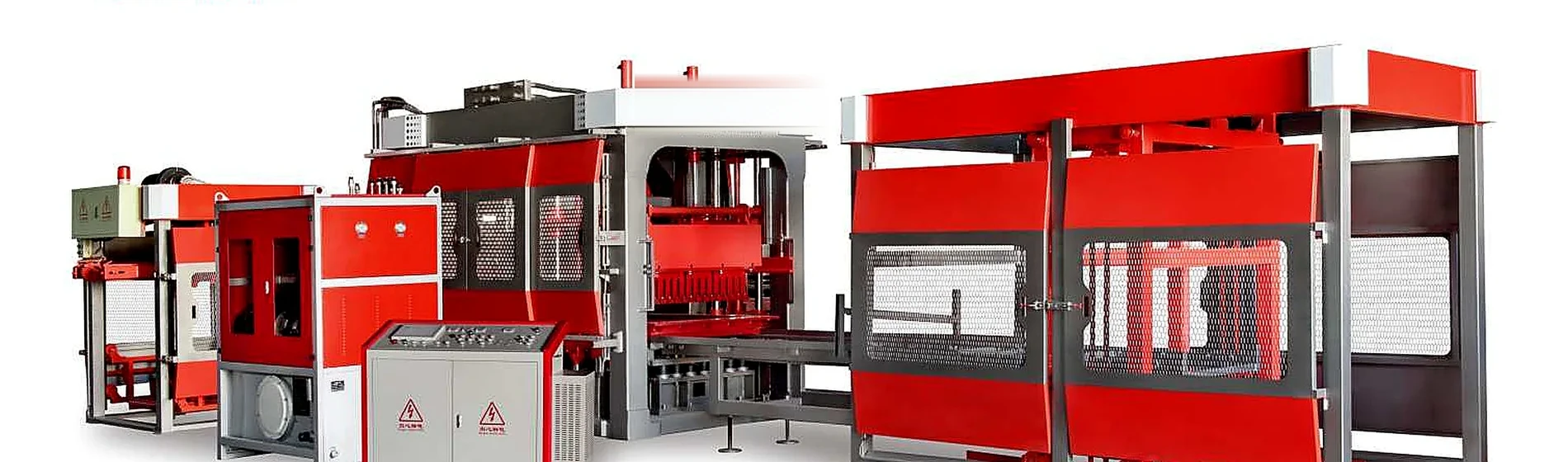
Concrete Block Making Machine
Core machine for hollow blocks, solid blocks, pavers and curbstones.
Automatic Block Making Machine
High-output automatic block machine for industrial production lines.
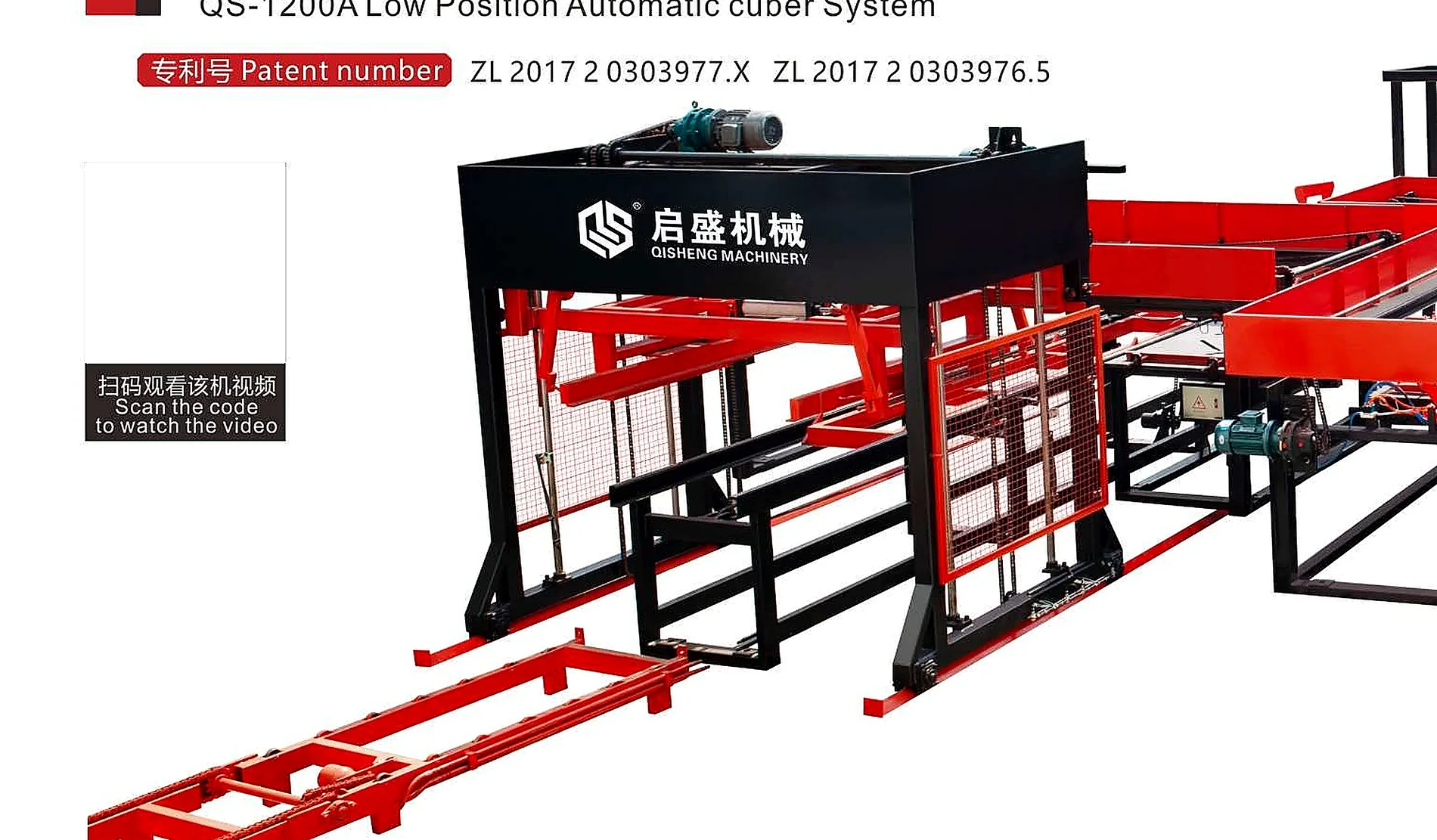
Hydraulic Block Making Machine
Hydraulic forming system for stable density and consistent blocks.
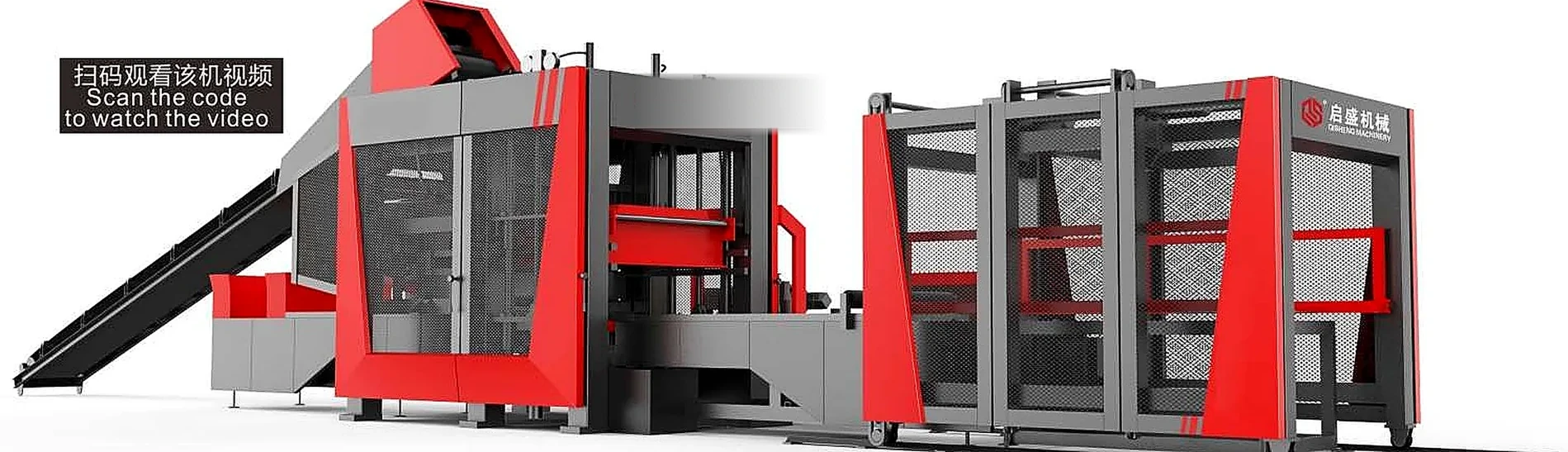
Hollow Block Making Machine
Machine configurations for common hollow concrete block sizes.