Block Making Machines for Oman
A practical guide to choosing a block making machine for Oman: which models suit which project scale, how capacity is set by the product and mould, and what to confirm on power, raw materials, delivery and installation before you request a quotation.
For a block making machine Oman buyers usually choose by project scale. A large housing or infrastructure contract points to a QST1800 or QST1500 machine, a growing factory to the mid-size QST1200, and a single-product yard to the compact QST8-15. Send your block sizes, daily output target and site power, and the machine, moulds and curing plan can be fixed in one exchange. Capacity is quoted per shift for a specific product, never as a single figure.
Block Making Machine Oman: Choosing the Right Configuration
Most enquiries from Oman start with one question: how many blocks the plant must make per shift, and for which project. That answer sets the machine size, the mould list and the yard area. Send your block size, the daily output target and whether the work is a single contract or ongoing supply, and the configuration can be fixed in one or two exchanges.
Three decisions drive the rest of the plan.
- Block type: hollow block for walling, solid brick, interlocking paver or kerb stone. Each product needs its own mould and changes the cycle time.
- Output per shift: a single machine can be sized from a compact automatic unit up to a high-capacity host on a full line.
- Site conditions: available yard, curing space and electrical supply.
Omani work often combines villa and low-rise building with road, yard and landscape packages, so a machine that switches between hollow block and paving products from one platform is usually the practical choice. Change the mould, change the product.
Recommended Machines for an Omani Plant
These are the configurations most Omani buyers review first. Each links to the full product page with specifications and a request form.
- QST1800 / QST1500 fully automatic block making machine: the largest vibration-press build. The QST1800 carries a 34 t machine mass and 280 kN vibration force, reaching up to 220,000 standard bricks per 8-hour shift. Suited to a large single project or a plant supplying several sites.
- QST1200 / QST1000: a mid-size automatic machine, 150 kN vibration force on the QST1200 and up to 120,960 standard bricks per shift. A common step for a factory moving from manual to automatic operation.
- QST8-15 / QST6-15: a compact automatic machine, 95 kN and 68 kN vibration force and a 14 t / 12 t machine weight. It fits a smaller yard and a lean start.
- QSGW high-level production line: configured from 30,000 to 250,000 pieces per 8-hour shift depending on the host machine, with automatic curing, cubing and packing.
If you are weighing a standalone machine against a full plant, the complete block factory solution sets out the equipment list and the factory requirements.
What Affects the Price of a Block Making Machine in Oman
Two plants rarely land on the same budget, because the cost follows the configuration rather than one sticker figure. The factors that move the number:
| Factor | Why it changes the cost |
|---|---|
| Machine model | Mass, installed power and hydraulic build differ across the range, from roughly 14 t to 34 t of machine. |
| Moulds | Every product shape needs its own mould. A plant running hollow block, paver and kerb from one platform carries several sets. |
| Automation level | Manual take-off, semi-automatic and full automatic curing are priced differently because of the equipment included. |
| Batching and mixing | A batching machine and mixer sized to the machine cycle change both throughput and cost. |
| Curing, cubing and packing | Finger-car, rack curing, cuber and strapping systems add scope. |
| Spare parts package | Wear parts, hydraulic spares and a spare mould reduce planned downtime. |
The block making machine price guide explains how to compare quotations that look alike but cover different scope. Ask for a configuration sheet, not only a figure.
Blocks and Capacity an Omani Plant Produces
Output is quoted per shift and always depends on the product, the mould, the cycle time and how steady your raw material feed is. As reference, the QST1800 reaches up to 220,000 standard bricks (240 x 115 x 51 mm) in an 8-hour shift at a 15 to 25 second cycle, and the QST1200 up to 120,960. Hollow block, paver and kerb products run at lower piece counts per cycle, because each piece occupies more of the mould area.
Omani demand commonly mixes hollow block for walling with interlocking pavers and kerb stones for access roads, yards and landscaping. A machine that covers all three from one platform spreads the investment across more of the project scope.
- Hollow block 390 x 190 x 190 mm, the common wall unit.
- Standard brick 240 x 115 x 51 mm for solid work.
- Holland brick 200 x 100 x 60 mm and square block 250 x 250 x 60 mm for paving.
Send your actual block drawings with the enquiry. Mould drawings are prepared from your dimensions, so the quoted capacity matches the products you sell.
Power Supply and Installed Capacity
Confirm your site supply, meaning phase, voltage and frequency, at quotation stage. A standard build ships for 380 V three-phase, and the electrical configuration is then set to match the supply you confirm. Installed capacity rises with machine size: about 44.9 kW on the QST8-15, 57.6 kW on the QST1200, 69.1 kW on the QST1500 and 104 kW on the QST1800, before batching, mixing and curing equipment are added.
Plan the transformer and main panel against the total installed load of the whole line, not only the moulding machine. Curing, cubing and the strapping baler (about 5 kVA) all draw from the same supply. If your available power is limited, say so early. A smaller host machine with a well-planned curing yard often suits a site better than a high-capacity machine that cannot run at full load.
Raw Materials and Mix Design
The machines form blocks from cement, sand, gravel, crushed stone powder and, where available, construction waste, slag, fly ash or gangue. Omani plants usually work with local sand and crushed aggregate, and cement content and aggregate gradation are set from trial mixes for each product.
Moisture control matters in a hot climate. A steady mix feed keeps the cycle time predictable and cuts rejects. The batching machine doses aggregate against a preset ratio with three-point induction sensors, and the planetary mixer gives uniform mixing for higher-grade products such as pavers.
Shipping and Delivery to Oman
Machines load at the Chinese port and ship to your destination port. The main machine units run from about 12 t to 34 t, with dimensions listed on each product page, so the loading plan, container or break-bulk arrangement and lifting points are set per order. Port of discharge, documentation and delivery terms are confirmed against your order before shipping, and the packing list matches the configuration sheet so nothing is separated in transit. Share your nearest port at quotation stage so the loading plan suits the route.
Installation, Training and Spare Parts
Installation follows the foundation drawing supplied with the machine, and commissioning includes a run with your own mix. Operators are trained on the PLC touch screen, mould change, cycle adjustment and routine checks, with a shift checklist for the daily routine. Fault handling on the automatic lines shows an alarm and the fault position, so a specialist is not needed for every stop.
Keep a planned spare parts set on site: wear parts, hydraulic spares and the consumables that stop a line when they run out. The spare parts list is issued with the order so the package matches your configuration.
How to Request an Oman Quotation
Send four things and the quotation will be specific instead of generic.
- Block drawings or sizes, with the type of each product.
- Target output per shift and working hours.
- Site conditions: available yard, curing space and power supply.
- Whether you want a single machine or a full line.
Use the request for quotation form to send these details. You will receive a configuration sheet listing the machine, moulds, batching and curing equipment and the recommended spare parts package for your project.
Request your Oman quote and the configuration and cost factors for your project come back in the same document.
Frequently Asked Questions
How much does a block making machine cost in Oman?
Which block making machine size suits an Oman project?
What output can I expect per shift?
Do the machines handle hollow block and pavers from one platform?
What power supply do the machines need?
What raw materials can I use in Oman?
How does curing work in a hot climate?
What is included when I order, and how is it delivered?
Related machines
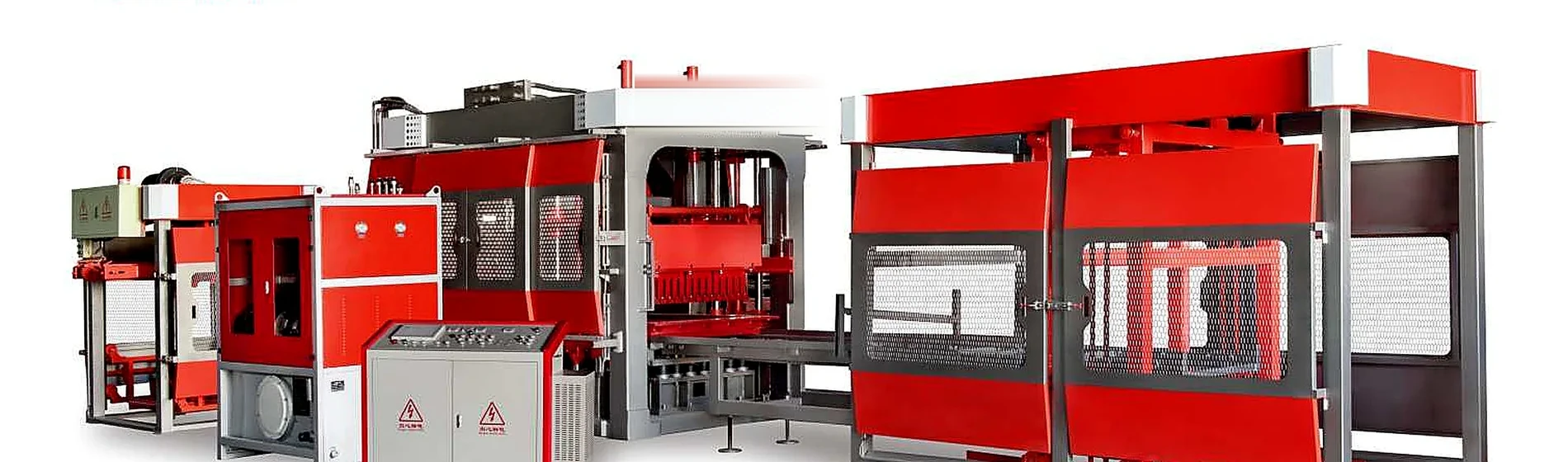
Concrete Block Making Machine
Core machine for hollow blocks, solid blocks, pavers and curbstones.
Automatic Block Making Machine
High-output automatic block machine for industrial production lines.
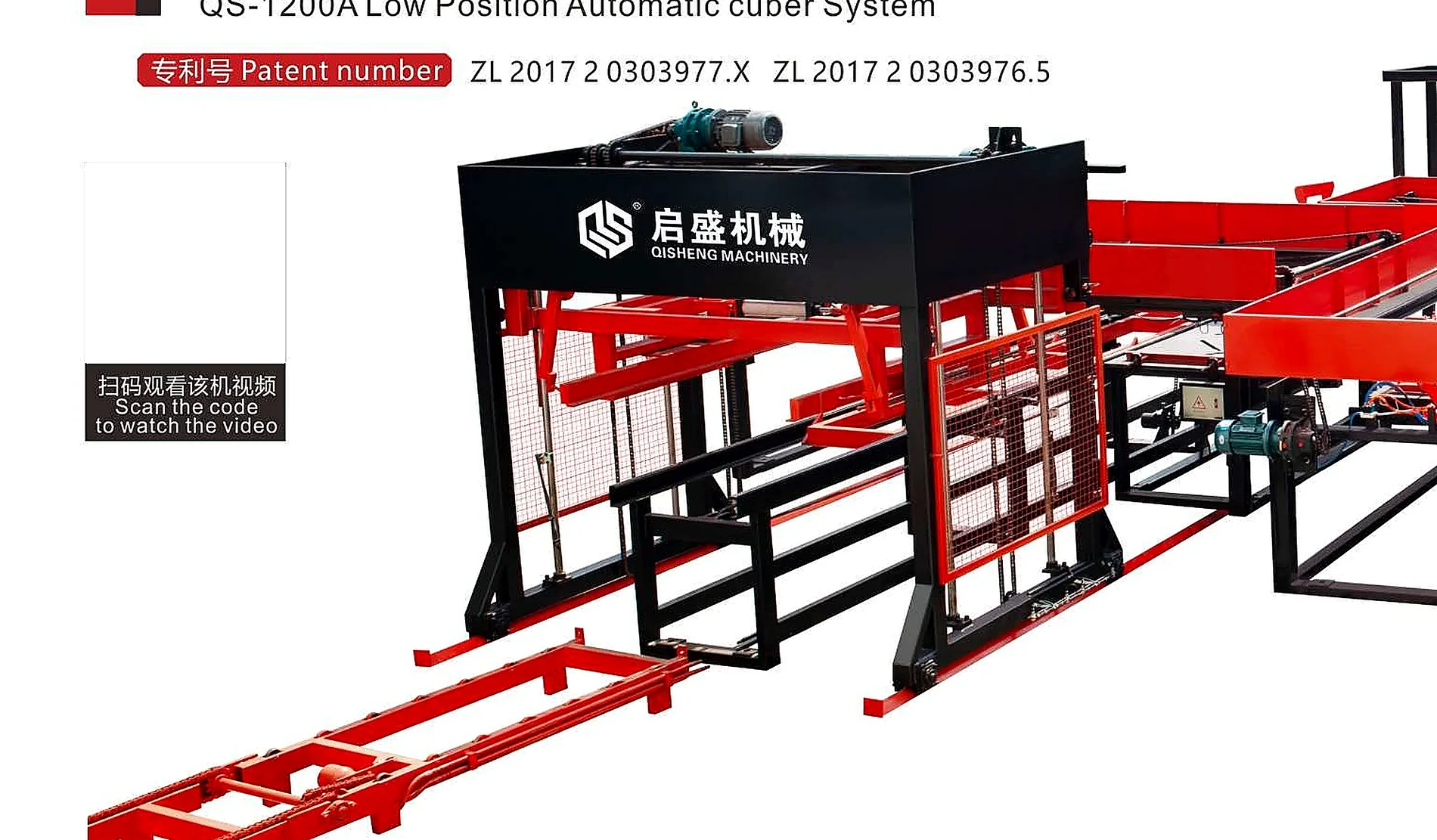
Hydraulic Block Making Machine
Hydraulic forming system for stable density and consistent blocks.
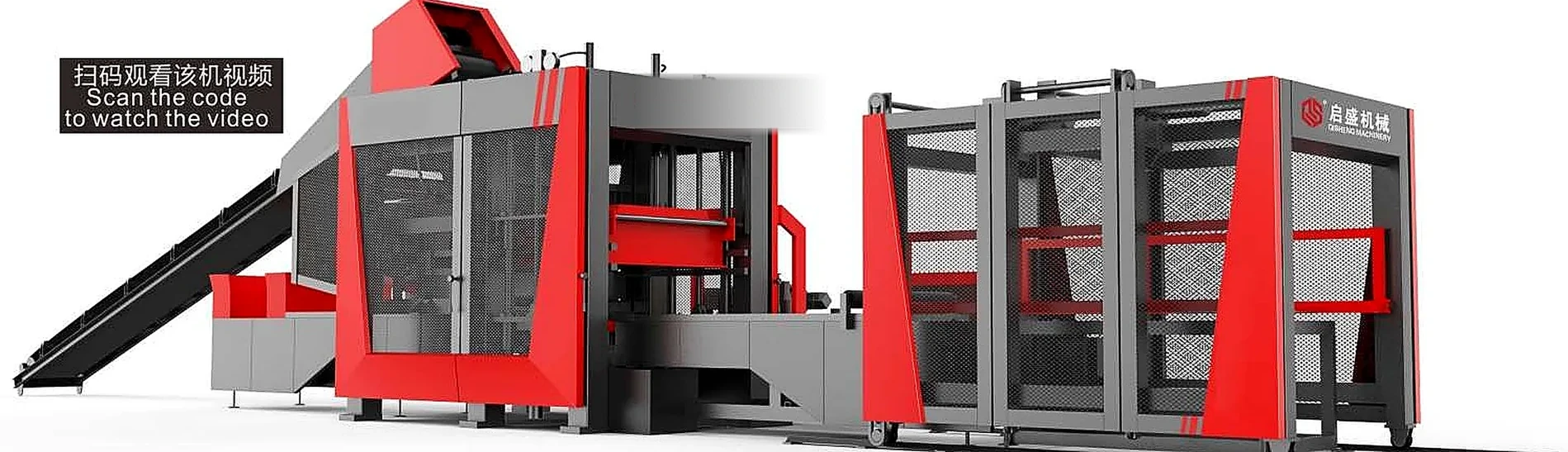
Hollow Block Making Machine
Machine configurations for common hollow concrete block sizes.