Block Making Machine Factory
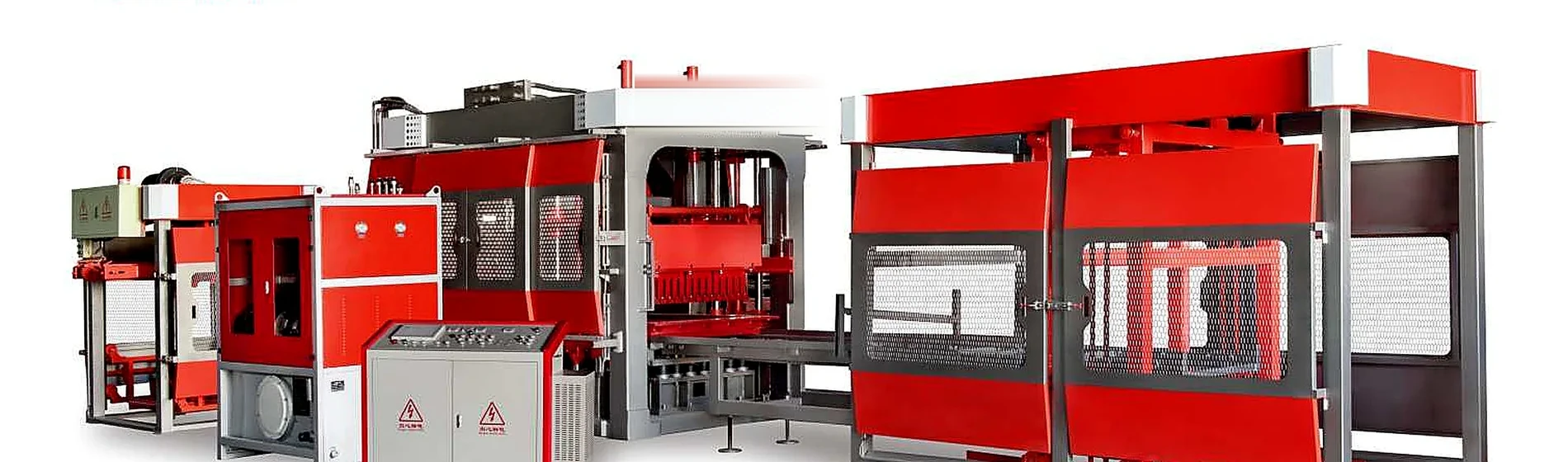
CEMBRIQ block machinery is produced at a block machinery manufacturing facility in Quanzhou, Fujian, China, and tested before shipment. This page explains the production and quality stages, from assembly and trial run to inspection and pre-shipment checks, and what buyers should verify before an order ships.
A block making machine factory builds the machine from the frame and hydraulic system up, runs it under power, inspects it against the order specification and checks it before shipment. CEMBRIQ block machinery is produced at a block machinery manufacturing facility in Quanzhou, Fujian, China, and tested before shipment. Buyers should verify the machine specification, the mould cut to their drawing, the electrical configuration and the spare parts list before the machine is packed.
How CEMBRIQ Block Machinery Is Produced
CEMBRIQ block machinery is produced at a block machinery manufacturing facility in Quanzhou, Fujian, China, and tested before shipment. CEMBRIQ is the brand buyers deal with; the production itself happens at that facility, and the process below explains what that means for the machine you receive.
The four stages are not paperwork. A machine that leaves the facility without a trial run is a machine whose first real cycle happens on your site, in front of your operators, with your mix. Running it in the workshop moves that risk to where it can be fixed before shipping.
Production moves through four stages that matter to a buyer: fabrication and assembly, a trial run under power, inspection against the specification, and a pre-shipment check before the machine is packed into containers. Each stage produces a machine that either passes or goes back for correction before it ships.
- Fabrication and assembly: frame, hydraulic system, vibration unit, mould platform and control panel assembled to the model drawing.
- Trial run: the machine is run under power to check cycle, vibration and pressing before dispatch.
- Inspection: the delivered configuration is checked against the order specification.
- Pre-shipment check: mould, pallet, spare parts and documentation confirmed before packing.
Assembly and Trial Run Before Shipment
The trial run is where most problems are caught. A block machine that runs correctly in the workshop is running the same cycle it will run on your site: filling the mould, vibrating the mix, pressing the block and pushing the pallet out. Because the trial happens under power before packing, the hydraulic pressure, vibration force and cycle time can be verified against the model specification.
- Hydraulic check: rated pressure verified against the model figure, for example 31.5 MPa across the QST and QS range.
- Vibration check: vibration force confirmed, from 68 kN on the small platform up to 280 kN on the QST1800.
- Cycle check: moulding cycle timed, for example 15-25 seconds on the larger QST machines.
- Mould fit: the ordered mould seated and cycled on the machine that will ship with it.
Why the Trial Run Matters to a Buyer
A trial run answers three questions for a buyer. Does the machine cycle at the advertised speed. Does the ordered mould seat and produce a full block. And does the control system run the sequence without faults. None of those can be confirmed from a datasheet alone.
- Speed: cycle timed on the machine, not quoted from a brochure.
- Mould: the ordered mould fitted and cycled, so fit is proven.
- Control: the PLC sequence run end to end.
Inspection and Pre-Shipment Checks
Inspection confirms the machine matches what was ordered before it is packed, not after it arrives. The list below is the part buyers can ask for evidence on: the machine model, the mould and pallet set, the electrical configuration for the destination supply and the spare parts included.
- Model and specification: machine size, weight and installed capacity checked against the model sheet.
- Mould and pallet: correct mould for the block or paver drawing, correct pallet size for the machine.
- Electrical configuration: voltage and control configuration set for the destination supply.
- Spare parts: wear parts and control components included as listed.
- Packing for sea freight: machine protected and loaded for the trip to the Middle East.
The point of the pre-shipment check is to fix any mismatch while the machine is still in the workshop. A wrong pallet size or a control voltage set for the wrong supply is cheap to correct there and expensive to correct at the port or on site.
What Buyers Should Verify at a Block Making Machine Factory
A buyer choosing a block making machine factory should verify the same things regardless of the supplier. It is fair to ask to see the production floor, the trial run of the machine you are buying, and the mould cycled on that machine. It is also fair to ask which parts are included and which are options.
- See the trial run: ask for a video or a live run of the model and mould you ordered.
- Check the specification sheet: machine size, weight, cycle, pressure and installed capacity should be on paper.
- Confirm the mould: the mould should be cut to your drawing, not a standard size assumed.
- Confirm the power configuration: voltage and control must suit your site.
- Confirm the spare parts list: know what ships with the machine.
It is also reasonable to ask for machine photos and a short video at each stage, and to have the specification sheet and the spare parts list sent before shipment rather than with the container. That keeps the order checkable on paper before it sails.
The concrete block making machine range shows the models and their specifications, so the checklist above can be applied model by model.
How to Arrange a Visit or Video Inspection
Buyers who cannot travel can ask for a video call during the trial run of their machine, showing the model, the mould and the cycle. If travel is not possible, that call is the next best option to seeing the machine in person, and it can cover the finished block coming off the pallet. Buyers who can travel can arrange to visit the facility before shipment. Either way the machine should be seen running the configuration that will ship to your site.
For the cost structure behind the machine, read the block making machine price guide. For a full plant rather than a single machine, see the complete concrete block factory layout. To arrange a trial run or a visit, start on the RFQ page.
Talk to Factory about a trial run, an inspection visit or a video check of the machine and mould you are ordering. Start on the RFQ page.