Block Making Machines for Jordan
Block making machines for Jordan: how to size a compact plant to your daily output, match moulds to hollow blocks, partition units and pavers, cure blocks through dry summers and cold highland winters, and plan power, spare parts and an export quotation.
For Jordan, most buyers need a smaller machine than Gulf projects order. A start-up yard making hollow blocks and solid bricks for a local market fits the QST8-15 or QST6-15. A plant that sells across a region and wants kerb stones, pavers or partition units on one machine fits the QST1200 or QST1000. Where dense, sharply edged pavers are the main product, a QS800 to QS1500 hydraulic press gives the density a vibration machine cannot reach. Choose on your real output target and plot size, not on the largest number in a brochure.
Block Making Machine Jordan: How to Choose the Right Configuration
A block making machine Jordan buyers can keep running profitably is usually chosen on a smaller scale than many Gulf neighbours expect. Most Jordanian projects are private factories and family-owned yards serving a town or a housing development, not mega lines. That changes the calculation. You want a machine that fits a compact plot, runs on the power your site already has, and produces the hollow blocks and partition units your customers order, without forcing you into a curing yard you cannot fill. Decide your daily output first, then the product mix, then the space.
Jordanian buyers typically fall into two groups.
- A start-up yard making hollow blocks and solid bricks for a local market. One compact fully automatic machine, a small mixer and a curing area are enough to begin.
- A growing commercial plant that already sells and wants to add kerb stones, pavers or partition blocks on the same host machine, with steadier output per shift.
Key facts for Jordan buyers
- The QST8-15 reaches up to 90,000 standard bricks per 8-hour shift and the QST1200 up to 120,960, both with a 15 to 23 second cycle depending on product.
- Installed capacity is 44.9 kW on the QST8-15 and 57.6 kW on the QST1200, before mixer and conveyor loads.
- Machine weight is 14 t on the QST8-15 and 17 t on the QST1200, which decides the crane and trailer you need at delivery.
- Pallet size is fixed by the machine: 980 x 860 x 22 mm on the QST8-15 and 1,350 x 880 x 25 mm on the QST1200.
- Output figures assume the stated mould, a stable cycle and a full shift. Your own numbers depend on your mix and product.
Recommended block making machines for Jordan
- QST8-15 / QST6-15 for a new yard. Up to 90,000 standard bricks per shift, 95 kN vibration force, 44.9 kW, small footprint. This is the right start for a private plant with a limited plot. See the automatic block making machine range.
- QST1200 / QST1000 for a plant moving up. Up to 120,960 standard bricks per shift, 150 kN vibration force, 57.6 kW. One machine covers hollow blocks, solid bricks, kerb stones and pavers, so you can follow demand without buying a second host machine. Compare it on the concrete block making machine page.
- QSRGY finger-car curing line for a plant that wants automatic curing without a large building. It works with a host machine from any maker, can run single-layer or multi-layer, and needs 3 to 4 persons for the whole production task. See the concrete block production line page.
- QS800 to QS1500 hydraulic presses for dense pavers and kerb stones. Where the market wants high-density, sharply edged units, a hydraulic press gives the density a vibration-press machine cannot reach, and it presses without pallets.
If you plan the whole plant at once, the complete concrete block factory plan sets out the batching, moulding, curing and packing stages in order.
What affects block machine price in Jordan
Price follows configuration, not country. The items that move the number are the host machine model, the number of moulds, how much automation you add, the pallet count and the auxiliary machines (mixer, batching machine, cuber, baler). A single-mould start-up and a three-mould automated line differ in price for reasons you can itemise. Read the block making machine price guide for the breakdown, then send your output target so the offer is built on your numbers. Treat with suspicion any offer that quotes a country price without asking what you intend to produce.
Block types and capacity for Jordan
| Product | Typical use | What it needs |
|---|---|---|
| Hollow block | Walls for housing and commercial buildings | High vibration force and the block height your market buys |
| Partition and thin-wall units | Interior walls and lighter structures | A mould built for the thin unit and a mix that holds its shape |
| Solid brick 240 x 115 x 51 mm | Foundations and general masonry | Constant cycle and steady mix moisture |
| Interlocking and Holland pavers | Driveways, yards and municipal paving | Paver mould, dense mix and a curing area that holds straight edges |
Capacity on paper assumes the stated mould. A thin partition unit fills the pallet with more pieces. A hollow block fills it with fewer but heavier pieces. Size the machine for the product that carries your order book, because that is the number your plant has to deliver every day.
Curing in Jordan's climate
Jordan gives you two problems in one year. Summers are hot and dry, so fresh blocks lose surface water fast and can crack. Winters are cold in the highland areas, with frost that damages green blocks before they gain strength. Plan for both when you lay out the yard.
- Shade the fresh stacks in summer and spray them in the first days, because water loss is the usual cause of weak early blocks.
- Cover the curing area in winter and keep green blocks off wet ground so frost does not reach them before they are firm.
- Water is scarce in many parts of the country, so plan a curing method that uses it efficiently and keep the mixer water under control.
Power supply and installed capacity
The QST machines run on three-phase electric motors and hydraulic power packs. Installed capacity is 44.9 kW on the QST8-15 and 57.6 kW on the QST1200, and the mixer, batching machine and conveyors sit on top of that. The QSRGY curing line can be powered two ways: track power that takes 380 V AC down to 36 V DC on the running rail, or a 36 V lithium battery with an automatic charging pile. Send your site voltage, phase and frequency before the order is confirmed so the motors and control panel match your supply. On a generator, say so at quotation stage, because starting current decides generator size.
Raw materials and mix design
The machines take cement, sand, gravel and crushed stone, and also construction waste, slag, fly ash and gangue. In Jordan, local aggregate and local sand vary by region, so grading is the first thing to check. Keep the water-to-cement ratio steady and screen the sand for oversized stones. Test a sample block before you commit a full production day to a new mix. On a dry, hot day a batch stiffens quickly, so keep the mixer close to the machine and the mix moving.
Shipping and delivery to Jordan
Machines ship from China in sea containers, and larger units travel break-bulk or on flat racks. The QST8-15 weighs 14 t and the QST1200 weighs 17 t, so plan the crane and trailer before the shipment arrives. We prepare the packing list, machine documentation and shipping marks and work with your forwarder or ours. Customs rules and import duties are set on your side of the border, so confirm them with your importer before you fix a delivery date. Tell us the port you import through and your site access conditions, and we pack to suit them.
Installation, training and spare parts
Our engineers attend installation and commissioning with your team. Training covers mould change, cycle and pressure setting, hydraulic and electrical maintenance and daily safety checks. The wear parts are the mould, the pallet and the hydraulic seals. Order a spare mould set and a spare pallet set with the first shipment if you can, because a stopped machine costs more than the parts it waits for. Ask for the recommended spare parts list for your model with the quotation, and keep the critical seals in stock on site.
How to request a Jordan quotation
Send five things for a useful price: the block types you want to make, your target output per 8-hour shift, your site voltage and phase, the ground area you can use, and the port you import through. We return a configuration, a machine list, a layout and a quotation under the Jordan Quote reference. If you already own a host machine and only need curing, cubing or packing, the QSRGY line connects to machines from any maker. Start at the request a quotation page. Ask for Jordan Quote in your message so your file goes straight to the export desk.
Frequently Asked Questions
How much does a block making machine cost in Jordan?
Which machine is best for a small block plant in Jordan?
Can one machine make hollow blocks and pavers?
What does a block making machine Jordan quotation include?
How does Jordan's winter affect block curing?
How many workers are needed to run the line?
How do I compare block machine suppliers from China?
What spare parts should I order with the machine?
Related machines
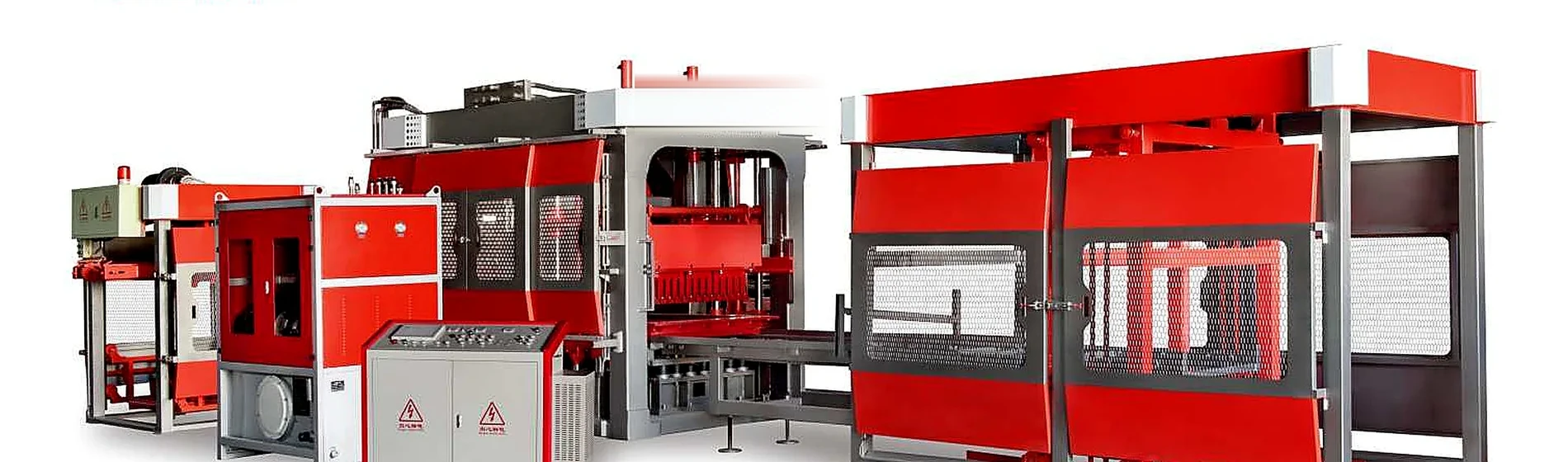
Concrete Block Making Machine
Core machine for hollow blocks, solid blocks, pavers and curbstones.
Automatic Block Making Machine
High-output automatic block machine for industrial production lines.
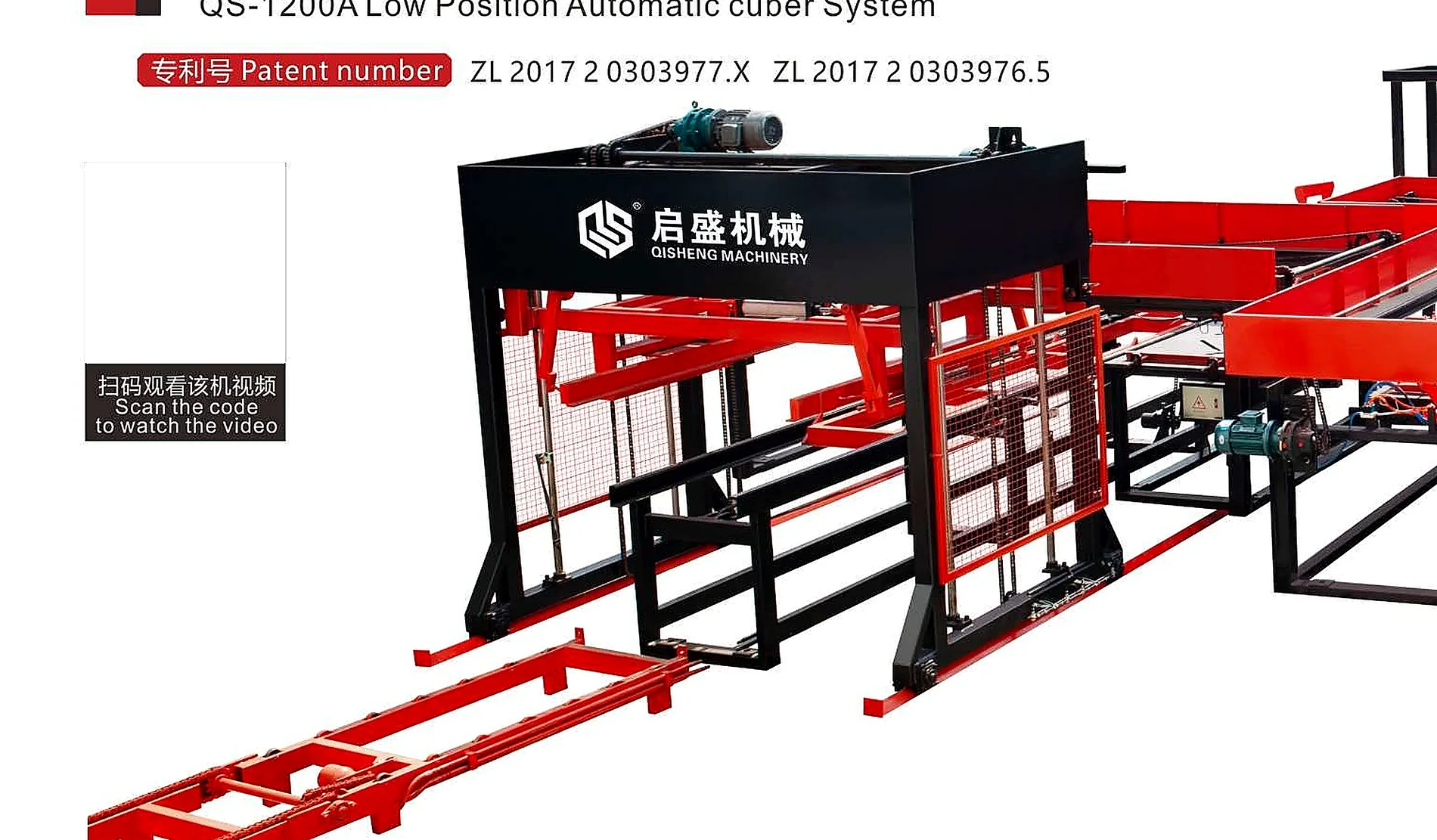
Hydraulic Block Making Machine
Hydraulic forming system for stable density and consistent blocks.
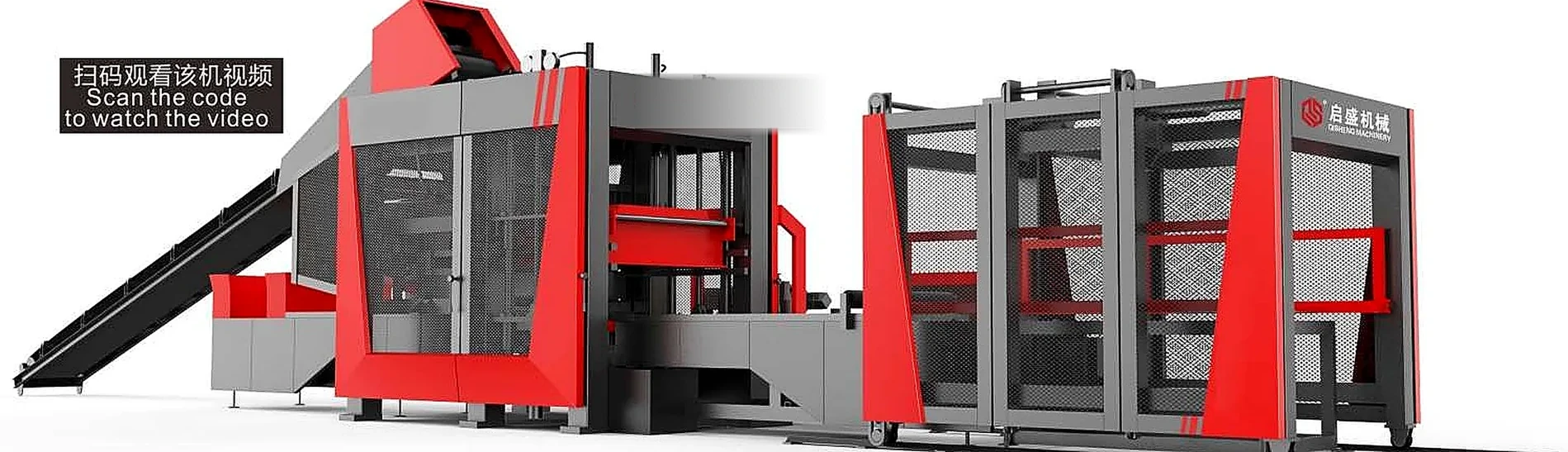
Hollow Block Making Machine
Machine configurations for common hollow concrete block sizes.