Block Making Machines for Kuwait
Selecting a block making machine for Kuwait, where dry heat and high volume shape the decision. This guide covers which models fit which output, how heat affects curing, what power and materials the machines need, and how to request a Kuwait quotation.
A block making machine Kuwait buyers order is usually specified by volume and by the demands of a dry, hot site. High-output housing and infrastructure work points to the QST1800 or QST1500, while a single-line factory can run the compact QST8-15. Because summer heat speeds moisture loss from green blocks, the curing plan and yard shading matter as much as the press. Send your target output and block sizes to fix the configuration.
Block Making Machine Kuwait: Matching Output to the Contract
Kuwait enquiries tend to be output-led. A single large contract for housing or infrastructure can absorb a plant's full shift, so the machine is chosen around the daily block count rather than the other way round. Before the model is fixed, three inputs matter.
- The products you sell: hollow block, solid brick, interlocking paver or kerb stone. Each needs its own mould and runs at its own cycle.
- The output the contract needs per shift, and how many shifts per day.
- The yard, curing area and power available on your site.
A dry, very hot site changes the calculation. Green blocks lose moisture fast, so a covered curing yard and controlled water curing protect strength and cut rejects. The machine and the curing plan are decided together, never separately.
Recommended Machines for a Kuwait Plant
These are the builds most Kuwait buyers review first, from high output down to a compact start. Each links to the full product page.
- QST1800 / QST1500 fully automatic block making machine: the highest-output vibration-press build. The QST1800 has a 34 t machine mass, 280 kN vibration force and a 15 to 25 second cycle, reaching up to 220,000 standard bricks per 8-hour shift. Built for a plant feeding a large contract.
- QST1200 / QST1000: a mid-size automatic machine, 150 kN vibration force and up to 120,960 standard bricks per shift on the QST1200. Suited to a factory running one strong product line.
- QSGW high-level production line: a closed-loop plant configured from 30,000 to 250,000 pieces per 8-hour shift, with automatic curing, cubing and packing for continuous output.
- QST8-15 / QST6-15: a compact automatic machine for a smaller yard or a phased start, 95 kN and 68 kN vibration force.
For a plant that must run day after day without manual handling, the complete block factory solution shows how the machine, curing and packing stages link together.
What Drives the Cost of a Block Making Machine in Kuwait
Cost follows the configuration, so two plants with the same daily target can still differ. What moves the number:
| Factor | How it changes the cost |
|---|---|
| Machine model | Mass, installed power and hydraulic build differ, from roughly 14 t up to 34 t of machine. |
| Mould sets | Each product shape needs its own mould, so a mixed product range carries several sets. |
| Curing and handling | Automatic curing, cubing and pallet handling equipment add scope for a continuous plant. |
| Batching and mixing | A batching machine and mixer sized to the cycle change throughput and cost. |
| Automation level | Manual take-off against a full automatic line with automatic cuber and strapping. |
| Spare parts package | Wear parts and hydraulic spares planned against your shift pattern. |
The block making machine price guide shows how to compare quotations that cover different scope. Ask for the configuration sheet so the comparison is like for like.
Blocks and Capacity for a Hot, High-Volume Plant
Capacity is always tied to the product, mould and cycle. The QST1800 reaches up to 220,000 standard bricks (240 x 115 x 51 mm) per 8-hour shift at a 15 to 25 second cycle, and the QST1200 up to 120,960. Hollow block and paver products run at lower piece counts because each piece fills more mould area. In a hot climate the achievable figure also depends on keeping the cycle steady and the mix feed consistent.
Kuwait demand leans on high-strength hollow block for walls and pavers and kerb stones for roads and yards. Running both from one platform lets the plant bid across the whole scope rather than one package.
- Hollow block 390 x 190 x 190 mm for walling.
- Standard brick 240 x 115 x 51 mm for solid work.
- Holland brick 200 x 100 x 60 mm and square block 250 x 250 x 60 mm for paving.
Power Supply and Installed Capacity
State your site supply, phase, voltage and frequency, at quotation stage. A standard build ships for 380 V three-phase and the electrical configuration is then matched to the supply you confirm. Installed capacity climbs with machine size: about 44.9 kW on the QST8-15, 57.6 kW on the QST1200, 69.1 kW on the QST1500 and 104 kW on the QST1800, before batching, mixing and curing equipment are added. Size the transformer and main panel against the total load of the line, and raise any power limit early so the host machine matches the supply you actually have.
Raw Materials and Mix Design
The machines press blocks from cement, sand, gravel and crushed stone powder, and also accept construction waste, slag, fly ash or gangue where those are available. Kuwait plants work with local sand and crushed aggregate, with cement content and gradation set from trial mixes per product. In dry heat, mix moisture is critical, so a batching machine that doses aggregate by preset ratio with three-point induction sensors and a planetary mixer for uniform mixing keep the cycle predictable.
Shipping and Delivery to Kuwait
Machines load at the Chinese port and ship to your destination port. The main units range from about 12 t to 34 t with the dimensions on each product page, so the loading plan, container or break-bulk arrangement and lifting points are set per order. Port of discharge, documentation and delivery terms are confirmed against your order before shipping, and the packing list matches the configuration sheet so nothing is lost or separated in transit. Tell us your nearest port so the loading plan fits the route.
Installation, Training and Spare Parts
Installation follows the foundation drawing issued with the machine, and commissioning includes a run with your own mix. Operators are trained on the PLC touch screen, mould change, cycle adjustment and daily checks, with a shift checklist. The automatic lines show an alarm and the fault position on a stop, so routine faults do not need a specialist. Keep a planned spare parts set on site, wear parts, hydraulic spares and consumables, sized to your shift pattern so a busy plant is never stopped by a small part.
How to Request a Kuwait Quotation
Send these details and the quotation will be built around your project.
- Block sizes and the type of each product.
- Target output per shift and the number of shifts per day.
- Site yard, curing space and power supply.
- Single machine or a full line.
Use the request for quotation form to send them. You will receive a configuration sheet with the machine, moulds, curing and batching equipment and the spare parts package for your plant.
Request your Kuwait quote and the configuration and cost factors for your project come back in the same document.
Frequently Asked Questions
How much does a block making machine cost in Kuwait?
Which machine suits a high-output Kuwait project?
How does the hot climate affect production?
How much output can one machine deliver per shift?
Can one machine make hollow block and pavers?
What power supply do the machines require?
What raw materials work in the mix?
What is delivered and how does the shipment work?
Related machines
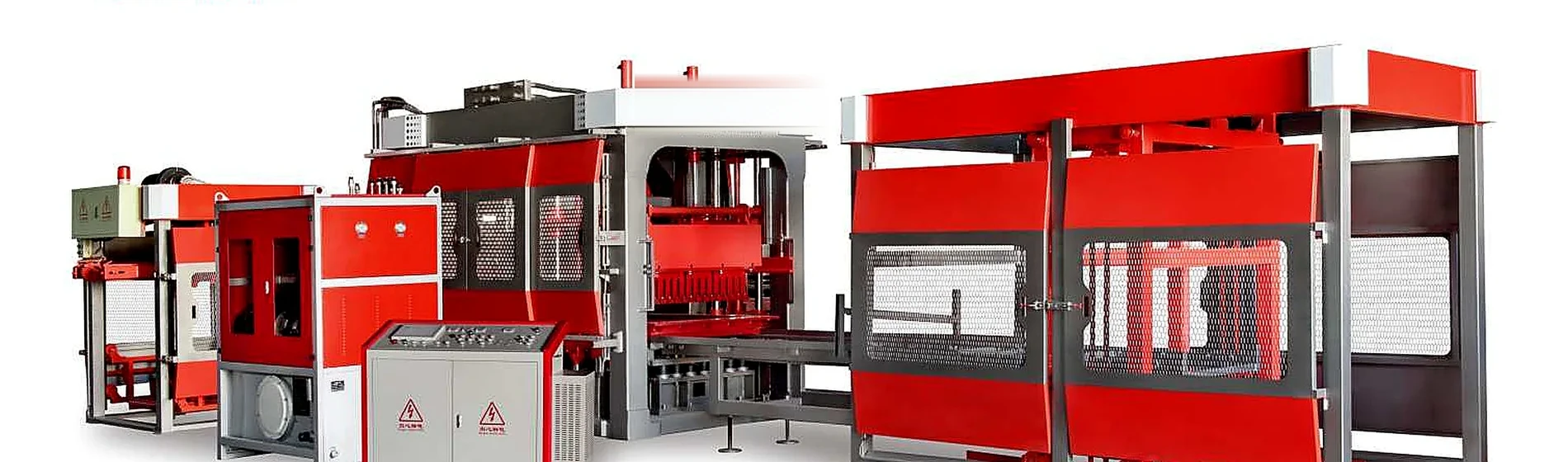
Concrete Block Making Machine
Core machine for hollow blocks, solid blocks, pavers and curbstones.
Automatic Block Making Machine
High-output automatic block machine for industrial production lines.
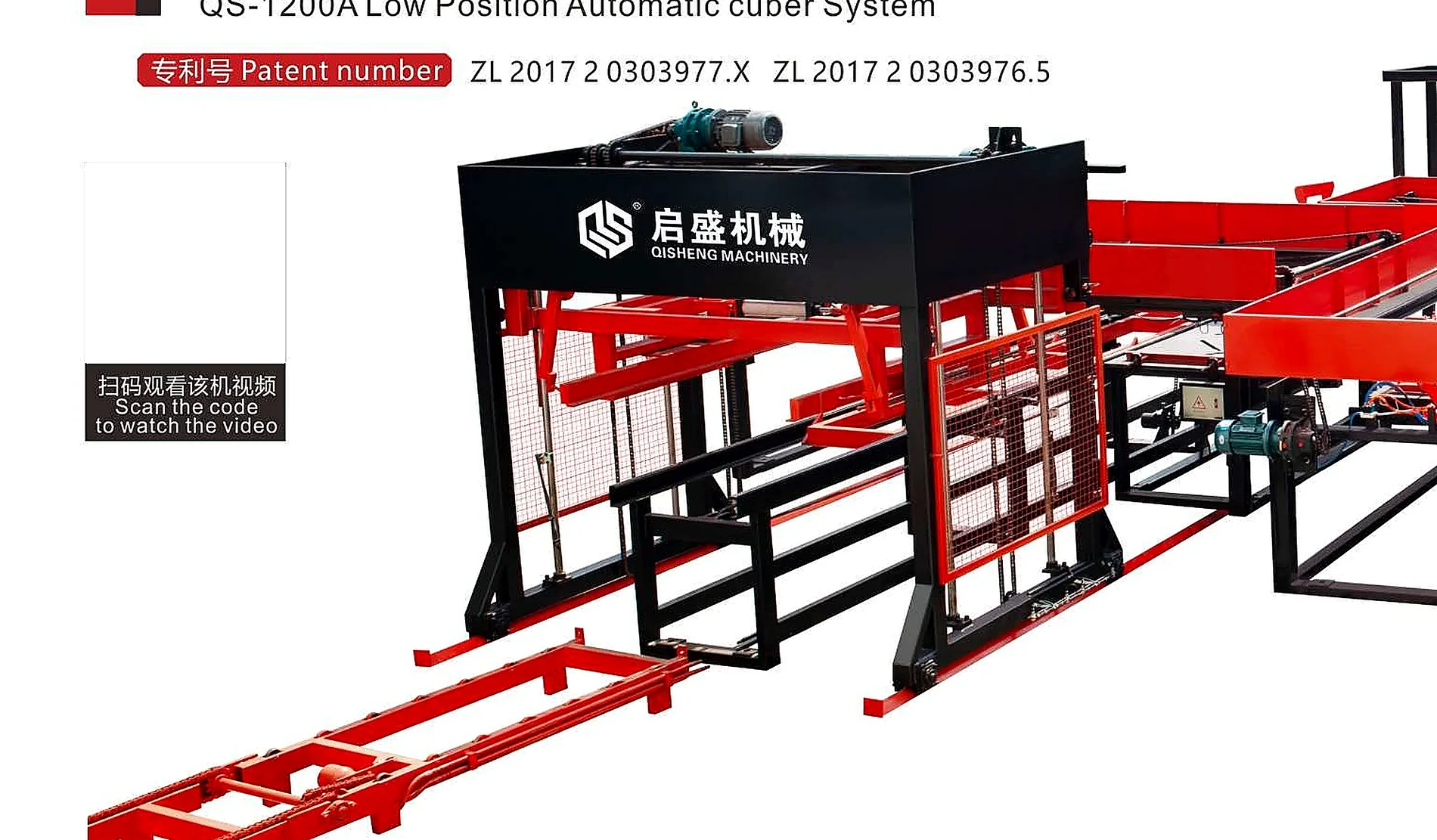
Hydraulic Block Making Machine
Hydraulic forming system for stable density and consistent blocks.
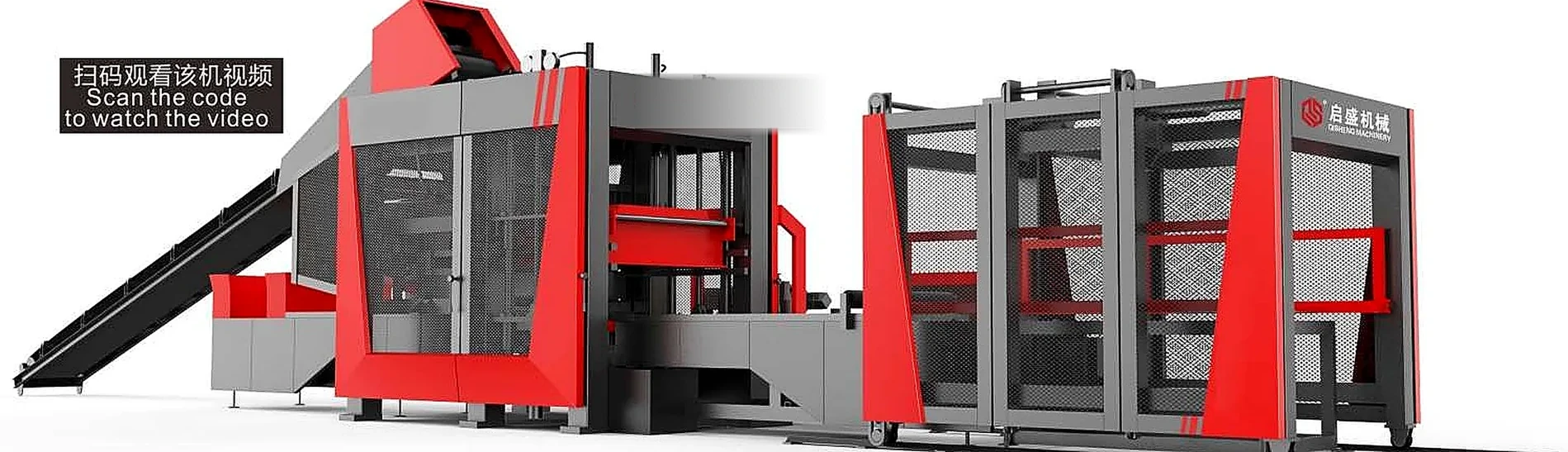
Hollow Block Making Machine
Machine configurations for common hollow concrete block sizes.