Block Machine for Sale
Buying a block machine for sale is a configuration decision, not a catalogue pick. This guide lists the real machine families, from the compact QST6-15 up to the QST1800 and the pallet-free QSMT range, and shows how to select the right capacity, what is included, and what the buyer carries separately.
A block machine for sale comes as a family, not a single product. The range runs from the compact QST6-15 and QST8-15 automatic machines, through the mid-size QST1200 and large QST1800, to hydraulic presses and the pallet-free QSMT wet cuber, and up to the fully automatic QSGW production line. One machine serves many products by changing the mould. Choose against your block mix, daily output and site power, then confirm the included scope and the auxiliary equipment before ordering.
What Block Machines Are Available for Sale
A block machine for sale is not one product. It is a family that runs from a compact automatic machine for a single yard to a full turnkey plant that batches, moulds, cures, cubes and packs on one control system. The right question is never which machine is best in general, it is which machine fits your block mix, your daily output and your site. This page lists what is available, how the configuration choices differ, and what a buyer should confirm before ordering.
Quick facts for buyers
- Four main machine families are available: vibration-press, hydraulic press, pallet-free wet cuber, and full production lines.
- One machine serves many products by changing the mould, not by buying a second machine.
- Capacity is set by block type, mould layout and cycle time, not by the machine model alone.
- Automation level decides how many people stand on the line per shift.
- Packing, freight, installation and local site works are separate scope items.
New Machine or a Different Configuration
Most buyers who think they need a new machine actually need a different configuration of the machine they already shortlisted. Before you add a second host, check these three points.
| Question | What it decides | What changes |
|---|---|---|
| Which block types must I sell? | How many moulds the order carries | Mould package, not the host |
| What output do I need per shift? | Which host band fits | Machine size |
| How much manual handling can I afford? | The automation level | Control, stacking, pallet feeding |
Run the three questions in order. Block type first, because it sets the mould list. Output second, because it sets the host band. Handling third, because it sets the automation level. Buyers who answer in that order rarely overbuy, and the quotation they receive matches the plant they actually intend to run.
If your current mix already runs on one host and you only want a new product shape, the answer is usually a new mould and a cycle setting, not another machine. If your daily tonnage has outgrown the host, a larger model or a second shift is the answer. Name both the product plan and the output target in the enquiry and the recommendation follows from the numbers.
Machine Type Table for Sale
The table below lists the real machine families and their working data, so you can line up models against your project.
| Family | Model | Type | Cycle | Output reference | Installed power |
|---|---|---|---|---|---|
| Compact automatic | QST6-15 | Vibration-press | 15–23 s | Small yard, one or two block types | 34.4 kW |
| Compact automatic | QST8-15 | Vibration-press | 15–23 s | Up to 90,000 standard bricks per 8-hour shift | 44.9 kW |
| Mid-size automatic | QST1200 / QST1000 | Vibration-press | 15–25 s | Up to 120,960 standard bricks per 8-hour shift (QST1200) | 57.6 kW / 48.9 kW |
| Large automatic | QST1800 / QST1500 | Vibration-press | 15–25 s | Up to 220,000 standard bricks per 8-hour shift (QST1800) | 104 kW / 69.1 kW |
| Hydraulic press | QS600 / QS800 / QS1000 / QS1500 | Single-direction hydraulic | 20–25 s | Holland brick 16 / 24 / 32 / 40 pcs per mould | 46.9 to 88.4 kW |
| Hydraulic press | QS800 / QS1000 / QS1500 | Double-direction hydraulic | 18–22 s | 5 / 10 / 12 hollow blocks per mould | 70 / 105.4 / 108.2 kW |
| Pallet-free machine | QSMT500 / QSMT1000 | Wet block cuber machine | 13–18 s | Up to 135,000 bricks per 8-hour shift (QSMT1000) | 39.5 kW / 57.5 kW |
| Production line | QSGW intelligent high-level line | Fully automatic plant | Configured to host | 30,000 to 250,000 pcs per 8-hour shift | Depends on host |
Moulding area and pallet size travel with each model. The QST8-15 uses a 980 × 860 × 22 mm pallet, the QST1200 a 1,350 × 880 × 25 mm pallet, and the QST1800 a 1,400 × 1,400 × 30 mm pallet. Pallet size changes both the blocks per cycle and the volume the line needs on the floor, so it belongs in the comparison.
Capacity Selector
Use this selector to move from a daily target to a host band. The figures assume one block type, a stable mix and a clean cycle.
| Daily target | Suggested host | Shifts | Installed power to plan for |
|---|---|---|---|
| Small local supply | QST6-15 | One | 34.4 kW |
| Growing factory | QST8-15 | One | 44.9 kW |
| Commercial paver and block supply | QST1200 | One to two | 57.6 kW |
| High volume plant | QST1800 | Two | 104 kW |
Read the daily target as pieces of a named block, not as a vague tonnage. A hollow block and a solid brick made on the same host return different piece counts, and a face-mix paver adds a second material layer and slows the cycle. On a concrete block making machine the practical output is always a range with conditions attached.
Block Types and the Moulds Behind Them
Every product shape needs its own mould, and the mould is what turns one host into a multi product machine. Buyers who name their full product plan in the first enquiry receive a mould package that covers two years of selling, instead of ordering one mould and paying a second freight later.
| Product | Typical machine family | Mould note |
|---|---|---|
| Standard solid brick | QST series | Core shape, highest piece count per cycle |
| Hollow block 390 × 190 × 190 mm | QST series, QS hydraulic | 5 to 12 per mould depending on model |
| Interlocking and lawn pavers | QST series, QS hydraulic | Face-mix layer, dedicated mould |
| Kerb stones and slope bricks | QST1200, QS hydraulic | Tall profile, slower cycle |
| Imitation-stone and PC bricks | QSGW line, CMP mixing | Second material layer and matched mould |
| Holland and square blocks | QS600 to QS1500 press | 16 to 40 pieces per mould by model |
Changing a block height inside the same family usually needs a new mould rather than a setting change, so the height range you plan to sell should be listed before the order is placed.
Power, Site and Raw Material Readiness
A machine can only run at the numbers on paper when the site behind it is ready. Check these points before you order, because each one can add a cost that does not appear in any machine quotation.
- Incoming power: the host band sets the installed load, from 34.4 kW on the QST6-15 up to 104 kW on the QST1800, so size the transformer and cable to the full load, not the running average.
- Voltage and phase: confirm the site supply matches the machine control voltage before shipment, and decide early whether a generator is part of the plan.
- Site area: allow for the host, the curing area and the movement path of a loader or forklift. A rack curing line needs less flat yard than open-air curing.
- Raw materials: cement, sand, gravel and crushed stone, or secondary materials such as fly ash, slag and construction waste, all feed the same mixing line and change the mix design.
- Water and mixing: the batching and mixing equipment is sized to the host cycle, so state the cycle and batch size when you ask for those items.
- Foundation: drawings are issued before shipment so the concrete work runs during transit, and the site crew must pour to the drawing, not to the ground.
Handling this list early keeps the machine and the site on the same schedule. For buyers in the region, the Syria market page shows how power, climate and logistics are planned in practice.
What a Block Machine for Sale Includes
Scope is the part buyers under-check. Two offers for the same model can differ widely in what travels with the machine.
- The moulding host, its control system and the first mould for your main block type.
- The main wear parts that arrive with the machine, so the first weeks of running are covered.
- Foundation drawings, issued before shipment so the concrete work runs during transit.
- Operation and maintenance documentation, and a commissioning visit to confirm the cycle.
- Export packing with a packing list, so delivery can be checked item by item.
Auxiliary items are quoted on their own. Batching, planetary mixing, pallet feeding, cubing, wrapping and strapping are separate equipment lines, and each can also be sourced later. If you want a finished plant rather than a single machine, list every auxiliary you intend to run so the whole line is priced in one scope.
Shipping, Installation and Spare Parts
A machine for sale is delivered, commissioned and then kept running. Each of those is a separate service.
| Stage | Supplier side | Buyer side |
|---|---|---|
| Packing and loading | Export packing, crate list, loading at the factory | Nothing until arrival |
| Freight | Inland transport to port, ocean freight to destination port | Port charges, customs, duty, inland transport |
| Unloading | Loading plan provided | Crane, forklift and labour on site |
| Installation | Engineers on site, assembly and commissioning | Local labour, power connection, travel and stay |
| Training | Operator training on operation, mould change and faults | People released for training |
| Spare parts | Wear-part list and reorder route | Local stock and reorder timing |
Partners in the region handle power, climate and logistics in practice. The Syria market page is one example of how voltage, raw materials and delivery are planned for a specific country. Before you order, confirm the site voltage and phase, and decide whether a generator is part of the plan.
Delivery is a chain of handovers, and each handover has a cost on one side or the other. Confirm which side each stage sits on before you sign, because a stage that looks covered in one offer is often excluded in the next, and the two totals are then not comparable.
Buyer Checklist Before You Commit
- Block types and exact sizes in mm, with face-mix noted where relevant.
- Output target per day and per 8-hour shift, per block type.
- Mould list: shapes wanted now, and which are planned later.
- Site power, voltage and phase, and whether a generator is needed.
- Site area and curing method, either a curing yard or a rack line.
- Automation level and the number of workers you plan to run.
- Destination port and port of discharge.
- Installation and training wanted as part of the order, yes or no.
- Wear parts and the spare-part reorder route.
- Local costs to budget separately: foundation, transformer, unloading, duty and tax.
Walk through a quotation against this list before you sign. A price guide for the equipment side sits on the block making machine price page, and the same normalisation rules apply to both.
Check Available Configuration
Availability and price both follow the configuration. A machine that fits your block mix, output target and site is the one worth ordering, and that is a configuration conversation, not a catalogue lookup. Send your block sizes, the shapes you plan to sell, your daily output and your site power, and the reply states the available configuration, the mould package and the auxiliary list for your project. Check available configuration before you compare offers on the factory gate. Start at the request for quotation page.
Frequently Asked Questions
What types of block machine are available for sale?
Can one machine make more than one block type?
Which machine fits a small yard with limited power?
What capacity can these machines reach?
What is included with a block machine for sale?
Is installation and training part of the machine for sale?
What does the buyer pay separately from the machine?
Do I need a full production line or a single machine?
How long does installation and commissioning take?
How do I confirm the available configuration for my project?
Related machines
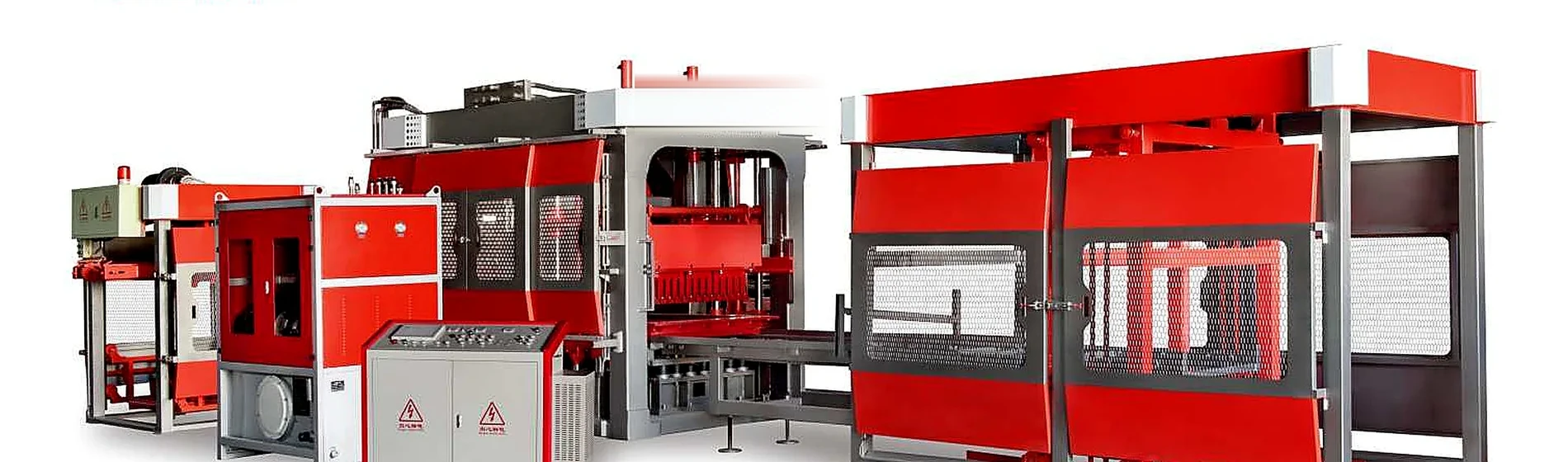
Concrete Block Making Machine
Core machine for hollow blocks, solid blocks, pavers and curbstones.
Automatic Block Making Machine
High-output automatic block machine for industrial production lines.
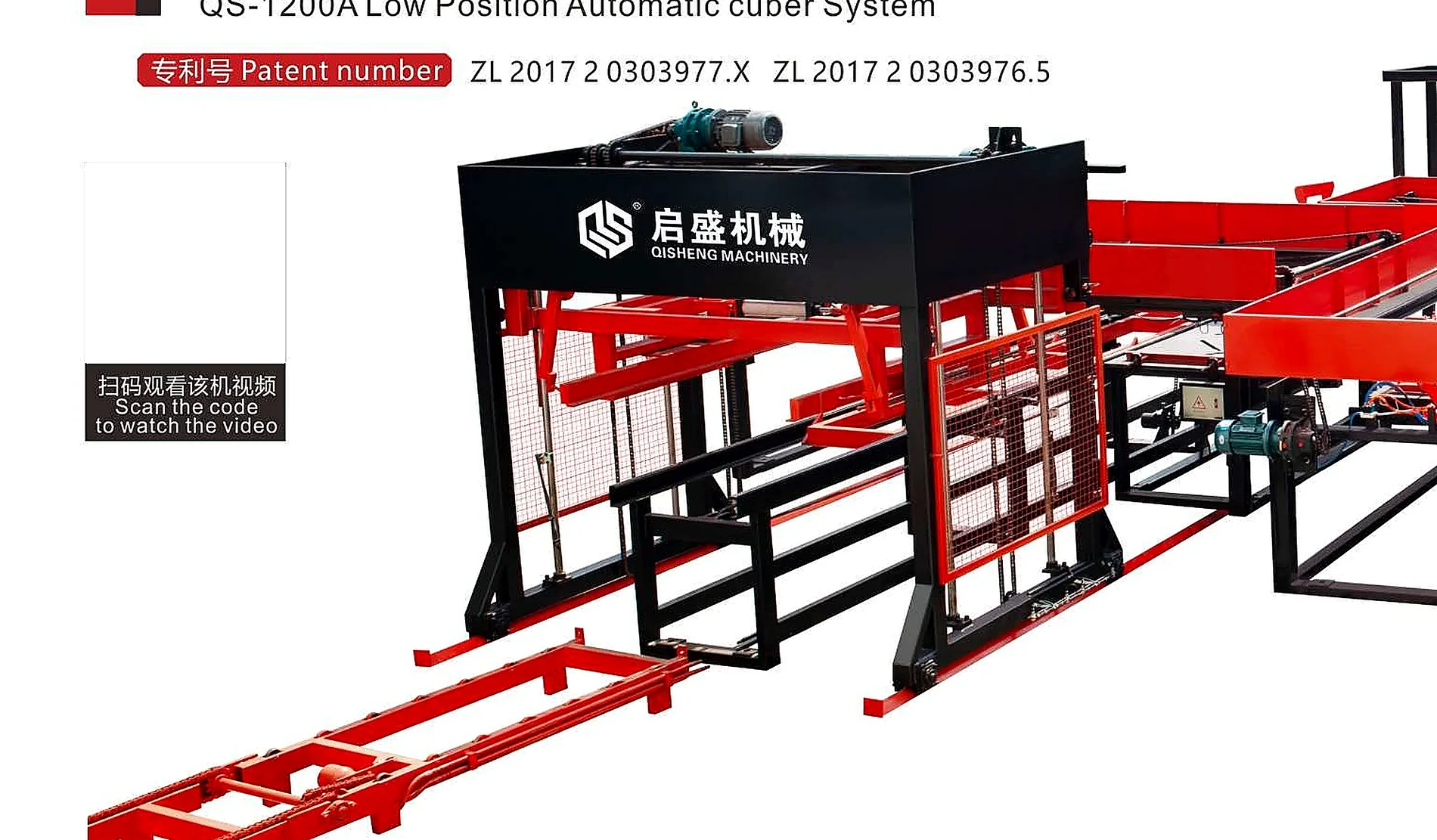
Hydraulic Block Making Machine
Hydraulic forming system for stable density and consistent blocks.
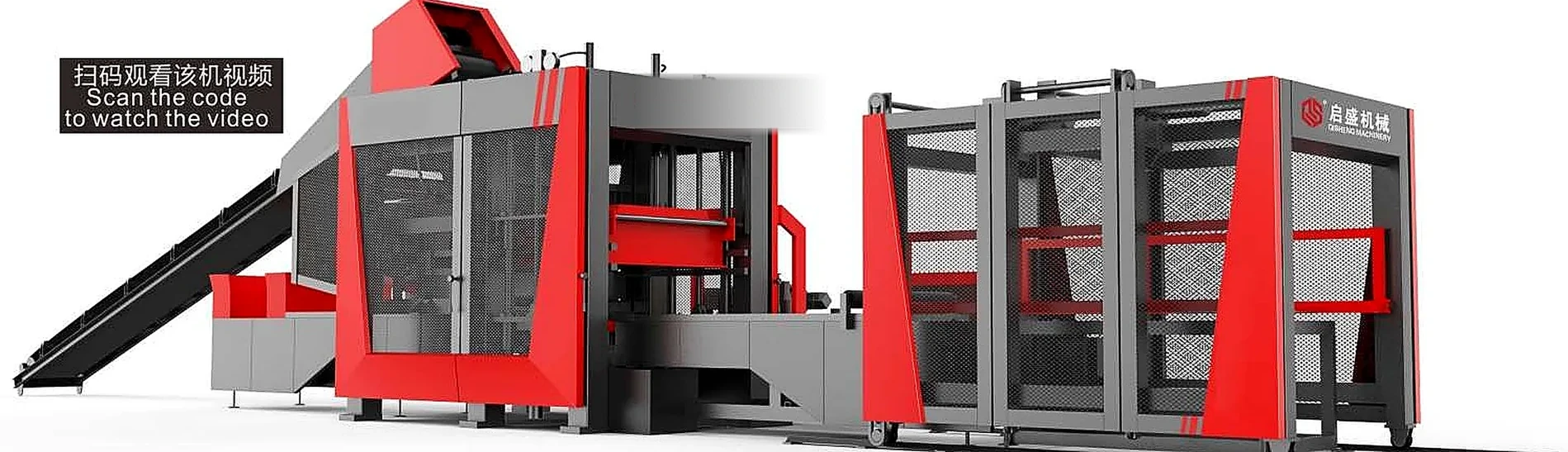
Hollow Block Making Machine
Machine configurations for common hollow concrete block sizes.