Automatic vs Semi Automatic Block Making Machine
A practical comparison of automatic and semi automatic block making machines, covering the control system, labour per shift, output stability, maintenance and spare parts, product changeover, and the factory size that fits each system. Read it before you choose the automation level for your plant.
An automatic block making machine runs the full moulding cycle under PLC control with sensors, so the operator monitors the line rather than operating each step. A semi automatic block making machine keeps the same vibration and press moulding but leaves part of the cycle to the operator, which lowers the equipment scope while staffing stays higher. For stable, high daily output with fewer workers per shift, automatic is the fit. For low to medium output, a narrow product range and a smaller budget, semi automatic can reach the same block quality at a lower entry scope.
Automatic vs Semi Automatic Block Making Machine: The Real Difference
The moulding method is not the difference. Both an automatic and a semi automatic block making machine press and vibrate the same concrete in the same type of mould, so both can produce a sound hollow block or paver. What changes is how much of the cycle the machine controls and how much is left to the operator. On a fully automatic block making machine, the PLC runs feed, vibration, press, demould and pallet transfer as one closed cycle. On a semi automatic block making machine, the operator starts and manages several of those steps by hand.
That single difference drives everything else: how many people you need per shift, how steady the output is, how much the system costs to own and maintain, and how well the plant scales when demand grows. Neither system is the wrong answer. The right one depends on your daily output target, your product range and your budget.
One point is worth stating clearly before the comparison: choosing semi automatic is not settling for a weaker machine. It is choosing a different level of automation for the same core moulding process. A plant that runs a semi automatic machine well can serve its market for years, then add automatic handling when volume justifies it. Read the table below as a fit check against your own plant, not as a ranking.
Where the Two Systems Actually Differ
Put the two systems side by side on the same block type and the practical differences become clear.
| Aspect | Semi automatic | Automatic |
|---|---|---|
| Cycle control | Operator starts and manages several steps | PLC runs the full cycle from a touch screen |
| Operator role | Active through each cycle | Monitoring and adjustment |
| Cycle consistency | Varies with operator pace | Held close to the set cycle time |
| People per shift | Higher, mainly on pallets and the yard | Lower; automatic lines can run with 3 to 6 persons |
| Output stability | Good at steady, low to medium rates | Steady across a shift and across shifts |
| Block quality consistency | Depends on operator discipline | Repeats the same fill and press settings |
| Changeover to a new mould | Manual and slower | Programme and setting based |
| Fault handling | Operator detects and reacts | Automatic stop, alarm and fault display |
| Maintenance skill needed | Mechanical focus | Mechanical plus control and sensor knowledge |
| Floor space | Smaller footprint | Larger once curing handling is included |
| Best fit | Low to medium output, focused product range | Medium to high output, wider product range |
| Upgrade path | Can be extended with automatic handling | Scales with curing lines and cubing |
Read the table from top to bottom and the pattern is clear. The automatic system trades a higher equipment scope for a steadier cycle and fewer hands. The semi automatic system trades a little output stability for a shorter, simpler equipment list.
Control System: PLC Automatic and Touch Screen vs Hand Operation
A PLC automatic block making machine coordinates the sub-systems rather than just switching motors. On the QST range the control package pairs an intelligent PLC touch screen with imported hydraulic proportional components, arch-breaking rapid distribution and extended vibration. Settings for vibration, press and cycle are entered on screen and then repeated cycle after cycle without an operator re-deciding each step.
A semi automatic machine leaves the timing of those steps to the operator. That is a lower-cost way to reach the same block quality when volumes are modest, and many successful plants run this way. The trade-off is that the cycle time, and therefore the daily output, sits with whoever is running the machine that shift.
Labour, Output Stability and Product Quality
Labour is usually the clearest difference. A fully automatic curing line such as the QSRGY finger-car system is described as running the whole production task with 3 to 4 persons, and the QSGW high-level line with 3 to 6 persons depending on configuration. Semi automatic setups need more people because pallets and green blocks are handled by hand.
Output stability follows from the cycle. When the machine holds a set cycle of, for example, 15 to 25 seconds, output over a shift is predictable. When a person sets the pace, output moves with fatigue and shift change. Both systems can make good blocks. The automatic system makes the same block more times per shift with fewer hands, which matters most when you have orders to fill on a fixed date.
For a plant running one shift with a small product range, the extra hands of a semi automatic setup are easy to absorb. For a plant running two or three shifts, the labour difference compounds across every shift, and that is where automatic control pays back fastest.
Investment, Maintenance and Spare Parts
An automatic system carries more equipment: control cabinet, sensors, proportional hydraulics, and often automatic handling and curing. That raises the purchase scope and means the maintenance team must understand controls as well as mechanics. A semi automatic system has a shorter equipment list and simpler fault-finding, which suits a plant without a controls technician on staff.
When you compare the two on paper, put the full scope on both sides: the machine, the control package, the handling and the curing. A semi automatic machine that later gains automatic pallet feeding and curing has grown into a different plant, so compare the configuration you actually intend to run, not the machine alone.
Neither is free of wear. Vibration motors, moulds, pallets, hydraulic components and sensors are consumables or wear items on both systems. For either choice, agree the spare parts list at purchase, including what ships with the machine and what is a fast-moving consumable. Model details and included items are on the automatic block making machine page and in the concrete block making machine range.
Product Range and Mould Changes Between the Two Systems
Both systems make one product per mould, so the product range is set by the moulds you own, not by the automation level. What changes is how quickly you switch between them. On an automatic machine the changeover is programme and setting based, so moving from a wall block to a paver on the same pallet is a controlled step. On a semi automatic machine the same change is manual and takes longer, which matters when you produce several products in one week.
| Product situation | Semi automatic | Automatic |
|---|---|---|
| One product, long runs | Few changeovers, easy to manage | Holds one setting for the whole run |
| Three or more products, short runs | Frequent manual changeovers, slower | Faster, programme-based changeovers |
| Pavers and kerb stones | Possible, settings set by hand | Repeats density and finish settings |
| Mixed order book | Needs planning to batch products | Switches with less lost time |
If your market buys one or two products in large runs, a semi automatic machine with a small mould set is a practical match. If it buys a mix of blocks, pavers and kerb stones in shorter runs, the automatic system loses less time on changeovers across the year.
Which Factory Size Fits Which System
| Plant profile | Recommended system | Why |
|---|---|---|
| One or two block types, modest daily target | Semi automatic | Lower scope, hand handling is enough |
| Steady daily output, three or more block types | Automatic, compact model | Consistent cycle, fewer people per shift |
| High daily output, multiple shifts | Automatic with curing line | Stable output, organised curing and cubing |
| Growing from low volume | Semi automatic now, upgrade later | Keep the machine, add automatic handling |
Match the system to your target output rather than to the largest machine available. The capacity guide shows how block type and cycle decide real output, and the same comparison is used for regional projects such as Syria.
How Automation Changes Shift Planning and Scaling
Automation changes how a second or third shift works. On an automatic line the cycle is set by the machine, so a night shift runs at close to the day shift rate with a small team. On a semi automatic machine every shift depends on the operator's pace, so a second shift needs another experienced operator to hold the same output.
Scaling follows the same logic. An automatic machine is easier to extend into a curing line with cubing and packing, because the handling is already controlled. A semi automatic plant usually scales by adding people and yard space first, then automating the handling later. Neither path is wrong. The automatic path reaches high output with fewer people, and the semi automatic path reaches it with a lower equipment scope and more hands.
Compare Configuration
Send your block types and daily output target through the RFQ page and CEMBRIQ will return two configurations side by side, one semi automatic and one automatic, with the machine model, the included auxiliaries and the staffing for each, so you compare the same scope. For cost factors without prices, read the price guide, or review the available configurations before you decide.
Frequently Asked Questions
What is the difference between automatic and semi automatic block making machines?
Which is better for a small block factory?
How many workers does an automatic block machine need?
Can a semi automatic machine make the same block quality as an automatic one?
What does PLC automatic control add?
Can I upgrade a semi automatic machine to automatic later?
Which system has lower maintenance?
Is an automatic machine worth it for 10,000 blocks per day?
How does automation affect daily output stability?
What should I compare in an automatic vs semi automatic quotation?
Related machines
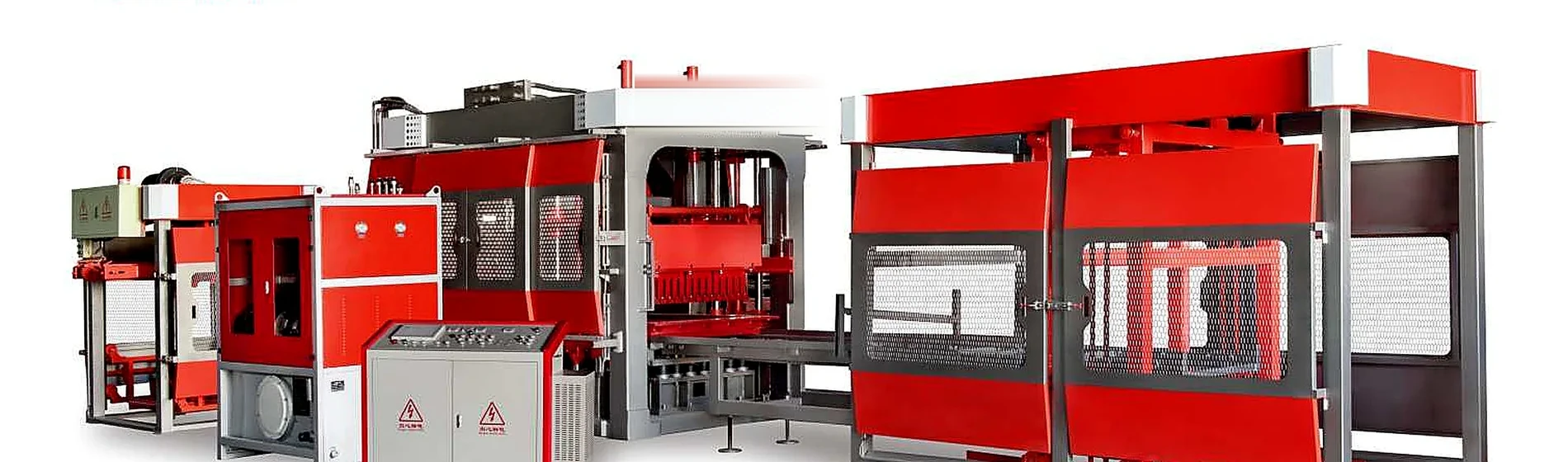
Concrete Block Making Machine
Core machine for hollow blocks, solid blocks, pavers and curbstones.
Automatic Block Making Machine
High-output automatic block machine for industrial production lines.
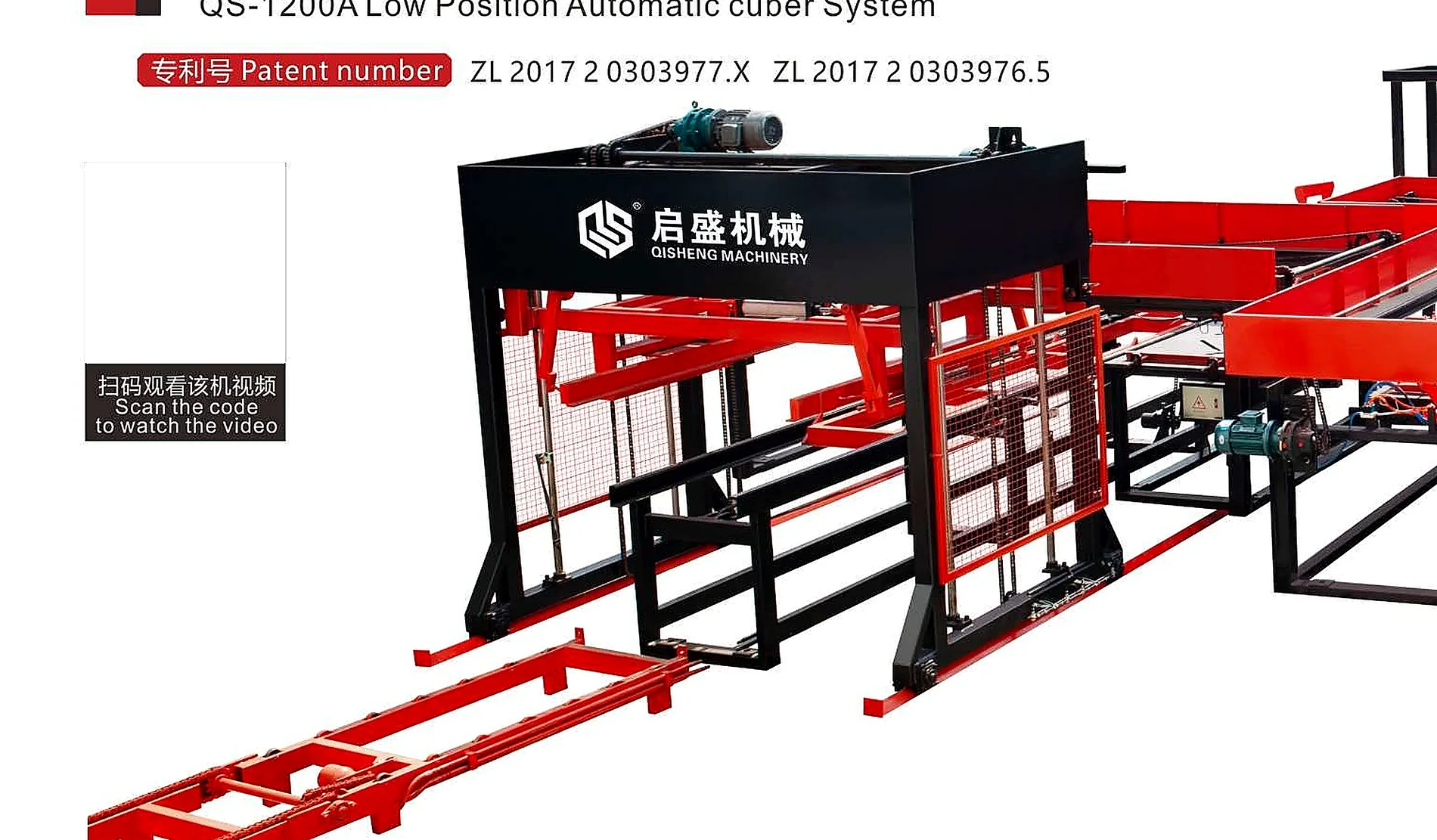
Hydraulic Block Making Machine
Hydraulic forming system for stable density and consistent blocks.
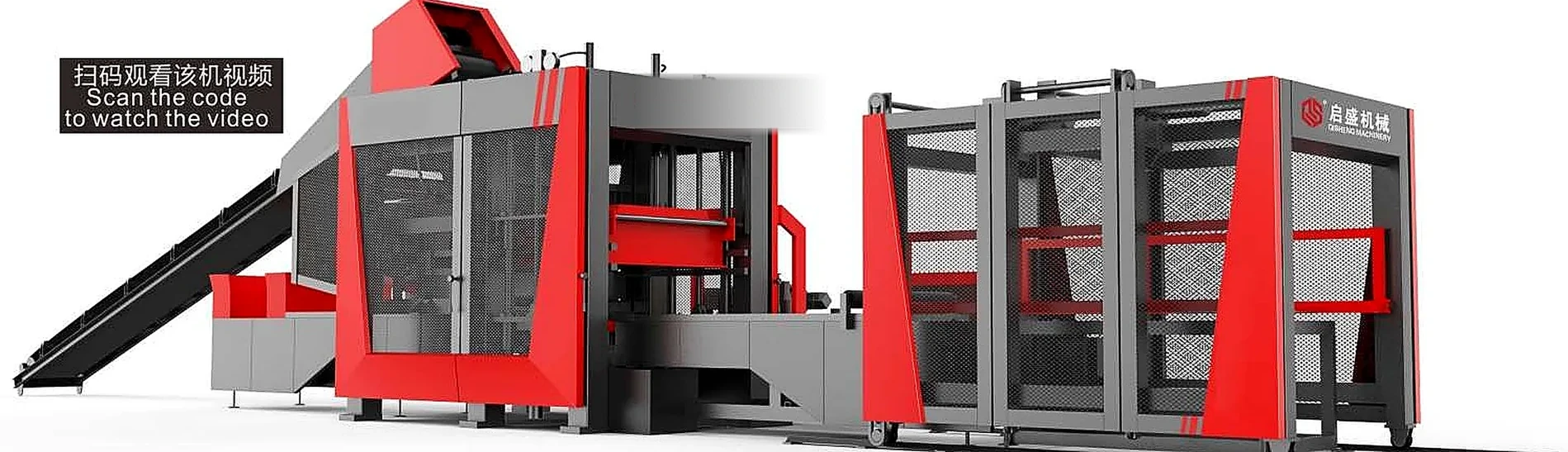
Hollow Block Making Machine
Machine configurations for common hollow concrete block sizes.