Block Making Machine Capacity
How block making machine capacity really works: what affects daily output, real QST model capacity ranges with the conditions behind each figure, and how to work backwards from a 10,000 or 20,000 blocks per day target to the right model and cycle.
Block making machine capacity is the number of blocks one machine makes in a shift under stated conditions: a specific block size, one mould, one cycle time and one shift length. A model rated up to 220,000 standard bricks per 8-hour shift produces that figure only with the matching brick size and cycle, and less with larger or hollow products. Always read a capacity number together with the block size, the cycle and the shift, then adjust it for your own product mix.
Block Making Machine Capacity: What Sets Your Real Daily Output
Capacity is a conditional number. A block making machine rated at up to 220,000 standard bricks per 8-hour shift reaches that figure with one brick size, one mould and one cycle time. Change the product to a large hollow block and the same machine makes fewer pieces per cycle and therefore fewer per shift. Any capacity figure is useful only when it is paired with the block size, the mould and the cycle that produced it.
Three things decide your real output: how many blocks the mould makes per cycle, how long each cycle takes, and how much of the shift the machine actually runs. Everything else, from raw material to curing, works through those three numbers. This guide shows what moves capacity, gives real ranges with their conditions, and then shows how to work backwards from the daily output you need.
A word on how to use the figures in this guide. Every number here comes with the block size, the mould and the cycle that produced it, because a bare number is not a plan. Use the ranges to choose a model class, then confirm the exact figure for your own product with the supplier before you commit to it.
What Affects Daily Output
Six factors decide how close you get to any stated figure. Treat the stated capacity as a ceiling, and these factors decide how far below it you land on a normal working day.
| Factor | How it moves your output |
|---|---|
| Block type and mould | Bigger or hollow products mean fewer pieces per cycle |
| Cycle time | A shorter cycle gives more cycles per shift |
| Shift length and count | Two shifts at the same cycle give roughly double the output |
| Raw material stability | Wet or variable aggregate forces cycle adjustments and slows the machine |
| Curing and handling capacity | If pallets, curing space or cubing cannot keep up, the machine waits |
| Uptime and maintenance | Stops for wear items reduce the hours the machine actually runs |
The third and fifth factors catch most buyers. A machine cannot outrun its curing yard, and a plant that plans a single shift cannot claim a two-shift figure. Plan the handling and curing to match the machine, not the other way around.
Real Machine Capacity Ranges and Conditions
The QST range shows why conditions matter. Below is the stated capacity for three models, each with the pallet size, cycle and installed power that belong to that figure.
| Model | Pallet size | Cycle time | Vibration force | Installed power | Stated capacity |
|---|---|---|---|---|---|
| QST1800 | 1,400 × 1,400 × 30 mm | 15 to 25 s | 280 kN | 104 kW | Up to 220,000 standard bricks / 8-hour shift |
| QST1200 | 1,350 × 880 × 25 mm | 15 to 25 s | 150 kN | 57.6 kW | Up to 120,960 standard bricks / 8-hour shift |
| QST8-15 | 980 × 860 × 22 mm | 15 to 23 s | 95 kN | 44.9 kW | Up to 90,000 standard bricks / 8-hour shift |
Read the table this way: each "up to" figure is for a standard solid brick with the listed pallet and cycle, running a full 8-hour shift. A hollow block, a paver or a kerb stone in the same machine carries a different piece count and a different figure, so the numbers are not interchangeable across products. Machine weight signals scale too: about 34 t for the QST1800, 17 t for the QST1200 and 14 t for the QST8-15.
For very high output, the QSGW high-level line is configured from 30,000 to 250,000 pieces per 8-hour shift depending on the matched host machine. That range confirms the rule: line capacity is set by the host model and the product, not by the line frame. A high capacity block making machine is a matching exercise between the host machine, the mould and the curing system.
How Block Type Changes the Capacity Number
The stated capacity of a machine assumes one product. Change the product and the same machine makes a different piece count per cycle, so the figure that matters is the one for the block you will actually sell. A dense paver needs a firmer press and a longer cycle than a standard solid brick, and a large hollow block needs a different mould and a different fill. Two plants with the same machine can report very different daily outputs and both can be correct, because they are running different products.
| Product change | Effect on output |
|---|---|
| Standard solid brick | The reference product behind most stated capacity figures |
| Hollow block | Fewer pieces per cycle than a solid brick of similar footprint |
| Interlocking paver | Denser press and finish settings, so the cycle sits on the slower side |
| Kerb stone | Heavier unit, fewer pieces per cycle, careful demould |
The practical rule is to ask for the capacity figure for your own product in your own mould, and to plan the line around that number rather than the headline for a standard brick.
Working Backwards From Your Target Daily Output
Start from the number you need and work back to the cycles. Divide your daily target by the blocks your mould makes per cycle to get the cycles you need, then check that many cycles fit in your shift at the cycle time.
| Cycle time | Cycles per 8-hour shift |
|---|---|
| 15 s | 1,920 |
| 20 s | 1,440 |
| 23 s | 1,250 |
| 25 s | 1,152 |
These figures assume the machine runs the whole shift, so treat them as ceilings. In practice, allow for warm-up, mould changes and short stops. To reach 10,000 blocks per day, a mould that makes 10 blocks per cycle needs 1,000 cycles, which fits inside one shift even at the slower 25-second cycle. To reach 20,000 blocks per day, the same mould needs 2,000 cycles, or two shifts. For a high capacity block making machine target, the single-shift ceiling is the mould piece count multiplied by the cycles per shift. Use the concrete block making machine range to match a model to the number you calculate.
One Shift or Two: Planning Capacity Over a Full Day
Daily capacity and shift capacity are not the same thing. A figure of 90,000 standard bricks per 8-hour shift becomes roughly 180,000 over two shifts on the same machine, provided the curing yard, the pallet supply and the people can keep up. Adding a shift is often the lowest-cost way to raise output, because it uses the machine you already own.
Before planning a second shift, check the curing and handling first. If one shift already fills the yard, a second shift adds blocks the yard cannot hold, so the curing system has to grow with the shift count. Plan staff, pallets and curing together, and the second shift will reach close to the first.
Block Making Machine Spare Parts and Uptime
Capacity only holds if the machine keeps running. Moulds, pallets, vibration motors, hydraulic components and sensors wear, and a plant without those parts on site loses hours every time something fails. Agree the spare parts set and the fast-moving consumables at purchase, and keep a mould for each product so a change in demand does not stop production. Close the loop with the parts list on the automatic block making machine page so nothing is ordered twice or missed.
Uptime also depends on curing and handling. If the curing yard or the pallet feed cannot absorb the machine output, a faster machine simply waits, and the extra capacity you paid for is idle. Size the handling and curing to the machine from the start, and the stated capacity stays within reach across the shift and across the week.
How to Compare Capacity Claims
Compare suppliers on the same block size and the same cycle, or the numbers will not sit side by side. Ask for the conditions behind each figure and check them against your own products before you accept a claim.
Two claims can look identical and mean different things. One supplier may quote a full-shift ceiling on a standard brick, another a realistic figure that already allows for stops. Ask which basis is used, then compare both on the same product and the same assumption.
| Ask for | Why |
|---|---|
| Block size behind the number | Capacity changes with the product |
| Mould piece count | Decides blocks per cycle |
| Cycle time | Decides cycles per shift |
| Shift length | The figure is per shift, not per hour |
| Assumed uptime | Separates the ceiling from real output |
| Included handling and curing | Output you cannot move or cure is not output |
The same method is used for regional projects such as Syria, where the plant layout and the product mix are confirmed before a model is recommended. Write the chosen capacity figure into the supply agreement with its conditions, so the product, the cycle and the target are on record for both sides.
Get Capacity Recommendation
Send CEMBRIQ your block sizes, the mould blocks per cycle you expect, and your daily output target through the RFQ page, and we will recommend the model and cycle that reach your number with the conditions stated. For cost factors without prices, read the price guide, or review the available configurations before you decide.
Frequently Asked Questions
What is block making machine capacity?
How many blocks can a block making machine produce per day?
What affects the daily output of a block making machine?
What does the 220,000 bricks per shift figure mean?
How do I reach 10,000 blocks per day?
How do I reach 20,000 blocks per day?
Does cycle time change output?
How does curing and handling limit capacity?
How do spare parts affect capacity?
How do I compare capacity claims between suppliers?
Related machines
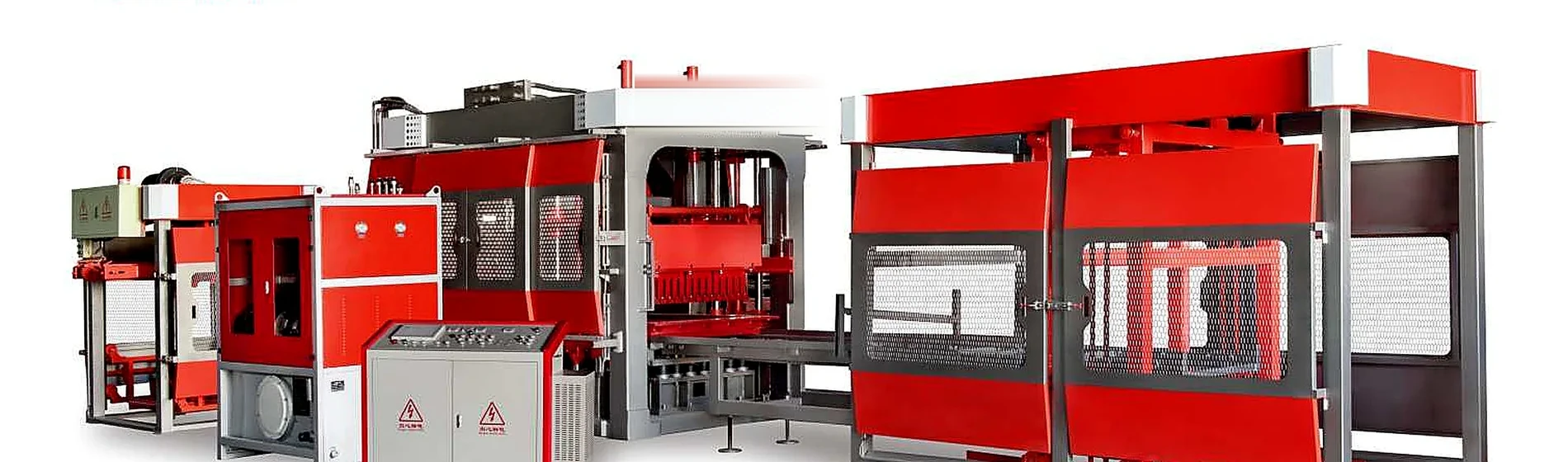
Concrete Block Making Machine
Core machine for hollow blocks, solid blocks, pavers and curbstones.
Automatic Block Making Machine
High-output automatic block machine for industrial production lines.
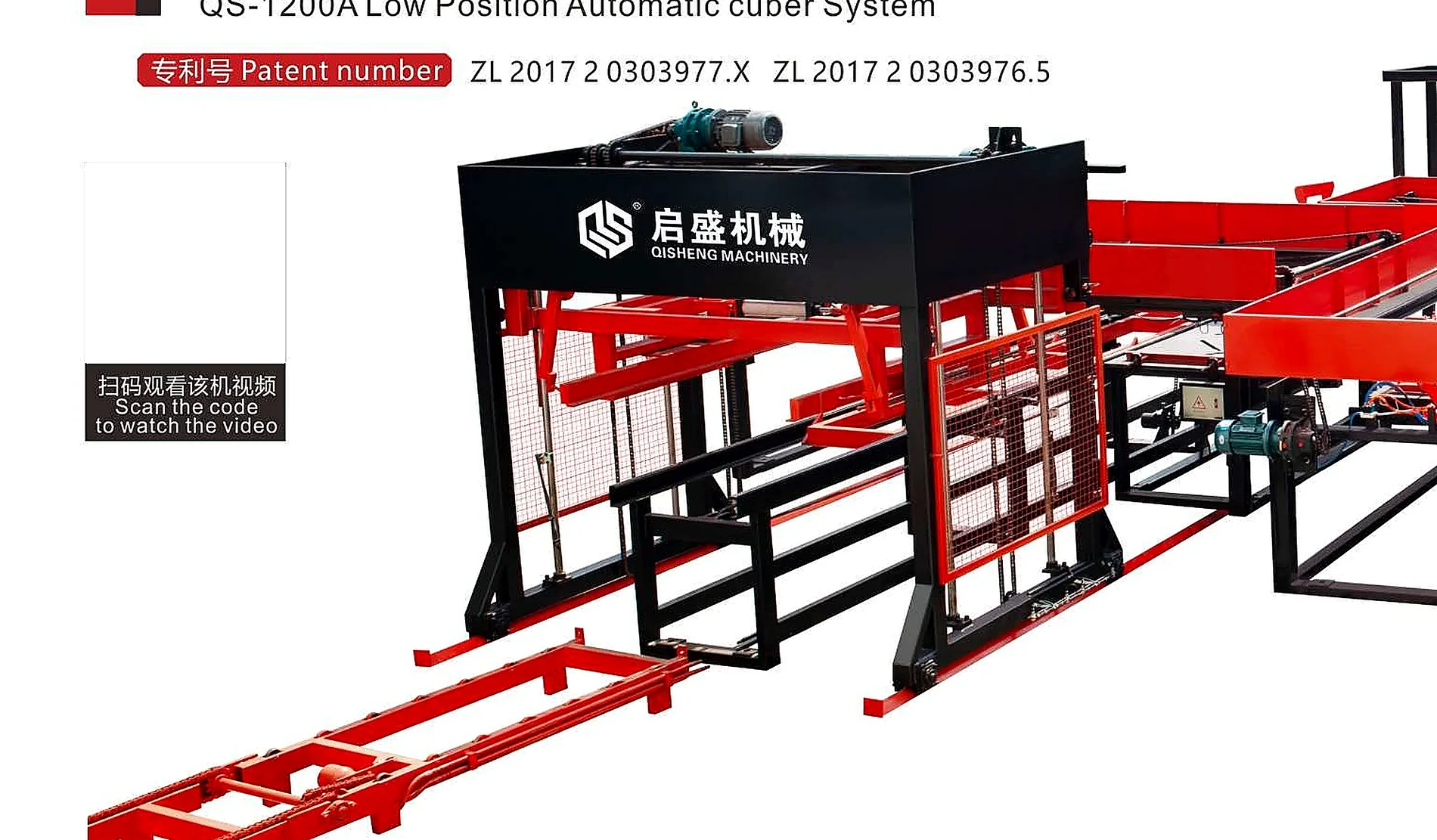
Hydraulic Block Making Machine
Hydraulic forming system for stable density and consistent blocks.
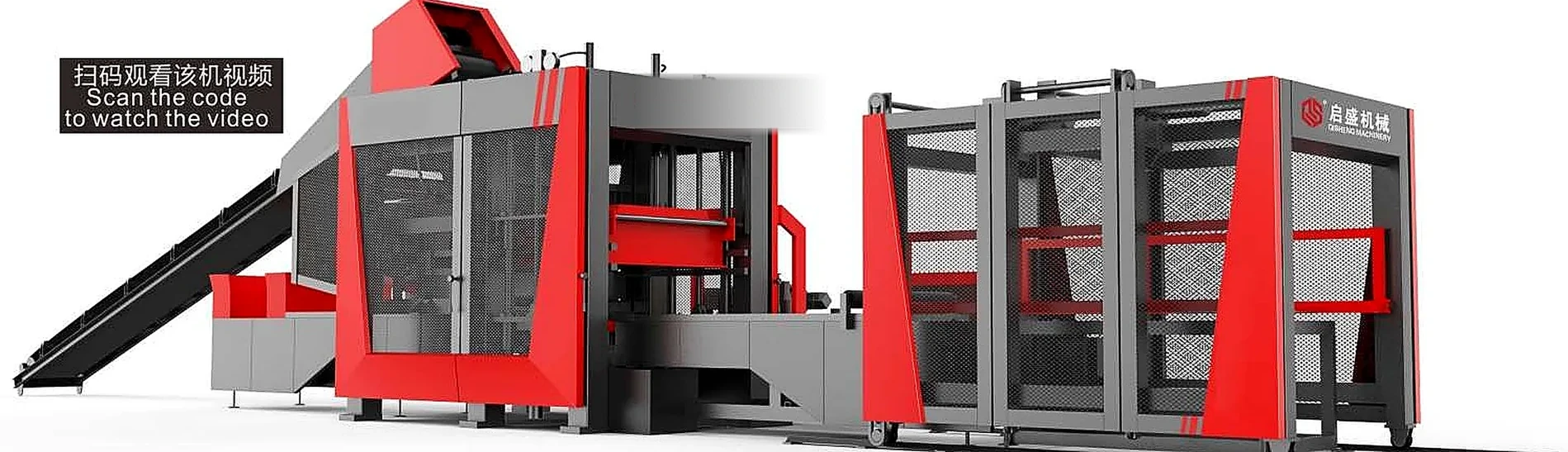
Hollow Block Making Machine
Machine configurations for common hollow concrete block sizes.