Curbstone Making Machine
Kerb stones are tall and dense, so they are usually pressed on a double-direction hydraulic machine rather than a standard block press. This page covers what a curbstone making machine has to do, the moulds and pallets involved, the mix and output, and the faults to correct before cured kerbs leave the yard.
A curbstone making machine forms kerb stones by compacting a semi-dry concrete mix under high pressure. Kerb stones are tall and dense, so most projects use a double-direction hydraulic press such as the QS800, QS1000 or QS1500, which reach 31.5 MPa and press from both directions. A steel mould sets the kerb profile, and the pallet carries the green stone into curing. Output depends on the kerb length, the pieces per mould, the cycle time and the shift length.
What a Curbstone Making Machine Has to Do
A curbstone making machine compacts a semi-dry concrete mix inside a steel mould to form a kerb stone. Kerb stones are tall relative to their width and take edge loading along the road, so they need high density through the full height rather than only at the surface. That is why most kerb projects use a double-direction hydraulic press, which compacts from the top and the bottom at once, instead of a standard single-direction block press.
The QS800, QS1000 and QS1500 double-direction hydraulic presses work at 31.5 MPa with an 18-22 second moulding cycle. They run pallet-free in some configurations, which suits a dense, heavy kerb that would otherwise need a pallet for every unit. The product is set by the mould, so the same press runs kerb stones and shaped pavers when the mould changes.
- Pressing direction: double-direction (top and bottom) for density through the full height.
- Working pressure: 31.5 MPa across the double-direction range.
- Cycle time: 18-22 seconds per mould.
- Product change: by mould, so kerb stones and pavers share one press.
Moulds and Pallet Sizes for Kerb Stones
The moulding area and the kerb length together decide how many pieces run per cycle. A larger press carries a longer mould and therefore more or heavier units. The pallet, where used, is matched to the moulding area.
| Hydraulic press | Moulding area | Cycle time | Main cylinder bore | Pallet size (where used) |
|---|---|---|---|---|
| QS800 | 1,100 x 680 mm | 18-22 s | 500 mm | 1,100 x 750 x 20 mm |
| QS1000 | 1,100 x 850 mm | 18-22 s | 600 mm | 1,200 x 950 x 20 mm |
| QS1500 | 1,440 x 850 mm | 18-22 s | 720 mm | 1,500 x 950 x 30 mm |
Kerb stones are usually classified by their cross-section and length, and both feed into the mould. A longer kerb reduces the pieces per cycle but is faster to lay on site, so the trade-off between mould layout and site speed should be settled before the mould is cut.
Send the exact kerb drawing, including the section, length and any chamfer, because the mould is cut to that profile. A change of section or length is a new mould, not a machine adjustment.
Mix Design for Dense Kerb Stones
Kerb stones use a semi-dry cement, sand and aggregate mix, similar to pavers but compacted harder for density. Cement content and aggregate grading follow the strength you sell. Moisture is kept low so the tall section holds its shape the moment the press releases it.
A well graded aggregate with a controlled top size helps the mix compact evenly through the full height. Because kerbs sit in the road shoulder, the surface also takes abrasion, so a well compacted face matters as much as core strength. Consistent batching keeps that face density steady from the first unit to the last of the shift. Batching against a pre-set ratio with a PL series machine keeps the mix consistent, and a CMP planetary mixer suits the denser, high-end products where uniform mixing matters most.
- Cement content: set by the target strength and the aggregate grading.
- Aggregate: graded sand and stone with a controlled top size for even compaction.
- Water: held semi-dry so the tall section stands without slumping.
- Mixing: consistent batching keeps density steady from kerb to kerb.
Capacity and Cycle Time
Kerb output follows the kerb length, the pieces per mould, the cycle time and the shift length. The double-direction presses run an 18-22 second cycle, and the number of kerb units per cycle depends on how the moulding area is laid out for your section. Heavier kerbs take longer to handle and cure, so plan storage for the weight.
- Cycle window: 18-22 seconds per mould on the double-direction presses.
- Pieces per mould: fixed by the kerb length and the moulding area.
- Weight handling: dense kerbs need forklift clamp or crane handling into curing.
- Curing: level, protected storage protects strength and edges.
Weight handling is part of the capacity plan. A dense kerb stone is heavy, so a forklift clamp or a small crane is usually part of the line, and the curing yard should be laid out so heavy units are not lifted twice. Plan handling with the press, not after it arrives.
For a full plant that produces kerbs alongside pavers and blocks, the complete concrete block factory layout sets out the stages.
Common Kerb Stone Faults and Fixes
Most kerb faults come from mix moisture, fill and pressing. Check these before changing the mould.
- Chipped edges: mix too dry or vibration time too short; adjust water and vibration.
- Weak core in a tall section: low density; confirm the press reaches its rated 31.5 MPa and vibrate fully.
- Short fill at the top: the mould was not filled to depth; check the filling box and mix flow.
- Uneven section: pallet not level or head out of parallel; check both on the press.
- Sticking in the mould: mix too wet or worn mould surface; reduce water and check the mould.
Related Kerb and Paver Machines
Kerb stones suit the double-direction hydraulic presses, and the same presses run shaped pavers by mould. Where a project also needs blocks, the vibration and press platform covers that product alongside the press.
- Hydraulic block making machine: the QS800, QS1000 and QS1500 presses for dense kerbs.
- Paver block making machine: the paver and kerb mould platform.
- Concrete block production line: add curing, cubing and packing to a kerb line.
- Complete concrete block factory: the whole plant flow and manpower.
Read the block making machine price guide for what drives total investment. Send your kerb drawing and daily target on the RFQ page.
Choose Machine that matches your kerb profile and shift target. Send your kerb drawing, section and daily output on the RFQ page.
Frequently Asked Questions
What is a curbstone making machine?
Why do kerb stones need a hydraulic press?
What moulding area do kerb stone machines have?
What mix is used for kerb stones?
What causes weak or chipped kerb edges?
Can one machine make kerb stones and pavers?
Related machines
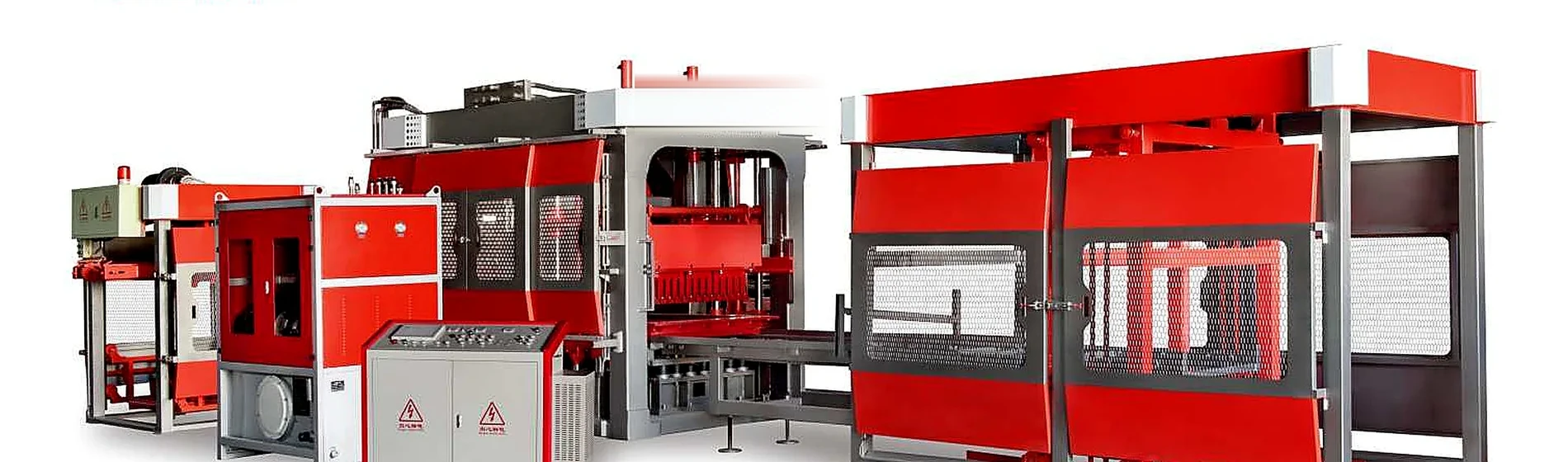
Concrete Block Making Machine
Core machine for hollow blocks, solid blocks, pavers and curbstones.
Automatic Block Making Machine
High-output automatic block machine for industrial production lines.
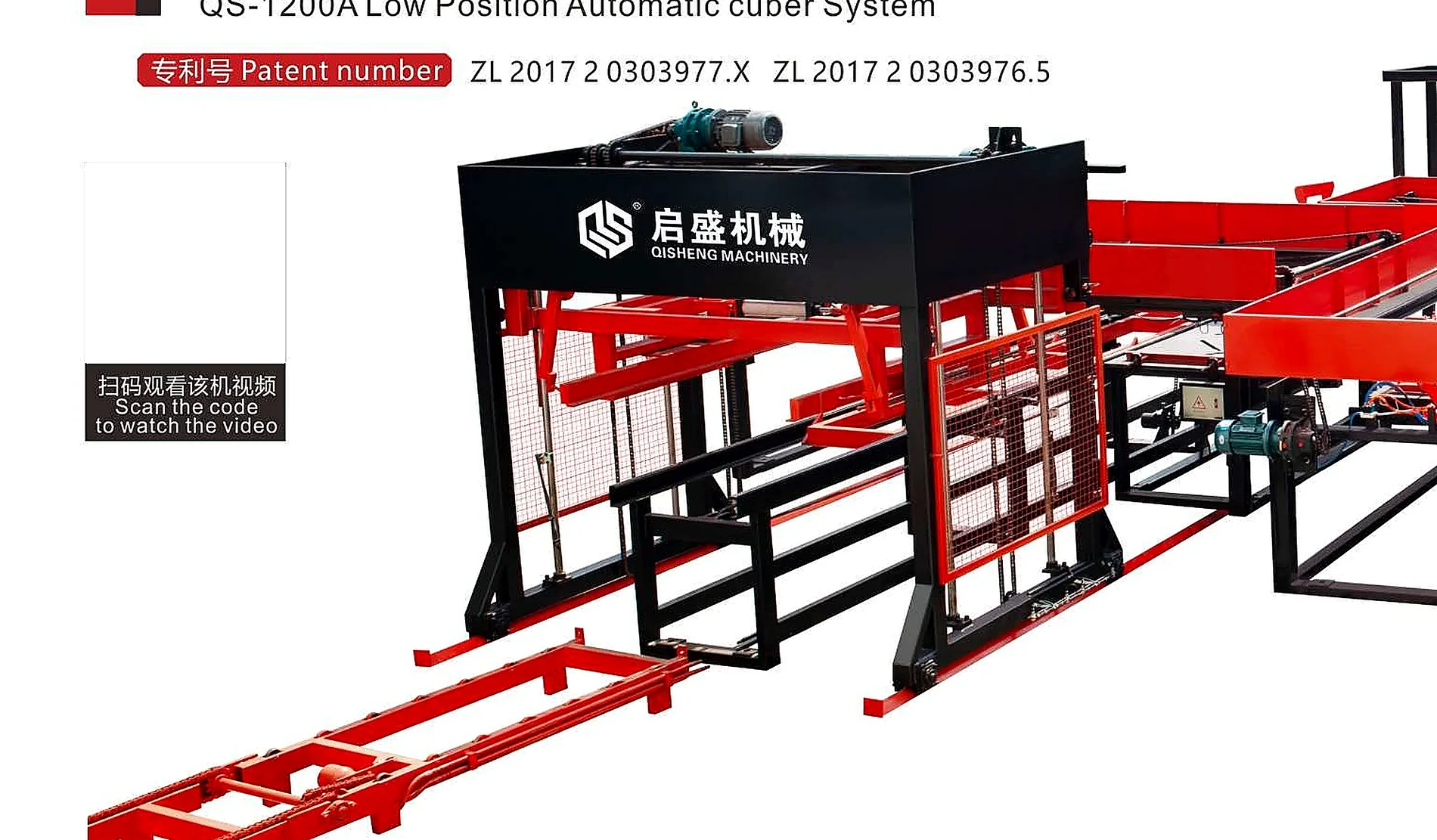
Hydraulic Block Making Machine
Hydraulic forming system for stable density and consistent blocks.
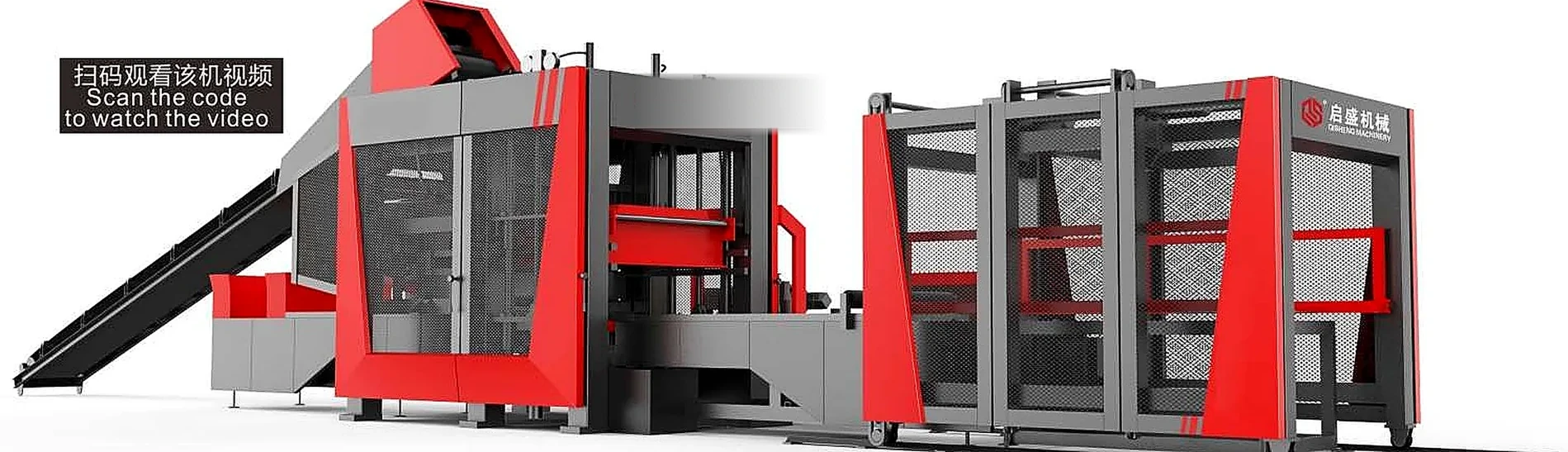
Hollow Block Making Machine
Machine configurations for common hollow concrete block sizes.