Block Making Machine Price Syria: What Decides the Cost of Your Order
This page explains what moves the price of a block making machine delivered into Syria, from the host model and the mould set to the automation level, the pallet count, the batching and mixing group, the packing plan and the delivery terms quoted against your destination, so a buyer can compare two quotations line by line instead of on one headline figure.
A block making machine price Syria quotation is built from the host machine, the mould set, the automation level, the pallet count, the batching and mixing group, the packing plan and the delivery terms agreed against your destination. A QST1800 at 34 t and 104 kW sits at the top of the vibration press range and a QST6-15 at 12 t and 34.4 kW at the bottom, with the QST1500, QST1000 and QST8-15 between them. No single figure is valid across the range, so compare quotations line by line.
What Sets the Block Making Machine Price Syria Buyers Are Quoted
A quotation for a block machine delivered into Syria is not one figure copied from a list. It is built from five decisions: the host machine, the mould set, the automation level, the pallet count, and the batching, mixing and packing scope, with delivery terms added against the destination. Move one decision and the total moves with it. A buyer in Damascus, Aleppo or Homs can read a quotation line by line once he knows which lever sits behind each line. The general method is set out in our block making machine price guide, and this page applies it to a Syrian order.
The Host Machine Is the Base of the Cost
Every other item is there to serve the host machine, and the host machine carries the largest share of the price. Cost rises with steel weight, pallet size, hydraulic cylinder bore and installed motor capacity, because all four follow the force the machine has to deliver. The table below gives the published specification of the vibration press range configured for this region.
| Model | Machine size (mm) | Pallet (mm) | Weight | Vibration force | Installed capacity | Cycle |
|---|---|---|---|---|---|---|
| QST1800 | 15,500 x 5,500 x 3,200 | 1,400 x 1,400 x 30 | 34 t | 280 kN | 104 kW | 15 to 25 s |
| QST1500 | 11,500 x 4,550 x 2,800 | 1,350 x 1,150 x 30 | 20 t | 220 kN | 69.1 kW | 15 to 23 s |
| QST1200 | 11,500 x 4,550 x 2,800 | 1,350 x 880 x 25 | 17 t | 150 kN | 57.6 kW | 15 to 25 s |
| QST1000 | 11,500 x 4,050 x 2,800 | 1,100 x 880 x 25 | depends on the build | 105 kN | 48.9 kW | 15 to 23 s |
| QST8-15 | 9,800 x 3,600 x 2,800 | 980 x 860 x 22 | 14 t | 95 kN | 44.9 kW | 15 to 23 s |
| QST6-15 | 9,450 x 3,300 x 2,700 | 980 x 680 x 20 | 12 t | 68 kN | 34.4 kW | 15 to 23 s |
Read the table as a cost ladder. A QST1800 carries 34 t of structure, a 1,400 x 1,400 mm pallet and 104 kW of installed capacity, and it is published at up to 220,000 standard bricks per 8-hour shift. A QST6-15 carries 12 t, a 980 x 680 mm pallet and 34.4 kW. The distance between those two rows is paid for in steel, hydraulics and cable, and no supplier can quote the same figure for both. The QST1500, QST1000 and QST6-15 carry no single published output figure because they are configured to your target, which means the quotation follows your brief rather than a catalogue line.
Machines for this region are configured for 380 V / 50 Hz three-phase supply. If your site runs on a generator, say so at quotation stage: the electrical scope, the cable sizing and the panel build all change, and that change belongs inside the price before the order is signed rather than after.
Moulds Are Priced Per Product, Not Per Machine
One machine does not make every block. Each product needs its own mould, and moulds are normally quoted as separate line items. The range lists five products: hollow block 390 x 190 x 190 mm, standard solid brick 240 x 115 x 51 mm, Holland brick 200 x 100 x 60 mm, square block 250 x 250 x 60 mm and small block 170 x 80 x 80 mm. A plant that wants to sell three of them is buying three moulds, and the mould set is often the largest single item after the machine itself.
Mould design also changes the pieces per cycle, and pieces per cycle is what a buyer sells. On the double-direction hydraulic press family, a hollow block 390 x 190 x 190 mm gives 5, 10 or 12 pieces per mould depending on the press it is matched to, and a standard brick 240 x 115 x 51 mm gives 28, 45 or 87. If your business plan rests on brick volume, the larger brick mould carries more of the value than any cosmetic upgrade to the machine, and it should be priced in the same quotation.
Automation Level and Pallet Count Are the Two Biggest Levers
Two orders can name the same host machine and still land far apart, because automation and pallets sit under the same model code.
- Pallet feeding: adding the QS-1200 automatic pallet feeding machine, with a feeding cycle of about 13 s on a 3.0 kW motor, takes one worker out of every shift and removes the pace of loading by hand.
- Cubing and stacking: the QS-1200A low-position automatic cuber handles 18 standard hollow blocks per layer and about 3,800 pallets per shift. Where yard space is tight, a cuber that stacks higher uses less ground for the same output.
- Pallet-free arrangement: the QSMT1000 arrangement on a cuber is published at up to 135,000 bricks per 8-hour shift, taking 40 hollow blocks or 5 layers per bite.
Pallet count is the quieter lever. Pallets circulate between the machine, the curing area and the cuber, and they wear. A quotation that ships with too few pallets forces the machine to stand still while a pallet returns, and that stoppage is a cost that never appears on the equipment list. Pallet size follows the host: 1,400 x 1,400 x 30 mm on the QST1800, 1,350 x 1,150 x 30 mm on the QST1500, 1,350 x 880 x 25 mm on the QST1200, 1,100 x 880 x 25 mm on the QST1000, 980 x 860 x 22 mm on the QST8-15 and 980 x 680 x 20 mm on the QST6-15. Write the pallet count into your request, or ask the supplier to justify the count he quoted.
Batching, Mixing and Packing Belong Inside the Production Price
The machine only reaches its rated cycle of 15 to 25 s if material arrives on time. A batching and mixing group sized against that cycle, with the cement, sand, gravel and crushed stone powder feed matched to the mixer, is part of the production price rather than an accessory. The same group handles fillers where supply allows: fly ash, slag, gangue and crushed construction waste. A buyer who prices the machine first and the batching plant later usually pays more in total than a buyer who prices the two together in one brief.
Packing is the line that surprises most Syrian buyers. A QST1800 measures 15,500 x 5,500 x 3,200 mm and weighs 34 t, so it cannot travel as one closed unit. The packing plan, the number of transport units and the crating of the mould set all follow the final equipment list, and the plan should be quoted with the machines rather than negotiated after they are built. Ask for the loading plan as a drawing: it shows what arrives and in how many pieces.
Freight and Delivery Terms Are Quoted Against the Destination
Shipping and delivery terms are quoted against the destination, because the deliverable depends on where the equipment must finally arrive, on the access to your site and on the terms you choose. On a quotation, the Incoterm marks the point where the supplier's scope ends and the buyer's begins, and every step after that point is a cost the buyer carries. That is why two offers for the same machine can differ while both are honest.
Two questions settle most of the delivery line. First, does the offer stop at a handover point or does it reach your yard? Second, who unloads the equipment, and with what? A 34 t host machine that travels dismantled still needs lifting equipment at the destination, and that lifting is normally arranged locally. Ask for the delivery scope in writing before you compare two prices, because a lower equipment price with a narrower delivery scope is often the more expensive order. The terms used for this market are set out on our Syria market page.
Single Machine or Complete Plant
Some buyers in Syria need a host machine for a yard that already mixes, cures and loads. Others are pricing a greenfield plant, where the machine is one item among a batching group, a curing line and the handling between them. The two briefs produce very different quotations for the same model code, and mixing them is the most common reason a price comparison goes wrong.
A complete plant built around a QSGW intelligent high-level fully automatic line is configured from 30,000 to 250,000 pieces per 8-hour shift depending on the host machine matched into it, runs on a central computer with PLC and sensors and needs 3 to 6 persons per shift. A simpler curing choice changes the labour line in the same way: a QSRGY finger-car curing line, with single-layer curing as standard and multi-layer optional, needs 3 to 4 persons to complete the whole production task. The scope is described on our complete concrete block factory page, and it is worth reading before you decide whether you are buying a machine or a plant.
Site conditions belong in the same conversation. A hot, dusty site needs hydraulic oil cooling and dust protection around the vibration unit, and the curing area needs shade and water to hold moisture. Those items are quoted with the machine, but only if the supplier knows the conditions. A buyer who sends a bare model code receives a bare quotation in return.
How to Compare Two Quotations for a Syrian Order
Put every offer on one sheet and score each line the same way.
- Host machine: model code, machine size, pallet size, weight, vibration force and installed capacity.
- Moulds: which product sizes are included, and the pieces per mould for each.
- Automation: whether pallet feeding, cubing and pallet-free arrangement are offered, and whether they sit inside or outside the total.
- Pallet count and pallet size, with the number written down.
- Batching and mixing group, with its capacity against the machine cycle.
- Packing and the loading plan, counted in transport units.
- Delivery scope and the Incoterm, in writing, against the destination.
- Spare parts and wearing parts for the first period of operation.
Any line left blank is a cost that surfaces later, and that is the point of comparing this way: a supplier who documents all eight lines is easier to hold to the quoted scope than one who does not. Start from the concrete block making machine range to see the specifications you should expect on those lines, then send your own brief through the request for quotation form. A brief that names the products, the target output, the power supply and the delivery destination comes back as a quotation you can check, not a figure you have to trust.
Frequently Asked Questions
How much does a block making machine cost for delivery to Syria?
What is usually not included in the machine price?
Do I need a separate mould for every block size?
How many pallets should I order with the machine?
Does a fully automatic line cost more than a semi-automatic machine?
How are freight and delivery priced for an order into Syria?
How many workers does a block plant need per shift?
What should I send so that I receive a usable quotation?
Related machines
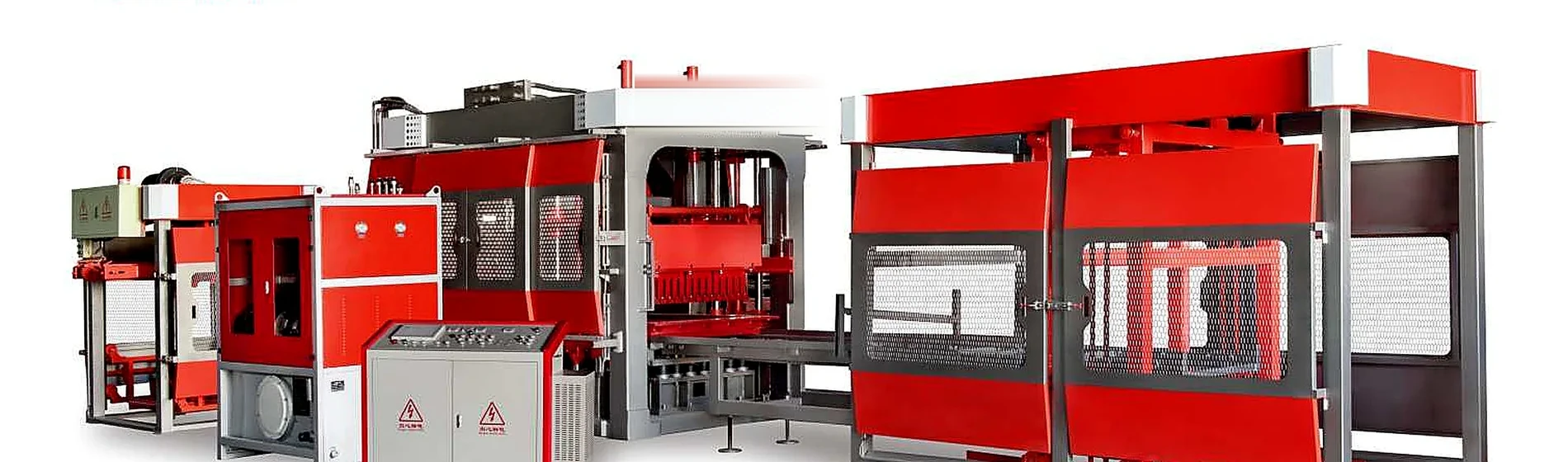
Concrete Block Making Machine
Core machine for hollow blocks, solid blocks, pavers and curbstones.
Automatic Block Making Machine
High-output automatic block machine for industrial production lines.
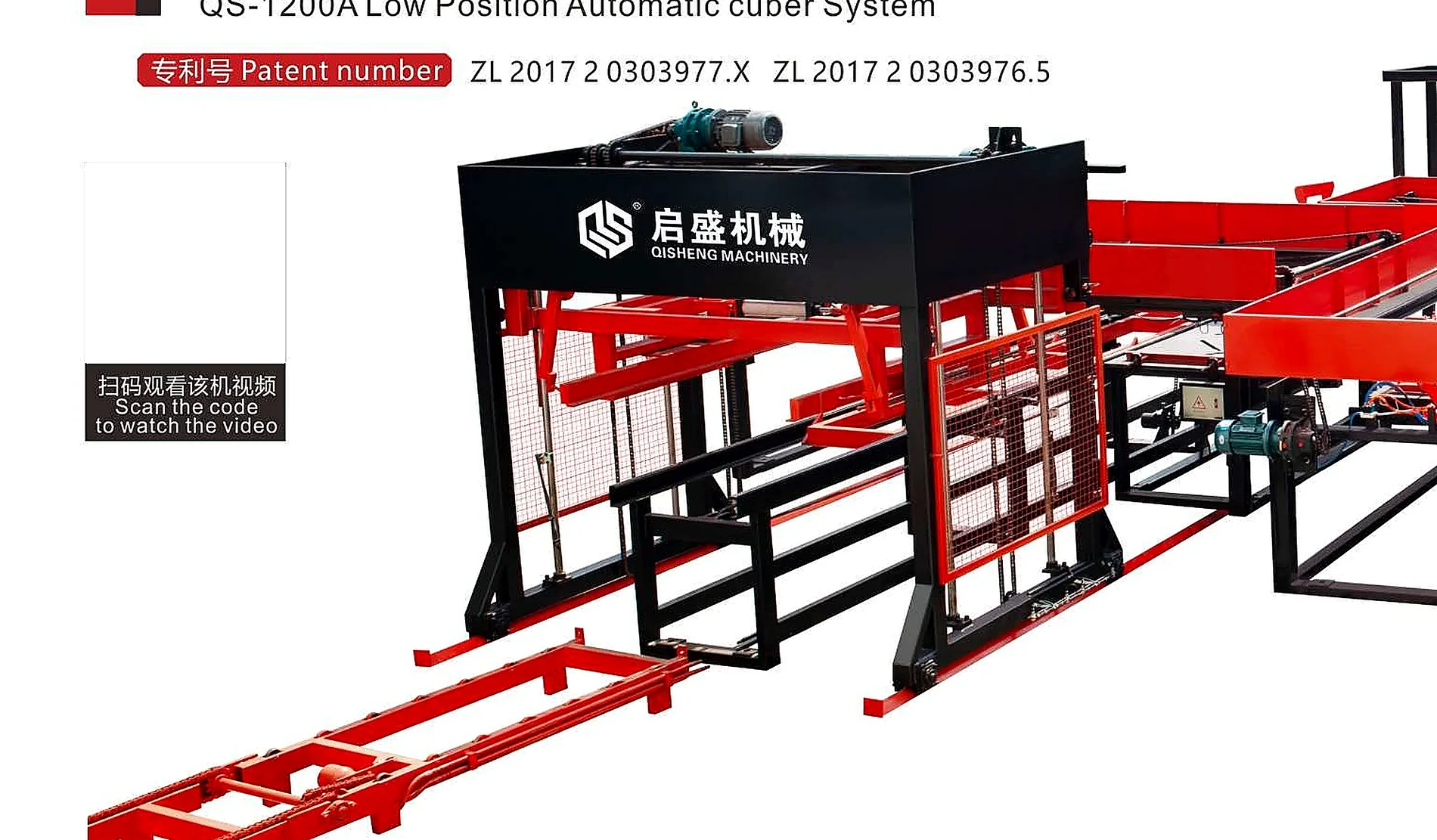
Hydraulic Block Making Machine
Hydraulic forming system for stable density and consistent blocks.
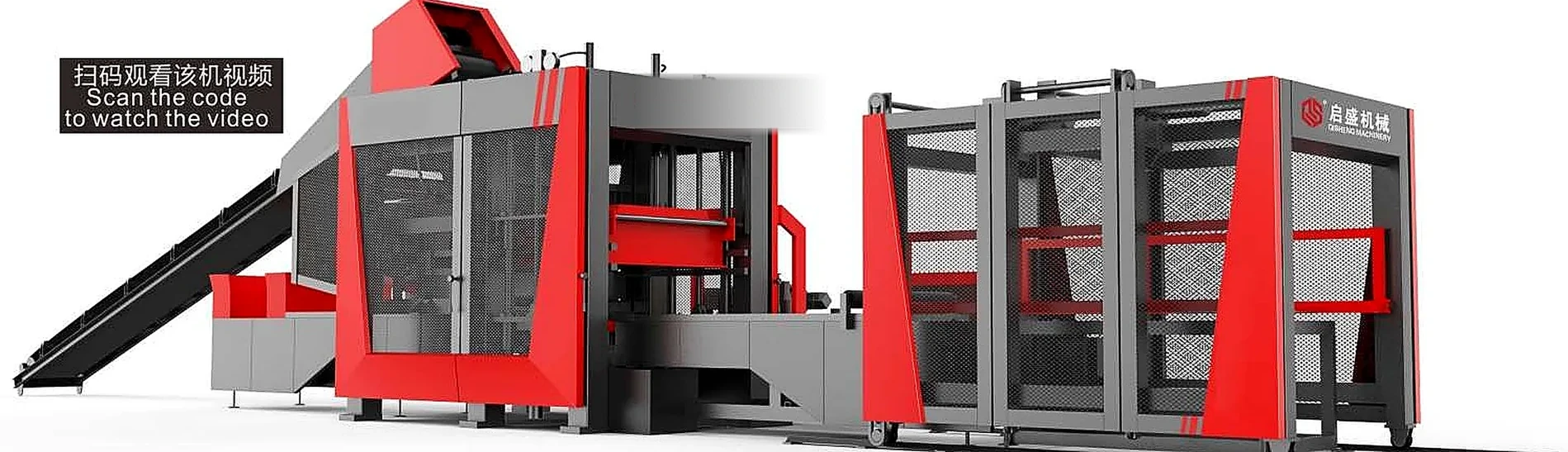
Hollow Block Making Machine
Machine configurations for common hollow concrete block sizes.