Automatic Block Making Machine for Sale: How to Compare Before You Order
An automatic block making machine for sale is judged on published working data, not on a headline price. This guide compares the QST models on forming cycle, installed capacity, pallet size and machine weight, lists the auxiliary equipment a commercial plant needs, and sets out what a complete offer must contain.
An automatic block making machine for sale should be chosen on three numbers: the products you will sell, the output you need in one 8-hour shift, and the power your site can supply. Measure every offer on its published working data, the pallet size, the forming cycle, the installed capacity and the machine weight. The QST8-15 at 44.9 kW covers a start-up yard, the QST1200 at 57.6 kW covers a mid-size plant, and the QST1800 at 104 kW covers high output. Then confirm the moulds, the pallets and the auxiliary machines in writing.
What an automatic block making machine for sale includes
An automatic block making machine for sale is a working unit, not a bare press. The offer should name the host machine, its control system, the first mould, the pallet size it runs, and the auxiliary machines that feed it and clear its output. If one of those is missing from the offer, the visible price is not the delivered price.
Automatic means the cycle runs without an operator holding a handle. Material feeding, vibration, pressing, pallet movement and stacking follow the PLC program, and the operator watches the panel and changes settings. That is the practical difference from a semi-automatic machine, where the operator still triggers part of the cycle.
Before you compare two offers, fix three numbers: the products you will sell, the output you need in one 8-hour shift, and the power your site can supply. Every model below is chosen on those three numbers, not on the largest figure in a brochure.
Which automatic block making machines are available for sale?
The QST series covers the automatic hosts, and published working data is the only fair way to compare them. The table lists the stated capacity, cycle, pallet and weight of each model.
| Model | Installed capacity | Forming cycle | Pallet size | Machine weight | Role in the plant |
|---|---|---|---|---|---|
| QST6-15 | 34.4 kW | 15 to 23 s | 980 x 680 x 20 mm | 12 t | Entry automatic host |
| QST8-15 | 44.9 kW | 15 to 23 s | 980 x 860 x 22 mm | 14 t | Compact plant or start-up yard |
| QST1200 | 57.6 kW | 15 to 25 s | 1350 x 880 x 25 mm | 17 t | Mid-size commercial plant |
| QST1500 | 69.1 kW | 15 to 25 s | 1350 x 1150 x 30 mm | 20 t | Larger moulds and higher output |
| QST1800 | 104 kW | 15 to 25 s | Wide heavy-duty pallet | 34 t | High-output automatic line |
Published output figures sit on the same pages: up to 90,000 standard bricks per 8-hour shift on the QST8-15, up to 120,960 on the QST1200, and up to 220,000 on the QST1800. Every figure is a ceiling measured on the stated mould with a stable cycle and a full shift. Your own figure falls below it when you change moulds, wait for pallets or hold product for curing.
Vibration runs at 3,800 to 4,500 cycles per minute across the series, and the machines run on three-phase power at 380 V and 50 Hz unless the order states another supply.
How do you compare an automatic block making machine for sale?
Compare five items in this order: the product the mould makes, the pieces per cycle, the forming cycle in seconds, the installed capacity in kW, and the machine weight in tonnes. Those five decide your daily output, the size of your power connection, and the crane and trailer you need at delivery.
Pieces per cycle come from the mould, not from the machine. On the QST6-15 the same host lays 6 hollow blocks of 390 x 190 x 190 mm in one cycle, or 32 to 36 standard bricks of 240 x 115 x 51 mm. Nothing on the machine changed except the mould. That is why an offer that names only the model is incomplete.
Weight and pallet size decide site cost, and they are the items buyers forget. A 34 t machine needs a different foundation, crane and unloading plan from a 12 t machine, and the pallet size fixes the layout of the pallet feeder and the curing area.
Ask for the installed capacity of every item, not only the host. The total load sets the transformer and the incoming cable, and those are ordered long before the machines arrive.
What decides the price of an automatic block making machine for sale?
Price follows configuration, not the model name alone. Six items move the number most.
- Host model. The QST8-15 and the QST1800 are both automatic block making machines, yet they differ in capacity, weight and the moulds they can carry.
- Number and size of moulds. One mould per product, size and face pattern. A buyer who sells hollow blocks, solid bricks and pavers needs three moulds, not one.
- Automation level. A host with a manual pallet loop, a host with an automatic pallet feeder, and a host closed into a full line are three different projects.
- Pallet count. The pallet pool sets how much product is in the yard at any time, so it is sized to your curing cycle.
- Auxiliary machines. Batching, mixing, pallet feeding, cubing, wrapping and strapping are separate items on the quotation.
- Commissioning and spare parts. Moulds, pallets and hydraulic seals wear first, so the package you order with the line decides how long a stoppage lasts.
There is no country price for this machine, and an offer that quotes one before asking what you will produce is not built on your project.
What should come with an automatic machine besides the host?
The host cannot run alone at commercial output. The usual package adds batching and mixing, pallet feeding, stacking or palletizing, and a curing arrangement.
- Batching and mixing. The QS-1200 twin-shaft mixer is made in JS500 to JS1500 sizes with 25 to 75 cubic metres per hour and 25.5 to 75 kW, and it works with the PL series batchers or as an independent host.
- Pallet feeding. The QS-1200 automatic pallet feeder holds three stacks, runs a cycle of about 13 seconds and uses 3 kW.
- Stacking and cubing. The QS-1000G-A stationary palletizer handles about 1,700 pallets per day with one operator and uses PLC control with two independent hydraulic circuits.
- Packing. The cantilever pallet wrapping machine and the QSSX-16A strapping machine close the end of the line, and the strapping unit runs on AC 380 V and 50 Hz.
- Curing and the full line. The QSD belt-frame curing line and the QSRGV vehicle line connect to a host from any maker, and the QSGW high-level line is configured from 30,000 to 250,000 pieces per 8-hour shift and runs with 3 to 6 persons.
Not every factory needs every item on that list. A small yard can start with a compact host, a batching unit and open-air curing, then add cubing and packing as volume grows. What matters is that the list is written down before the order, because items added later cost more to fit than items ordered with the line.
What products can one automatic machine make?
One host makes many products, because the mould decides the shape. Hollow block 390 x 190 x 190 mm, solid brick 240 x 115 x 51 mm and Holland paver 200 x 100 x 60 mm all run on the same QST host after a mould change.
Where the market wants dense, sharply edged pavers and kerb stones, a hydraulic press does what a vibration machine cannot repeat. The QS1000 bidirectional press reaches 31.5 MPa with a forming area of 1100 x 850 mm, an 18 to 22 second cycle, about 33 t of machine weight and 105.4 kW of power, and it presses without pallets.
The mould is part of the result. Moulds are cut on CNC machines to micron level from wear-resistant alloy steel and carry a controlled heat-treatment cycle, because a mould that loses its edge in a few weeks changes the product you sell.
How is the machine delivered, installed and commissioned?
The hosts ship from China in sea containers, and the larger units and full lines travel break-bulk or on flat racks. A QST1800 weighs 34 t, so the delivery plan, the crane and the site access belong in the order rather than in the follow-up.
We prepare the packing list, the machine documentation and the shipping marks, and we work with your forwarder or ours. Give us the port you import through and the access conditions at your site, and the packing is arranged around both.
Engineers attend installation and commissioning with your team. Training covers mould change, cycle and pressure setting, curing control, hydraulic and electrical maintenance and daily safety checks, so your crew can run the machine without waiting for a service visit.
How do you order an automatic block making machine for sale?
Send five things and the offer can be built on your project: the products you will sell and their sizes, your target output per 8-hour shift, your site voltage, phase and frequency, the ground area you can use, and the port you import through. We return a configuration, a machine list, a layout and a quotation.
If you already own a host machine and want to automate the curing and cubing stage first, the curing lines above connect to machines from any maker. Start at the request a quotation page and write Automatic Machine Quote in your message so your file reaches the export desk directly.
Frequently Asked Questions
How much does an automatic block making machine cost?
What is the difference between an automatic and a semi-automatic block machine?
Which automatic block making machine is best for a new plant?
What should be written in the quotation for a block machine?
Can one automatic machine make hollow blocks, solid bricks and pavers?
What spare parts should be ordered with an automatic block machine?
Related machines
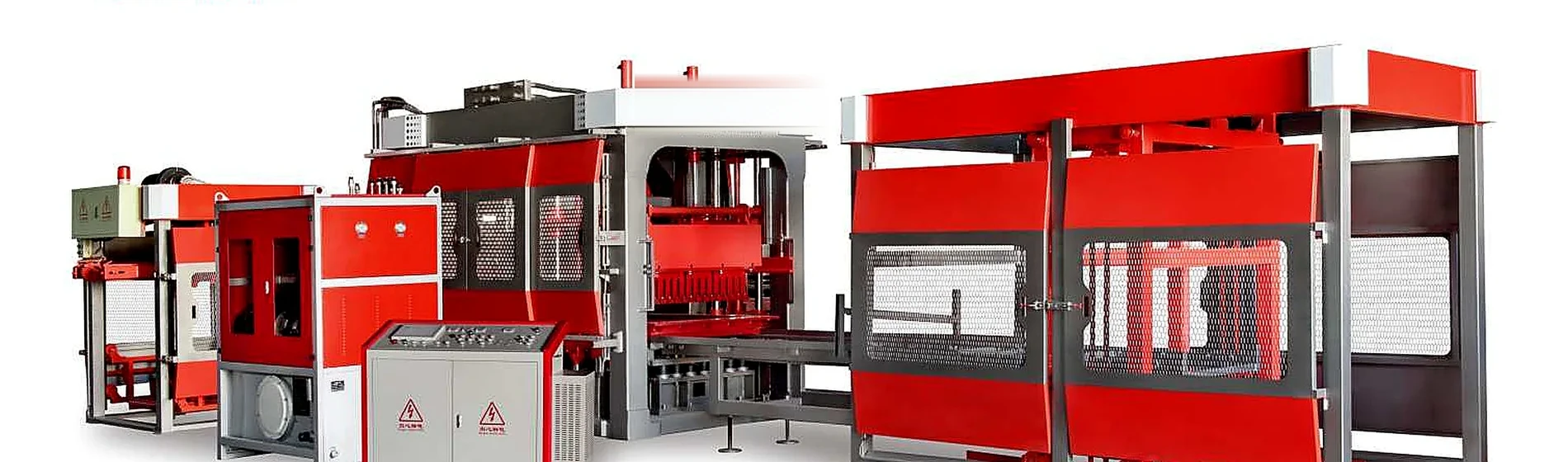
Concrete Block Making Machine
Core machine for hollow blocks, solid blocks, pavers and curbstones.
Automatic Block Making Machine
High-output automatic block machine for industrial production lines.
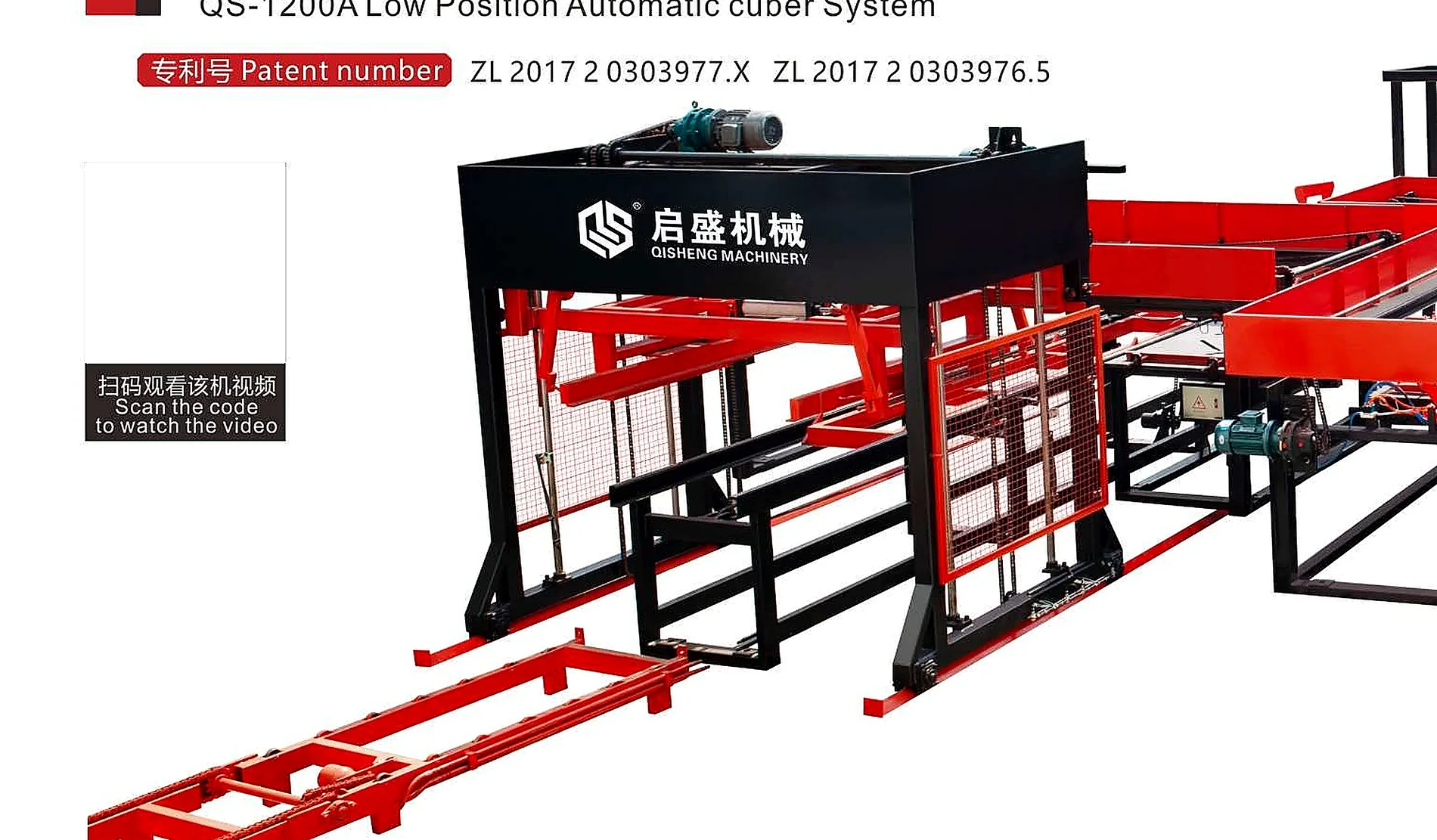
Hydraulic Block Making Machine
Hydraulic forming system for stable density and consistent blocks.
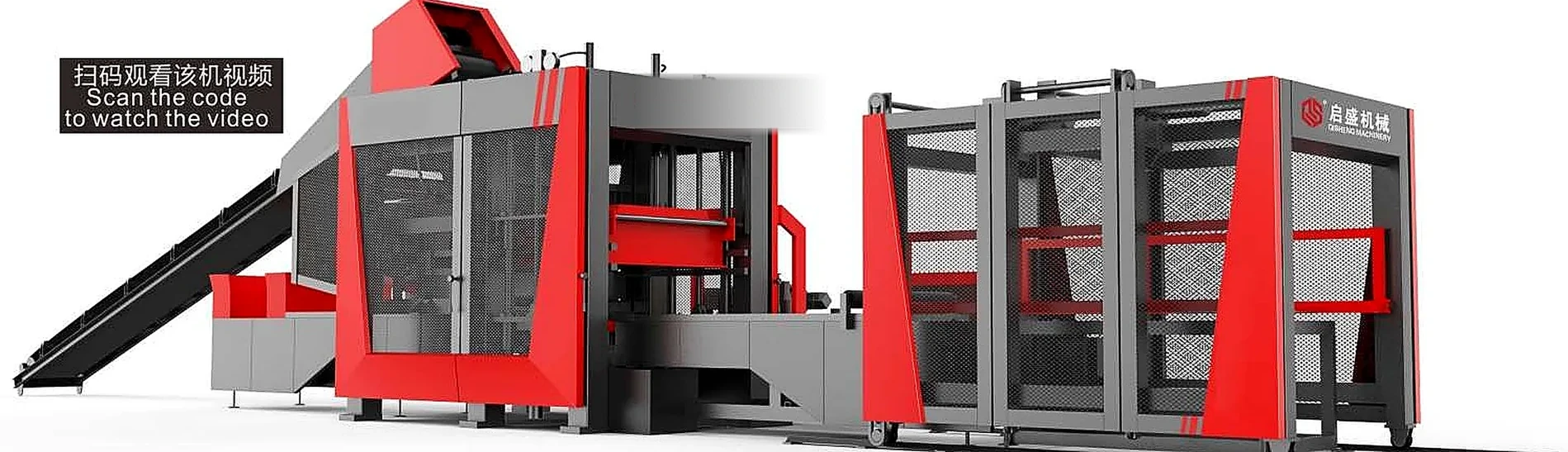
Hollow Block Making Machine
Machine configurations for common hollow concrete block sizes.