Can Chinese engineers install block machines in the Middle East?
Chinese engineers normally support block machine installation in the Middle East in two ways: remote guidance over video and the PLC screen for single machines, and a travelling engineer for automatic lines. What decides the pattern is the machine size, the level of automation and whether your foundation and three phase supply are ready.
Can Chinese engineers install block machines in the Middle East? Yes. Installation support is normally included with a block machine order for the region, and it is organised in two layers. A remote engineer guides the commissioning over video and a shared PLC screen; where the site is large or the line is fully automatic, a CEMBRIQ engineer travels to the yard. The buyer must have the foundation, the three phase 380 V 50 Hz supply and the pallet and curing space ready before the commissioning window starts.
Can Chinese engineers install block machines in the Middle East?
Yes, installation is normally supported, and it is organised in two layers. A remote technical engineer works with your team by video, shares the PLC screen and walks your electrician through the wiring list. A travelling engineer then comes to the yard for mechanical erection, electrical checks and the trial run on your own mix. Which layer you get depends on three things: the size of the machine, how automatic the line is, and whether the foundation and the three phase 380 V 50 Hz supply are ready when the machine lands. A buyer ordering one QST8-15 for a single shift yard can usually be commissioned remotely. A buyer ordering a QST1800 that feeds a high-level automatic line with a cuber and a curing system normally needs an engineer on site, because that handover touches mechanics, electrical work and mix behaviour at the same time.
Remote guidance compared with an engineer on site
The machine size sets the pattern. Up to roughly the QST8-15 class, which weighs 14 t and draws 44.9 kW, most of the commissioning work is wiring, parameter entry and a mould change. Those tasks survive a video call provided your electrician can read a wiring diagram and the yard has a stable internet connection.
From the QST1200 upwards the machine itself is still manageable, but the line around it is not. A QST1800 weighs 34 t, measures 15,500 x 5,500 x 3,200 mm and draws 104 kW, and it is usually sold as part of a plant rather than on its own. Once you add a QS-1200 automatic pallet feeding machine, a QS-1200A low-position cuber that stacks 18 standard hollow blocks per layer, and a curing line, an engineer has to be in the yard. Levelling a frame that long, aligning the pallet path and tuning the vibration unit against your aggregate are done by hand and by eye, not by remote control.
| Commissioning task | Remote guidance | Engineer on site |
|---|---|---|
| Wiring and breaker check against installed capacity | Yes, with your electrician | Yes |
| PLC parameter entry and cycle setting | Yes, over a shared screen | Yes |
| Frame levelling and pallet path alignment | Not practical | Yes |
| Vibration tuning to your aggregate and moisture | Guided trial and error | Yes |
| First mould change with your crew | Yes, if a camera is mounted | Yes |
| Line integration with cuber and curing racks | Not practical | Yes |
A practical rule: if your order is one machine plus one mould and nothing else, ask for remote guidance and put the saving into a second mould. If your order includes a cuber, a belt-rack curing line such as QSDJ or a finger car line such as QSRGY, put an engineer on site in the plan from the first day.
What the buyer must prepare before the commissioning window opens
Delays almost never come from the machine. They come from the yard. Four items must be finished and verified before an engineer is booked.
Foundation
A level reinforced concrete pad, sized to the machine weight and footprint, and cured before the machine arrives. For orientation, the QST1800 is 34 t on a 15,500 x 5,500 mm footprint, the QST1500 and QST1200 are 20 t and 17 t on 11,500 x 4,550 mm, and the QST8-15 is 14 t on 9,800 x 3,600 mm. The vibration unit transmits its force into the pad, so a thin or cracked slab shows up first as poor block density, long before it shows up as damage.
Power
Three phase 380 V 50 Hz, sized to installed capacity rather than to running load. Installed capacity is the figure on the plate: 104 kW on the QST1800, 69.1 kW on the QST1500, 57.6 kW on the QST1200, 48.9 kW on the QST1000, 44.9 kW on the QST8-15 and 34.4 kW on the QST6-15. Across the hydraulic press families it runs from 46.9 kW on the single-direction QS600 up to 108.2 kW on the double-direction QS1500. Cable cross section, breaker rating and transformer capacity are all read from that figure with margin added.
Pallets
Every machine in the range indexes on its own pallet size: 1,400 x 1,400 x 30 mm on the QST1800, 1,350 x 1,150 x 30 mm on the QST1500, 1,350 x 880 x 25 mm on the QST1200, 1,100 x 880 x 25 mm on the QST1000, 980 x 860 x 22 mm on the QST8-15 and 980 x 680 x 20 mm on the QST6-15. A machine running a 15 to 25 s cycle consumes pallets quickly, so the number of pallets on the ground decides whether the machine can complete a shift without stopping.
Curing space, water and access
Blocks need shade and water to hold moisture while they cure, so plan a covered area with a water point. On hot, dusty sites the hydraulic oil needs cooling and the vibration unit needs dust protection. Access matters too: a 34 t machine has to reach the pad, so the gate, the turning circle and the slab along the transport route must carry that load.
Raw material
Cement, sand, gravel and crushed stone powder in the yard before the trial run, plus fly ash, slag, gangue or crushed construction waste if you intend to use them as fillers. The trial run is done on your mix rather than a laboratory mix, so the materials and the moisture you will use in production are the ones that have to be there.
The commissioning sequence, step by step
A standard handover follows six steps. Skipping one of them costs more time later than it saves now.
- Foundation and power check. The pad is measured for level, the supply is verified as three phase 380 V 50 Hz, and the incoming cable and breaker are checked against installed capacity.
- Mechanical erection. The frame is placed, levelled and anchored, the pallet path is aligned, and the mould is fitted and set to the correct height.
- Hydraulic and vibration checks. Hydraulic pressure is brought up to the rated 31.5 MPa, and the vibration unit is run through its range, 3,800 to 4,500 vibrations per minute, with the bearings watched for temperature.
- Electrical and PLC checks. Every sensor, limit switch and safety circuit is tested on the screen before the machine is allowed to cycle. Cycle time is set inside the published band: 15 to 25 s on the QST1800, QST1200 and QST6-15, 15 to 23 s on the QST1500, QST1000 and QST8-15, and 18 to 22 s or 20 to 25 s on the hydraulic press families.
- Trial run on the buyer's own mix. The first blocks are pressed with your aggregate, your cement and your moisture. Density, edge quality and height tolerance are read off the blocks, and vibration time, feed time and pressure are adjusted until the output is stable.
- Handover and training. The crew runs the machine, changes a mould and clears a fault with the engineer watching, and the shift routine is written down for the plant.
Operator training on the PLC screen and mould change
Training is not a lecture. It happens on your machine, with your mould, during the trial run. The PLC screen carries the settings the operator touches every shift: cycle time, vibration times, feed count, mould height and the fault log. An operator who can read the fault log can tell a jam from a sensor fault before calling anyone.
Mould change is the second skill. The number of pieces per mould is decided by the mould, not by the machine: on the double-direction hydraulic press family, a 390 x 190 x 190 mm hollow block gives 5, 10 or 12 pieces per mould depending on the model, and a 240 x 115 x 51 mm standard brick gives 28, 45 or 87. A crew that can swap a mould and re-zero the height without help is the difference between running one product shape and running four. Train at least two people per shift so the machine is never idle because one operator is away. On a high-level automatic line such as QSGW the whole shift is worked by 3 to 6 people, and a finger car line such as QSRGY is worked by 3 to 4 people.
Spare parts to keep on site
Parts that stop production belong in your store, not on order. Start with the list below and adjust it after the first months of running.
- Moulds and mould wear parts. Moulds and their wearing plates take the abrasion, and a spare set lets you change product size without waiting for a delivery.
- Pallets. Pallets are consumables, and the size follows the machine, for example 980 x 860 x 22 mm on the QST8-15. A damaged pallet stops the cycle before it stops the machine.
- Hydraulic oil, filters and seals. Seals and filters are replaced on a schedule rather than on failure, because a dirty circuit shows up as an unstable pressure reading.
- Sensors, limit switches and proximity switches. These are the parts the PLC screen is reading, and they are the cheapest items to hold.
- Vibration motor bearings. The vibration unit runs thousands of cycles per shift, so bearings are a scheduled item.
If the plant uses a belt-rack curing line such as QSDJ, add the parts specific to the transfer car, including the lithium battery pack and its control board, because a stopped transfer car stops the whole curing cycle. On a QS-1200 automatic pallet feeding machine, with its 13 s feeding cycle and 3.0 kW motor, the drive chain and the position sensor are the items that interrupt the flow of pallets.
Conditions that delay an installation
Most schedule slips are avoidable, and they cluster around a short list.
- Foundation not poured, not cured, or not level. Nothing can be levelled on top of a pad that is still moving.
- Power that does not match the machine. A single phase supply, or a transformer that cannot carry installed capacity, stops the commissioning at the first step.
- No pallets in the yard. The machine cannot be tuned without pallets, and pallets are rarely available in the local market at short notice.
- No raw material, no water. The trial run uses your mix at your moisture, so the material has to be in the yard.
- Access not checked. A 34 t machine and its transport need a route to the slab, and a yard that cannot take the load adds handling days.
- Import paperwork incomplete on the buyer's side. Documentation and duty are the buyer's part of the process, and a missing document holds the machine at the border rather than at the yard.
- Heat, dust and wind during curing. On a hot, dusty site the curing area needs shade and water and the vibration unit needs dust protection, so the works around the machine have to be finished before the trial run.
Decide who signs off each item before the machine is loaded, and give that list to the site manager. An installation planned around the ship date rather than the yard date loses the same days every time.
Where installation fits in the plant plan
Installation is one stage of a longer project. The machine only earns when the whole chain works: raw material in, moulds on the machine, pallets moving, blocks curing under shade, and a truck leaving the gate. If you are still choosing capacity, the concrete block making machine range shows model sizes, pallet sizes and installed capacities together, and the guide to starting a block factory sets out the order in which those decisions are usually made. Buyers in the region who need a plan matched to one market can read the Syria market page for the demand pattern there.
Two habits keep an installation on schedule. First, send photographs and drawings of the pad and the incoming supply before the machine is loaded, so the engineer arrives at a yard that is already prepared. Second, put the installation and the operator training in the same visit rather than two, because a crew learns faster on a machine that is already producing. When you know which model fits your target output, the request form is where you send the site details, and the factory page shows how a machine is assembled and tested before it ships.
Frequently Asked Questions
Is installation included when I buy a block machine for a site in the Middle East?
What decides whether an engineer travels to my yard or works remotely?
What has to be ready on my site before commissioning can start?
Which machine size needs an engineer on site rather than remote guidance?
What training does my crew receive on the PLC screen and on mould changes?
Which spare parts should I keep in the plant store from the first day?
What delays a block machine installation most often?
Can the machine run on the local power supply in Iraq, Jordan or the Gulf?
How do I compare installation terms between suppliers before I order?
Related machines
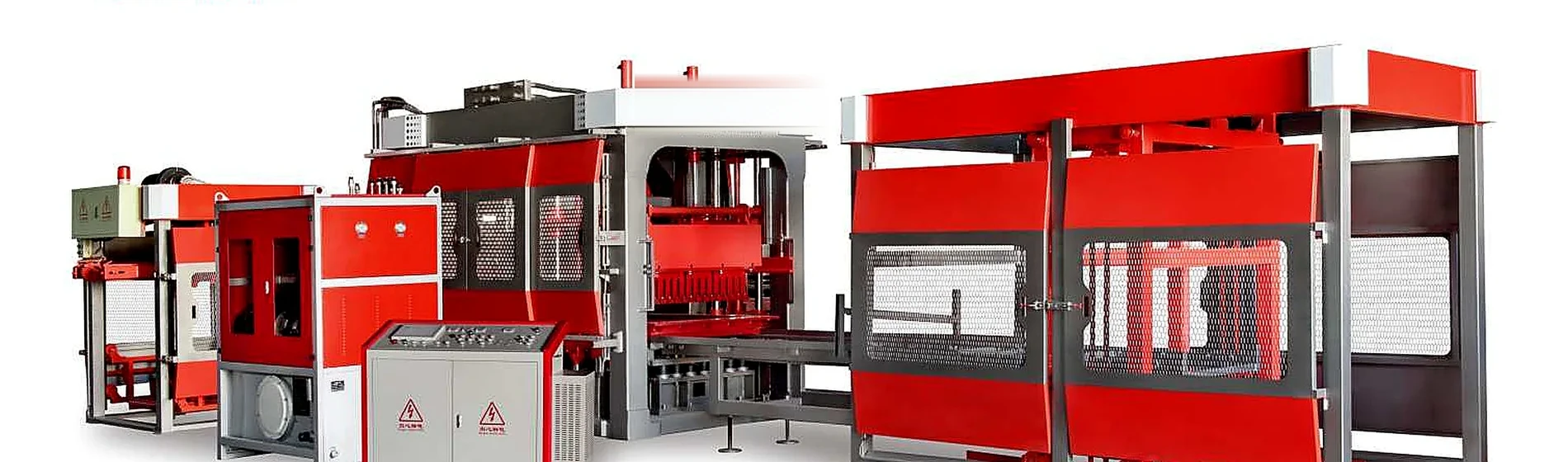
Concrete Block Making Machine
Core machine for hollow blocks, solid blocks, pavers and curbstones.
Automatic Block Making Machine
High-output automatic block machine for industrial production lines.
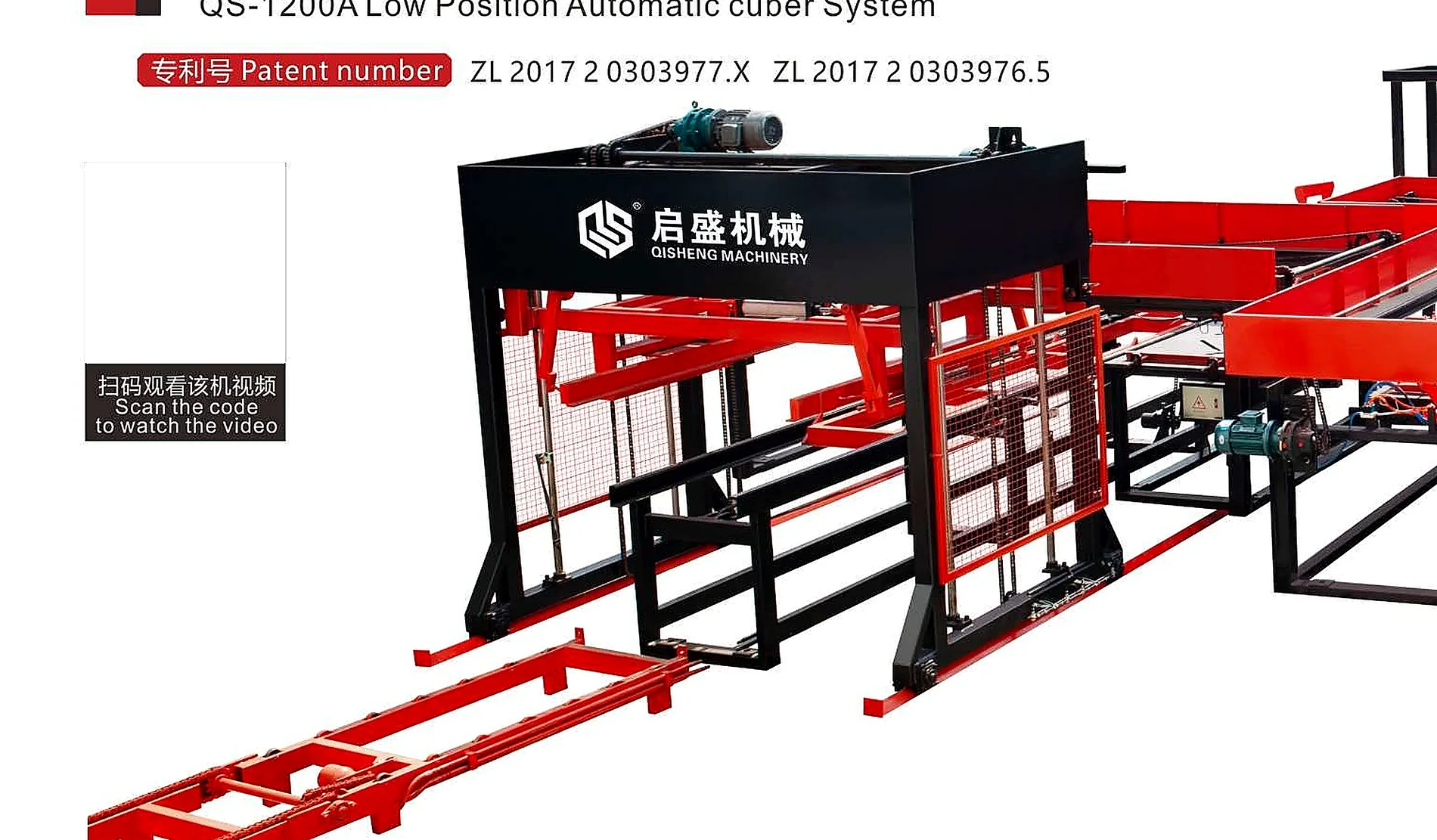
Hydraulic Block Making Machine
Hydraulic forming system for stable density and consistent blocks.
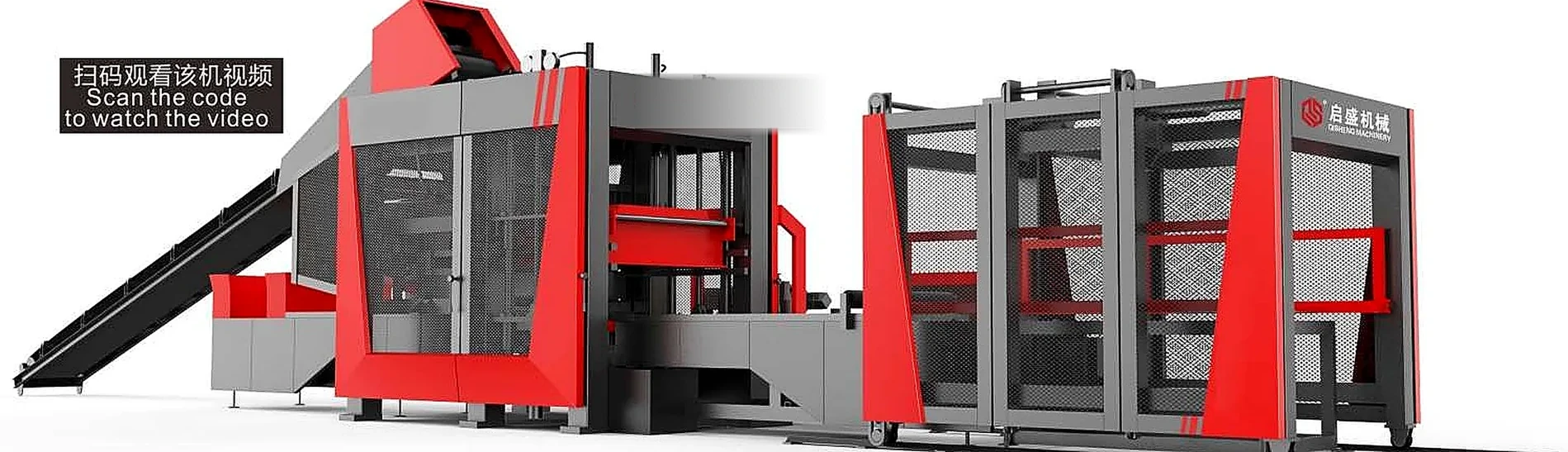
Hollow Block Making Machine
Machine configurations for common hollow concrete block sizes.