How to Start a Concrete Block Factory
A step by step look at how to start a concrete block factory, from choosing the block types and setting a daily output target to sizing the site, selecting the main machine and moulds, planning curing and staffing, and running a trial batch before full production.
Learning how to start a concrete block factory is mostly about sequence. Decide the block types you will sell, set a realistic daily output target, then size the site and power to match. After that, select the block making machine, moulds, batching and mixing, and curing method, plan the staff per shift, and run a trial batch with operator training before full production. Working in this order keeps later choices consistent with the product and prevents buying a machine that does not fit your yard or your market.
How to Start a Concrete Block Factory: The Sequence That Works
Start concrete block factory planning with the product, not the machine. The block types you sell decide the moulds, and the moulds decide what the block making machine must press and vibrate. Only after that do you fix a daily output target, and only after the output target do you size the site, the power supply and the curing yard. Buyers who purchase a machine first and then hunt for products to make usually end up with the wrong pallet size, an undersized mixing area, or a curing yard that cannot hold a single shift of output.
This guide follows the seven steps in the order that keeps a project moving: block types, output target, site and power, main machine and moulds, auxiliaries and curing, staffing, then trial production and training. Treat the order as fixed. Skipping ahead is what turns a straightforward plant into a redesign halfway through installation.
If you already know your block types and output target, you can move straight to the equipment: a concrete block making machine for general wall and paving production, or an automatic block making machine when you want more automation from the first day.
Step 1: Choose the block types you will sell
List the blocks your market actually buys: hollow blocks for walls, solid bricks, interlocking pavers, kerb stones, or a mix. Each type changes the mould, the pallet size and the vibration force. A large hollow block needs a different fill and press setting than a dense paver, and a paver usually needs a smoother pallet surface that a hollow block does not. Write down the exact dimensions in millimetres, because two blocks called the same size by two buyers can differ by 10 mm and need two different moulds. Choose a year-one product list of one to three types. Add more later by changing the mould, since one machine covers many products.
Step 2: Set a realistic daily output target
Convert your sales estimate into blocks per 8-hour shift. Multiply the blocks you expect to sell in a month, divide by your working days, and add a margin for rejects and slow days. This figure, not a supplier headline number, is what sizes the machine. Be careful with capacity claims: a block making machine that reaches 220,000 standard bricks per shift does so with one brick size, one mould and one cycle time. Your product mix will move that number, so read the capacity guide before you commit to a model.
Step 3: Fix the site, power and water
You need three areas: a covered production bay for the machine, a curing yard, and a stock area for raw materials and finished blocks. The curing yard is usually the largest, because blocks must rest before dispatch and a plant making one shift per day needs enough yard for at least that day of output. Confirm the power supply before choosing the machine. Installed capacity runs from about 44.9 kW on a compact model to 104 kW on the largest, so the transformer, cable size and panel must match. Confirm water for mixing, and drainage for washing and yard runoff.
Step 4: Select the main machine and moulds
The main machine is the vibration and press unit; the mould is the tool that shapes one product. Order one mould per product you will sell in year one, and plan the pallet count with the machine. Pallet size follows the model, from 980 × 860 mm on a compact machine up to 1,400 × 1,400 mm on the largest, and pallets are a real part of the startup budget. Choose between a semi automatic and an automatic control system at this step. The mechanical moulding method can be the same; what changes is how much of the cycle the operator runs by hand.
Step 5: Add auxiliaries and curing
The machine alone will not make blocks at a steady rate. You also need batching and mixing to feed it, pallet handling to move green blocks away, and a curing method that matches your yard. A larger plant may add a cuber to stack cured blocks and a strapping or wrapping unit to pack them for transport. Match the mixer and batching machine to the machine cycle. If the mixer delivers a batch slower than the cycle, the machine waits and your real output falls below the nameplate figure.
Step 6: Plan the people per shift
Staffing depends on the level of automation. A fully automatic line can run with a small team, while a semi automatic setup needs more hands on the machine, the pallets and the yard. Decide the roles before you write the job list: machine operator, mixer and batching operator, pallet and green block handling, forklift and yard, plus a supervisor.
Step 7: Run trial production and train the operators
Before full production, run a trial batch with your own aggregate and cement. The trial confirms the mix design, the mould fill, the vibration and press settings, and the curing time. Train the operators on the actual machine, including the fault display and the daily checks, so the first week of production is not also the first time they see a stopped cycle.
What Each Startup Step Depends On
Each step hands a decision to the next one. Keep this table beside you during planning so nothing is decided twice.
| Step | Decision to make | Information you need before moving on |
|---|---|---|
| 1. Block types | Product list for year one | Block dimensions, hollow or solid, target market |
| 2. Daily output | Blocks per 8-hour shift | Expected demand, working days per month, reject margin |
| 3. Site and power | Curing yard area, building height, supply | Land available, phase and voltage, water access |
| 4. Main machine and moulds | Machine model and mould set | Pallet size, cycle time, vibration force, moulds per product |
| 5. Auxiliaries and curing | Mixer, batching, pallet handling, curing | Batch size against cycle, pallet count, curing method |
| 6. Staffing | People per shift and roles | Automation level, forklift and yard work |
| 7. Trial and training | First run and operator training | Mix design, machine settings, spare parts on site |
Configuration Choices at Startup
Two projects with the same output target can start very differently. The scope you include in year one decides the labour, the floor area and how quickly you can raise output without a rebuild.
| Startup scope | What it includes | Suited to |
|---|---|---|
| Single semi automatic machine | One block machine, hand or basic pallet handling, yard curing | Low volume, one or two block types, small yard |
| Automatic machine with pallet feed | Automatic block machine, pallet feeding, batching and mixing, organised curing | Steady daily output, three or more block types |
| Automatic machine with curing line | Automatic machine plus online handling, curing system, cuber and packing | High output, several shifts, mixed product range |
If you are unsure which scope fits, ask CEMBRIQ to size the configuration against your block types and daily target rather than buying the largest machine you can afford.
Block Making Plant Equipment Checklist
Use this list during quotation so nothing is priced out of sight and then added later.
- Block making machine with the moulds for your year-one products
- Pallet set sized to the machine, plus spare pallets
- Batching machine and mixer matched to the machine cycle
- Cement, sand and aggregate handling and storage
- Pallet feeding and green block handling
- Curing method: yard curing, rack curing or a curing line
- Cuber or stacking system for cured blocks
- Strapping or wrapping for transport packaging
- Forklift and, where useful, a pallet-free brick clamp
- Spare parts set and wear items
- Control panel, cabling and the transformer to match installed power
How to Compare Block Factory Equipment Suppliers
Compare suppliers on the same basis or the numbers will mislead you. Ask each one for a configuration document that shows the machine model, pallet size, mould list, installed power, cycle time and included auxiliaries, so you are comparing identical scopes.
| What to compare | What to ask for |
|---|---|
| Machine model and pallet size | Model number, pallet dimensions, machine weight |
| Capacity claim | The brick size, mould and cycle behind the number |
| Moulds included | Which products, and the cost of extra moulds listed separately |
| Power and installation | Installed kW, voltage, who supplies the panel and cabling |
| Auxiliaries in scope | Mixer, batching, pallet feed, curing, cuber, packing |
| Spare parts and wear items | What ships with the machine and what is a consumable |
| Training and commissioning | Days on site, who trains the operators, trial batch support |
For regional buyers the same checklist applies; see how it is handled for Syria and confirm supply and site conditions before you fix the layout. When you are ready, send your block sizes and daily output target through the RFQ page and we will return a configuration plan.
Common Planning Mistakes That Delay a New Block Plant
Most delays in a new block plant come from decisions made out of order rather than from the machine itself. The list below covers the mistakes we see most often, and each one can be settled at the planning stage, before any steel arrives on site.
- Buying the machine before fixing the product list, which leads to the wrong pallet size and missing moulds.
- Using a supplier headline capacity as the planning target instead of the product-adjusted figure.
- Sizing the transformer to the machine alone and leaving out the mixer, batching and packing loads.
- Building a curing yard too small to hold one shift of output, so the machine waits for space.
- Ordering one mould for several block types and finding they need different tools.
- Leaving spare parts and wear items out of the first order, then losing hours to a stopped machine.
- Skipping the trial batch and setting the mix on the first full day of production.
A useful habit is to write the whole plan on one page before requesting any quotation: product list, target output, site sketch, and the equipment you expect to include. When that page is clear, every quotation you receive can be checked against it, and you can spot a configuration that is missing an item before you sign.
Get Factory Plan
Send CEMBRIQ your block types, target daily output and site size, and we will propose a startup configuration with the machine model, mould list, auxiliaries and curing method that fits. If you want to see the products behind the plan first, review the concrete block making machines. For a full walkthrough of cost factors without prices, read the price guide, and compare against the automatic block making machine range before you decide the automation level.
Frequently Asked Questions
How long does it take to set up a concrete block factory?
What is the first thing to decide when starting a block making business?
How much land does a block factory need?
What power supply does a concrete block factory need?
Which block making machine should a new block factory buy?
How many workers does a block factory need per shift?
Do I need a curing yard for a block factory?
What raw materials does a concrete block plant use?
How do I choose the right moulds for my factory?
How do I check a capacity claim before buying?
Related machines
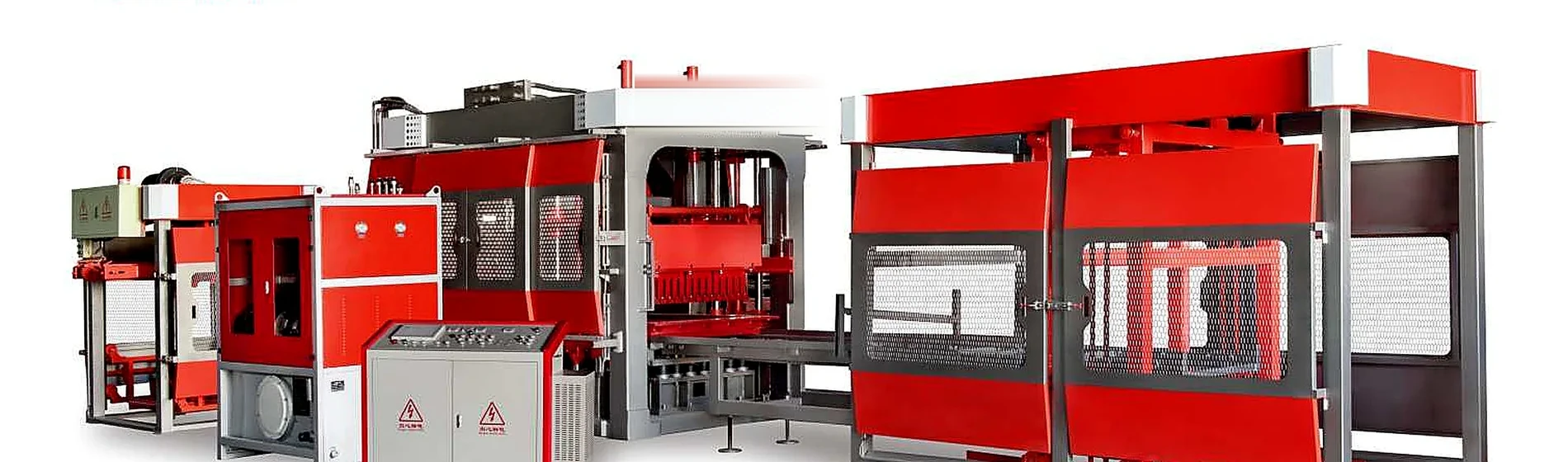
Concrete Block Making Machine
Core machine for hollow blocks, solid blocks, pavers and curbstones.
Automatic Block Making Machine
High-output automatic block machine for industrial production lines.
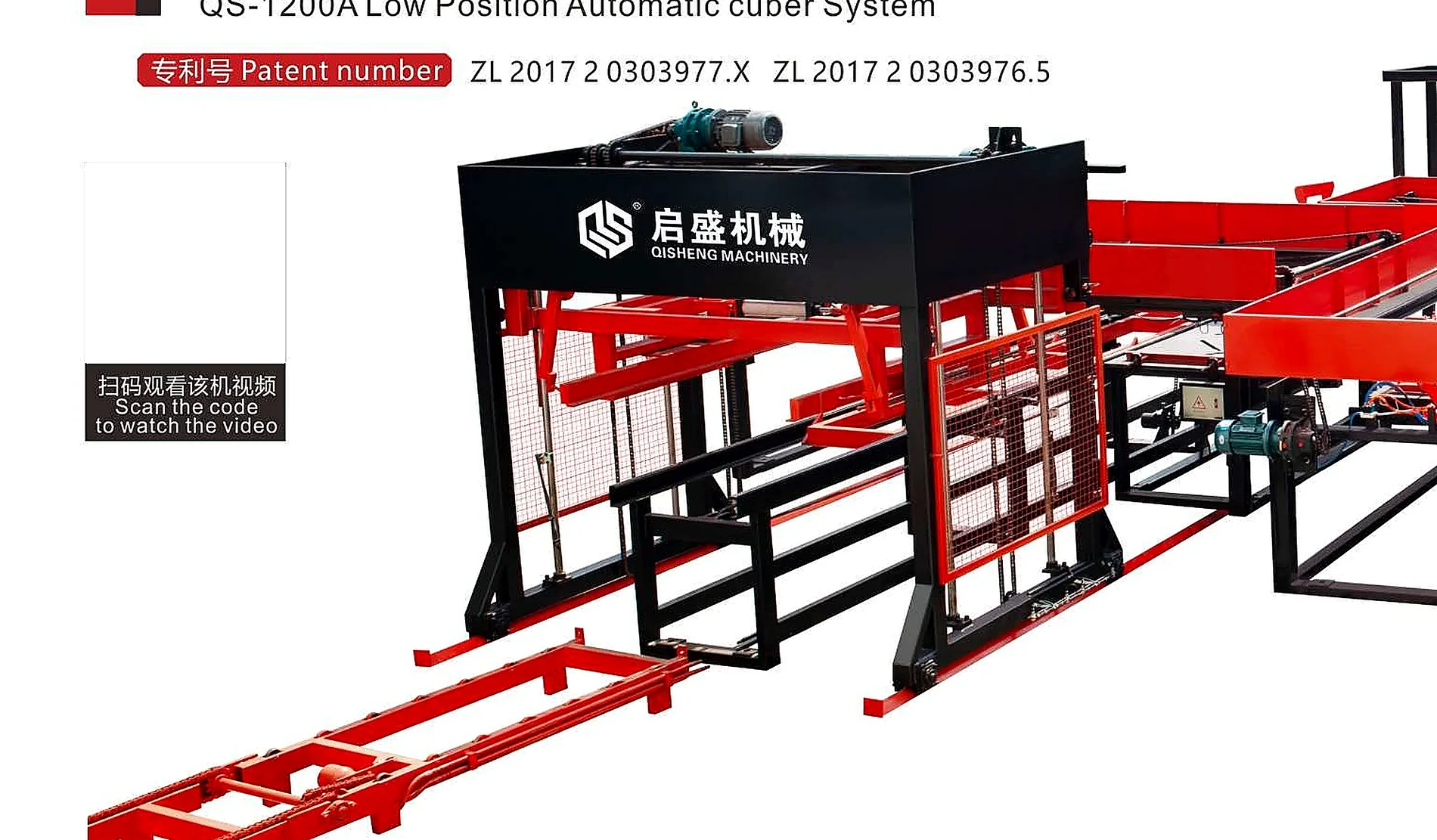
Hydraulic Block Making Machine
Hydraulic forming system for stable density and consistent blocks.
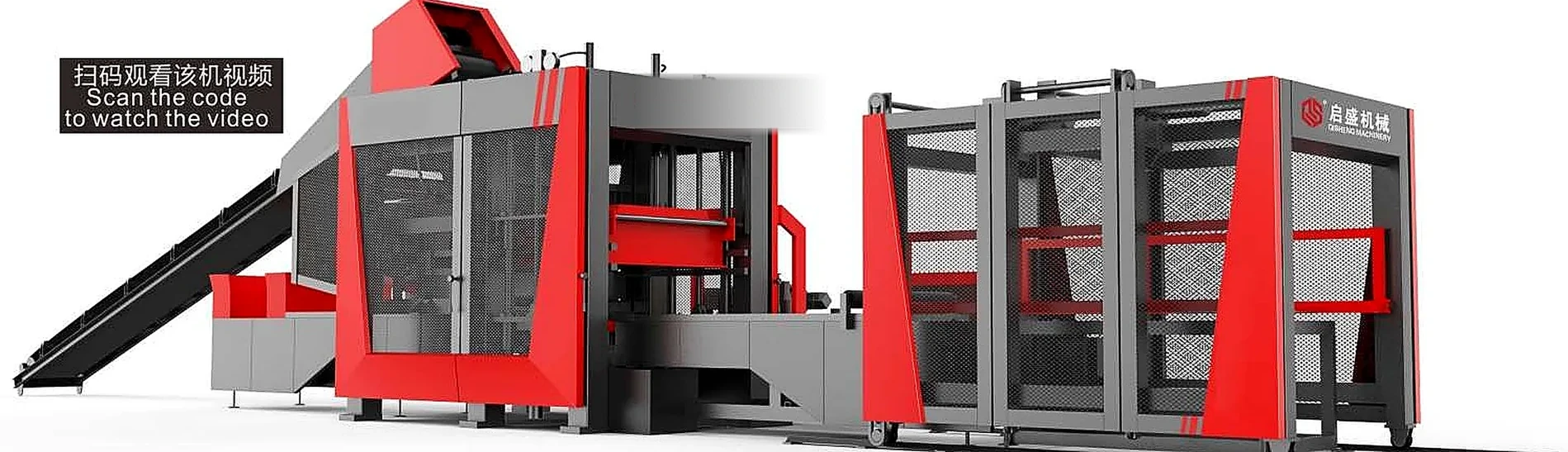
Hollow Block Making Machine
Machine configurations for common hollow concrete block sizes.