Block Machine for Pavers and Curbstones
Pavers run either on a vibration and press block machine or on a double-direction hydraulic press when higher density is needed. This page covers the moulds and pallet sizes for pavers, the mix behind a dense paver, capacity and cycle time, and the faults to fix before they reach the curing yard.
Pavers are made on a vibration and press block machine for pavers and curbstones, or on a QS series double-direction hydraulic press when higher density is needed for shaped and interlocking products. A steel mould sets the paver shape and the pieces per cycle, and the pallet carries the green paver into curing. Output follows the paver footprint, the cycle time and the shift length, with Holland brick and square block moulds giving different counts per stroke.
How to Read a Block Machine for Pavers and Curbstones
A block machine for pavers and curbstones compacts a semi-dry concrete mix inside a steel mould to form a shaped unit. Two machine families cover this work. A vibration and press machine fills the mould, vibrates the mix and presses the top shoe for standard lawn pavers, interlocking blocks and slope-protection bricks. A double-direction hydraulic press adds pressure from both ends, which suits high-density shaped pavers and kerb stones that a single-direction press cannot compact as firmly.
The product is set by the mould, so one host machine runs several paver and kerb designs. The QST1200, for example, covers lawn pavers, kerb stones, slope-protection bricks and interlocking blocks by changing the mould, while the QS800, QS1000 and QS1500 hydraulic presses handle the denser shaped products.
- Vibration and press: standard pavers, interlocking blocks and lawn pavers on the QST platform.
- Double-direction hydraulic press: high-density pavers and kerb stones on the QS800, QS1000 and QS1500.
- Working pressure: 31.5 MPa across the hydraulic press range.
- Product change: by mould, so a plant widens its mix without a second host machine.
Moulds and Pallet Sizes for Pavers
The mould fixes the paver footprint and the pieces per cycle, and the pallet must match the machine and carry the green paver into curing. On the hydraulic presses the pallet is matched to the moulding area, and some configurations run pallet-free for high-density products.
| Hydraulic press | Moulding area | Cycle time | Holland brick 200 x 100 x 60 mm | Square block 250 x 250 x 60 mm |
|---|---|---|---|---|
| QS800 | 1,100 x 680 mm | 18-22 s | 24 pcs / mould | 8 pcs / mould |
| QS1000 | 1,100 x 850 mm | 18-22 s | 32 pcs / mould | 12 pcs / mould |
| QS1500 | 1,440 x 850 mm | 18-22 s | 40 pcs / mould | 15 pcs / mould |
Paver thickness is the other variable. A garden paver is thinner than a road paver, and a thicker unit needs a deeper mould and a slightly longer press time to reach density through the full section. Tell the supplier the thickness as well as the footprint, because both feed into the mould and the cycle.
Send the paver drawing and the surface finish you need. A mould with a textured or chamfered face is still a new mould, and the pieces per cycle always follow from the footprint and the moulding area, not from a general estimate.
Mix Design for Pavers
Pavers use a semi-dry mix of cement, graded sand and stone, often with a facing layer where a specific surface colour or texture is required. High-density pavers need a well graded aggregate and consistent moisture so the mould fills fully and the press can compact the unit evenly.
Moisture control is the same discipline as for blocks: too dry and the edges crumble, too wet and the surface tears or sticks. On the batching side a PL series machine doses by pre-set ratio with fast and slow filling and a three-point weighing sensor, which keeps the mix consistent from the first pallet to the last.
- Cement content: set by the strength class and the facing requirement.
- Aggregate: well graded sand and stone; fines improve the surface but raise water demand.
- Colour and facing: added as a surface layer where the product calls for it.
- Water: kept semi-dry and adjusted during the shift as sand moisture changes.
Capacity and Cycle Time for Paver Production
Paver output follows the pieces per mould, the cycle time and the shift length. The double-direction hydraulic presses run an 18-22 second cycle, and the vibration and press machines run 15-25 seconds depending on model. Because a paver footprint is small, a single mould can carry many pieces, so a paver line is often judged on square metres per shift as much as pieces.
- Pieces per mould: fixed by the paver footprint and the moulding area.
- Cycle window: 18-22 seconds on the hydraulic presses, 15-25 seconds on the QST machines.
- Shift length: output scales with working hours once the cycle is fixed.
- Curing: green pavers need level, protected storage before cubing and packing.
When a project sells by area, convert pieces per cycle into square metres using the paver footprint, then multiply by cycles per shift. That figure, not a generic pieces-per-hour number, is what a buyer should take to the supplier for a capacity promise.
For a full paver and block plant rather than a single machine, the complete concrete block factory layout shows how the stages connect.
Common Paver Faults and Fixes
Most paver faults come from moisture, vibration and fill. Check these before changing the mould.
- Crumbling edges: mix too dry or vibration time too short; adjust water and check vibration time.
- Torn or porous face: air not expelled or mix too wet; raise vibration and reduce water.
- Uneven thickness: pallet not level or fill not uniform; check the pallet and the filling box.
- Sticking in the mould: too much water or worn mould surface; reduce water and check the mould.
- Low density or weak corners: check pressing pressure and cycle against the model rating.
Related Paver and Kerb Stone Machines
Choose the machine family by the product. Standard lawn and interlocking pavers fit the vibration and press platform, while high-density shaped pavers and kerb stones fit the double-direction hydraulic presses.
- Paver block making machine: the mould platform for interlocking and lawn pavers.
- Hydraulic block making machine: the QS800, QS1000 and QS1500 presses for dense pavers and kerbs.
- Concrete block production line: add curing, cubing and packing to a paver line.
- Complete concrete block factory: the whole plant flow and manpower.
Read the block making machine price guide for what drives total investment. Send your paver drawing and daily target on the RFQ page.
Choose Machine that matches your paver shape and shift target. Send your paver drawing, pallet size and daily output on the RFQ page.
Frequently Asked Questions
What is a block machine for pavers and curbstones?
Which machine makes high-density pavers?
How many pavers per cycle do these machines produce?
What mix do pavers need?
What causes paver surface faults?
Can I make pavers and blocks on the same machine?
Related machines
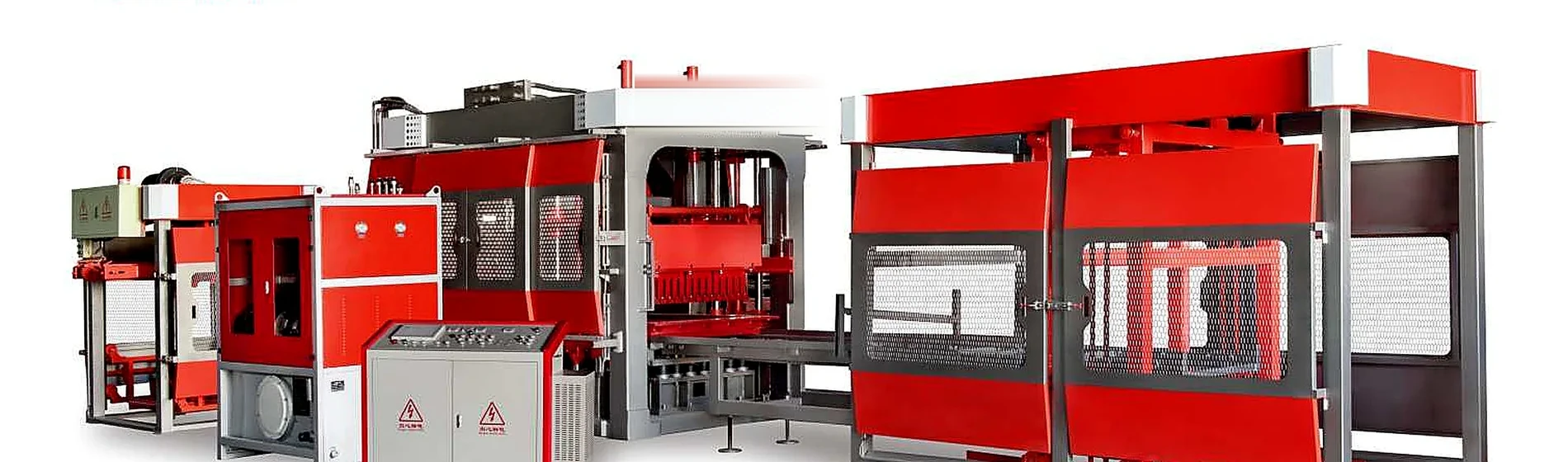
Concrete Block Making Machine
Core machine for hollow blocks, solid blocks, pavers and curbstones.
Automatic Block Making Machine
High-output automatic block machine for industrial production lines.
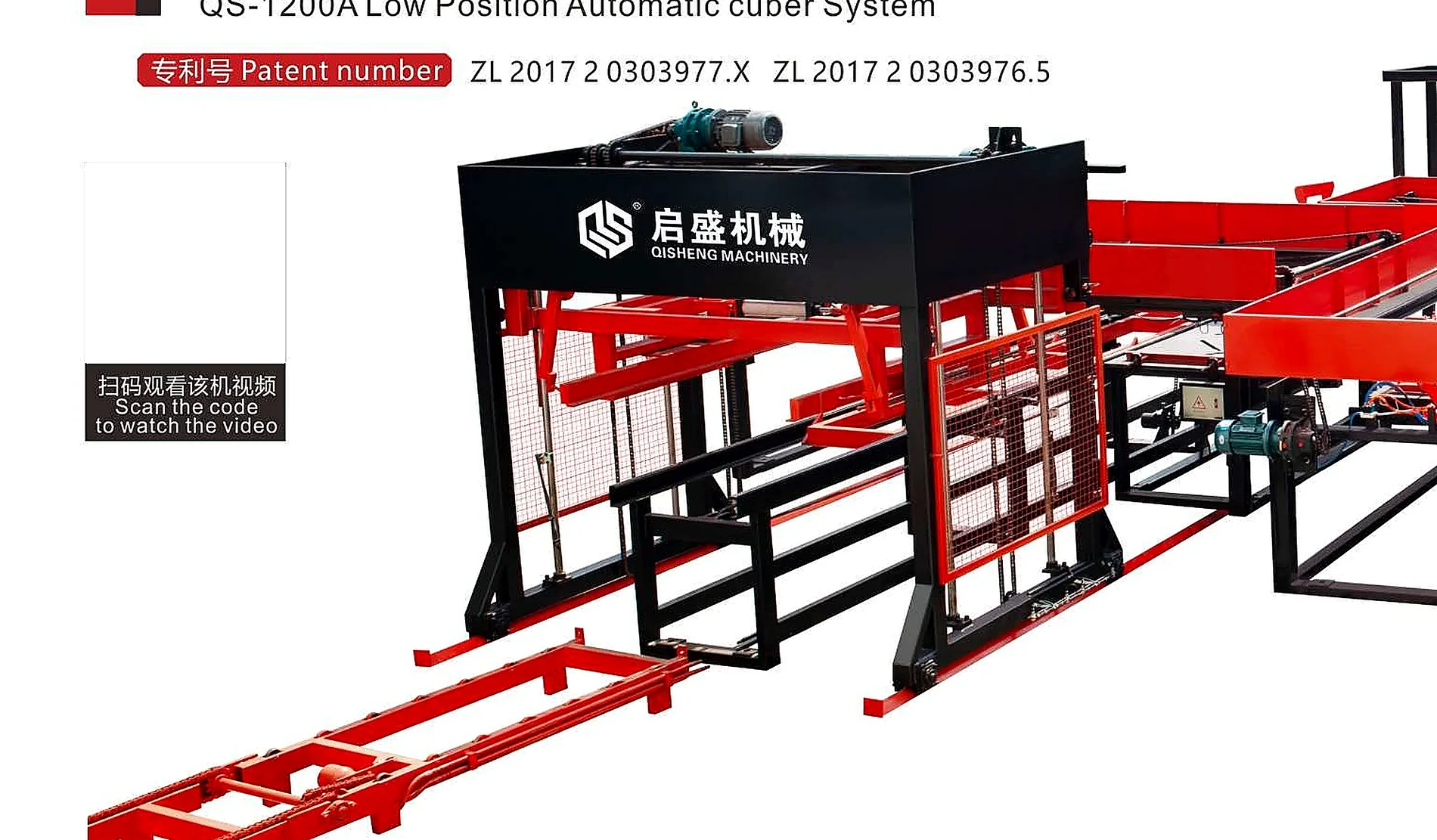
Hydraulic Block Making Machine
Hydraulic forming system for stable density and consistent blocks.
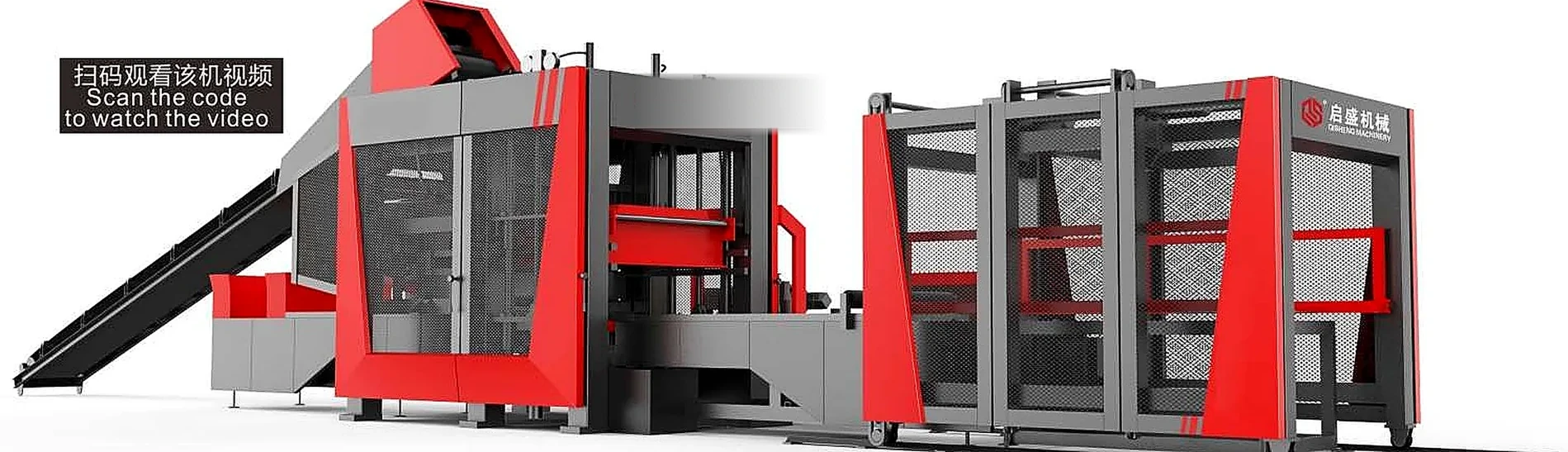
Hollow Block Making Machine
Machine configurations for common hollow concrete block sizes.