Machine for Making Cement Blocks
Cement blocks are made solid or hollow by changing the mould on one host machine. This page covers what a machine for making cement blocks does, the moulds and pallets involved, how the mix is set, the output you can expect, and the faults to correct when edges crumble or faces tear.
A machine for making cement blocks fills a steel mould with a semi-dry cement, sand and aggregate mix, then compacts it with vibration and hydraulic pressing in a single cycle. The block is released onto a pallet and cured before sale. Cement blocks are made solid or hollow by changing the mould, so one host machine produces both. Output depends on pieces per mould, cycle time and shift length, and the compact QST8-15 and QST6-15 suit smaller plants while the larger QST models cover higher daily targets.
What a Machine for Making Cement Blocks Does
A cement block is bound with cement and formed under pressure, unlike a fired clay brick or a product poured into a mould. A machine for making cement blocks fills a steel mould with a semi-dry cement, sand and aggregate mix, then compacts it with vibration and hydraulic pressing in one cycle. The block leaves the machine on a pallet and cures in the yard before it is sold.
Cement blocks are sold in two forms. A solid block uses the full mould footprint, and a hollow block carries one or more voids set by core bars. The same host machine produces both when you change the mould, so a producer can supply solid blocks for load walls and hollow blocks for the same project from one line.
The QST8-15 and QST6-15 are the compact fully automatic models for this product, and the larger QST1200, QST1500 and QST1800 cover higher daily output. All of them use vibration plus press moulding with an intelligent PLC touch screen.
- QST8-15: 9,800 x 3,600 x 2,800 mm, 14 t, pallet 980 x 860 x 22 mm, 95 kN vibration force.
- QST6-15: 9,450 x 3,300 x 2,700 mm, 12 t, pallet 980 x 680 x 20 mm, 68 kN vibration force.
- Moulding method: vibration plus press moulding on a steel pallet.
- Product change: by mould, so solid and hollow cement blocks run on one machine.
Moulds and Pallet Sizes for Cement Blocks
The mould sets the block footprint and the pieces per cycle, and the pallet must match the machine and travel with the green block into curing. A smaller pallet carries fewer blocks per stroke, which is the main difference between the compact models and the larger ones.
| Machine | Cycle time | Vibration force | Rated pressure | Pallet size |
|---|---|---|---|---|
| QST8-15 | 15-23 s | 95 kN | 31.5 MPa | 980 x 860 x 22 mm |
| QST6-15 | 15-23 s | 68 kN | 25 MPa | 980 x 680 x 20 mm |
| QST1200 | 15-25 s | 150 kN | 31.5 MPa | 1,350 x 880 x 25 mm |
| QST1800 | 15-25 s | 280 kN | 31.5 MPa | 1,400 x 1,400 x 30 mm |
Supply the supplier with the exact cement block drawing, the pallet size and the required strength, because the mould is cut to suit and a change of core layout or face profile is a new mould, not a machine adjustment.
Mix Design for Cement Blocks
Cement blocks take cement, sand, gravel or crushed stone, and often a local blend that includes fly ash, slag or construction waste. The mix is semi-dry so the block holds its shape the moment it leaves the mould. Cement content follows the strength you sell and the aggregate grading, not a fixed recipe.
Water is the variable that moves most during a shift. A mix that is too dry gives crumbly edges, and a mix that is too wet sticks to the mould and tears the face. Batch against a pre-set ratio with a PL series batching machine that doses with fast and slow filling, weighs with a three-point sensor and uses a vibration device to keep aggregate flowing.
- Cement content: set by target strength and aggregate grading.
- Aggregate: graded sand and stone with a controlled top size; fines improve the face but raise water demand.
- Supplementary materials: fly ash, slag or construction waste where locally available.
- Water: kept semi-dry and adjusted as sand moisture changes during the day.
Capacity and Cycle Time
Cement block output follows pieces per mould, cycle time and shift length. The published ceiling for the QST8-15 is up to 90,000 standard bricks per 8-hour shift, and for the QST1200 up to 120,960 and the QST1800 up to 220,000. Those figures are for a standard brick mould under stable conditions, and a solid or hollow cement block mould places a different number of pieces per stroke.
- Cycle window: the QST range runs 15-25 seconds per moulding cycle depending on model.
- Pieces per mould: fixed by the block footprint and the pallet area.
- Shift length: output scales with working hours once the cycle is set.
- Downstream limits: curing space and cubing can cap output before the machine does.
To plan a full plant rather than a single machine, see the complete concrete block factory configuration.
Common Cement Block Faults and Fixes
Cement block faults usually come down to vibration, moisture and fill. Work through the list before touching the mould.
- Crumbling edges: mix too dry or vibration time too short; add a little water and check vibration time.
- Honeycomb face: air not expelled; raise vibration force or time and check grading.
- Sticking in the mould: mix too wet; reduce water and check mould surface and release.
- Uneven height: pallet not level or pressing head out of parallel; check both.
- Low early strength: check cement content, aggregate cleanliness and curing conditions.
Related Machines for Cement Blocks
Choose by shift target. A new producer or a growing factory usually fits the compact platform; a producer supplying several product lines fits the mid or large platform.
- Cement block making machine: the QST8-15 and QST6-15 platform for this product.
- Concrete block making machine: the full QST range with mould counts.
- Block moulding machine: how the mould platform works across products.
- Complete concrete block factory: the full plant flow and manpower.
Read the block making machine price guide for what drives total investment. Send your block drawing and daily target on the RFQ page.
Choose Machine for your cement block size and shift target. Send your block drawing, pallet size and output target on the RFQ page.
Frequently Asked Questions
What is a machine for making cement blocks?
What is the difference between a cement block and a hollow block?
How many cement blocks can one machine make per shift?
Which machine suits a small cement block business?
What mix makes strong cement blocks?
Can a cement block machine also make pavers and bricks?
Related machines
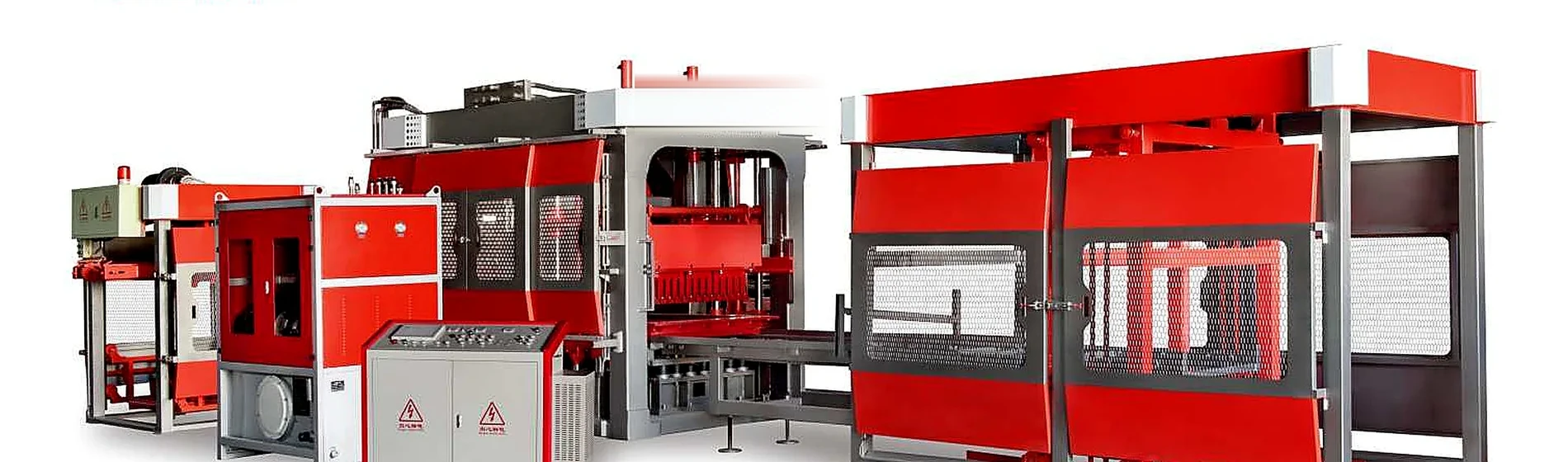
Concrete Block Making Machine
Core machine for hollow blocks, solid blocks, pavers and curbstones.
Automatic Block Making Machine
High-output automatic block machine for industrial production lines.
Hydraulic Block Making Machine
Hydraulic forming system for stable density and consistent blocks.
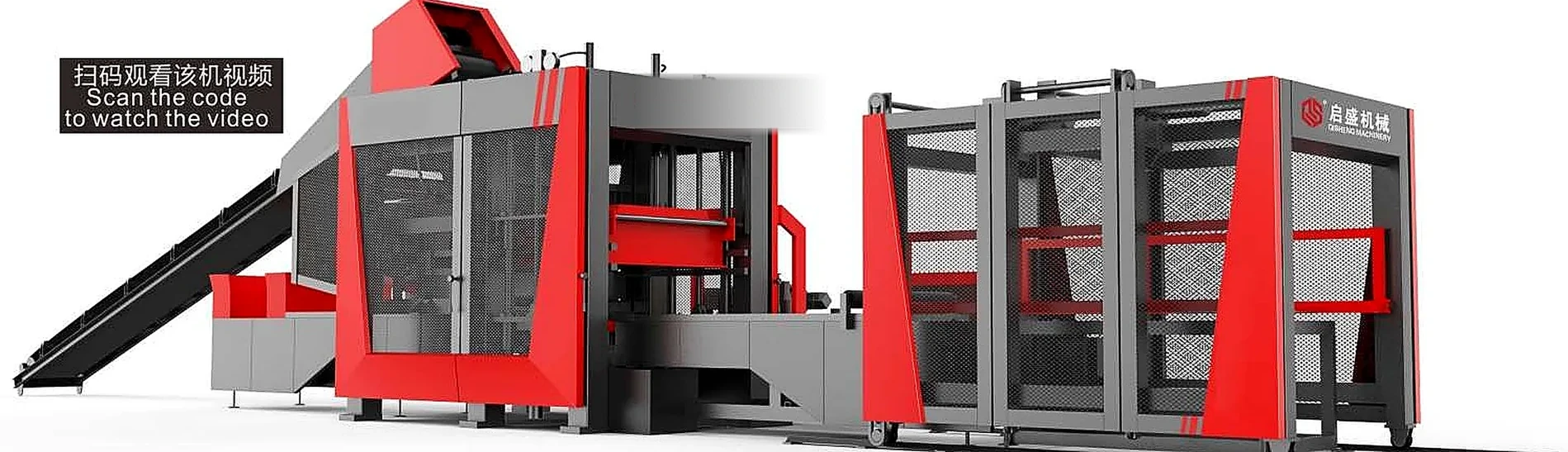
Hollow Block Making Machine
Machine configurations for common hollow concrete block sizes.