Machine for Making Hollow Concrete Blocks
Hollow concrete blocks are compacted on a vibration and press machine with core bars set to your wall thickness. This page explains what machine and mould a hollow block needs, how the mix behaves, what cycle time and pallet size to expect, and which faults to fix first when corners crumble or faces tear.
A machine for making hollow concrete blocks uses vibration and hydraulic pressing to compact a semi-dry cement mix inside a steel mould, with core bars holding the voids until the block is released onto a pallet. The block is 390 x 190 x 190 mm in the standard size used for comparison here, and the mould is cut to your wall thickness and hollow rate. Output depends on pieces per mould, cycle time and shift length. The same host machine runs solid bricks, pavers and kerb stones by changing the mould.
Choosing a Machine for Making Hollow Concrete Blocks
Hollow concrete blocks are formed by filling a steel mould with a semi-dry cement mix and compacting it with vibration and hydraulic pressing at the same time. The machine for making hollow concrete blocks must fill the mould evenly, shake the air out of the mix and press the top shoe down while the core bars hold the voids. Get any of those three wrong and the faults show up immediately as weak corners, torn webs or a rough top face on the pallet.
The QST vibration and press platform runs hollow block moulds from a standard pallet, and the same machine accepts moulds for solid bricks, pavers and kerb stones. That means a plant switches product by changing the mould, not the machine, which keeps one capital item working across several product lines.
- Reference hollow block: 390 x 190 x 190 mm, the size used for the mould comparisons on this page.
- Moulding method: vibration plus press moulding, not a poured or cast block.
- QST1800: 15,500 x 5,500 x 3,200 mm machine, 34 t, 1,400 x 1,400 x 30 mm pallet, 280 kN vibration force.
- QST1200: 11,500 x 4,550 x 2,800 mm machine, 17 t, 1,350 x 880 x 25 mm pallet, 150 kN vibration force.
- QST8-15: 9,800 x 3,600 x 2,800 mm machine, 14 t, 980 x 860 x 22 mm pallet, 95 kN vibration force.
The core bars and vent holes set the hollow rate and the wall thickness. Send the supplier the exact block drawing and the pallet size, because the mould is cut to suit and a wrong core layout cannot be corrected later by machine settings alone.
Moulds, Pallets and Setup for Hollow Blocks
A hollow block mould is a box with core bars that stay in the mix during pressing and withdraw before the pallet is pushed out. The number of blocks per cycle follows from the pallet area and the block footprint, so a smaller pallet carries fewer 390 x 190 x 190 mm blocks per stroke. The pallet travels with the green block into curing, so pallet size, thickness and flatness must match the machine.
| Machine | Cycle time | Vibration force | Rated pressure | Pallet size |
|---|---|---|---|---|
| QST1800 | 15-25 s | 280 kN | 31.5 MPa | 1,400 x 1,400 x 30 mm |
| QST1500 | 15-23 s | 220 kN | 31.5 MPa | 1,350 x 1,150 x 30 mm |
| QST1200 | 15-25 s | 150 kN | 31.5 MPa | 1,350 x 880 x 25 mm |
| QST1000 | 15-23 s | 105 kN | 31.5 MPa | 1,100 x 880 x 25 mm |
| QST8-15 | 15-23 s | 95 kN | 31.5 MPa | 980 x 860 x 22 mm |
Hollow blocks place fewer pieces per cycle than solid bricks on the same pallet, so read a capacity figure together with its product. A hollow block line is normally planned on blocks per shift, and the safe way to fix a target is to combine your block size, the machine cycle time and the number of working hours.
Mix Design and Material Considerations
Hollow blocks carry less material than solid bricks, so the mix must be strong enough to hold thin webs while still compacting into a dense face. A semi-dry mix uses cement with sand, gravel or crushed stone powder, and often a blend that includes fly ash, slag or construction waste where those materials are available locally.
Moisture is the most common variable from shift to shift. A mix that is too dry crumbles at the edges, and a mix that is too wet sticks to the core bars and tears the top face. Batching accuracy matters as much as the machine: a PL series batching machine doses aggregate against a pre-set ratio with fast and slow filling, a three-point sensor for weighing and a vibration device that keeps material moving.
- Cement content: set by the strength you sell and the aggregate grading, not by a fixed figure.
- Aggregate: graded sand and stone with a controlled top size; more fines help the surface but raise water demand.
- Admixtures: used only where the local aggregate or climate makes them necessary.
- Water: held at a semi-dry consistency and adjusted during the shift as sand moisture changes.
Capacity, Cycle Time and Output Planning
The published ceiling for the QST1800 is up to 220,000 standard bricks per 8-hour shift, and 120,960 for the QST1200. Those figures are for a standard solid brick mould under stable conditions. A hollow block mould places fewer pieces per stroke, so the hollow block rate is lower, and the real number follows from the block size, the cycle time and the shift length you actually run.
- Design figure, not a guarantee: the ceiling assumes a steady mix, a correct mould and no unscheduled stops.
- Hollow block factor: count pieces per mould for your block, not pieces per mould for a brick.
- Shift length: output scales with working hours once the cycle is fixed.
- Curing: floor space for green block storage often limits output before the machine does.
If the target is a full plant rather than a single machine, the curing, cubing and packing stages set the pace. A complete line matched to the same host machine is described in the complete concrete block factory section.
Common Forming Faults and How to Adjust Parameters
Most hollow block faults trace back to one of four settings: vibration time, vibration force, mix moisture and fill depth. Work through them in that order before changing the mould.
- Weak or crumbling corners: raise vibration time slightly, check mix moisture, confirm the mould is not worn at the edges.
- Porous or honeycombed face: increase vibration force or time, check aggregate grading and cement content.
- Block sticking to core bars: reduce water, check bar surface and release, verify the fill depth is correct.
- Uneven height across the pallet: level the pallet, check the filling box and the parallelism of the pressing head.
- Layered look or cold joints: the mix waited too long before pressing; shorten the time between batch and mould.
Related Block Machines for Hollow Block Production
Match the machine to your shift target rather than to the largest model. A start-up producing 390 x 190 x 190 mm blocks for local walls usually fits the small platform, a mid-size producer adding pavers to the same line fits the mid platform, and high daily output justifies the largest model.
- Hollow block making machine: the QST1200 and QST1000 platform for this product.
- Concrete block making machine: the full QST range with mould counts.
- Concrete block production line: add batching, curing, cubing and packing.
- Complete concrete block factory: the whole plant flow and manpower.
For the cost structure and what drives total investment, read the block making machine price guide. To move forward, send your block drawing and daily target on the RFQ page.
Choose Machine that matches your block size and shift target. Send your block drawing, pallet size and daily output on the RFQ page and the team will come back with a configuration.
Frequently Asked Questions
What machine makes hollow concrete blocks?
How many hollow concrete blocks can one machine produce per shift?
Which mould do I need for 390 x 190 x 190 mm hollow blocks?
How much cement does a hollow block mix use?
What cycle time should I expect for hollow blocks?
Can one machine make both hollow blocks and solid bricks?
Related machines
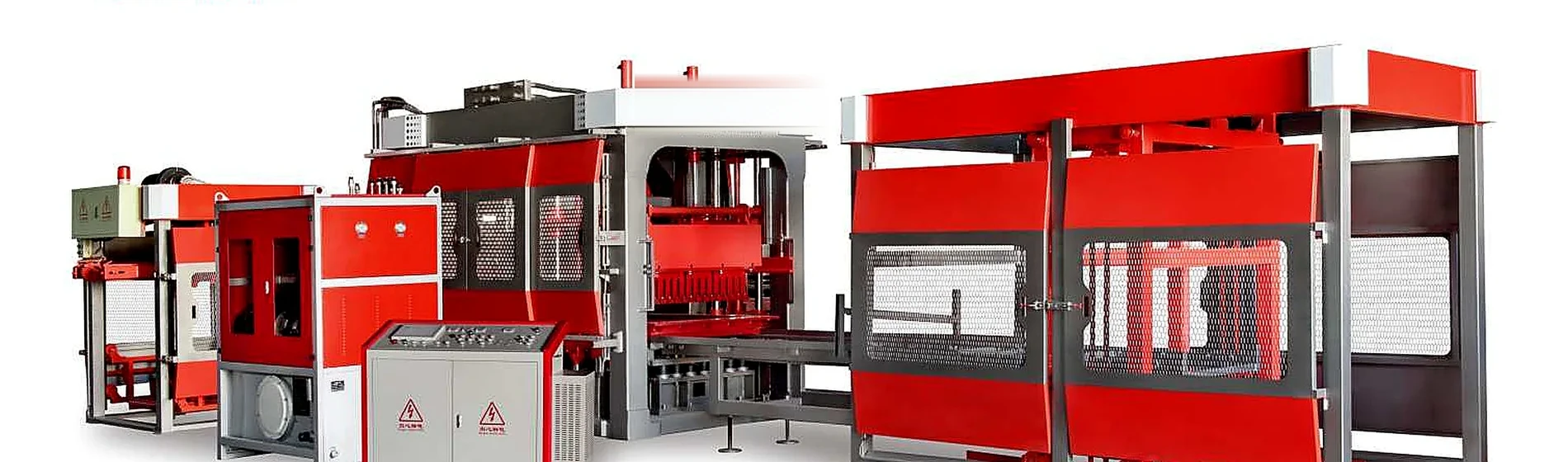
Concrete Block Making Machine
Core machine for hollow blocks, solid blocks, pavers and curbstones.
Automatic Block Making Machine
High-output automatic block machine for industrial production lines.
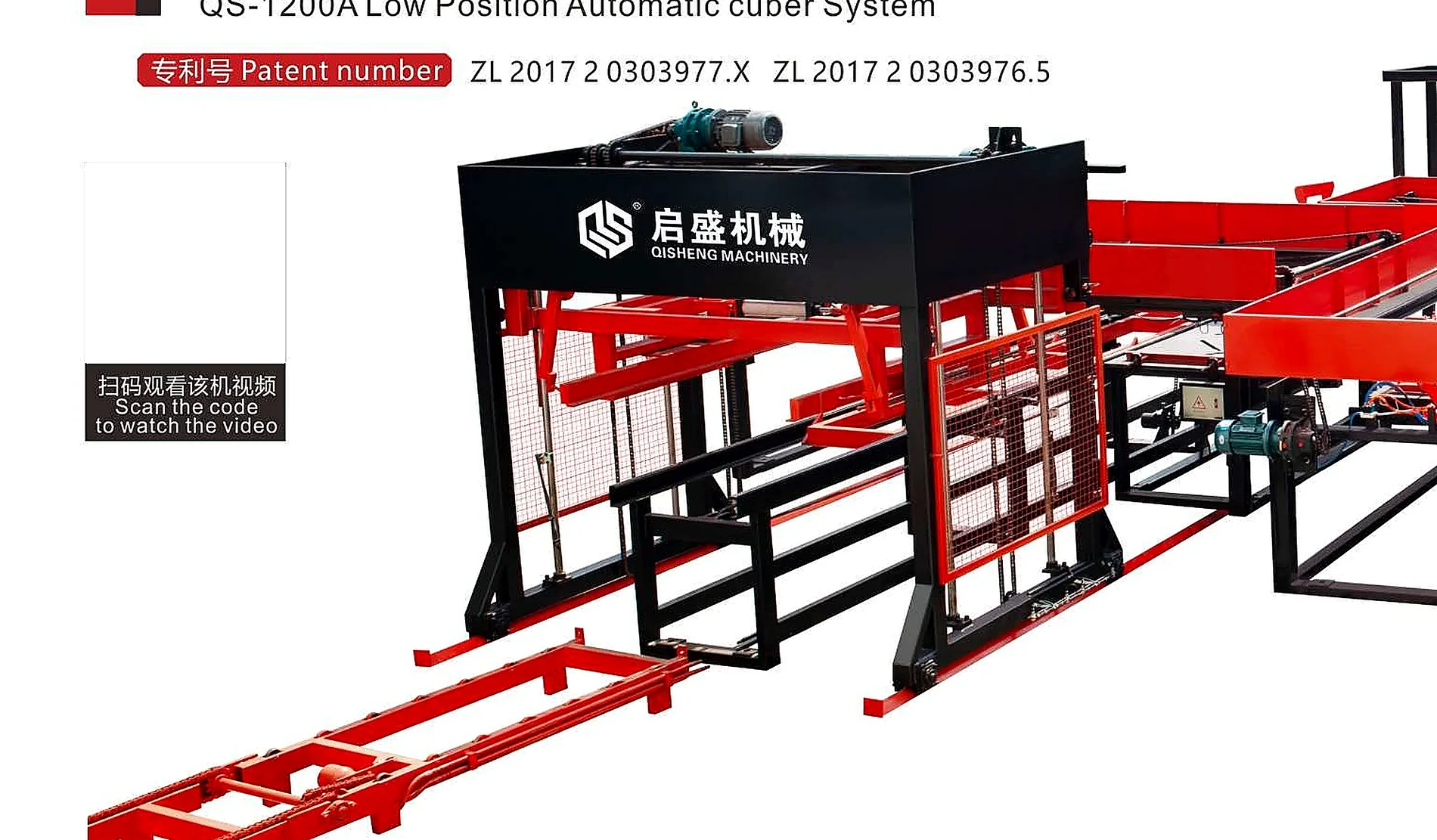
Hydraulic Block Making Machine
Hydraulic forming system for stable density and consistent blocks.
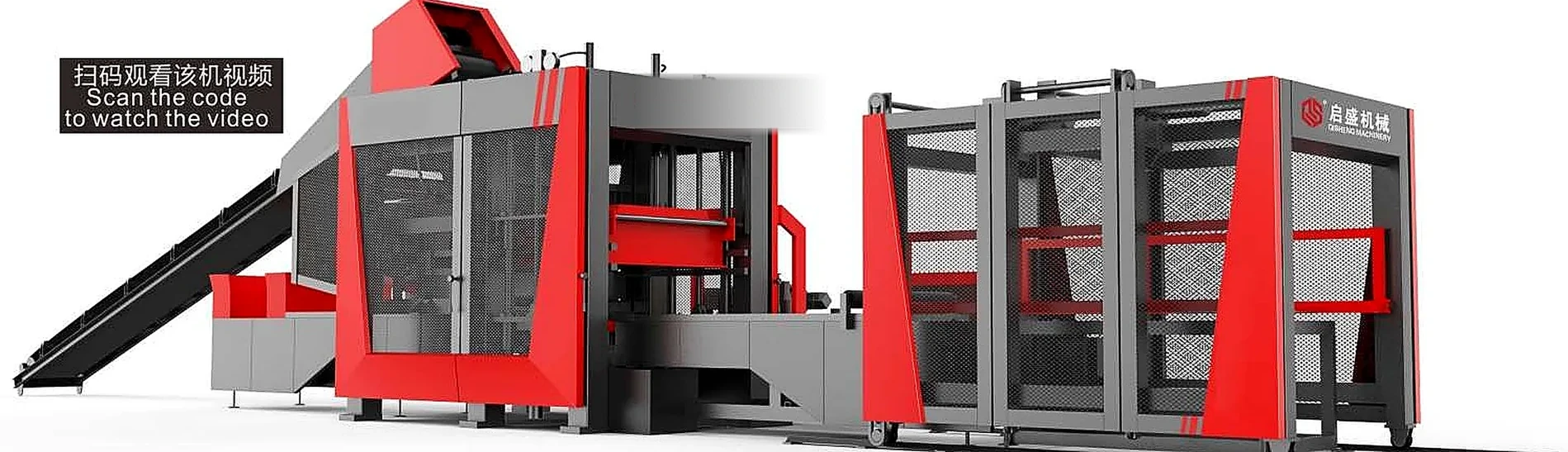
Hollow Block Making Machine
Machine configurations for common hollow concrete block sizes.