Interlocking Block Machine: Mould, Mix and Production Setup
Interlocking pavers run on a vibration and press machine or a hydraulic press, depending on thickness and traffic load. This page covers the moulds and laying patterns, the two-mix facing system, the mix and moisture points that decide strength, cycle time and capacity, curing, and the faults that reach the curing yard when fill, vibration or pressing is wrong.
An interlocking block machine is a vibration and press machine that compacts a semi-dry concrete mix in a steel mould to form pavers whose edges lock together once they are laid. The mould sets the shape, the thickness and the pieces per cycle, and the same host machine also runs kerb stones and hollow blocks by changing the mould. Output depends on pieces per mould, cycle time and shift length, with the QST range running a 15 to 25 second cycle and up to 220,000 standard bricks per 8-hour shift on the QST1800.
What an Interlocking Block Machine Produces
An interlocking block machine is a vibration and press machine that forms pavers with angled edges, spacer bars or a shaped profile, so the laid units lock into each other and carry load across the joints. That is why the same family covers sidewalks, park paths, driveways, loading yards, ports and municipal roads, not just garden slabs. Change the mould and it also runs matching kerb stones and solid bricks.
Buyers usually arrive with a paving contract that already fixes the shape, thickness, laying pattern and surface colour. Thickness follows the traffic: 60 mm pavers suit footpaths and landscaping, 80 mm handles driveways and parking bays, and 100 mm heavy-duty units are used for ports and industrial yards. Decide the block first, then the machine and the mould, never the reverse.
- Pedestrian and landscaping: 60 mm pavers in I-shape, Z-shape and cobble profiles.
- Light vehicle: 80 mm pavers in double-T and square profiles.
- Heavy traffic: 100 mm pavers on the hydraulic press range.
- Matching units: kerb stones, slope-protection bricks and solid bricks from one host machine.
What the Interlocking Block Machine Needs
Pavers are compacted, not poured. Three things decide the result: how evenly the mould fills, how much vibration reaches the mix, and how hard the top shoe presses while the block is still in the mould. Vibration on the QST range runs from 95 kN on the compact QST8-15 to 280 kN on the QST1800, at 3,800 to 4,500 vibrations per minute, and the hydraulic presses are rated at 31.5 MPa. A fine, rich mix or a thin colour-faced paver needs vibration that can be turned down without losing the press, not the largest machine on the list.
Mould change is the other half. The mould sets the paver shape, the pieces per cycle and the thickness, so a plant running several contracts switches product at the machine instead of buying a second host machine. Confirm that the moulds you actually sell are supported on the model you are buying, and send the block drawing, the spacer profile and the pallet size with the enquiry, because a mould cut for one pattern will not produce another.
Moulds, Patterns and Thickness
The QST vibration and press platform runs interlocking pavers on steel moulds carried on a pallet. The QS double-direction hydraulic presses run higher-density pavers and, in some configurations, mould pallet-free. Published pieces per mould on the press range show how the count changes with the mould.
| Hydraulic press | Moulding area | Cycle time | Holland brick 200 x 100 x 60 mm | Square block 250 x 250 x 60 mm |
|---|---|---|---|---|
| QS800 | 1,100 x 680 mm | 18-22 s | 24 pcs per mould | 8 pcs per mould |
| QS1000 | 1,100 x 850 mm | 18-22 s | 32 pcs per mould | 12 pcs per mould |
| QS1500 | 1,440 x 850 mm | 18-22 s | 40 pcs per mould | 15 pcs per mould |
The pallet must match both machine and mould, because the green paver rides the pallet into the curing yard, and the wrong pallet either will not fit the moulding area or will not survive the vibration. Colour-faced pavers also need a two-level fill, so the mould must be deep enough for the facing layer plus the base, and the two are ordered together.
Aggregate, Cement and the Double-Layer Facing Mix
An interlocking paver is built from two mixes. The base mix does the structural work: a semi-dry blend of cement, graded sand and stone that fills the mould and compacts into a dense body. The facing mix is a thinner top layer of finer sand carrying the pigment or exposed aggregate that gives the colour and texture the buyer sees at the roadside. A supplier who cannot run two fill levels cannot sell colour-faced interlocking pavers.
Grading is where most buyers go wrong. Sand that is too coarse leaves the paver open and the face gritty; too much silt or clay holds water and weakens the block, so ask for washed, well-graded material and keep it consistent from load to load. Moisture matters just as much: a semi-dry mix needs a small, steady water content, and hot sand arrives drier in the afternoon than in the morning, so the mix water is adjusted through the shift rather than set once.
The batching plant has to keep up with the cycle. A PL series batching machine doses aggregates by a pre-set ratio with high-precision three-point sensors and a vibration device that keeps the hopper flowing, and a CMP vertical shaft planetary mixer gives a more uniform mix than a simple pan mixer, which shows directly in the evenness of the facing colour.
Capacity, Cycle Time and Machine Model
Output follows three numbers: pieces per mould, cycle time and shift length. The QST machines run a 15 to 25 second cycle and the presses 18 to 22 seconds, covering fill, vibration, press and demould together. The published ceilings below are quoted on standard brick moulds, so treat them as a scale reference for your paving mould.
| Model | Vibration force | Installed capacity | Cycle time | Pallet size | Published capacity |
|---|---|---|---|---|---|
| QST1800 | 280 kN | 104 kW | 15-25 s | 1,400 x 1,400 x 30 mm | up to 220,000 standard bricks per 8 h |
| QST1500 | 220 kN | 69.1 kW | 15-23 s | 1,350 x 1,150 x 30 mm | confirm against your mould |
| QST1200 | 150 kN | 57.6 kW | 15-25 s | 1,350 x 880 x 25 mm | up to 120,960 standard bricks per 8 h |
| QST1000 | 105 kN | 48.9 kW | 15-23 s | 1,100 x 880 x 25 mm | confirm against your mould |
| QST8-15 | 95 kN | 44.9 kW | 15-23 s | 980 x 860 x 22 mm | up to 90,000 standard bricks per 8 h |
Size the machine backwards from the daily area you owe: convert it to pavers, divide by the pieces you will run per cycle, multiply by the cycle time, and add the downtime you will lose to mould changes and mix stops. A mid-size machine such as the QST1200, with 57.6 kW installed capacity and 150 kN vibration force, carries most interlocking paver moulds alongside blocks. A dedicated plant running only 100 mm heavy-duty units usually does better with a QS hydraulic press.
Curing, Handling and Strength
Pavers harden in the curing yard by cement hydration, which needs water and time, not heat. Fresh pavers lose surface water fast in dry heat, so the curing area should be shaded or covered and never left in direct sun, and a controlled rack or finger-car curing line does more for consistent strength than any setting on the host machine. Move green units too early and the edges and interlocking profile chip. Once cured, pavers are cubed and, where the contract requires it, strapped and wrapped, and a forklift clamp lets a yard lift a stack without pallets.
Common Faults and How to Fix Them
Almost every fault traces back to mix, fill, vibration, press or handling. Work down this table before changing a machine setting.
| Fault | Likely cause | First check |
|---|---|---|
| Crumbling edges | Mix too dry, or vibration too short | Mix moisture, then vibration time and force |
| Torn or sticking top face | Mix too wet, or a worn or dirty mould | Reduce water, clean and inspect the mould |
| Uneven thickness across the pallet | Uneven fill, worn pallet, or press depth | Fill depth, pallet flatness, press stroke |
| Colour variation on the face | Facing mix not uniform, or dosing drift | Facing mixer, pigment dosing, facing layer depth |
| Chipped corners after demould | Demould too fast, or the pallet is not level | Demould speed, pallet support, green handling |
| Surface cracks after curing | Mix too wet, or curing in direct sun | Water content, shade over the curing area |
Change one thing at a time and mould a trial pallet before touching the next. A fault that looks like a machine problem is often a mix problem, and a fault that looks like a mix problem is often a moisture change in the sand.
Running Interlocking Pavers in Middle East Heat
Heat changes the mix before it reaches the machine. Sand and aggregate arrive hot and dry, water evaporates from the mixer and the conveyor, and a line that ran well at 20 degrees needs tighter water control at 40 degrees. Keep the mix and batching water under shade, check sand moisture more often, and expect the afternoon batch to behave differently from the morning one.
Curing is the other risk: sun and wind dry a fresh face quickly and open hairline cracks, so cover the yard, keep pavers damp through the first days, and keep the thin facing layer workable and protected. Dust adds a third problem, because sand and crushed stone in the region can carry more fines than a paver mix wants; test the grading of each delivery and keep a washed, well-graded aggregate for the facing layer.
Choosing the Right Machine
Two questions settle the choice: the heaviest paver in the contract, in thickness and traffic load, and how many patterns you run over the year. One or two 60 mm footpath patterns run comfortably on a compact vibration and press machine. Roads, ports and industrial yards with 100 mm heavy-duty pavers need the density of a double-direction hydraulic press. A mixed plant that runs pavers alongside hollow blocks and kerb stones should look at the QST range, which covers interlocking pavers, kerb stones, slope-protection bricks and hollow blocks from one host machine by mould.
Send your block drawings, pallet size and daily output target, and ask for the mould list with the machine quotation. Compare machine, moulds, batching, curing and handling as one package, because a fast machine with a slow curing yard delivers no more pavers than a slow one. The complete concrete block factory page shows how the moulding machine, batching plant and curing line fit together, and the block making machine price guide lists the cost factors to check before comparing quotations. Send your block and output target and the reply comes back with the machine, moulds and line scope.
Frequently Asked Questions
What is an interlocking block machine?
Which machine is best for making interlocking pavers?
How many interlocking pavers can one machine produce per shift?
What mould do I need for interlocking pavers?
What mix do interlocking pavers use?
Why do my pavers lose their colour or show patches?
Can an interlocking block machine make hollow blocks as well?
Related machines
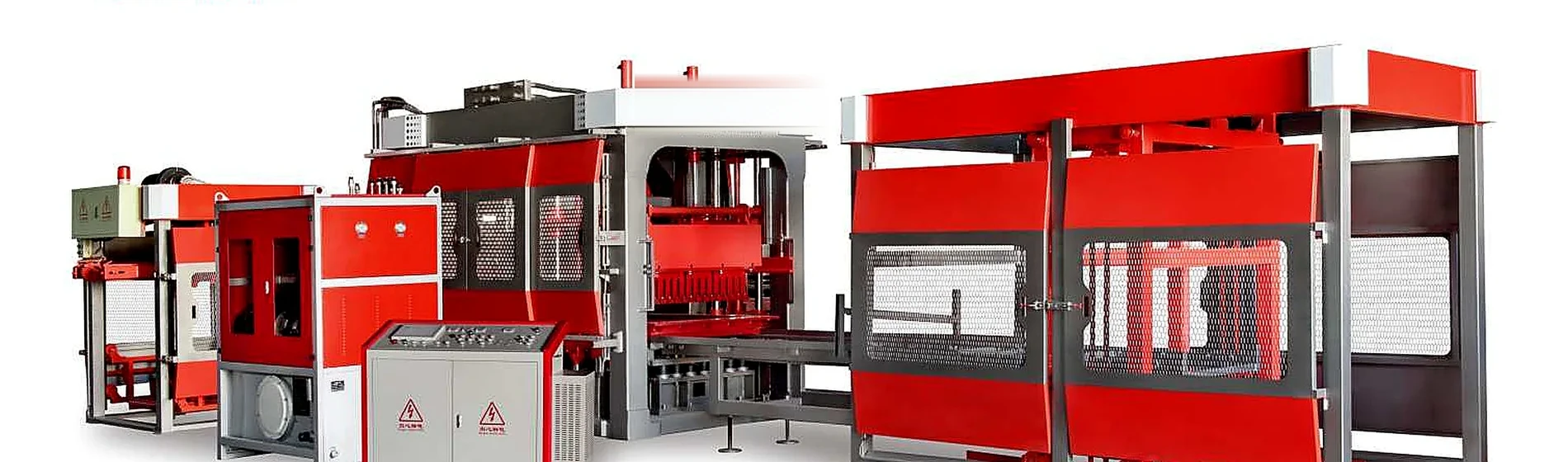
Concrete Block Making Machine
Core machine for hollow blocks, solid blocks, pavers and curbstones.
Automatic Block Making Machine
High-output automatic block machine for industrial production lines.
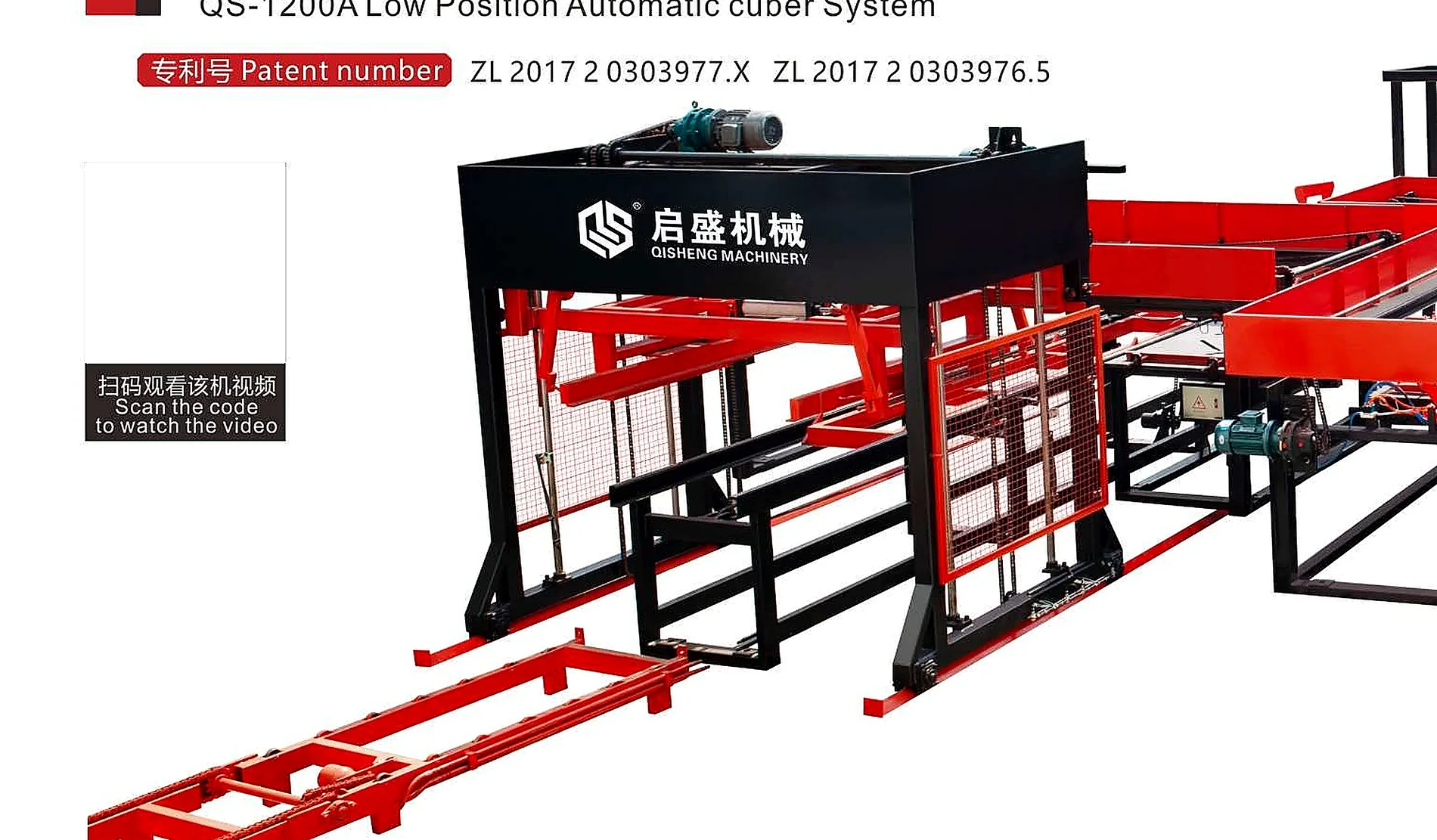
Hydraulic Block Making Machine
Hydraulic forming system for stable density and consistent blocks.
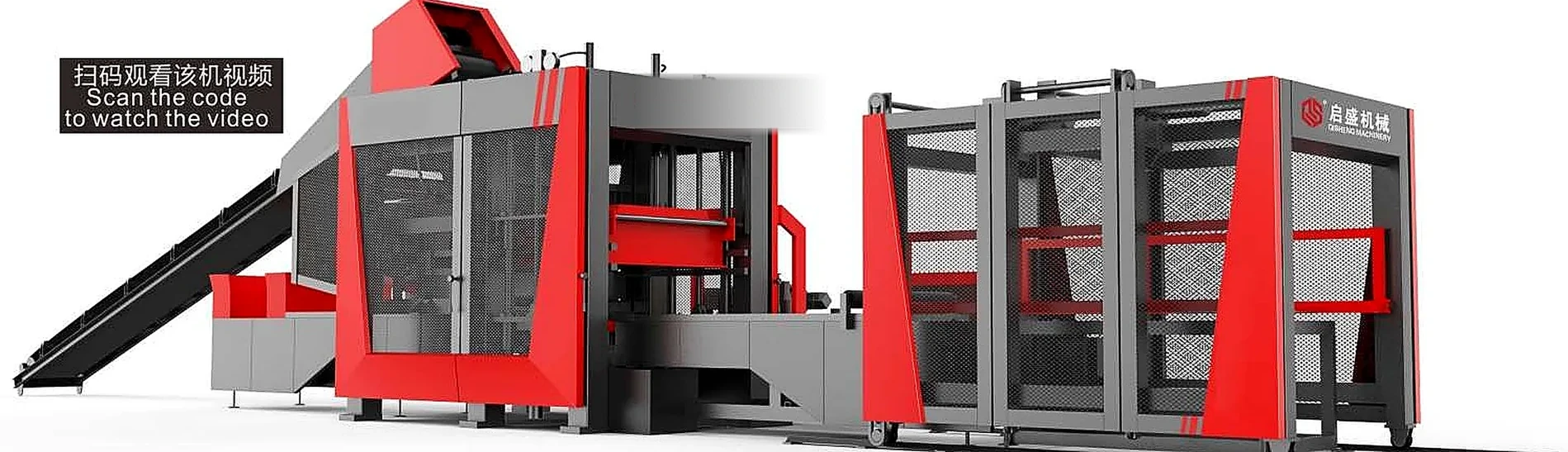
Hollow Block Making Machine
Machine configurations for common hollow concrete block sizes.