China vs Turkey Block Making Machine
China vs Turkey block making machine sourcing compared on the points that decide the delivered cost: the price build-up, lead time to Middle East ports, spare parts and mould supply, power and voltage fit, and after-sales response. It ends with a one-page RFQ format that forces both suppliers to price the same machine, scope and site.
Choosing a China vs Turkey block making machine comes down to scope, not to a flag. Turkish suppliers sit closer to Middle East ports, which can shorten sea transit and inland haulage, while Chinese suppliers quote from a wider machine range and a deeper mould and spare-parts catalogue. The quote that looks higher is often the one with fewer items excluded. Ask both sides for the same block size, the same daily output target and the same included equipment list, then compare the delivered and commissioned total, not the machine price alone.
China vs Turkey Block Making Machine: Comparing Like with Like
Most buyers who ask us to compare a China vs Turkey block making machine are really asking a narrower question: why do two quotations for a similar machine come back so far apart? In almost every case the gap is not the machine. It is the scope, the included items, the delivery terms and the assumption about who pays for what after the machine lands. A Turkish quotation and a Chinese quotation can describe the same daily output and still contain different machines, different mould counts and different service terms.
This guide sets out the comparison dimensions that matter in a real purchase: how the price is built up, how lead time works into the Middle East, how spare parts and moulds are supplied, how power and voltage fit your site, and how after-sales response is measured. It closes with a one-page RFQ format that makes two suppliers answer the same questions, so the numbers you compare are finally comparable.
Key points before you read the sections
- The headline machine price is the least useful number in the comparison.
- Two quotes only compare when the block size, the output target and the included list match.
- Freight, duty, foundation, power connection and commissioning fall outside the machine line.
- Spare parts and moulds decide the five-year cost more than the purchase price.
- Site voltage and phase decide which machines are usable on your plot at all.
What Sets the Two Sourcing Options Apart
The practical differences fall into a small number of buckets, and each one is checkable before you sign. Distance to your site is the first. A supplier closer to the Middle East carries less sea transit and less inland haulage, which shows up in the landed cost and in how fast a broken part can be replaced. Range is the second. A supplier with a deeper catalogue can match the machine to your output target instead of selling you the nearest model it stocks, and it can supply a mould for a block shape the other side may not carry.
The third bucket is the service model. Some suppliers install and commission with their own engineers and train your operators on site, while others sell the machine and leave the site work to you or to a third party. The fourth is documentation and standardisation: foundation drawings, wiring diagrams, a parts manual and a control system you can service locally all reduce downtime after year one. Ask the same questions of both suppliers on these four points and the which-country question answers itself, because you are comparing capability, not geography.
Price Build-Up: Where the Money Actually Goes
A block machine price is only one line of a project. The table below lists the lines that make up a delivered and commissioned machine, and which side normally carries each one. Use it as the skeleton for both quotes.
| Cost line | What it covers | Normal party |
|---|---|---|
| Machine and moulds | Moulding host, control, first mould and spare mould set | Supplier quotation |
| Auxiliary equipment | Batching, mixing, pallet feeding, cuber and packing | Supplier or separate scope |
| Export packing and inland haulage to port | Crating, container loading, transport to the loading port | Depends on the trade term |
| Sea freight and insurance | Ocean carriage and cargo cover to your port | Buyer or supplier by term |
| Duty, tax and clearance | Import duty, tax, broker and port charges | Buyer, at local rates |
| Site works and power | Foundation, hard standing, transformer and incoming cable | Buyer, local contractors |
| Installation and training | Engineer days, commissioning and operator training | Service line, agreed scope |
The machine line itself is driven by real parameters. A large host such as the QST1800 carries 104 kW of installed capacity and a 280 kN vibration force, and it reaches up to 220,000 standard bricks in an 8-hour shift. A mid-size QST1200 runs 57.6 kW and reaches up to 120,960 bricks per shift, while the compact QST8-15 runs 44.9 kW and reaches up to 90,000. Those differences are what you are paying for, so a quote that does not state the model, the installed power and the cycle time is not yet a quote you can compare.
Lead Time and Delivery Into the Middle East
Lead time has three parts: production, sea transit and site work, and buyers usually underestimate the third. Production starts only after the drawing is confirmed and the deposit clears, so the clock begins later than most purchase plans assume. Sea transit depends on the port pair and the sailing schedule, and a supplier closer to your region can shorten this leg and lower the chance of a transhipment delay. Site work runs in parallel if the foundation drawings arrive before shipment, which lets your contractor pour the base and prepare the power connection while the machine is still at sea.
The point for a comparison is not to guess a number of days. It is to make both suppliers state the same three segments against the same order milestone, so a long production lead time is not hidden behind a generally worded delivery promise. A supplier that will not break delivery into segments is telling you something about how the rest of the project will run.
Spare Parts, Moulds and Consumables
After the machine arrives, the recurring costs are moulds, wear parts, hydraulic components and electrical spares. A supplier with a deep parts catalogue and a stocked wear list makes year two and year three cheap to run; a supplier that treats every part as a special order makes them expensive. Moulds are the largest recurring item for a plant that sells more than one product, because each block shape, paver, kerb stone or hollow block needs its own mould.
When you compare suppliers, ask for the wear-part list with part numbers, the lead time for a replacement mould and the lead time for a hydraulic pump or a vibration motor. A supplier closer to your market may deliver a routine part faster, but a supplier with a standardised control system and a documented parts list lets your own maintenance team keep the line running between shipments. Over a five-year horizon, standardisation is usually worth more than proximity.
Technical Fit: Power, Voltage and Duty
The machine must match the power you actually have, not the power in a brochure. Installed capacity, voltage, phase and frequency all have to line up with your site supply, or with a generator you are prepared to run. The table below shows how three machines in one real range differ, so you can see why the power question is part of the comparison rather than an afterthought.
| Model | Installed capacity | Vibration force | Cycle time | Typical output per 8-hour shift |
|---|---|---|---|---|
| QST1800 | 104 kW | 280 kN | 15 to 25 s | Up to 220,000 standard bricks |
| QST1200 | 57.6 kW | 150 kN | 15 to 25 s | Up to 120,960 standard bricks |
| QST8-15 | 44.9 kW | 95 kN | 15 to 23 s | Up to 90,000 standard bricks |
Output figures carry conditions. The brick type, the mould layout, the cycle time and the stability of the raw material all move the number, so treat any single figure as a band that assumes one block type and a clean cycle. A machine that is oversized for your power supply is worse than useless, and a machine that is undersized for your output target will force an early second purchase. Confirm the voltage and phase of your site first, then choose the model that fits both the power and the daily target. If you plan a full plant rather than a single machine, the same logic scales up to a configured line that can be set from 30,000 to 250,000 pieces per 8-hour shift.
After-Sales Response and Commissioning
After-sales is where a low quotation becomes expensive. The measurable parts are the response time to a fault report, the number of engineer days included for installation and training, the spare parts shipped with the machine, and whether remote diagnosis over the control system is offered. Ask each supplier for these four items in writing and compare them line by line. A local agent you can call is worth a lot, but a supplier that ships a documented control system with remote support can guide your own technician through most faults.
Ask, too, which control platform the machine uses and whether the touch screen is a standard industrial type you can source locally. A proprietary control panel with no local stock turns a two-day fault into a two-week stoppage. This is one comparison point where the country of the supplier matters far less than the standardisation of the parts.
How to Make Both Suppliers Quote on the Same Basis
The single most effective step in any China vs Turkey block making machine decision is to send both suppliers the same RFQ. Use this list as the template: one page, the same questions, both directions.
- Block type and exact size in mm for every product you intend to sell.
- Required output per 8-hour shift, stated separately for each block type.
- Site voltage, phase and frequency, plus whether a generator is available.
- Requested automation level: operator handling, automatic pallet feeding, cuber and packing.
- Full equipment list to price separately, so nothing is bundled and hidden.
- Mould list with quantity per product and the price of a replacement mould.
- Installed capacity, cycle time and machine weight for the quoted model.
- Trade term, packing, loading port and the delivery segments by milestone.
- Wear parts and spares shipped with the machine, with part numbers.
- Engineer days for installation and training, and who covers travel and accommodation.
With those ten answers side by side, the comparison turns into an accounting exercise rather than a sales conversation. Send the same sheet to both suppliers and refuse any quotation that leaves a line blank. If you want a starting configuration to compare against, review the block making machine price guide for the cost factors, the machines available for sale for the model range, and the Syria market page for how the comparison plays out for a nearby buyer.
Next Step
Stop comparing a single number from each side. Send your block sizes, your daily output target, your site voltage and your site area to request a quotation, and ask the other supplier for exactly the same list. The quotation that answers every line is the one worth negotiating, whatever its country of origin.
Frequently Asked Questions
Is a China or Turkey block making machine cheaper?
What does a China vs Turkey block making machine price include?
How long is delivery for a block machine shipped to the Middle East?
Are spare parts and moulds easy to source for an imported block machine?
How do power and voltage affect the choice between suppliers?
How many workers does a block machine need per shift?
Which is better for a first block factory, a Chinese or a Turkish supplier?
What should I include in an RFQ to compare two block machine suppliers?
Can I get installation and training from either supplier?
Related machines
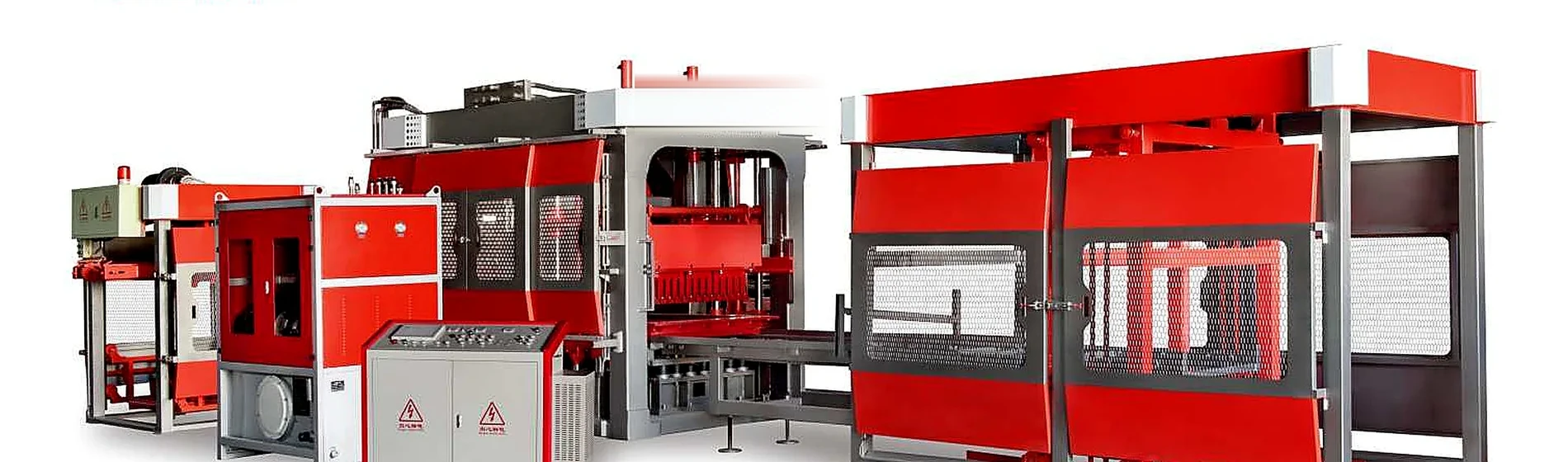
Concrete Block Making Machine
Core machine for hollow blocks, solid blocks, pavers and curbstones.
Automatic Block Making Machine
High-output automatic block machine for industrial production lines.
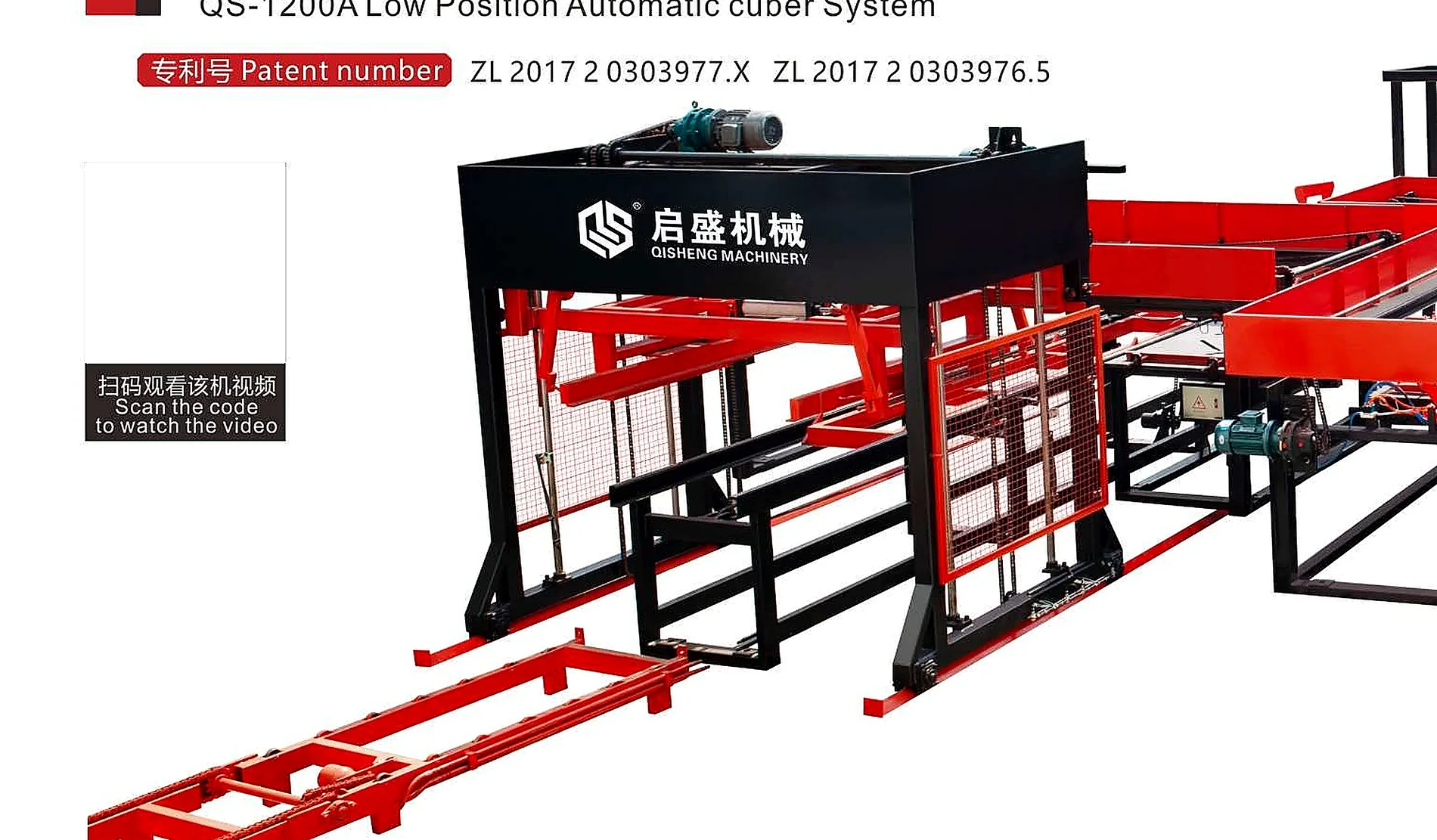
Hydraulic Block Making Machine
Hydraulic forming system for stable density and consistent blocks.
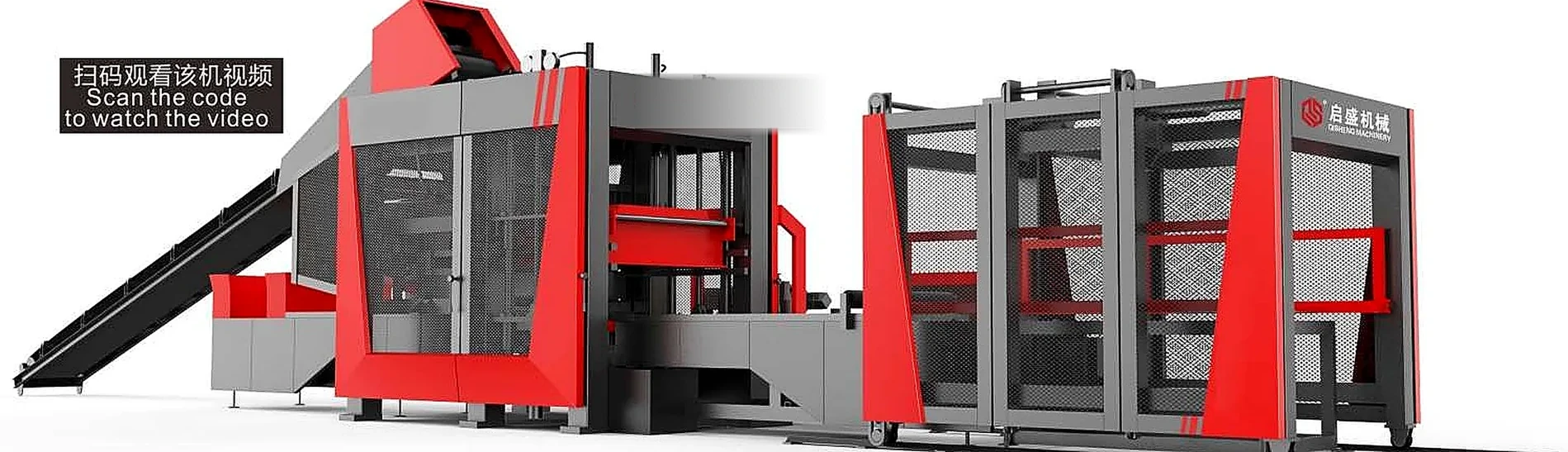
Hollow Block Making Machine
Machine configurations for common hollow concrete block sizes.