How much does a concrete block making machine cost in Syria? Six parts that build the figure
A Syrian buyer asking for one figure will not get one, because a block machine is quoted against a build. This guide breaks the figure into six parts: model and pallet size, automation level, mould count, pallet quantity, batching and mixing, and packing with freight. It ends with the checklist to send for a firm quotation.
How much does a concrete block making machine cost in Syria? There is no single figure. A machine is quoted against a build: the host machine and its pallet size, the automation level around it, the number of moulds, the pallet quantity, batching and mixing equipment, and packing with freight to your site. A QST6-15 with a 980 x 680 mm pallet and 34.4 kW carries a different figure from a QST1800 at 104 kW. Send your product sizes, target output per shift and site conditions for a firm quotation.
How much does a concrete block making machine cost in Syria?
There is no single number. A block machine is not sold from a shelf, it is quoted against a build: the host machine you choose, the pallet it runs, the automation wrapped around it, the moulds that set your product mix, the pallet quantity that keeps it fed, the batching and mixing equipment, and packing plus freight to your site in Syria. Two buyers can order the same QST1200 and receive two different figures, because one takes the machine alone and the other takes the machine, a QS-1200 pallet feeder, a QS-1200A cuber and a rack of pallets.
The honest answer to a costing question is a sequence of decisions. Once those decisions are written down, a quotation stops being a guess and becomes arithmetic: a host machine, a list of auxiliary units, a mould set, and a freight plan. The sections below take each part in the order that moves the figure most.
Six parts make the figure, and each one is a decision
The same six parts appear in every serious quotation for block making equipment:
- Host machine and its pallet size, from the QST6-15 at 980 x 680 mm up to the QST1800 at 1,400 x 1,400 mm.
- Automation level: a bare host machine, a semi automatic arrangement, or a QSGW intelligent high level fully automatic line.
- Mould count: one mould for one product, or several moulds for hollow block, solid brick and Holland brick.
- Pallet quantity, which is a consumable and is usually bought by the hundred rather than by the piece.
- Batching and mixing: cement, sand, gravel and the weigh batcher that feeds the mixer.
- Packing, loading and freight to the destination, including the crates that protect the moulds.
Nothing else in the machine supply chain changes a quotation as much as these six, and none of them can be read off a brochure by someone who has not seen the site.
Model size and pallet size set the floor of the quotation
The QST vibration press range uses vibration plus press moulding at 3,800 to 4,500 vibrations per minute, with a rated pressure of 31.5 MPa on every model except the QST6-15 at 25 MPa. Within that family, size drives both structure and cost:
- QST6-15: 9,450 x 3,300 x 2,700 mm, pallet 980 x 680 x 20 mm, 12 t, 68 kN, 34.4 kW.
- QST8-15: 9,800 x 3,600 x 2,800 mm, pallet 980 x 860 x 22 mm, 14 t, 95 kN, 44.9 kW, published at up to 90,000 standard bricks per 8-hour shift.
- QST1000: 11,500 x 4,050 x 2,800 mm, pallet 1,100 x 880 x 25 mm, 105 kN, 48.9 kW.
- QST1200: 11,500 x 4,550 x 2,800 mm, pallet 1,350 x 880 x 25 mm, 17 t, 150 kN, 57.6 kW, published at up to 120,960 standard bricks per 8-hour shift.
- QST1500: 11,500 x 4,550 x 2,800 mm, pallet 1,350 x 1,150 x 30 mm, 20 t, 220 kN, 69.1 kW.
- QST1800: 15,500 x 5,500 x 3,200 mm, pallet 1,400 x 1,400 x 30 mm, 34 t, 280 kN, 104 kW, published at up to 220,000 standard bricks per 8-hour shift.
Pallet size matters as much as headline output when you price the rest of the plant. A 1,400 x 1,400 mm pallet on the QST1800 carries far more area than the 980 x 680 mm pallet on the QST6-15, so the same output per shift is reached with fewer cycles and fewer pallets, but every pallet costs more and the foundation slab is longer. A 9,450 mm machine fits a yard that a 15,500 mm machine cannot enter. Foundation work, crane access and yard depth are quoted items, not free installation.
Automation level: host machine, line, or a full QSGW factory
The automation level is usually the second largest line in a quotation after the host machine.
At the bottom, a host machine alone is fed by hand or by a forklift. Add the QS-1200 automatic pallet feeding machine, with its 13 s feeding cycle and 3.0 kW motor, and the machine stops waiting for pallets. Add the QS-1200A low position automatic cuber, which stacks 18 standard hollow blocks per layer and handles about 3,800 pallets per shift, and the finished product leaves the line without a man standing at the end of it. The QSMT1000 pallet free arrangement on a cuber takes the pallet out of the green side of the loop and reaches up to 135,000 bricks per 8-hour shift, stacking 40 hollow blocks or 5 layers per bite, which is a different level of cost again.
Above that sits the QSGW intelligent high level fully automatic line: a central computer with PLC and sensors, a layered automatic pallet lifter, a high level finger car and a three dimensional curing kiln. It is configured from 30,000 to 250,000 pieces per 8-hour shift depending on the host machine matched into it, and it runs with 3 to 6 persons per shift. Labour in the yard is the other half of the cost equation: fewer people per shift in a hot climate is worth more than a brochure speed figure.
Mould count and the product mix you actually sell
Moulds are a separate purchase and each one is a cost line. On the double direction family of the QS hydraulic press range, one mould set gives 5, 10 or 12 pieces of hollow block at 390 x 190 x 190 mm, or 28, 45 or 87 pieces of standard brick at 240 x 115 x 51 mm. The number of cavities inside the same machine frame decides both the output and the mould invoice, so a buyer who wants three product lines needs three moulds, not one mould and a promise.
Decide the mix before you ask for a figure. Hollow block 390 x 190 x 190 mm, standard solid brick 240 x 115 x 51 mm, Holland brick 200 x 100 x 60 mm, square block 250 x 250 x 60 mm and small block 170 x 80 x 80 mm are all on the product list. Each shape needs its own mould, its own feed setting and its own curing time. A yard that sells two lines at a steady volume carries a smaller mould budget than one that quotes on eight shapes to win every tender.
Pallet quantity: the cost that sits behind the machine
Pallets are consumables, and the quantity you order on day one is a real part of the equipment figure. A machine with a 15 to 25 s cycle fills pallets faster than a small yard cures them, so the pallet count follows the cycle, the curing method and the number of shifts, not the machine alone. The 30 mm pallets used on the QST1500 and QST1800 and the 20 mm pallet on the QST6-15 are not interchangeable, so the pallet line in a quotation is tied to the model you choose.
A practical rule: buy enough pallets for one full curing cycle plus the pallets moving through the machine and the cuber at the same time. Cutting the pallet order to fit a budget is the most common mistake in a first plant, because production then stops at the elevator rather than at the press. Where yard space is tight, a cuber that stacks higher uses less ground for the same output, which trades pallet money for ground area.
Batching and mixing: cement, sand and the yard around them
The block machine is the last step in a material flow. Before it, the plant needs storage for cement, sand, gravel, crushed stone powder and any filler that local supply allows, such as fly ash, slag, gangue or crushed construction waste. A weigh batcher and a mixer that can hold the cycle of the host machine are part of the quotation, and they are sized in tonnes per hour rather than in blocks. If the mixer is slower than the press, the press runs empty, and part of the money spent on the machine returns nothing during every shift.
Site conditions are cost items too. A hot, dusty site in Syria needs hydraulic oil cooling and dust protection around the vibration unit, and the curing area needs shade and water to hold moisture in the blocks. Those items are cheap next to a line that produces cracked green blocks, and they belong in the quotation from the beginning. Machines supplied to the region are configured for 380 V / 50 Hz three phase supply; anything else means reworking the electrical panel and a delay.
Packing and freight to the destination in Syria
The machine reaches you in the condition it was packed in, so packing is part of the figure. Moulds, mould boxes and control panels travel in crates; the main frame travels in one or more pieces that need a crane at every transfer point. Loading, lashing, weather protection for the electrical parts and the document set are all quoted items, and a quotation that mentions the machine but not the packing is incomplete rather than cheap.
Freight to the destination is the last variable. The QST1800 at 34 t and 15,500 mm long is a different transport job from the QST6-15 at 12 t and 9,450 mm, and the difference shows up in the number of containers or the size of the flat equipment required, the inland transport from the delivery point to your yard, and the crane work at both ends. Give your exact delivery point when you ask for a figure, because the last stretch of access road can decide whether a 15,500 mm machine can be delivered at all.
Curing lines and auxiliary equipment change the total
Curing is where a plant either works or does not. Three approaches appear on the site and each has its own cost profile. The QSDJ belt rack curing line uses rack curing and matches the block machine of any maker, new or existing, with a lithium battery transfer sub car under wireless control and a self organised RS-485 wireless network with cloud remote monitoring. The QSRGY finger car curing line is single layer curing as standard with multi layer optional, powered either by 380 V AC stepped down to 36 V DC on the running rail or by a 36 V lithium battery with BMS, and 3 to 4 persons complete the whole production task. A high level automatic plant brings a three dimensional curing kiln instead.
Rack curing needs a roof and a floor, finger car curing needs a rail and a sub car, and a kiln needs a building. Choose the curing method before you fix the machine list, because the host machine has to be matched to the pallet flow, and matching later costs more than deciding early.
How to compare two quotations on the same footing
Two quotations are comparable only when both describe the same scope. Ask what is included and what is excluded, in writing. Check the host machine model and pallet size first, then the auxiliary units by model, then the mould list by product and cavity count, then the pallet quantity and size, then the batching and mixing capacity, then packing and freight.
- Is the pallet feeding machine and the cuber inside the figure, or listed separately?
- How many moulds are included, and for which product sizes?
- How many pallets, and at which pallet size?
- Is the mixer and weigh batcher included, and sized to the host machine cycle?
- Is erection and commissioning by an engineer on site part of the scope?
- Are spare parts for the wear items, such as the mould box and the vibration unit, listed separately?
A quotation that answers these six lines can be compared with another. One that answers only the first is a starting point for a conversation, not a figure you can take to a bank or to a partner. For the wider view of what drives price levels in this category, read the block making machine price guide, and for the machine families themselves start from the concrete block making machine range.
The checklist to send with your enquiry
A supplier cannot quote a build that has not been described. Send these items in one message and the reply becomes a firm figure rather than a range:
- Product list with sizes, starting with hollow block 390 x 190 x 190 mm and standard solid brick 240 x 115 x 51 mm if those are your main lines.
- Target output per 8-hour shift for the main product, so the model can be sized from the QST6-15 upward.
- Yard plan with available length, width and curing area, since a 15,500 mm machine needs a longer slab than a 9,450 mm one.
- Raw materials available locally and their condition, including any filler such as fly ash or crushed construction waste.
- Electrical supply confirmation at 380 V / 50 Hz three phase.
- Labour available per shift, which sets the automation level between a host machine and a QSGW line.
- Pallet and curing preference: rack, finger car or kiln, and whether a cuber is wanted.
- Delivery point and access conditions, so packing and freight can be quoted properly.
Send that list to the request for quotation page and the answer comes back as a configuration, not a slogan. Buyers who are still choosing between a single machine and a complete plant can read how a block machine for sale is specified, and Syrian buyers can start from the Syria market page, which sets out the conditions that change a quotation in that market.
Frequently Asked Questions
How much does a concrete block making machine cost in Syria?
What decides the figure in a block machine quotation?
Which model suits a small block yard in Syria?
What is included in a complete plant quotation?
How many workers does a block plant need per shift?
How do I compare two block machine quotations?
Do I need more than one mould?
How many pallets should I order with the machine?
Can a block machine use fly ash or crushed construction waste?
Related machines
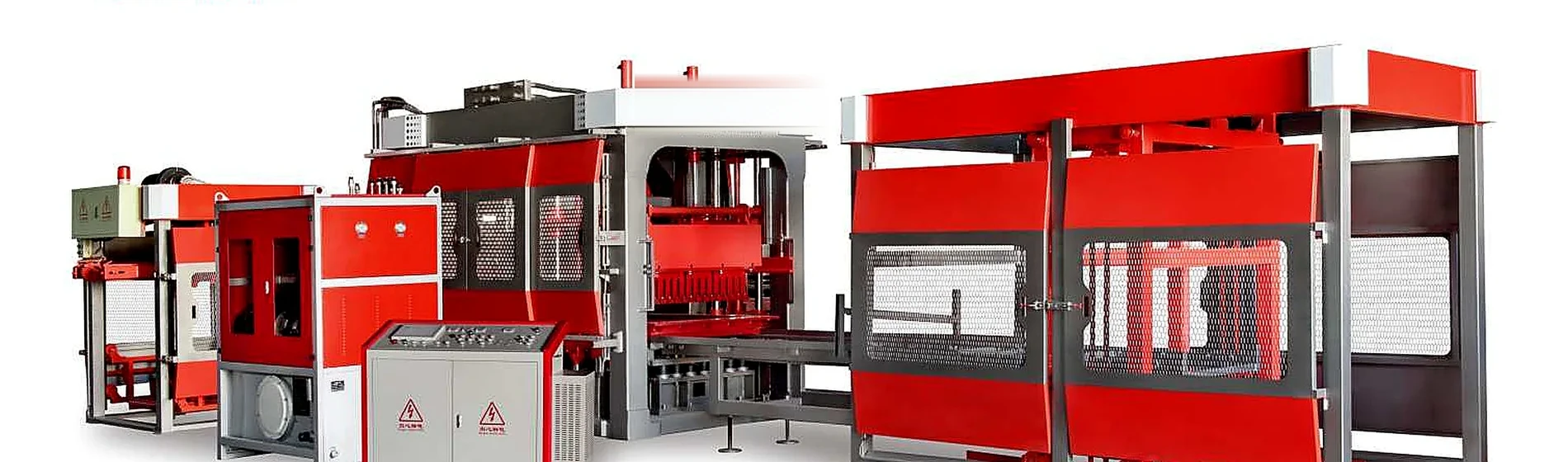
Concrete Block Making Machine
Core machine for hollow blocks, solid blocks, pavers and curbstones.
Automatic Block Making Machine
High-output automatic block machine for industrial production lines.
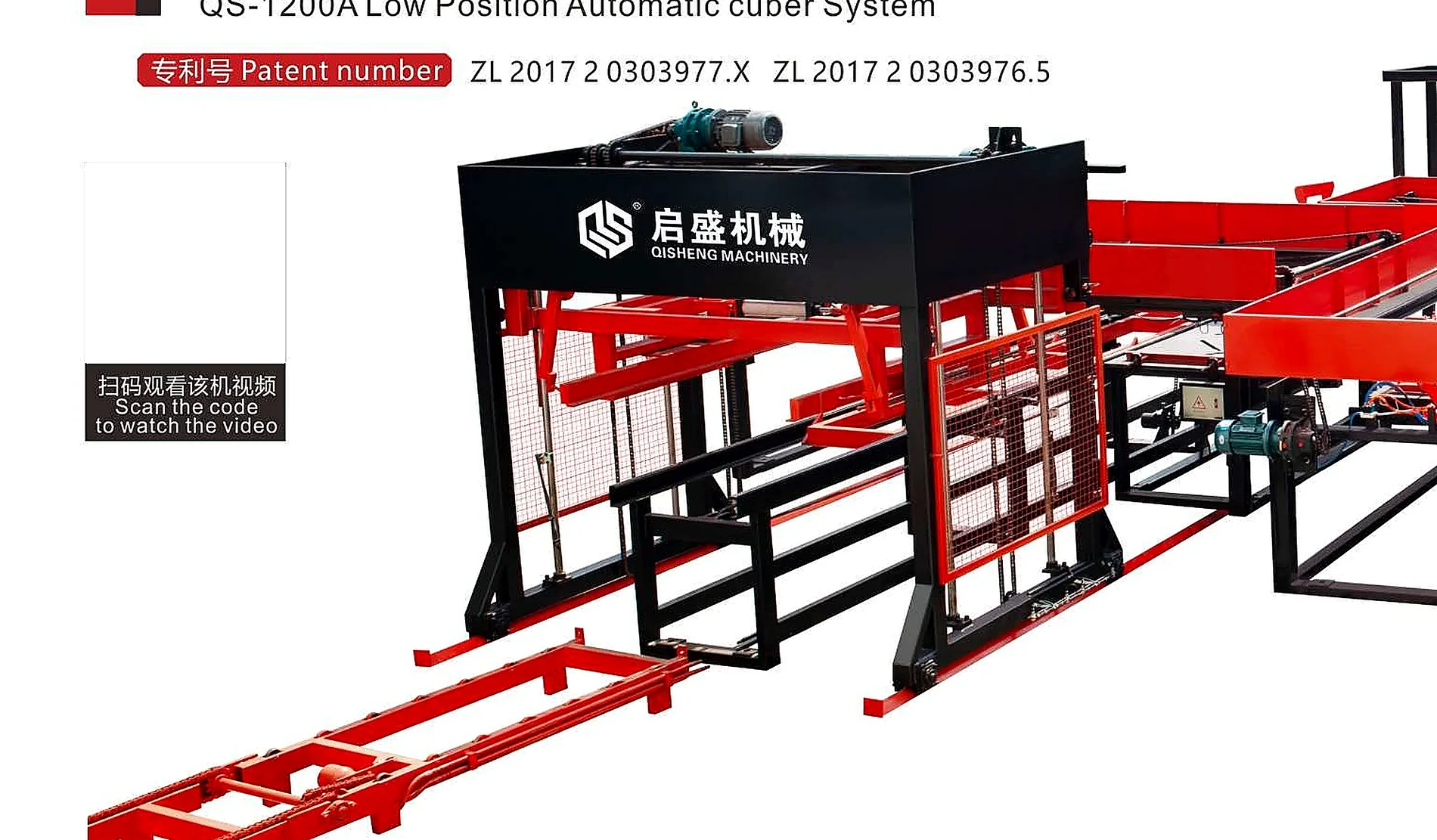
Hydraulic Block Making Machine
Hydraulic forming system for stable density and consistent blocks.
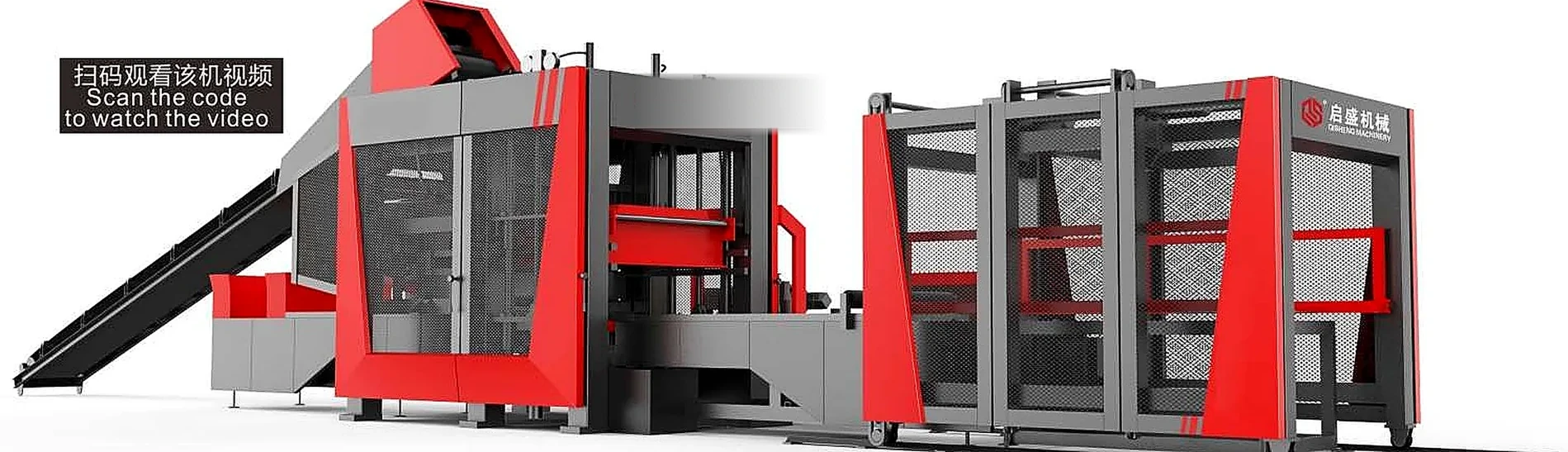
Hollow Block Making Machine
Machine configurations for common hollow concrete block sizes.