What Spare Parts Are Needed for a Block Making Machine
Spare parts for a block making machine fall into five groups: moulds, pallets, the hydraulic package, the vibration unit and control items. This guide lists the wear parts by model, the pallet size for each machine, what to stock before commissioning and what to leave with the supplier.
The spare parts a block making machine needs fall into five groups: mould sets, pallets, the hydraulic package of oil, filters and seals, the vibration unit with exciter bearings, and electrical and control items such as position sensors. Moulds wear first because they run under pressure on every cycle, and pallets come second because they circulate through moulding, curing and cubing daily. Stock the hydraulic kit, spare pallets, exciter bearings and sensors before commissioning, and order a second mould set with the machine.
What spare parts are needed for a block making machine
The spare parts a block making machine needs fall into five groups: moulds, pallets, the hydraulic package, the vibration unit, and the electrical and control items. Moulds wear first, because they run under pressure for tens of thousands of cycles. Pallets are second, because they circulate through moulding, curing and cubing every day and carry the green block while it is still soft. The three smaller groups follow the two working parts and can be stocked in a smaller quantity.
A plant that holds only the machine and no spares stops for a week over a part that costs a fraction of the machine. That is why the spare question belongs in the same conversation as the model choice. The useful approach is to separate what must be on the shelf in week one from what can be ordered with a reasonable lead time, and to decide that before the machine ships rather than after the first breakdown.
- Mould set: the first wear part, one set per product, with the frame, core, base plate, guiding assembly and positioning mechanism.
- Pallet fleet plus spare pallets: the pallet size is fixed by the machine table, so spares must match the model exactly.
- Hydraulic package: oil, filters and seals for a system that runs at 31.5 MPa across the QS press range.
- Vibration unit: the exciter assembly and its bearings, protected from dust on hot and dry sites.
- Electrical and control: sensors, switches, relays and the PLC or touch-screen items that stop the cycle when they fail.
Which spare parts wear out first on a block machine?
The mould is the answer in most plants. A mould produces one product at a fixed cavity count and works every cycle the machine runs, so its edges, core and base plate take the load that forms the block. The wear shows up as a rounded edge, a changed thickness or a rough face long before the machine itself is tired. Moulds supplied with the QS and QST ranges are cut from wear resistant alloy steel, machined on CNC equipment to micron level, and hardened through a controlled heat treatment cycle.
The pallet is the second item, and it is the one buyers most often understock. Every model takes a specific pallet, and the pallet carries the block through curing where it is handled again and again. A pallet that has lost its flatness transfers a wobble into the block, and a pallet that has cracked stops the line outright. Because the pallet size is set by the machine table, pallets bought for one model cannot be reused on a bigger press later, so the count and the spares have to be decided with the model.
| Component | Why it wears | What to keep on site | What it protects |
|---|---|---|---|
| Mould set | Pressure and abrasion on every cycle | A spare or rebuilt set for the mould that runs the most hours | Block dimensions and face quality |
| Pallets | Constant circulation and hot curing | Spare pallets of the exact model size | Cycle continuity and block flatness |
| Hydraulic oil, filters and seals | Heat, pressure and dust | Service kit for the power unit | Press pressure and holding time |
| Exciter bearings and vibration parts | Vibration duty and grit ingress | Bearings and mounting hardware | Density and pieces per cycle |
| Sensors and control items | Heat, dust and continuous switching | Position sensors and switches | Stops the whole cycle when they fail |
What pallet size does each machine model need
Pallet dimensions are published per model, and the spare order has to copy them exactly. A pallet that does not fit the forming area cannot be used at all, which is why comparing a cheaper pallet offer across sizes makes no sense.
| Model | Pallet size | Feeding and handling note |
|---|---|---|
| QST1800 | 1,400 x 1,400 x 30 mm | Widest pallet in the range, and the heaviest to handle |
| QST1500 | 1,350 x 1,150 x 30 mm | Fits the QS-1200 automatic pallet feeder at 3 kW |
| QST1200 | 1,350 x 880 x 25 mm | Fits the QS-1200 automatic pallet feeder at 3 kW |
| QST1000 | 1,100 x 880 x 25 mm | Matches a compact yard layout |
| QST8-15 | 980 x 860 x 22 mm | The common entry size for a 10000 blocks per day plan |
| QST6-15 | 980 x 680 x 20 mm | Smaller pallet, lower pallet cost per piece |
| QS600 static press | 900 x 700 x 20 mm | Static pressing range |
| QS800 and QS1000 unidirectional | 1,100 x 700 x 20 mm and 1,200 x 900 x 20 mm | Hydraulic press range |
| QS1000 bidirectional | 1,200 x 950 x 20 mm | Wider pallet for the bidirectional stroke |
The QS-1200 automatic pallet feeding machine refills the pallet magazine on demand with a feeding cycle of about 13 seconds on a 3.0 kW motor, so it is the item that decides how fast spare pallets enter the loop. Keep the spare pallets inside the same size and thickness as the working fleet, because a mixed stack changes the working height under the press. For the pallet count itself, work from the curing volume of your layout rather than from a catalogue number: the layout page for your target output sets out how pallets circulate between the press, the curing line and the cuber.
What the hydraulic package needs
On a hydraulic block making machine the press runs a semi-dry mix at 31.5 MPa, with main cylinder bores from 450 mm on the QS600 up to 720 mm on the QS1500, so the hydraulic package is a load-bearing system rather than an accessory. Its consumables are oil, filters and seals, and the parts that decide how long they last are cooling and cleanliness. On hot, dusty sites the oil runs hotter and airborne grit finds its way into the tank, which is why hydraulic oil cooling and dust protection around the machine belong in the layout and not in the afterthought list.
Stock a service kit for the power unit: the oil grade your manual states, the filter elements, and the seal set for the cylinders and valves that work the hardest. Keep a spare pressure gauge and a set of hydraulic hoses so a damaged line does not turn into a stopped shift. The service intervals themselves come from the machine documentation and from the site conditions, and a plant that logs pressure and holding time will see a drifting gauge before it becomes a rejected batch of blocks.
Vibration unit, cuber and packing parts
The vibration unit is the part that makes compaction possible, with excitation force from 68 kN on the QST6-15 up to 280 kN on the QST1800, and moulding at 3,800 to 4,500 vibrations per minute. Sustained vibration plus fine grit is hard on bearings, so the exciter bearings and their mounting hardware are worth holding on site. Dust protection around the vibration unit is maintenance that pays for itself, because grit in a bearing shows up as a changed cycle and a softer block rather than as an obvious fault.
Downstream, the cuber and the packing machines have their own consumables. The QS-1200A low-position cuber handles 18 standard hollow blocks per layer and about 3,800 pallets per shift, and the QS-1000G-A stationary unit handles about 1,700 pallets per shift with one operator, so a cuber that stops leaves cured blocks waiting and blocks the curing line behind it. On the packing side, the QSSX-16A strapping machine runs a cycle of about 11 seconds per stack with a strap tension range of 200 to 2,500 N, which means strap stock and tension components belong on the shelf too. Where the plant uses a forklift clamp, the QS series clamp lifts 500 to 800 standard bricks or 40 hollow blocks per lift at a load capacity of 2,000 kg, so its pads and hydraulic parts are also part of the spares picture.
What to stock in the first month
Split the list by how a failure would stop the plant. Items that stop the press should be on the shelf before commissioning. Items that slow the plant down can be ordered after the first production weeks, and items that last for years can stay with the supplier until they are needed.
| Priority | Item | Reason |
|---|---|---|
| On site before commissioning | Service kit for the hydraulic power unit | The press cannot run at pressure without it |
| On site before commissioning | Exciter bearings and mounting parts | Vibration is the core process of the machine |
| On site before commissioning | Spare pallets of the model size | The pallet loop stops the press when it breaks |
| On site before commissioning | Position sensors and switches | A single failed sensor stops the automatic cycle |
| Order with the machine | A second mould set for the top-selling product | Mould changeover and mould wear |
| Order with the machine | Cuber and packing wear parts | Cured stock blocks the line upstream |
| Hold at the supplier | PLC modules and the touch screen | Long life and model specific, so buy on failure |
A spare part only helps if it can be identified. Keep the machine documentation, the electrical schematics and the layout drawings together, and record the model, the pallet size and the mould numbers for every machine in the plant. When you ask for a spare, give the machine model, the part and the position on the drawing. That avoids a shipment of the wrong seal and a week of waiting, and it lets a plant with more than one model keep the right part for each of them.
How spare parts change between machine models
Some spares are shared across a family and some are not. Mould sets are product specific: one mould produces one product at a fixed cavity count, so a plant that sells hollow block, paver, kerb stone and solid brick holds one mould per product. On a QST6-15, a 390 x 190 x 190 mm hollow block mould produces 6 pieces per cycle, while a 240 x 115 x 51 mm standard brick mould produces 32 to 36 pieces, so the two moulds are not interchangeable in any sense. On the QS600 static press, a 200 x 100 x 60 mm coloured paving mould produces 16 pieces per cycle.
Hydraulic and pallet items are tied to the model as well, because cylinder bores, forming areas and machine tables differ across the range. Control items are usually the most model specific of all, since the PLC programme and the screen layout follow the machine configuration. The practical rule is to keep a spare list per machine model, not one list for the plant, and to review it after the first six months when the real wear pattern is visible in your own production rather than in a catalogue.
Where spare parts should appear in a quotation
A spare parts list belongs in the machine quotation, not in a separate request three months later. Ask for the recommended commissioning spares, the mould list with cavity counts, the pallet quantity and the wear parts for the cuber and the packing line, and ask which items the supplier holds in stock for repeat orders. That single paragraph in the offer tells you more about after-sales support than any statement about service.
If you are still choosing the machine, the block machine capacity guide explains how moulds and cycles set output, the concrete block making mould page covers the mould construction, and the block factory equipment page lists the stations that need wear parts around the press. Send the machine model, the products you sell and the shift pattern through the RFQ form and the spare list can be set against your own plant rather than against a generic package.
Ask for the spare parts list: tell us the machine model, the pallet size and the products you run, and we return the wear parts that belong on your shelf in the first month.
Frequently Asked Questions
What spare parts are needed for a block making machine?
Which part of a block machine wears out first?
How many spare pallets should a block plant keep?
Does the hydraulic system need its own service kit?
What are the most model specific spare parts?
How do I identify a spare part when ordering?
Should spare parts be included in the machine quotation?
Which wear parts sit downstream of the press?
Related machines
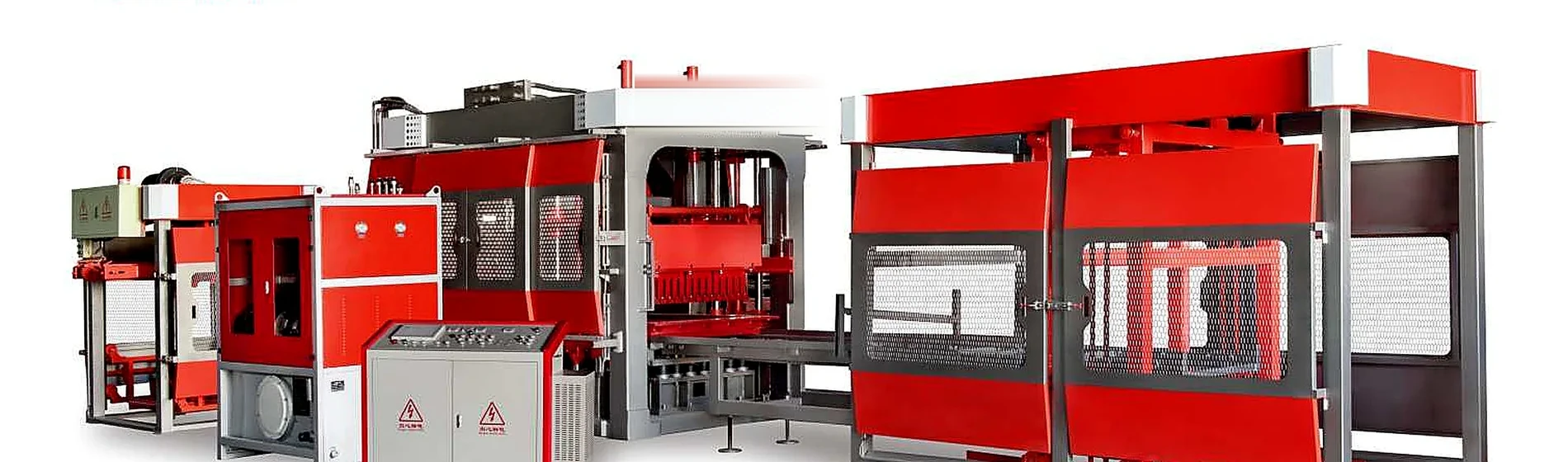
Concrete Block Making Machine
Core machine for hollow blocks, solid blocks, pavers and curbstones.
Automatic Block Making Machine
High-output automatic block machine for industrial production lines.
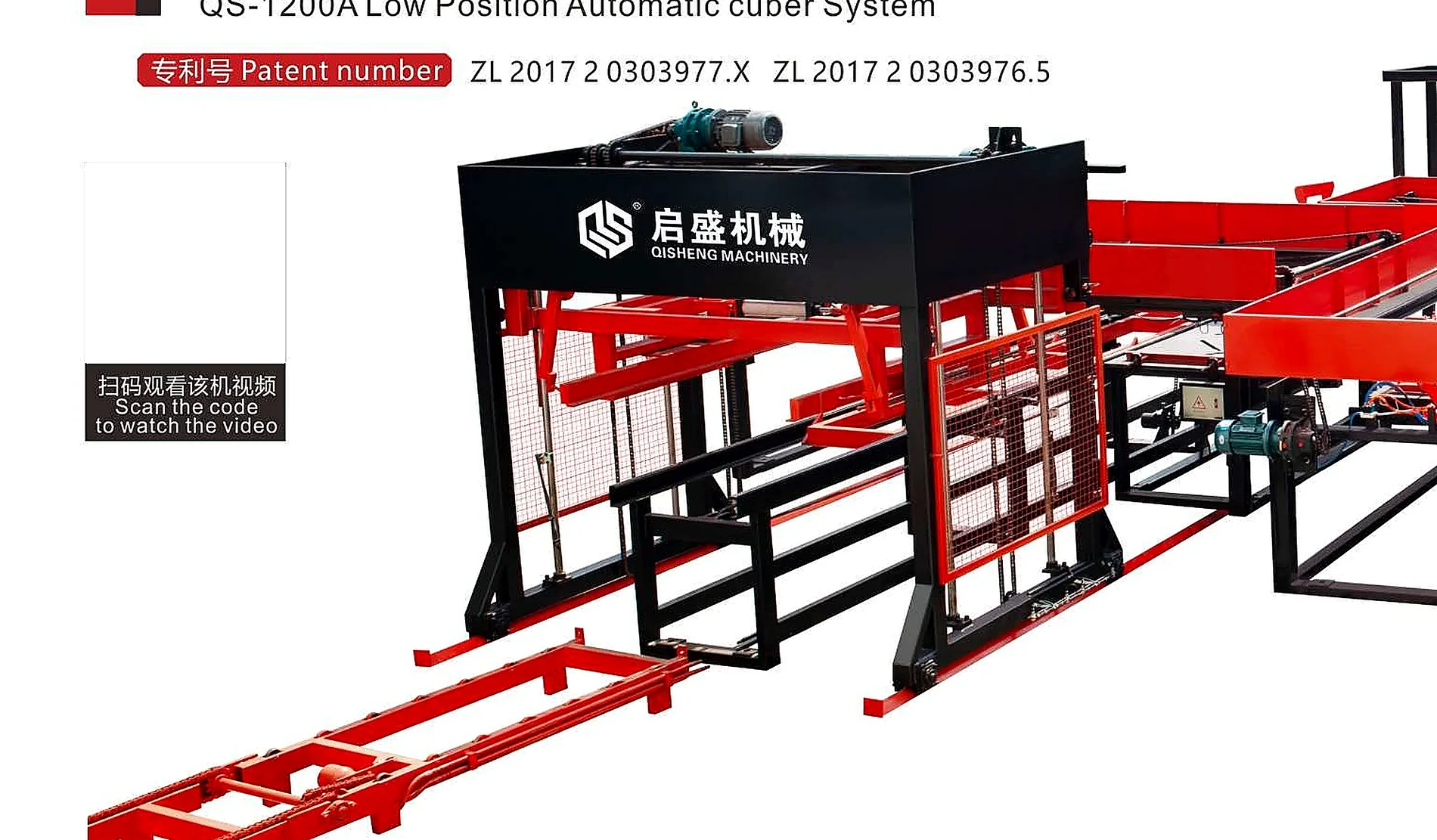
Hydraulic Block Making Machine
Hydraulic forming system for stable density and consistent blocks.
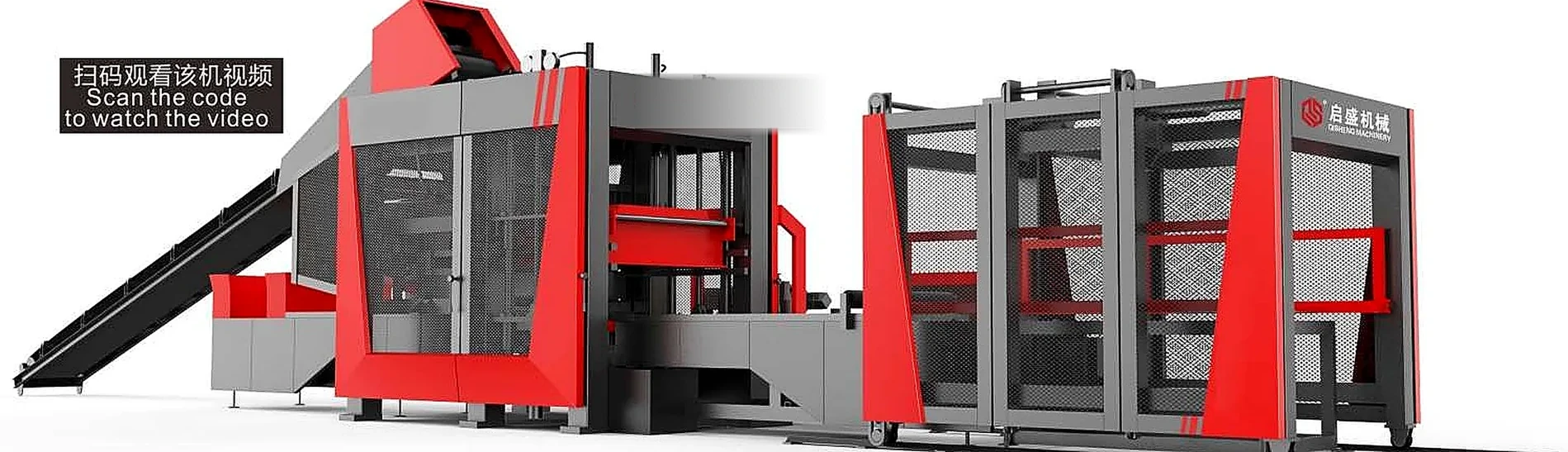
Hollow Block Making Machine
Machine configurations for common hollow concrete block sizes.