Block Making Machine Projects in the Middle East
This page describes a project type rather than a single delivered plant. It explains how a typical block making machine project in the Middle East is configured, from the product mix and output target through to equipment stages, project phases and site considerations such as power, land and climate.
A block making machine project in the Middle East is a full plant build, not a single machine purchase. It starts with a product mix and a daily output target, then works back to machine capacity, curing method, site area and power supply. Projects run from a single automatic machine with a curing yard up to a full automatic line with batching, mixing, curing, cubing and packing. This page describes block making machine projects in general terms.
About This Project Type
This page describes a project type, not a single delivered plant. It explains how a typical block making machine project in the Middle East is configured, what the phases are, and what information a buyer brings to the discussion. No individual customer or site is named, because the point here is the pattern that repeats across projects rather than one example.
A Middle East block plant project usually starts with a product mix and a daily output target, then works backward to machine capacity, curing method, site area and power. The rest of this page follows that order.
Typical Block Making Machine Projects in the Middle East
Most block making machine projects in the region fall into three sizes, and each has a different build-up. The small project is a single automatic machine with a curing yard, producing hollow and solid cement blocks. The mid-size project adds a second product line such as pavers or kerb stones and a semi-automatic curing and cubing arrangement. The large project is a full automatic line with batching, mixing, curing, cubing and packing.
- Single machine project: one host machine, hand or forklift handling, curing in the open or under a simple shed.
- Mid-size project: host machine plus product changeover, mechanical cubing and organised curing.
- Full line project: batching and mixing, automatic curing, cubing and packing, configured from 30,000 to 250,000 pieces per 8-hour shift.
The product mix drives the choice. Hollow and solid blocks sell in volume; pavers and kerb stones raise value per piece but need denser pressing, which is why those lines often add a QS series hydraulic press.
Core Equipment Configuration for a Middle East Block Plant
A configuration is built from a host machine plus the stages around it. The table below shows the equipment groups a project is assembled from, without tying any group to a named site.
| Project stage | Equipment group | Typical purpose |
|---|---|---|
| Batching and mixing | PL series batching machine, CMP mixer | Dose and mix a consistent semi-dry mix |
| Moulding | QST automatic machine or QS hydraulic press | Form blocks, pavers and kerb stones |
| Curing | QSGW, QSDJ or QSRGY line | Cure green product in a controlled flow |
| Cubing and packing | Cuber systems, strapping baler, wrapper, clamp | Turn cured product into shippable packs |
The curing method is the stage that changes most with the site. Where floor area is limited, a rack or finger car curing line uses height instead of land. The concrete block production line range shows how these stages connect.
Project Phases from Inquiry to Commissioning
A project moves through a fixed set of phases, and knowing them keeps the timeline realistic.
- Brief: product drawings, daily output target and site size.
- Configuration: machine model, mould set, pallet size and line stages agreed against the brief.
- Documentation: commercial documents issued through the supplying company.
- Production and trial run: machine fabricated, assembled and run under power before packing.
- Shipping: machines and moulds packed and dispatched to the region.
- Installation and commissioning: site assembly, connection and operator training.
Each phase depends on the one before it, so a clear brief at the start shortens every later step. The complete concrete block factory plan sets out the full flow for a new plant.
Site, Power and Climate Considerations
Three site factors shape a project more than the machine model. Power supply decides the electrical configuration of the delivered machine. Available land decides whether curing is done in a yard, under a shed or on racks. Climate decides how green product is protected during curing and how the mix is adjusted through the year.
- Power: the installed capacity of the host machine sets the supply requirement, from 34.4 kW on the QST6-15 up to 104 kW on the QST1800.
- Land: curing space usually limits output before the machine does, so plan it with the machine.
- Climate: shading green product and controlling moisture protect early strength.
- Logistics: machine and line layout should allow containers and site access.
How to Discuss a Similar Project
To turn this project type into a real configuration, bring three things: the block or paver drawings, the daily output you need, and the site size and power supply. With those, the team can propose a machine, mould set and line stages that fit the plot you actually have.
For what drives total investment, read the block making machine price guide. To start a project discussion for your own site, use the RFQ page.
Discuss Similar Project for your own site and output target. Send your block drawings, daily target and site size on the RFQ page.
Frequently Asked Questions
What is a typical block making machine project in the Middle East?
What size project suits a first block plant?
How much floor space does a block plant project need?
What power supply does a block plant project need?
Which products should a Middle East block plant project make?
How long does a block plant project take?
Related machines
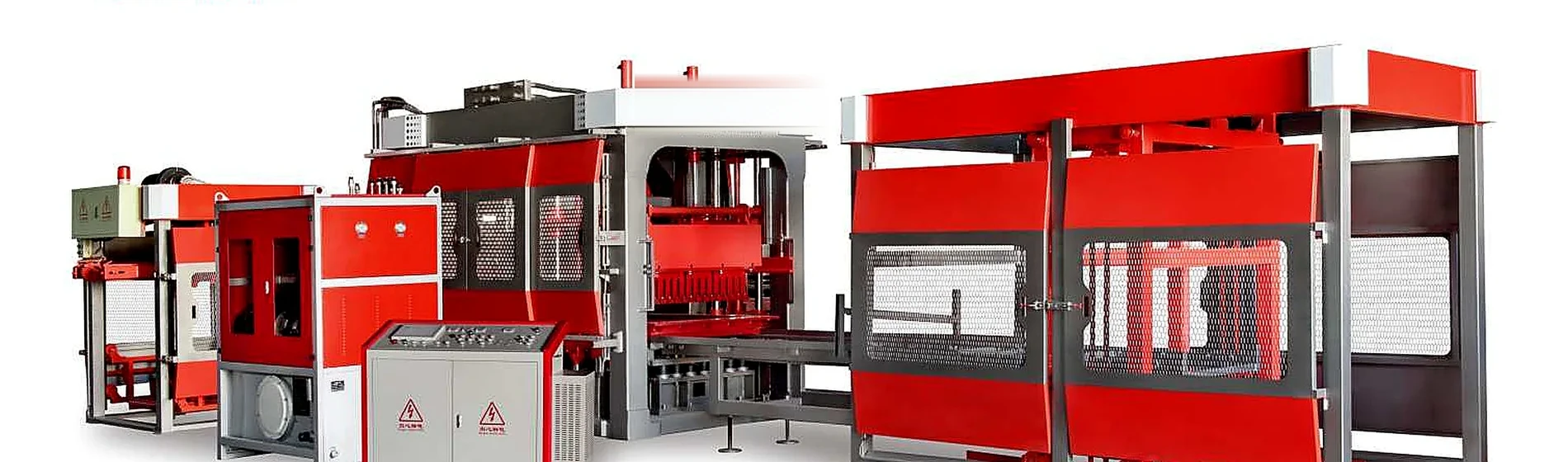
Concrete Block Making Machine
Core machine for hollow blocks, solid blocks, pavers and curbstones.
Automatic Block Making Machine
High-output automatic block machine for industrial production lines.
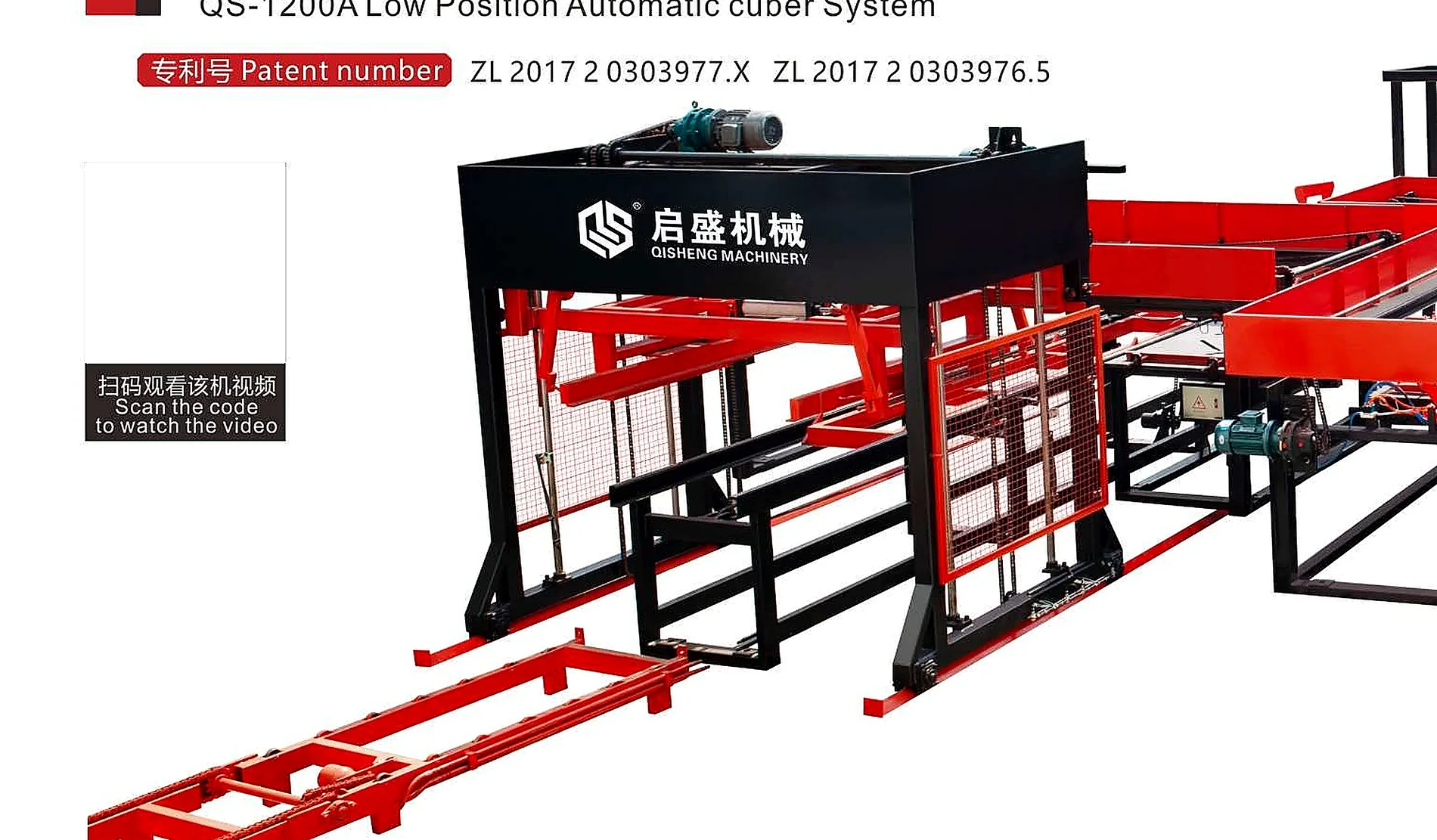
Hydraulic Block Making Machine
Hydraulic forming system for stable density and consistent blocks.
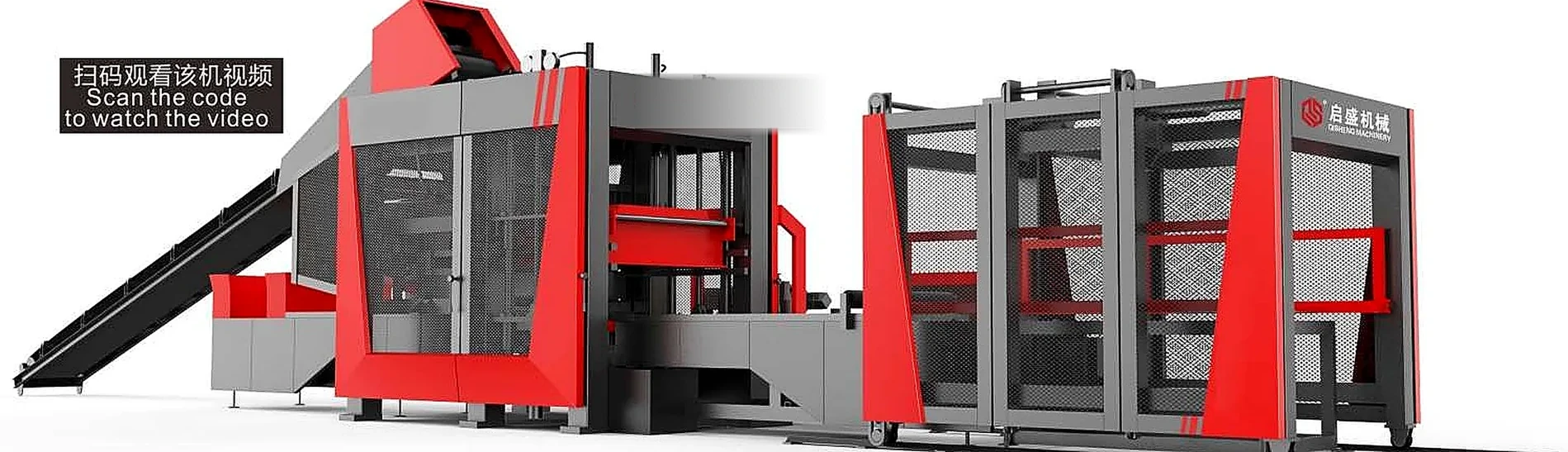
Hollow Block Making Machine
Machine configurations for common hollow concrete block sizes.