10000 Blocks Per Day Block Making Machine Line
A 10000 blocks per day line runs on a compact QST8-15 host, a QSRGY finger-car curing line and a QS-1000G-A cuber, with 3 to 4 operators. This page lists the equipment, capacity assumptions, area, power and cost factors for a single-shift plant that can grow.
A 10000 blocks per day block making machine line is built on one compact fully automatic host, usually the QST8-15, with a PL Series batching machine, a CMP planetary mixer, a QSRGY finger-car curing line and a QS-1000G-A fixed cuber. The QST8-15 states up to 90,000 standard bricks per 8-hour shift, so a 10000-block target leaves reserve for hollow block moulds. The line needs a 380 V three-phase supply, a level foundation and 3 to 4 operators per shift.
Sizing a 10000 Blocks Per Day Block Making Machine Line
A 10000 blocks per day block making machine line is the natural step up from manual or semi-automatic production. It is the size most owners pick when demand is steady but the site and the budget do not yet justify a 20000-block factory. The target is reachable with one compact fully automatic host machine and a single automatic curing line, provided batching and curing are sized to match the press.
Where a small plant fails is at the joints. A host machine fast enough for 10000 blocks per day still starves if the mixer delivers batches late, or if the curing line returns pallets slowly. This page shows the configuration that keeps pieces flowing, and the site conditions it needs.
- Host machine: QST8-15 fully automatic block machine, with the QST6-15 as the smaller option.
- Stated host output: up to 90,000 standard bricks per 8-hour shift on the QST8-15.
- Curing: QSRGY finger-car curing line, single-layer standard with a multi-layer upgrade.
- Cubing: QS-1000G-A fixed cuber, about 1,700 pallets per shift with one operator.
- Operators: 3 to 4 persons per shift on the QSRGY curing line.
- Block count: 10000 hollow blocks per day fits a single shift with reserve for larger moulds.
Line Flow for a 10k/day Plant
The flow has one direction and one loop, the same as any block factory, but every stage is compact and the whole line fits a smaller hall.
- Aggregates are weighed by the PL Series batching machine against a pre-set ratio, using fast and slow dosing with a vibration device to keep discharge flowing.
- The batch is mixed in the CMP vertical shaft planetary mixer, which gives the uniform mix that surface quality depends on.
- The QST8-15 moulds the products by vibration and press on a 980 x 860 x 22 mm pallet, with a cycle of 15 to 23 seconds.
- Loaded pallets transfer to the QSRGY finger-car curing line, which stores each stack on a curing level and returns empty pallets to the host.
- Cured products reach the QS-1000G-A fixed cuber, where bricks are separated from pallets, arranged and rebuilt into a stack.
- Finished cubes move to the yard by forklift, or to a strapping baler if packaging is in scope.
Equipment List and Configuration
| Stage | Equipment | Why it fits a 10k/day line |
|---|---|---|
| Batching | PL Series batching machine | Doses to a pre-set aggregate ratio with three-point induction weighing, sized to the QST8-15 cycle. |
| Mixing | CMP vertical shaft planetary mixer | Uniform mixing and fast batch turnaround through a discharge gate, matching a short press cycle. |
| Moulding | QST8-15 (or QST6-15) | Compact footprint, 44.9 kW installed, cycle of 15 to 23 s, pallet 980 x 860 x 22 mm. |
| Curing | QSRGY finger-car curing line | Single-layer standard with a multi-layer upgrade to use building height, host machine of any brand. |
| Cubing | QS-1000G-A fixed cuber | About 1,700 pallets per shift with one operator; automatic or manual mode. |
| Packing | QSPY-16A translation baler (optional) | Inline strapping with a 380 V three-phase supply and only 2 kW installed power. |
| Pallet feed | QS-1200 pallet feeding machine (optional) | Refills the pallet magazine on demand with an about 13-second feeding cycle. |
The line can start with manual yard handling and add automatic cubing or packing later. That staging keeps the first investment tight while leaving the layout room to grow. Review the concrete block production line families if you want to see how a finger-car line connects to the host.
Capacity Assumptions
| Measure | Value | Condition |
|---|---|---|
| QST8-15 stated output | Up to 90,000 standard bricks per 8-hour shift | One product, stable mix, clean cycle |
| QST8-15 cycle | 15 to 23 s | Block height and mould layout |
| Pallet size | 980 x 860 x 22 mm | Fixed by the host model |
| QS-1000G-A cuber | About 1,700 pallets per shift | One operator, automatic mode |
| Commercial target | 10000 hollow blocks per day | Single shift, with reserve for larger moulds |
Read the output table as a ceiling, not a promise. A hollow block carries more material per piece and fewer pieces per mould than a thin brick, so the block count is lower than the standard-brick figure for the same machine. A 10000 blocks per day target leaves headroom for mould changes and for days when the mix or the weather slows production. Confirm the piece count for your own block size against the block machine capacity guide.
Raw material supply is the other half of a 10k/day plan. Sand, gravel and crushed stone powder make up the bulk of the mix, and secondary materials such as fly ash, slag or construction waste can replace part of the aggregate where local supply allows. Store enough aggregate for one full shift so the batching machine never runs dry in the middle of a cycle, and keep the pile covered or drained so the pre-set ratio stays accurate. Wet aggregate throws the dosing off, and that shows up as weak blocks a week later rather than as an error on the screen. Match the PL Series dosing capacity to the host cycle, not to the yard size.
Factory Requirements
A 10k/day line needs less land and less power than a large plant, which is what makes it the common entry choice.
Area
The compact host and a single finger-car curing line keep the footprint modest. The QS-1000G-A fixed cuber alone measures 7,500 x 7,000 x 5,500 mm, so allow separate zones for the aggregate yard, the moulding hall, the curing area and the cuber. Where land is tight, the multi-layer QSRGY upgrade stores more pallets in the same footprint by using height.
Power
The driven load is dominated by the host and the mixer. Reference values: QST8-15 host 44.9 kW, QS-1000G-A cuber 15 kW, QSPY-16A baler 2 kW. Equipment is built for a 380 V three-phase supply, and the QSRGY sub-car can run on track power of 380 V AC stepped down to 36 V DC, or on a 36 V lithium battery with an automatic charging pile. Size the incoming supply to the sum of the driven loads plus a margin for startup.
Water and Foundation
Water is for mixing and for curing moisture; size it from your own mix ratio and daily batch count. The host machine is heavy and vibrates, so its foundation must be cast to carry the machine weight with dynamic loading on ground that does not settle unevenly. Release foundation drawings before shipment so the concrete work runs during transit.
Manpower
| Zone | People per shift | Note |
|---|---|---|
| Whole production task on the QSRGY line | 3 to 4 persons | Automatic stop, alarm and fault-position display, no specialist required |
| Fixed cuber station (QS-1000G-A) | 1 operator | Included in the crew above where the cuber is in-line |
The crew is small because the curing line and the cuber are automatic. The trade-off is skill, not headcount. Train one operator on the PLC and touch-screen control, the fault codes and the daily mould change, and the line runs without a specialist on site.
Cost Factors
No price is quoted here, because a figure only exists once the configuration is fixed. These are the variables that move a 10k/day budget.
- Host model. QST8-15 against the smaller QST6-15, which draws 34.4 kW and carries a lighter frame.
- Curing layers. A single-layer QSRGY layout costs less than a multi-layer upgrade, but stores fewer pallets for the same floor.
- Pallet count. The curing volume sets how many pallets circulate, and pallets are a real line item.
- Automation. Automatic cubing and automatic packing each add equipment and remove labour.
- Moulds. Every product you plan to sell needs its own mould.
- Site works. Foundations, hardstanding, buildings and incoming power are usually the buyer scope.
- Freight and commissioning. Container count and site conditions change the delivered total.
Delivery and Installation
A 10k/day line ships in a smaller number of containers than a full factory, and it can be commissioned in stages so the first sales start earlier.
- Batching and mixing are installed and aligned to the host machine.
- The QST8-15 host is set on its foundation and levelled to the pallet line.
- The QSRGY curing line is assembled and its track and transfer points are aligned.
- The cuber and any baler are installed and connected to the control system.
- The full loop runs with real mix, and the crew is trained on the control system and mould change.
Because a finger-car line matches a host machine of any manufacturer, you can also install the curing and cubing upgrade first and let the press stay where it is while the new stages prove themselves. For regional demand and power habits, see the Syria market page, and when you are ready Get 10k/day Plan with your block sizes, output target and site area.
Frequently Asked Questions
What equipment makes up a 10000 blocks per day block making machine line?
Which block making machine makes 10000 blocks per day?
How much space does a 10k/day line need?
What power does a 10k/day plant require?
How many workers run a 10k/day line?
Can a 10k/day line be upgraded to 20000 blocks per day later?
What products can the 10k/day line make?
What decides the cost of a 10k/day line?
Related machines
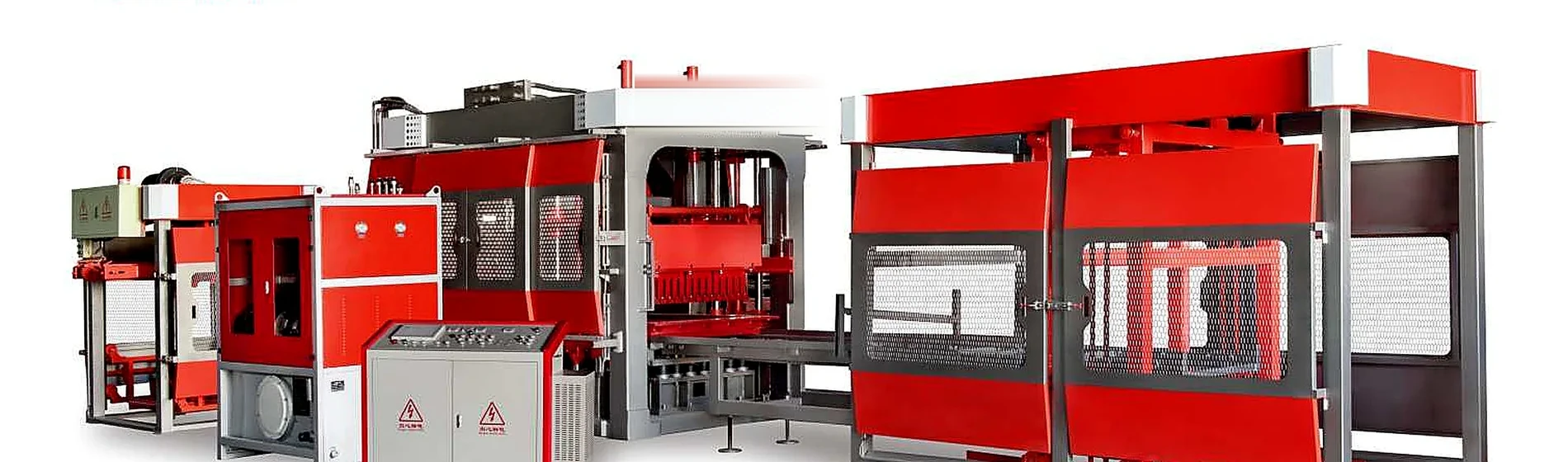
Concrete Block Making Machine
Core machine for hollow blocks, solid blocks, pavers and curbstones.
Automatic Block Making Machine
High-output automatic block machine for industrial production lines.
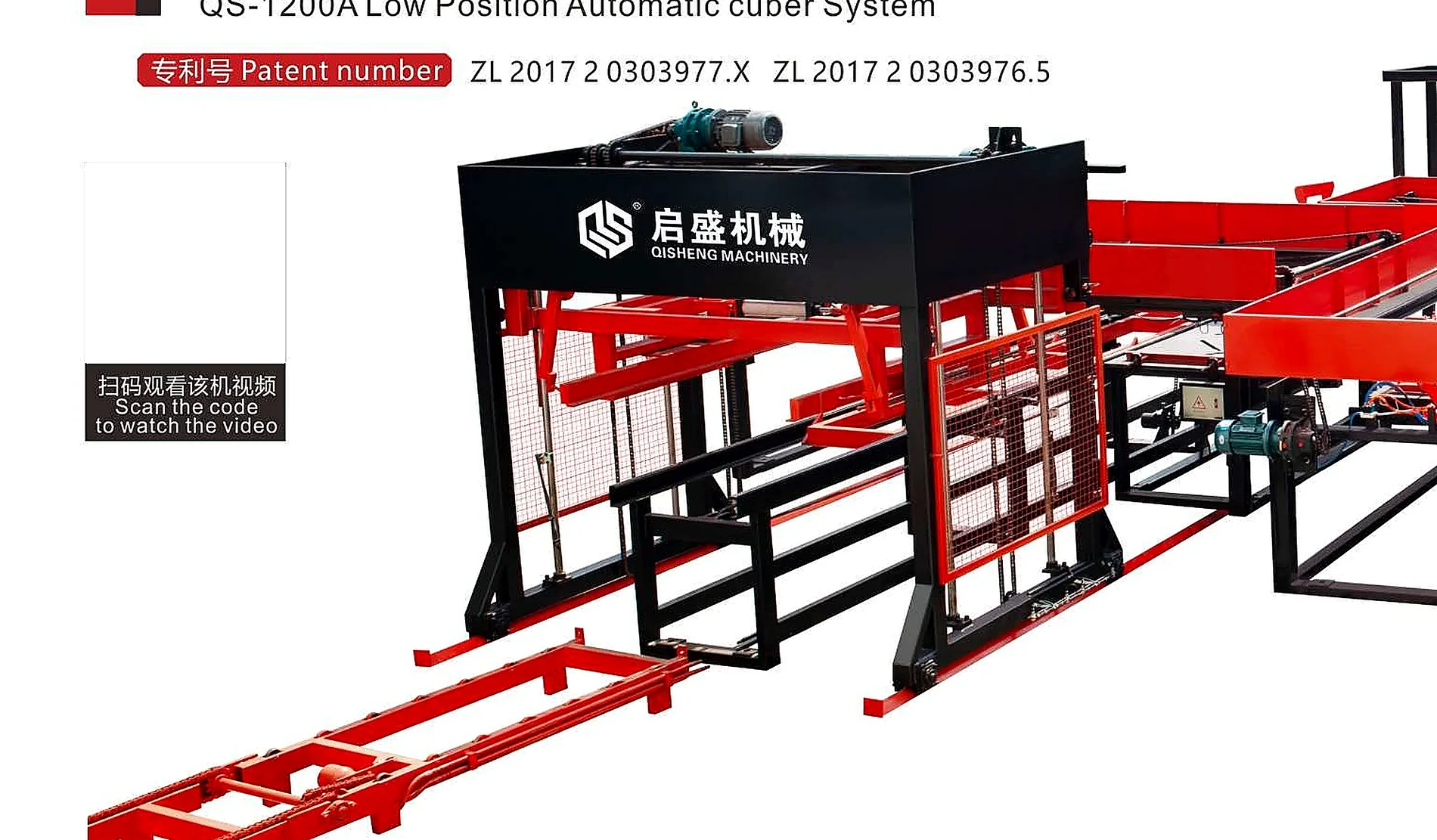
Hydraulic Block Making Machine
Hydraulic forming system for stable density and consistent blocks.
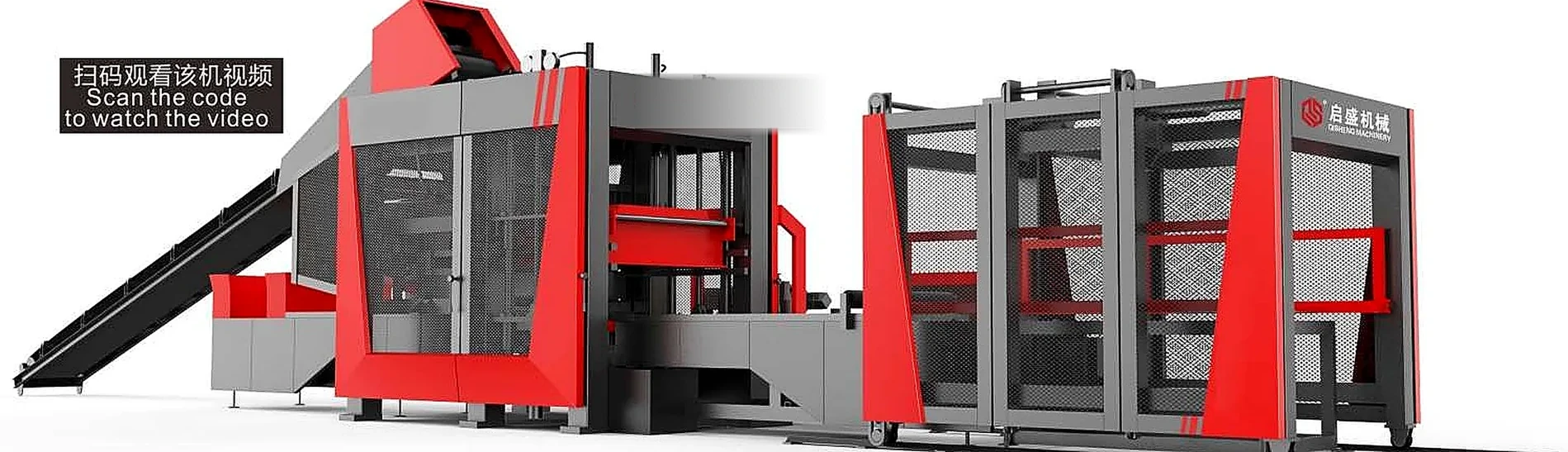
Hollow Block Making Machine
Machine configurations for common hollow concrete block sizes.