Automatic Block Factory: Equipment, Layout and Requirements
An automatic block factory links batching, mixing, moulding, curing, cubing and packing into one PLC-controlled loop. This page covers the equipment in each stage, the three automation levels, the site, power and manpower the plant needs, and the delivery, installation and spare-parts scope to confirm before you order.
An automatic block factory is a plant where batching, mixing, moulding, curing, cubing and packing run as one PLC-controlled flow, with the operator monitoring instead of handling each step. One host machine such as the QST1800 covers hollow blocks, solid bricks and pavers by changing the mould, and states up to 220,000 standard bricks per 8-hour shift. The plant needs a level foundation, a 380 V three-phase supply sized to the installed load, water for mixing and curing, and 3 to 6 operators per shift on a fully automatic line.
What an Automatic Block Factory Includes
An automatic block factory is not a single machine standing on a slab. It is a closed production loop with five working stages, and every stage has to move at the rhythm of the host machine. Buyers who price the block machine first and plan the rest later usually find that curing and pallet handling, not the press, decide the daily figure they can actually ship.
The five stages are aggregate storage and batching, mixing, moulding on the host machine, curing with pallet circulation, and cubing with packing. Material moves forward once. Pallets move in a loop, out to curing and back again. When the loop is short of pallets the press waits. When batching runs slow the mixer empties and the mould fills light, which shows up later as weak corners on the block.
This page covers the equipment in each stage, the automation levels you can choose between, the site, power and manpower an automatic block factory needs, and the delivery, installation and spare-parts scope that should appear in the quotation.
- Core stages: batching, mixing, host machine, pallet circulation and curing, cubing and packing.
- Capacity driver: the host machine together with the curing system and the pallet count.
- QST1800 host: up to 220,000 standard bricks per 8-hour shift, 280 kN vibration force, 104 kW installed capacity.
- QSGW line range: configured from 30,000 to 250,000 pieces per 8-hour shift depending on the host machine.
- Operators: 3 to 6 persons per shift on a fully automatic high-level line.
- Mould change: one host machine covers hollow blocks, solid bricks, pavers and kerb stones by changing the mould.
Line Flow: From Batching to Packing
Read the flow once and you can judge whether a proposed layout will hold its rated output.
- Aggregates are weighed by a batching machine such as the PL Series, which doses fast and slow against a pre-set ratio and uses a vibration device to keep material flowing out of the bin.
- The batch is mixed in a CMP vertical shaft planetary mixer, whose stirring path gives the uniform mix that surface finish and edge strength depend on.
- The host machine fills the mould, vibrates and presses the concrete, then demoulds the green block onto a steel pallet. Cycle times across the QST range run from 15 to 25 seconds.
- A pallet transfer system carries the green blocks to curing. Rack, finger-car and high-level three-dimensional kilns all do the same job at very different footprints.
- Cured blocks go to a cuber that separates them from the pallet, rebuilds the stack and hands it to packing.
- Packing wraps or straps the finished stack for dispatch.
Automatic Block Factory Equipment List
These are the units that make up a full automatic block factory line, with the working model for each stage.
| Stage | Equipment | Working model |
|---|---|---|
| Batching | Concrete batching machine | PL Series |
| Mixing | Vertical shaft planetary mixer | CMP |
| Moulding | Vibration and press host machine | QST1800, QST1500, QST1200, QST1000, QST8-15, QST6-15 |
| Pallet feed | Automatic pallet feeding machine | QS-1200, 3 kW, about 13 s per feed cycle |
| Curing | High-level, rack or finger-car curing line | QSGW, QSDJ, QSRGY |
| Cubing | Automatic cuber system | QS-1200A low-position, QS-1200B high-level, QS-1000G-A fixed |
| Packing | Wrapping or strapping machine | QS cantilever wrapper, QSSX-16A baler |
Pieces per pallet and cycle time together decide how many pallets a plant needs, and pallets stop being a small line item once the curing volume grows. Ask for the pallet count at the same time you ask for the machine price, because a factory configured with too few pallets will not reach the output printed on the host machine.
How Automation Levels Change an Automatic Block Factory
Not every line sold as automatic runs to the same level. The table below separates the three levels most buyers compare, using the same host machine in each case.
| Level | What runs itself | What the operator still does | Typical crew per shift |
|---|---|---|---|
| Semi automatic | Moulding cycle on the host machine | Pallet handling, green block movement, yard cure | Higher, set by how much is handled by hand |
| Full automatic, no cuber | Batching, mixing, moulding, pallet transfer, curing | Fork handling and stacking of cured blocks | 3 to 6 on a high-level curing line |
| Full automatic with cubing and packing | Batching through to cubing, strapping or wrapping | Monitoring, mould change, routine service | 3 to 4 on a QSRGY finger-car line |
The step that pays back fastest in most plants is the move from ground curing to a proper curing line, because that is where pallets stop being carried by hand and where the press stops waiting for them. Adding cubing and packing after that cuts the yard crew again and gives you a strapped or wrapped pack that a forklift loads straight onto a truck. A forklift clamp such as the QS clamp can also grip a stack of 500 to 800 standard bricks in one bite for pallet-free loading.
If a supplier cannot tell you which of these three levels a quoted line sits at, the comparison is already unreliable. Ask for the equipment list stage by stage, then check each stage against the capacity you need. The complete concrete block factory page shows how those stages link inside a single supply scope.
Site, Power and Water Requirements
An automatic block factory asks four things of the site before equipment arrives, and getting any of them wrong costs more than the machine itself.
- Level foundation. The host machine is a heavy vibrating unit. A QST1800 weighs 34 t on a footprint of 15,500 x 5,500 x 3,200 mm, and a QST1200 weighs 17 t. Isolated, oversized foundations are normal under the press and the mixer, and the curing area needs a floor that will carry pallet stacks without settling.
- Power. The line runs on a 380 V three-phase supply sized to the total installed load, which is the sum of every driven machine running at the same moment, plus a margin for starting current. Reference figures: QST1800 host 104 kW, QST1200 host 57.6 kW, QST8-15 host 44.9 kW, QS-1200A cuber 34.15 kW, QSSX-16A baler 3.1 kW.
- Water. Mixing water plus moisture for curing. A dry inland site in the Gulf should plan storage and a recovery point for curing water rather than relying on mains pressure alone through a hot afternoon.
- Layout. Separate zones for the aggregate yard, the mixing and moulding hall, the curing area, the cuber and the finished-goods yard. A high-level three-dimensional kiln such as QSGW uses building height and needs less ground for the same curing volume than a single-layer layout.
Manpower Per Shift by Automation Level
Labour is the clearest place where automation shows up on the payroll. A QSGW intelligent high-level line is described as running the whole plant with 3 to 6 persons per shift, and a QSRGY finger-car line completes the whole production task with 3 to 4 persons. A single fixed cuber such as the QS-1000G-A needs one operator while it handles about 1,700 pallets per shift.
Compare that with a line where green blocks are pushed out by hand and cured on the ground. There the crew grows with output, because every extra thousand pieces a day is another pair of hands in the yard. On an automatic line the crew is roughly fixed by the equipment, so output can rise with the shift length without a matching rise in headcount. The trade is skill, not numbers. Your team has to be comfortable with a PLC touch screen and with fault messages, which is why training belongs in the delivery scope rather than being treated as an optional extra.
What Drives the Cost of an Automatic Block Factory
No supplier can quote this line from a photograph. Cost follows the factors below, and each one moves the total.
| Cost factor | What it changes |
|---|---|
| Host machine model | Press size, cycle time, installed power and the capacity ceiling |
| Curing system | QSGW, QSDJ or QSRGY, single or multi-layer, and the building height it wants |
| Pallet count | Set by pieces per pallet and curing volume, and easy to under-buy |
| Automation level | Semi automatic, automatic, or automatic with cubing and packing |
| Moulds | One mould per product, each with its own cavity count |
| Batching and mixing size | Sized to the host cycle, not to the size of the yard |
| Site and installation scope | Civil works, cable runs, service water and how much the buyer carries |
Freeze the configuration before you compare offers. Two quotations can look close on price and differ by the pallet count, the cuber model or who supplies the civil works. The capacity guide explains how to turn a target output into a machine and mould list before any price is discussed, and the automatic block making machine range shows the host options that sit behind those figures.
Delivery, Installation and Commissioning Scope
For a market such as Syria or the wider Gulf, delivery and installation matter as much as the machine list. A line is commissioned stage by stage: batching and mixing first, then the host machine, then pallet transfer and curing, then cubing and packing, and finally an integrated loop test at the rated cycle. Each stage is proven before the next is loaded, so a fault is found where it starts rather than somewhere further down the line.
Confirm in writing what the price covers: shipping terms, the supervision days on site, who provides the crane and forklift during installation, and who supplies the control cabling and the panel. Domestic site works, foundations and the incoming transformer are usually the buyer's scope, and those items are often missing from the cheapest offer on the table.
Spare Parts and Operator Training
An automatic block factory wears on a predictable set of items: moulds, pallets, vibration motors, hydraulic seals and the proportional components in the control circuit. A practical spare-parts package for day one covers the parts that stop the line, not every component in the catalogue. Ask which items the supplier keeps in stock and how fast they can ship to your port, because a two-week wait on a hydraulic part is a two-week stop on a single-line plant.
Training should cover the PLC touch screen, the mould change, the vibration and press settings behind block quality, and the routine maintenance intervals. On a QST machine, quality is set by fill depth, vibration time and press pressure, so the crew has to understand those three settings rather than just press start. Plan for a second training visit after the first production month, when real questions have had time to surface.
Choosing the Right Configuration
Work backwards from the block you will sell, not forwards from the machine you can afford. Write down the block type, its size, the daily output target and the number of shifts you intend to run. A target such as 10,000 hollow blocks a day fits comfortably inside one shift on a QST8-15 host, which states up to 90,000 standard bricks per 8-hour shift, while a paver and kerb stone mix works better on a larger frame. Then choose the curing system that fits your building and your land, and only then count the pallets and moulds that follow.
Decide one thing before you order: whether this plant will grow. Leave floor space for a second curing line, size the incoming supply for a heavier driven load, and pick a curing system that matches a host of any model. An upgrade planned at purchase is a stage. An upgrade discovered two years in is a rebuild, and it stops production while it happens.
Send your block size and daily output target and the equipment list can be matched to your site, your power supply and your shift pattern.
Frequently Asked Questions
What is an automatic block factory?
What equipment does an automatic block factory include?
How many blocks per day can an automatic block factory produce?
How much land does an automatic block factory need?
What power supply does an automatic block factory require?
How many workers does an automatic block factory need per shift?
What is the difference between a semi automatic and a fully automatic block factory?
Can an existing block plant be upgraded to a fully automatic line?
How do I compare automatic block factory quotations fairly?
Related machines
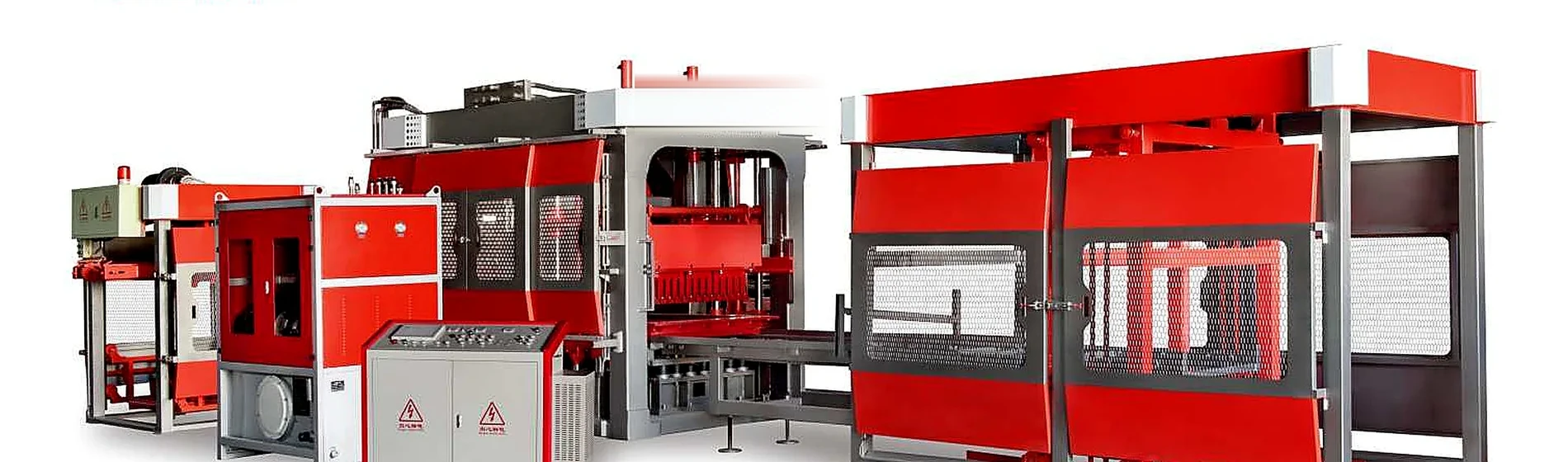
Concrete Block Making Machine
Core machine for hollow blocks, solid blocks, pavers and curbstones.
Automatic Block Making Machine
High-output automatic block machine for industrial production lines.
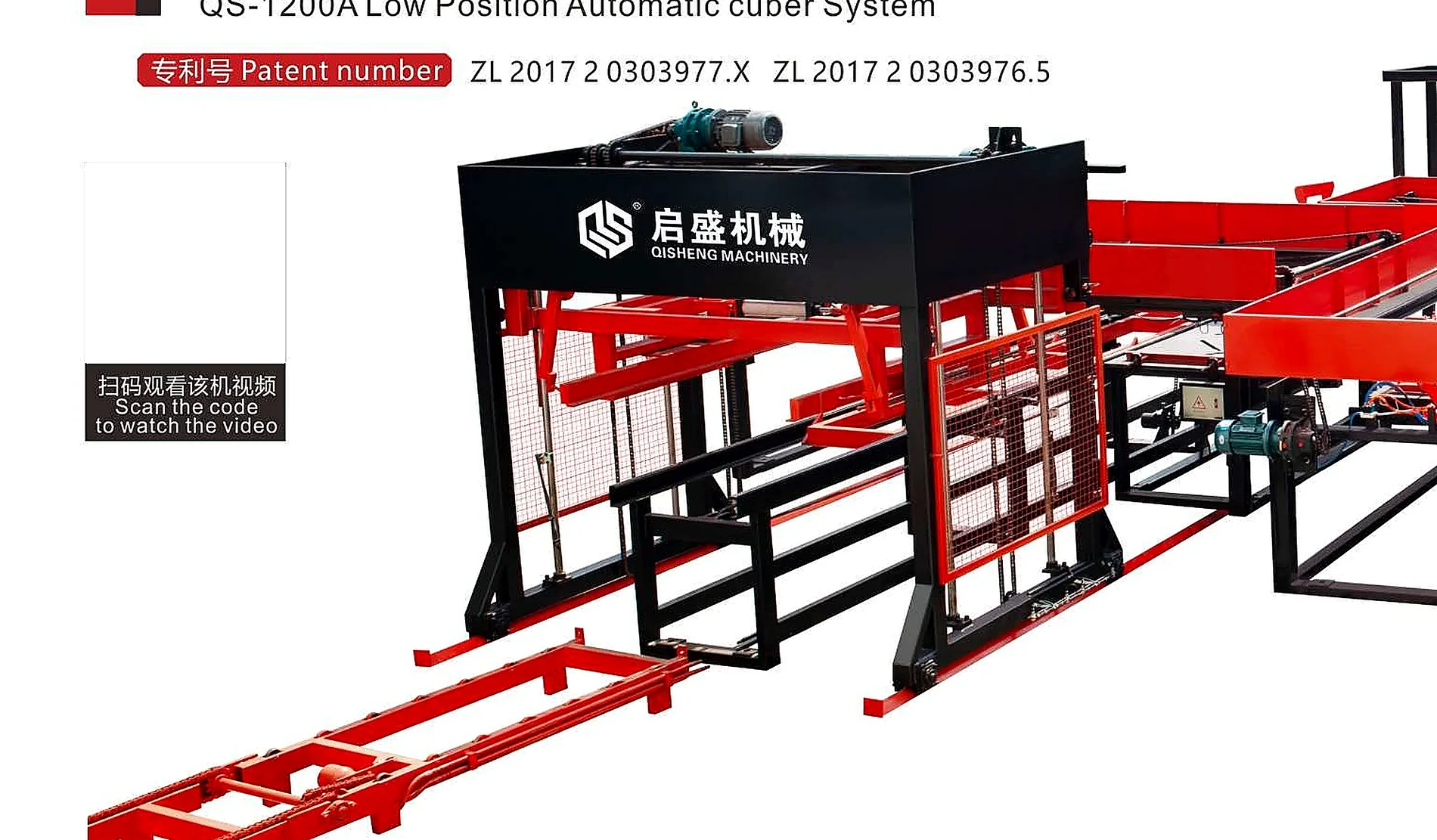
Hydraulic Block Making Machine
Hydraulic forming system for stable density and consistent blocks.
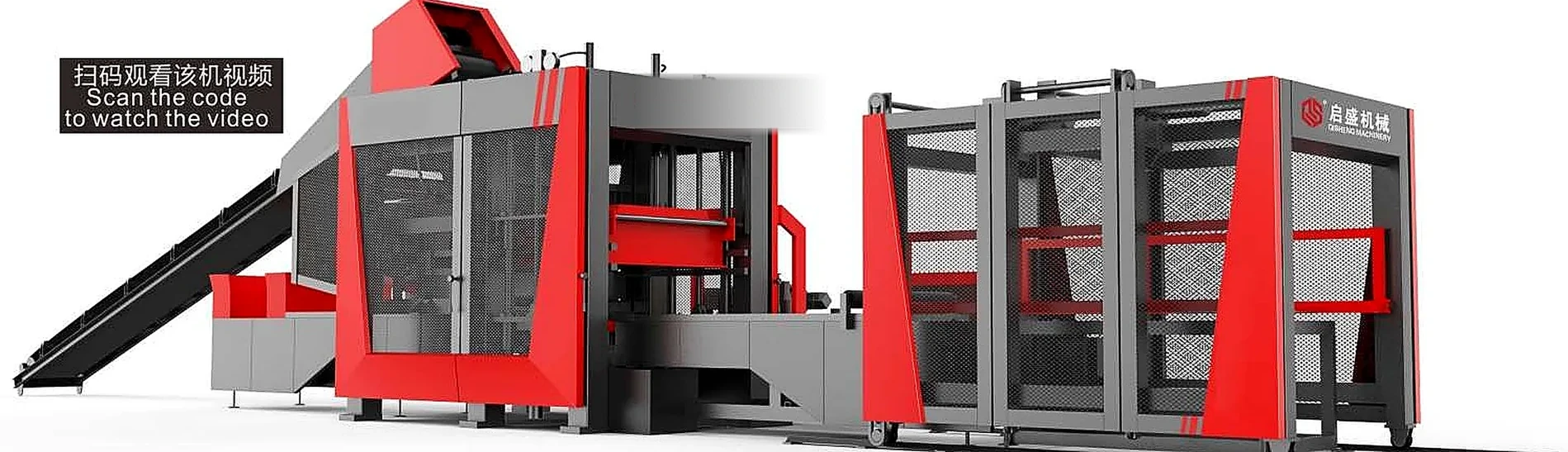
Hollow Block Making Machine
Machine configurations for common hollow concrete block sizes.