Concrete Block Manufacturing Plant Cost: what a complete plant is built from
A complete block manufacturing plant is bought in eight parts: land and civil work, the host machine, moulds, batching and mixing, pallets, curing, cubing and packing, the power connection, and transport with installation. This page shows which parts scale with output, which follow the site, and which QST model and curing line each choice belongs to.
Concrete block manufacturing plant cost is built from eight lines: land and civil work, the host machine, moulds, batching and mixing, pallets, curing, cubing and packing, and the electrical connection with transport and installation. The host machine sets most of the rest, because pallet size, installed capacity and cycle time follow it: 104 kW and a 1,400 x 1,400 mm pallet on a QST1800, against 44.9 kW and a 980 x 860 mm pallet on a QST8-15. No single figure covers every plant, because curing, cubing and the level of automation move the total.
A complete block plant is not one purchase. It is eight purchases that have to fit together: land and civil work, the host machine, moulds, batching and mixing, pallets, curing, cubing and packing, and the electrical connection with transport and installation. Buyers who compare only the machine price usually miss the two lines that move most on a tight plot, which are curing and cubing. Start from the shape of the plant you intend to run, then price each line against that shape. If you are still at the planning stage, the guide on how to start a block factory covers the sequence of decisions that comes before any quotation.
Concrete block manufacturing plant cost: the lines that set the total
Four of the eight lines scale with output: the host machine, the moulds, the pallets and the cubing equipment. Two are driven by the site you already own: land and civil work, and the power connection. Two scale with the number of machines rather than with the size of each one: batching and mixing, and installation labour. That grouping tells you where a smaller machine saves money and where it does not. A smaller press reduces the machine line, the pallet line and the civil line, but it does not reduce the batching line, the packing line or the cost of the yard. A plant is normally quoted line by line for that reason, and the block factory cost breakdown follows the same order.
Land and civil work
The foundation carries the mass and the vibration of the press. A QST1800 weighs 34 t and occupies 15,500 x 5,500 x 3,200 mm, so its concrete base is a heavier civil item than the base for a QST8-15, which weighs 14 t and measures 9,800 x 3,600 x 2,800 mm. Every QST model runs at 3,800 to 4,500 vibrations per minute, and that vibration reaches the ground, so the base is sized for dynamic load and not for static weight alone. The second half of this line is yard space. Where land is tight, a cuber that stacks higher uses less ground for the same output, and stacked curing replaces a long floor that you would otherwise have to buy or rent.
The host machine: QST1800, QST1500, QST1200 or QST8-15
The QST range is the starting point for most enquiries. The QST1800 uses a 1,400 x 1,400 x 30 mm pallet, draws 104 kW installed, delivers a vibration force of 280 kN and cycles in 15 to 25 s, with a published ceiling of up to 220,000 standard bricks per 8-hour shift. The QST1200 uses a 1,350 x 880 x 25 mm pallet, draws 57.6 kW, delivers 150 kN, cycles in 15 to 25 s and is published up to 120,960 standard bricks per 8-hour shift. The QST8-15 takes a 980 x 860 x 22 mm pallet, draws 44.9 kW, delivers 95 kN, cycles in 15 to 23 s and is published up to 90,000 standard bricks per 8-hour shift. The QST1500 sits between them at 69.1 kW and 220 kN with a 1,350 x 1,150 x 30 mm pallet and no published brick figure, because it is configured to your target product. The QST1000 and the QST6-15 follow the same rule. Every model presses at a rated 31.5 MPa. Those published ceilings assume a standard brick mould, a full 8-hour shift, a stable mix and uninterrupted pallet handling, so ask which of the four conditions changes first at your site. The concrete block making machine range lists the full table of sizes, weights and capacities.
Moulds: the line that follows your product mix
A machine is bought once. Moulds are bought for every sellable product, so this line is decided by the order book rather than by the machine. The site carries five sizes: hollow block 390 x 190 x 190 mm, standard solid brick 240 x 115 x 51 mm, Holland brick 200 x 100 x 60 mm, square block 250 x 250 x 60 mm and small block 170 x 80 x 80 mm. On the double-direction hydraulic press family, a hollow block 390 x 190 x 190 mm gives 5, 10 or 12 pieces per mould and a standard brick 240 x 115 x 51 mm gives 28, 45 or 87 pieces per mould, so mould count follows the product rather than the machine. Each added mould set also adds changeover time and needs its own storage and handling.
Batching and mixing
The batching line has to feed the host machine at its cycle rate. That rate is 15 to 25 s on the QST1800 and the QST1200, and 15 to 23 s on the QST1500, the QST8-15 and the QST6-15. A mixer that cannot deliver a full mould charge inside that cycle stalls the press, and stopping and restarting a press costs more than the mixer saved. Accepted raw materials are cement, sand, gravel and crushed stone powder, with fly ash, slag, gangue and crushed construction waste used as fillers where supply allows. A filler source that changes quality from week to week needs more storage, not a faster mixer.
Pallets and the QS-1200 pallet feeder
Pallet size is fixed by the machine: 1,400 x 1,400 x 30 mm on the QST1800, 1,350 x 1,150 x 30 mm on the QST1500, 1,350 x 880 x 25 mm on the QST1200 and 980 x 860 x 22 mm on the QST8-15. Pallet count follows the cycle time and the curing dwell, so the longer the machine runs and the longer the blocks stay on the pallet, the larger the fleet you have to own. This is the line buyers underestimate most often, because pallets are bought in hundreds and not in ones. The QS-1200 automatic pallet feeding machine runs a feeding cycle of about 13 s on a 3.0 kW motor, and it takes the manual pallet handoff away from the machine operator.
Curing: QSDJ, QSRGY and the kiln
Curing decides daily output more often than the press does, because a block that has not cured cannot be sold or stacked. The QSDJ belt-rack curing line is rack based and matches the block machine of any maker, new or existing; it uses a lithium-battery transfer sub-car with wireless control, a self-organised RS-485 wireless network and cloud remote monitoring. The QSRGY finger-car curing line is single-layer as standard and multi-layer as an option, and its sub-car takes either 380 V AC stepped down to 36 V DC on the running rail or a 36 V lithium battery with a BMS; 3 to 4 persons complete the whole production task on that line. On hot, dusty sites, curing areas also need shade and water to hold moisture, which is a civil and water-supply cost rather than a machine cost.
Cubing and packing
The QS-1200A low-position automatic cuber places 18 standard hollow blocks per layer and handles about 3,800 pallets per shift. The QSMT1000 pallet-free arrangement on a cuber reaches up to 135,000 bricks per 8-hour shift and takes 40 hollow blocks or 5 layers per bite. Packing is the last line and the one most often left out of a first budget. If your customers collect loose blocks on a truck, a simple packing position is enough. If they collect strapped cubes, the cuber and the packing position have to be specified together, because the cube pattern is set by the cuber and it is what the customer sees first.
Power connection
Machines configured for this region run on a 380 V / 50 Hz three-phase supply. Installed capacity is published per model: 104 kW for the QST1800, 69.1 kW for the QST1500, 57.6 kW for the QST1200, 48.9 kW for the QST1000, 44.9 kW for the QST8-15 and 34.4 kW for the QST6-15. Add batching, the compressor, the curing transfers and lighting before you request a connection, and size the cable and the transformer to the largest simultaneous draw rather than to the sum of the nameplates. On a hot, dusty site, hydraulic oil cooling and dust protection around the vibration unit belong in this line, because they are running costs that start on the first shift.
Transport and installation
Freight is priced by mass and volume, so the machine choice is also a transport decision. A QST1800 at 34 t needs a different crane, a different number of truck loads and a different unloading plan than a QST8-15 at 14 t. Installation labour moves with the degree of automation rather than with the machine size. A QSGW line is specified to run with 3 to 6 persons per shift, and a QSRGY curing line completes the whole production task with 3 to 4 persons. Every added automatic function cuts headcount and adds commissioning time, so the two lines move in opposite directions and should be shown separately in an offer.
The automation step that changes the total most
The QSGW intelligent high-level fully automatic line is configured from 30,000 to 250,000 pieces per 8-hour shift depending on the host machine matched into it. It uses a central computer with PLC and sensors, a layered automatic pallet lifter, a high-level finger car and a three-dimensional curing kiln, and it runs with 3 to 6 persons per shift. That range is why the line is quoted as a configuration and not as a single product. A plant of this type is described in full on the complete concrete block factory page. If a press is already running, a QSDJ belt-rack curing line can be added to a block machine of any maker, new or existing, so curing capacity can be bought before a second press.
How to compare two plant offers
Reduce both offers to the same four answers: which host machine and which pallet size, how many moulds and for which products, how many pallets are included, and how much of the curing, cubing and packing is automated. Compare the two totals line by line only after those four answers match. An offer that leaves curing or packing to the buyer is not cheaper, it is smaller. When the four answers are on the table, send the configuration through the request for quotation form so that every line is quoted against the same scope.
Frequently Asked Questions
How much does a complete block manufacturing plant cost?
What decides the cost of a block plant more than the machine itself?
Which QST model should I choose to keep the plant cost under control?
What is included in a complete concrete block factory?
How many workers does a block plant need?
How do I compare two plant quotations fairly?
Do I need a fully automatic line from the start?
How does the site itself change the plant cost?
Related machines
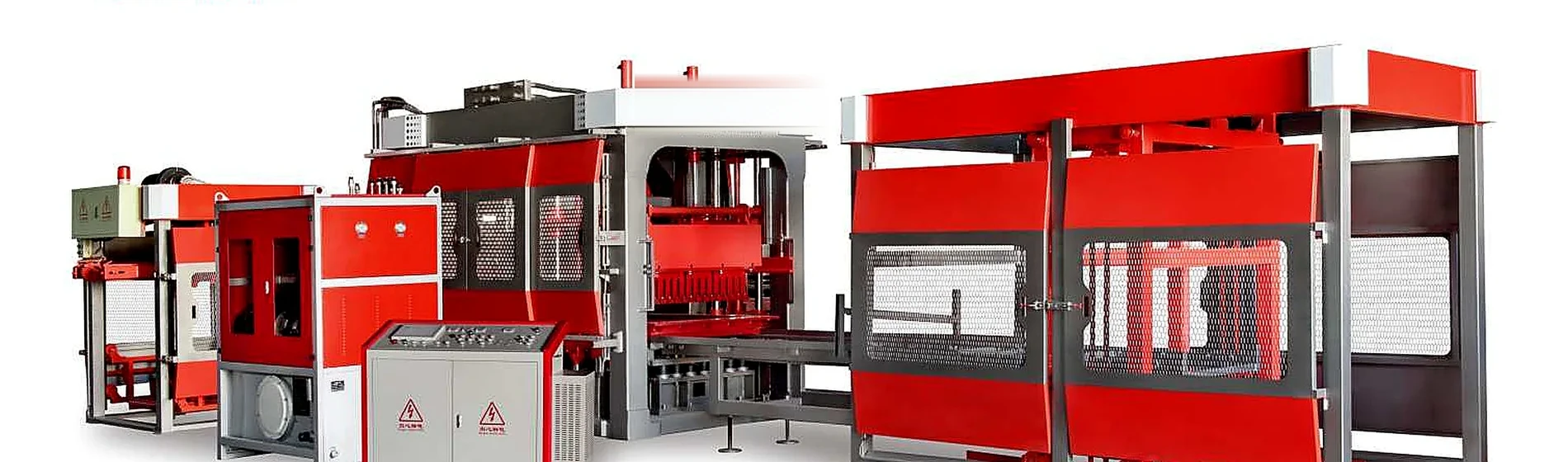
Concrete Block Making Machine
Core machine for hollow blocks, solid blocks, pavers and curbstones.
Automatic Block Making Machine
High-output automatic block machine for industrial production lines.
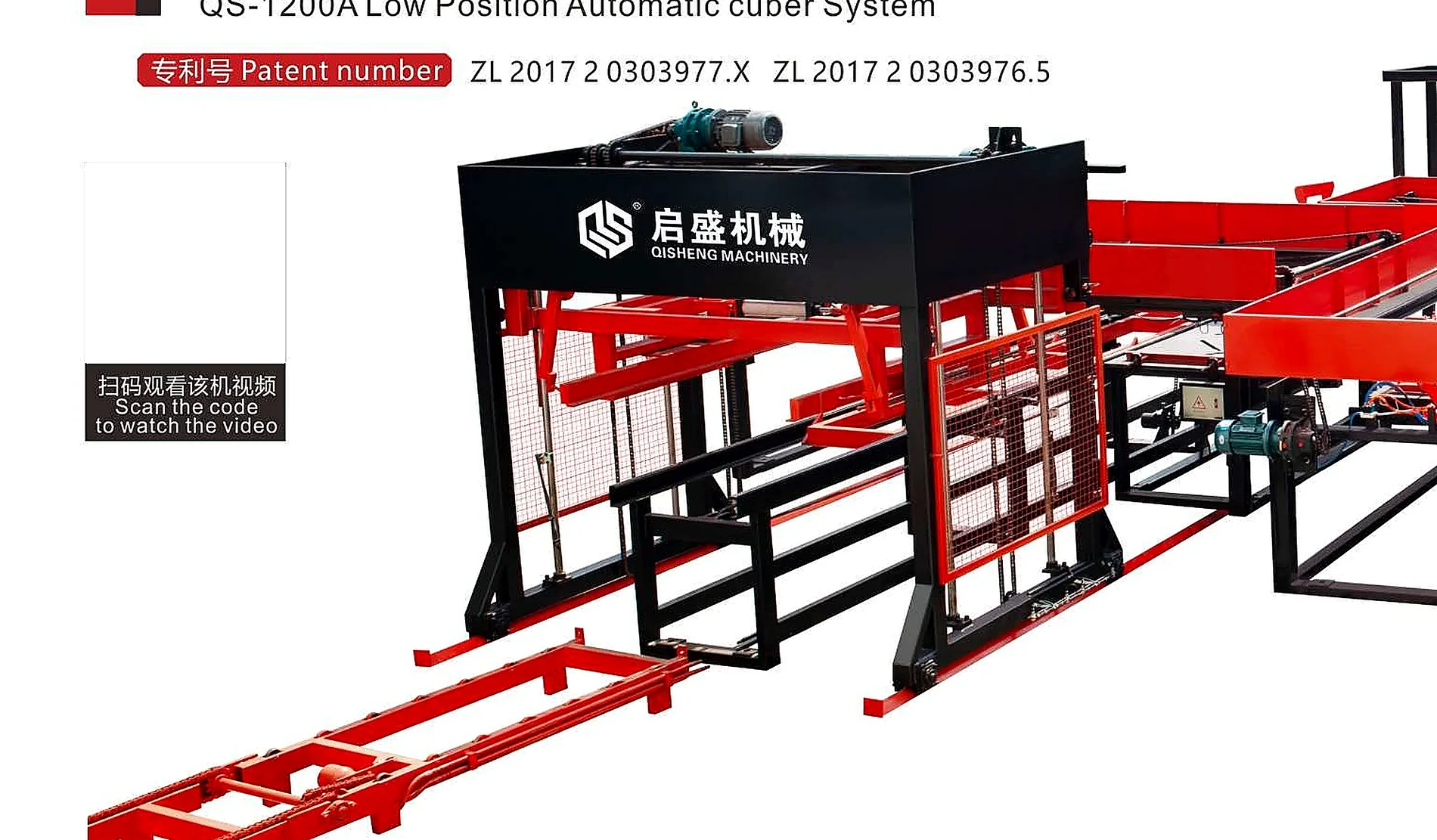
Hydraulic Block Making Machine
Hydraulic forming system for stable density and consistent blocks.
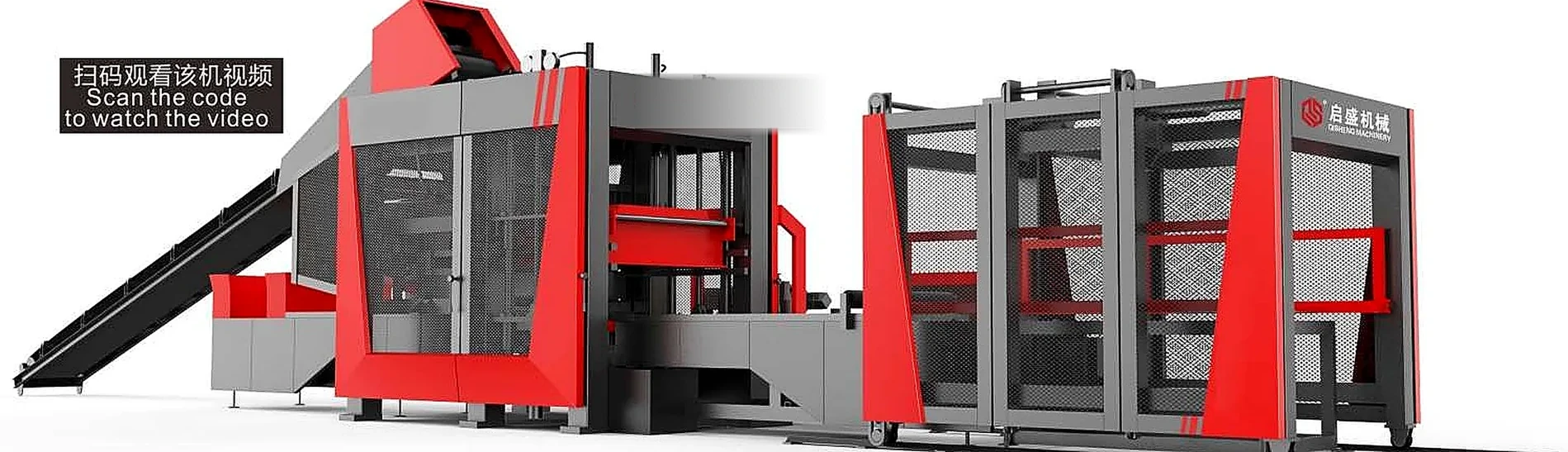
Hollow Block Making Machine
Machine configurations for common hollow concrete block sizes.