Fully Automatic Block Making Machine Price: What Builds the Figure
A fully automatic block making machine price is a package figure, not a machine figure. This guide splits that package into host press, moulds, pallet feeding, curing, cubing and freight, shows where the QST1800 and QST1500 sit as the fully automatic pair, and lists the answers to send before you ask for a number.
A fully automatic block making machine price is built from six parts: the host press, one mould per product size, automatic pallet feeding and pallets, the curing system, the cuber and packing, and freight with installation. The host is only the visible part. The QST1800 carries 280 kN of vibration force, 104 kW of installed capacity, a 1,400 x 1,400 mm pallet and up to 220,000 standard bricks per 8-hour shift; the QST1500 carries 220 kN, 69.1 kW and a 1,350 x 1,150 mm pallet. Two quotations are comparable only when those six parts are listed separately.
A fully automatic block making machine takes the whole cycle off the operator's hands. The mould fills, the vibration unit runs at 3,800 to 4,500 vibrations per minute, the press head closes at a rated pressure of 31.5 MPa on every QST model, and the finished product is demoulded onto a pallet that moves on by itself. The operator sets the recipe and watches; the machine decides when the next pallet comes in.
What separates a fully automatic line from a semi-automatic one is the handling around the host machine. On a CEMBRIQ configuration the QS-1200 automatic pallet feeding machine brings a pallet in on a feeding cycle of about 13 s with a 3.0 kW motor, and the QS-1200A low-position automatic cuber takes the green product off the line at 18 standard hollow blocks per layer, roughly 3,800 pallets per shift. Nothing in that chain waits for a man with a pallet truck. Look at the layout options on the automatic block making machine range before you fix the footprint of your yard.
Labour is where the difference shows up in the monthly account. A QSGW intelligent high-level fully automatic line runs with 3 to 6 persons per shift, and a QSRGY finger-car curing line completes the whole production task with 3 to 4 persons. A semi-automatic press with manual stacking needs a larger crew for the same output, and that crew is paid every month while the equipment is paid once. That is the trade a buyer is really making.
What the Fully Automatic Block Making Machine Price Is Built From
A quotation for a fully automatic machine is a package, and the host press is only the first line of it. Ask for the package split into six parts, because two suppliers quoting the same total can be selling very different scopes.
- Host machine. The press itself, with its mould mount, vibration unit, hydraulic station and control cabinet. The QST1800 carries 280 kN of vibration force and 104 kW of installed capacity; the QST1500 carries 220 kN and 69.1 kW. That gap alone explains part of the difference between two quotations.
- Moulds. One mould makes one product size. Hollow block 390 x 190 x 190 mm, standard solid brick 240 x 115 x 51 mm, Holland brick 200 x 100 x 60 mm, square block 250 x 250 x 60 mm and small block 170 x 80 x 80 mm each need their own mould. A buyer who wants three products is buying three moulds.
- Pallet feeding and pallets. The feeder is a machine and the pallets are consumables. The QST1800 runs 1,400 x 1,400 x 30 mm pallets and the QST1500 runs 1,350 x 1,150 x 30 mm pallets, so the two models do not share a pallet stock.
- Curing. Curing is a building and a transport system, not a machine on the machine list. Natural curing under shade costs yard space and water. A QSDJ belt-rack curing line uses rack curing and matches the block machine of any maker, new or existing. The QSRGY finger-car line is single-layer curing as standard with multi-layer optional, and it can run its sub-car on 380 V AC stepped down to 36 V DC on the running rail, or on a 36 V lithium battery with BMS.
- Cubing and packing. A cuber replaces a crew of stackers and changes how much ground the finished product occupies. Where yard space is tight, a cuber that stacks higher uses less ground for the same output.
- Freight, installation and commissioning. Weight and volume drive this part, and both are published. The QST1800 is 34 t and measures 15,500 x 5,500 x 3,200 mm; the QST1500 is 20 t and measures 11,500 x 4,550 x 2,800 mm. A bigger machine is not only a bigger invoice, it is more steel on the road and more engineer days on site.
Compare offers part by part, not total to total. A lower total that leaves curing to the buyer and ships one mould is not the same product as a complete package. Our guide to what drives block making machine price walks through the same six parts in more detail, and the block machine for sale checklist covers how to test a supplier's scope claims.
The QST1800 and QST1500 as the Fully Automatic Pair
CEMBRIQ configures two QST models as the fully automatic pair for this region, and they are aimed at two different yards.
| Specification | QST1800 | QST1500 |
|---|---|---|
| Machine size (mm) | 15,500 x 5,500 x 3,200 | 11,500 x 4,550 x 2,800 |
| Pallet size (mm) | 1,400 x 1,400 x 30 | 1,350 x 1,150 x 30 |
| Weight | 34 t | 20 t |
| Vibration force | 280 kN | 220 kN |
| Rated pressure | 31.5 MPa | 31.5 MPa |
| Installed capacity | 104 kW | 69.1 kW |
| Cycle | 15 to 25 s | 15 to 23 s |
| Published capacity | Up to 220,000 standard bricks per 8-hour shift | No published figure, configured to your target |
Read the table as a pair of trade-offs. The QST1800 carries a larger 1,400 x 1,400 mm pallet, 280 kN of vibration force and 104 kW of installed capacity, and it is the model to specify when the target is a high-output automatic factory with a curing system behind it. It also weighs 34 t and is 15,500 mm long, so the yard and the access road have to take it. The QST1500 runs a 1,350 x 1,150 mm pallet with 220 kN and 69.1 kW, weighs 20 t and is 11,500 mm long, and it is configured to the buyer's own target because no fixed capacity figure is published for it. Both work by vibration plus press moulding at 31.5 MPa, and both start their cycle at 15 s, so the difference between them is scale and load, not working principle.
For a site that starts with one press and room to grow, the QST1500 leaves more yard free for curing racks and stock. For a site that has an offtake contract and needs volume from day one, the QST1800 gives the bigger pallet and the higher installed capacity. How a press is matched into a curing and handling system is set out on the complete concrete block factory page.
Capacity With Conditions, Not With Promises
Published capacity is a ceiling, and the conditions under it are part of the number. The QST1800 is published at up to 220,000 standard bricks per 8-hour shift. That figure assumes a standard brick mould, a full 8-hour shift, a stable mix and uninterrupted pallet handling. Remove any one of those four and the real output falls.
- QST1800: up to 220,000 standard bricks per 8-hour shift.
- QST1200: up to 120,960 standard bricks per 8-hour shift.
- QST8-15: up to 90,000 standard bricks per 8-hour shift.
- QST1500, QST1000 and QST6-15: no published figure, each configured to your target.
Two further conditions decide whether a shift reaches its ceiling. The first is the mix. The QST range takes cement, sand, gravel and crushed stone powder, and it also takes fly ash, slag, gangue and crushed construction waste as fillers where supply allows; a filler changes how the material behaves and the cycle has to be set for what is actually in the hopper. The second is handling. A line whose cuber or pallet feeder stops still burns the shift, and at a 15 to 25 s cycle the host machine is fast enough that the transport behind it has to keep up.
Capacity also changes with the product. A standard brick mould and a hollow block mould do not put the same number of pieces on a pallet, and the curing area needed follows the pallet count rather than the piece count. When you ask for a capacity figure, state the product, the shift length and the mould, or the answer will be a ceiling rather than a plan.
What Raises the Figure and What Lowers It
Two lists are worth writing on a notepad before you talk to any supplier.
What raises it:
- A larger host. 280 kN and 104 kW on the QST1800 against 220 kN and 69.1 kW on the QST1500.
- More moulds. Every extra product size is an extra mould and an extra changeover.
- Mechanised curing and cubing instead of manual handling: a QS-1200A cuber, a QSDJ belt-rack curing line, or a pallet-free arrangement such as the QSMT1000, published at up to 135,000 bricks per 8-hour shift with 40 hollow blocks or 5 layers per bite.
- A fully automatic line built for low labour, such as the QSGW high-level line, configured from 30,000 to 250,000 pieces per 8-hour shift depending on the host machine matched into it, with a central computer using PLC and sensors, a layered automatic pallet lifter, a high-level finger car and a three-dimensional curing kiln.
- Heavier freight. 34 t of machine and 1,400 x 1,400 mm pallets are a different transport job from 20 t and 1,350 x 1,150 mm.
What lowers it:
- A host matched to real demand. A machine bought at twice the size of the offtake sits idle and still carries its instalments.
- One product size at a time, added later when the market asks for it.
- Natural curing under shade and water on your own yard instead of a kiln system on day one.
- Reusing a pallet size you already own, if it matches the model you choose.
- Buying the press first and the curing line in a second stage, which a rack-curing line designed to match the block machine of any maker allows.
None of these choices is free of consequence. Dropping the cuber saves equipment but adds men to the shift, and men are paid every month. Dropping the curing kiln saves steel but costs ground and adds weather risk. The right answer is the one that fits the offtake you already hold, not the one that looks biggest on a brochure.
The Buying Checklist to Send Before You Ask for a Price
A supplier can only configure a line if it knows what the line has to do. Send these twelve points in one message and you will get a comparable quotation instead of a range.
- Product sizes in millimetres, for example hollow block 390 x 190 x 190 mm and standard brick 240 x 115 x 51 mm, plus every other size you intend to sell.
- Target output in pieces per 8-hour shift, stated for the main product rather than the total across all products.
- Yard dimensions, including the curing area and the turning circle for a loaded truck.
- Electricity supply. Machines for this region are configured for 380 V / 50 Hz three-phase; state anything different up front.
- Raw materials actually available, including whether fly ash, slag, gangue or crushed construction waste will be used as fillers.
- Pallet size you already own, if any.
- Whether you want manual, semi-automatic or fully automatic pallet handling and cubing.
- Curing method you plan: natural curing under shade, rack curing, or a kiln system.
- Number of workers you can realistically keep on the shift.
- Site climate. Hot, dusty sites need hydraulic oil cooling and dust protection around the vibration unit, and curing areas need shade and water to hold moisture.
- Whether the yard is tight. Where space is tight, a cuber that stacks higher uses less ground for the same output.
- Delivery address and whether unloading equipment will be at the site.
With those twelve answers a supplier can name the model, the mould count, the pallet size and the scope, and only then is a number meaningful. Send them through the request for quotation form and you will get a configuration back rather than a brochure.
How to Compare Two Offers on the Same Basis
Two quotations can differ widely and both be honest, because they are not selling the same thing. Put every offer into the same seven rows before you decide.
- Host model and its published figures: vibration force, installed capacity, cycle time, weight.
- Number of moulds and the product sizes they make, in millimetres.
- Pallet size and how many pallets are included.
- Pallet feeding and cuber: included, or buyer's scope.
- Curing: natural, rack or kiln, and who builds it.
- The number of persons per shift the line is designed for.
- What happens after delivery: who installs, who commissions, who trains the crew.
Cycle time is a useful cross-check on that list. The QST1800 runs 15 to 25 s and the QST1500 runs 15 to 23 s, so a claim of a much shorter cycle at the same rated pressure of 31.5 MPa needs an explanation, not a discount. Ask what changed: a different mould, a different product, or a different definition of the cycle.
Where to Go Next
Start with the offtake, not the machine. Write down the product sizes and the pieces per shift you can actually sell, then let the configuration follow. The fully automatic pair, the QST1800 and the QST1500, covers a high-output automatic factory and a compact ramp-up site respectively, and both are built on the same vibration plus press platform at a rated pressure of 31.5 MPa. When your twelve answers are ready, a quotation can be specific, and a specific quotation is the only one worth comparing.
Frequently Asked Questions
What decides the price of a fully automatic block making machine?
How many workers does a fully automatic block line need?
What is included when I buy a fully automatic machine?
How many bricks can a fully automatic machine produce per shift?
Which model should I choose between the QST1800 and the QST1500?
What moulds do I need for hollow blocks and standard bricks?
How long is one production cycle on a fully automatic machine?
Does the climate of my site change what I should order?
What should I send before asking a supplier for a price?
Can I add automatic stacking and curing later?
Related machines
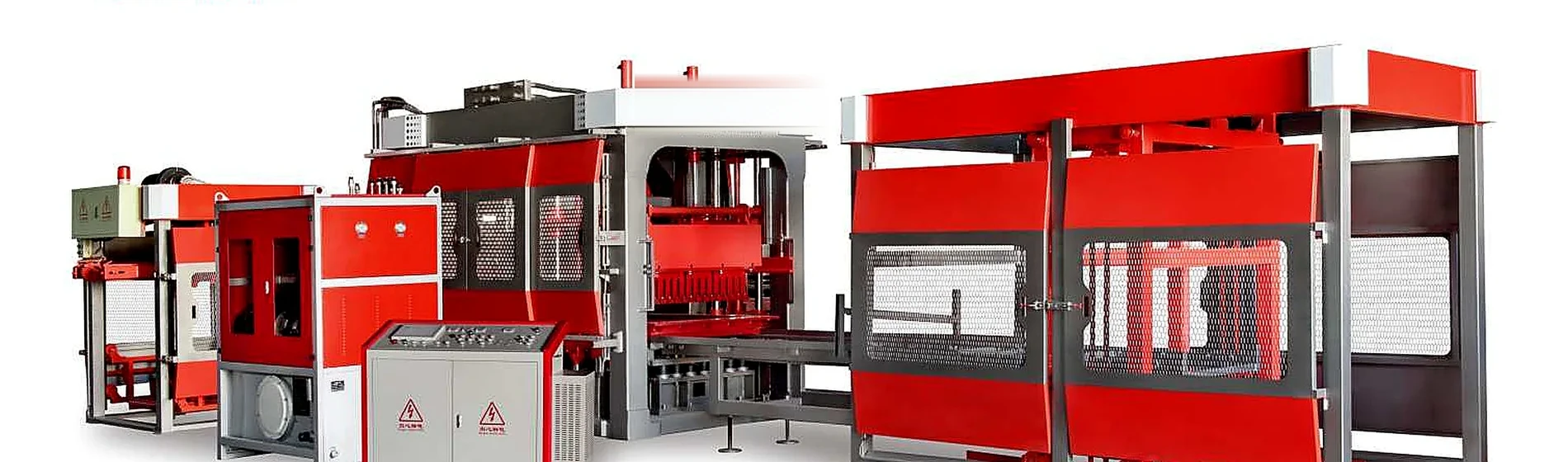
Concrete Block Making Machine
Core machine for hollow blocks, solid blocks, pavers and curbstones.
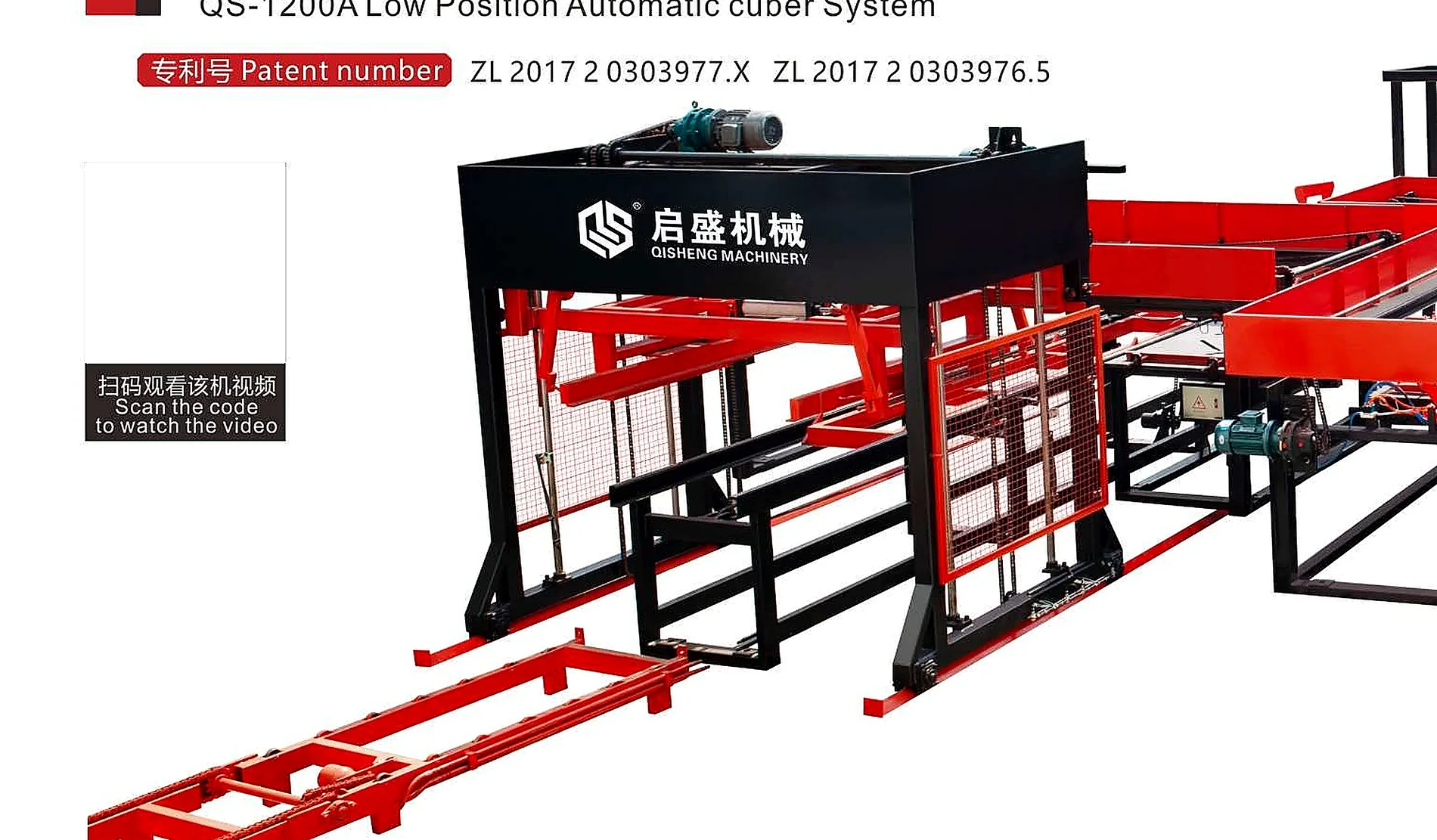
Automatic Block Making Machine
High-output automatic block machine for industrial production lines.
Hydraulic Block Making Machine
Hydraulic forming system for stable density and consistent blocks.
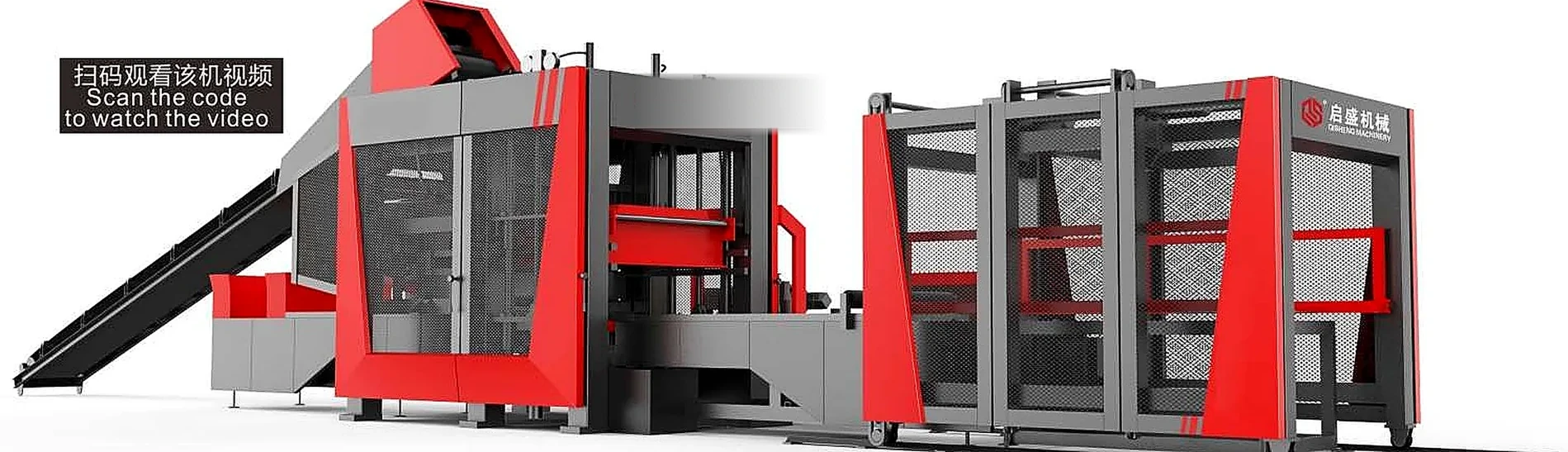
Hollow Block Making Machine
Machine configurations for common hollow concrete block sizes.